Addition Practice Easy Worksheets for Ages 5-7 - Page 2
27 filtered results
-
From - To
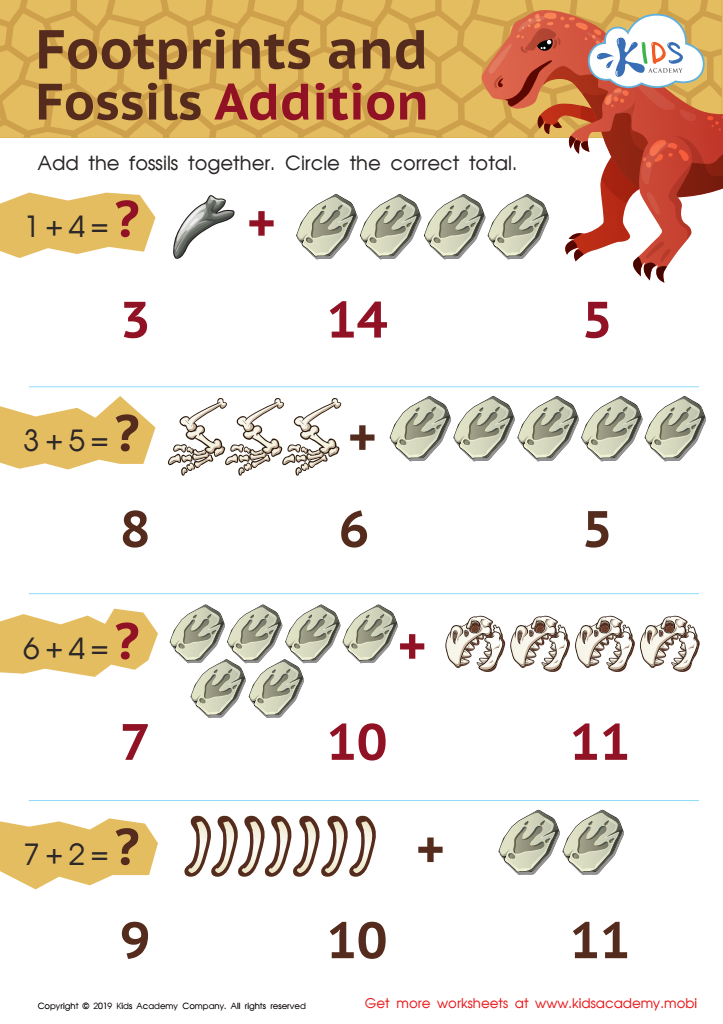
Footprints and Fossils Addition Worksheet
 Assign to My Students
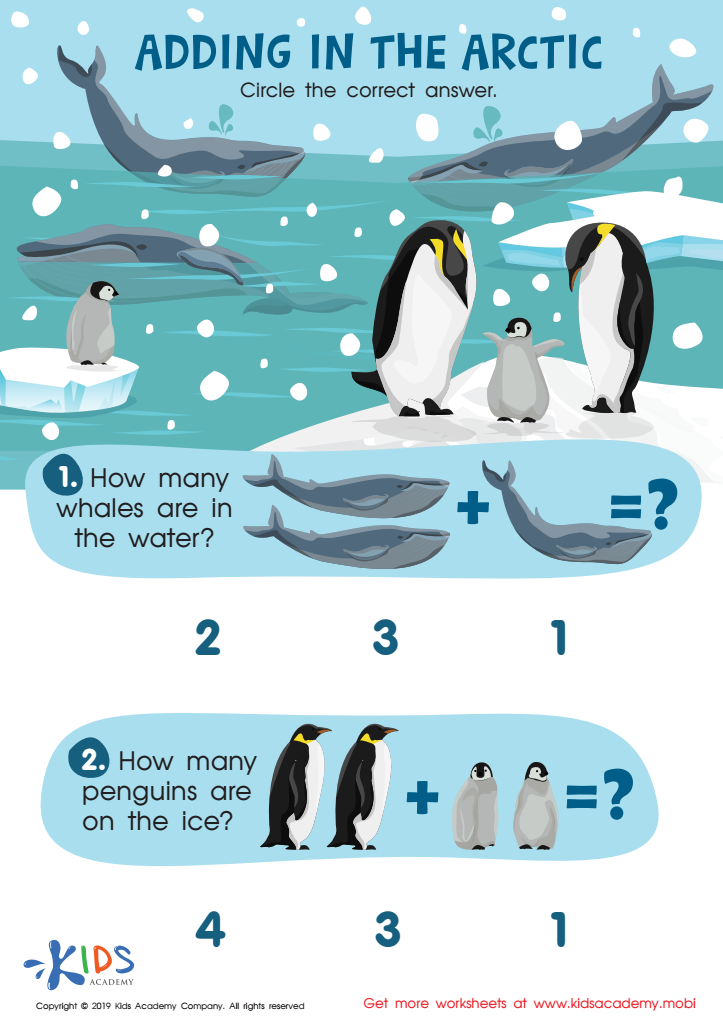
Adding in the Arctic Worksheet
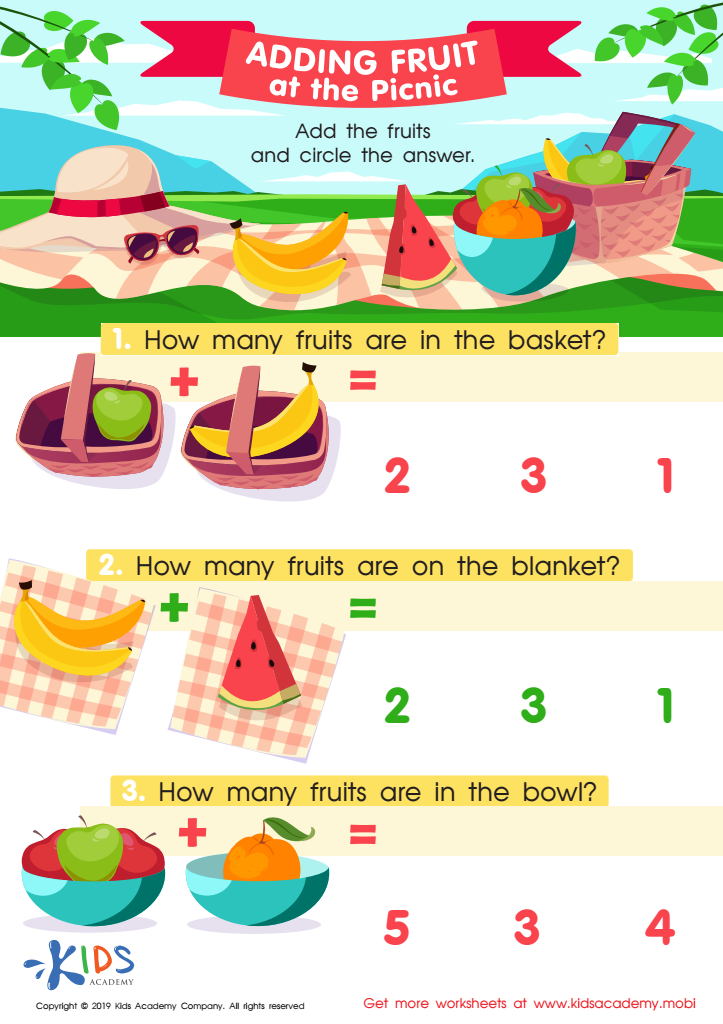
Adding Fruit at the Picnic Worksheet



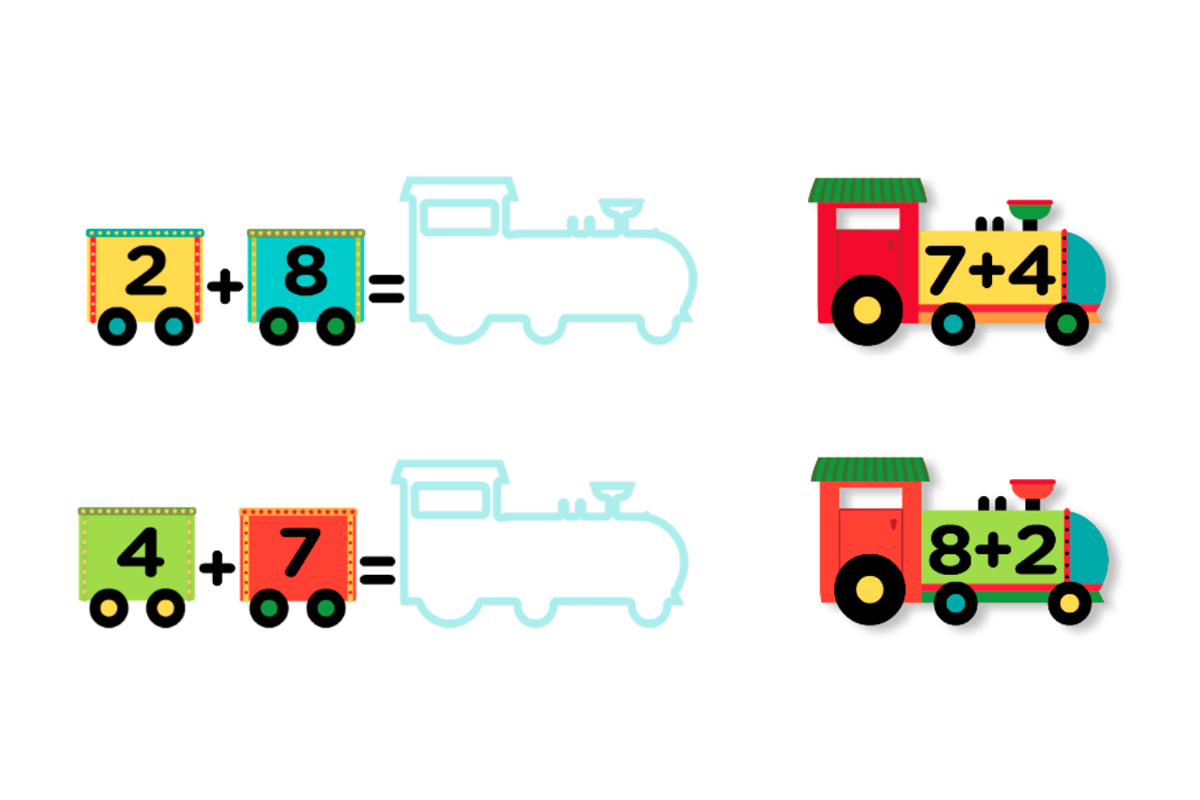



Parents and teachers should care about addition practice for ages 5-7 because foundational math skills are crucial for children’s overall academic development. At this young age, kids are exceptionally capable of absorbing new information and laying the groundwork for more complex math concepts. Practicing addition enhances their understanding of numbers, boosts their arithmetic skills, and builds their confidence in solving problems.
Addition is one of the first steps in mathematical learning, setting the stage for subsequent concepts like subtraction, multiplication, and division. Mastery of basic addition helps children with everyday tasks and prepares them for more challenging math problems in higher grades. Furthermore, practicing addition helps improve memory, focus, and logical thinking, which are essential skills across all subjects.
Additionally, making these activities simple and engaging keeps young learners interested and motivated. Interactive and playful methods, such as using everyday objects, educational apps, or fun worksheets, help kids learn addition in an enjoyable way. This positive early experience with math can foster a lifelong love for the subject.
Overall, prioritizing addition practice at this age not only supports academic achievement but also nurtures a child's confidence and curiosity, essential ingredients for their future learning journey.








