Fine motor development Easy Worksheets for Ages 5-7
3 filtered results
-
From - To
Introducing our curated collection of Fine Motor Development Easy Worksheets designed specifically for children ages 5-7! These engaging printable resources help young learners refine their hand-eye coordination, dexterity, and control through fun, interactive activities. From tracing and drawing to cut-out projects, our worksheets cater to various skill levels! Perfect for both home and classroom settings, each activity promotes essential skills necessary for writing, drawing, and self-care tasks. Encourage creativity while fostering essential developmental milestones! Explore our easy-to-use worksheets today and watch your child's fine motor skills flourish in an enjoyable learning environment. Get started and make practice delightful!
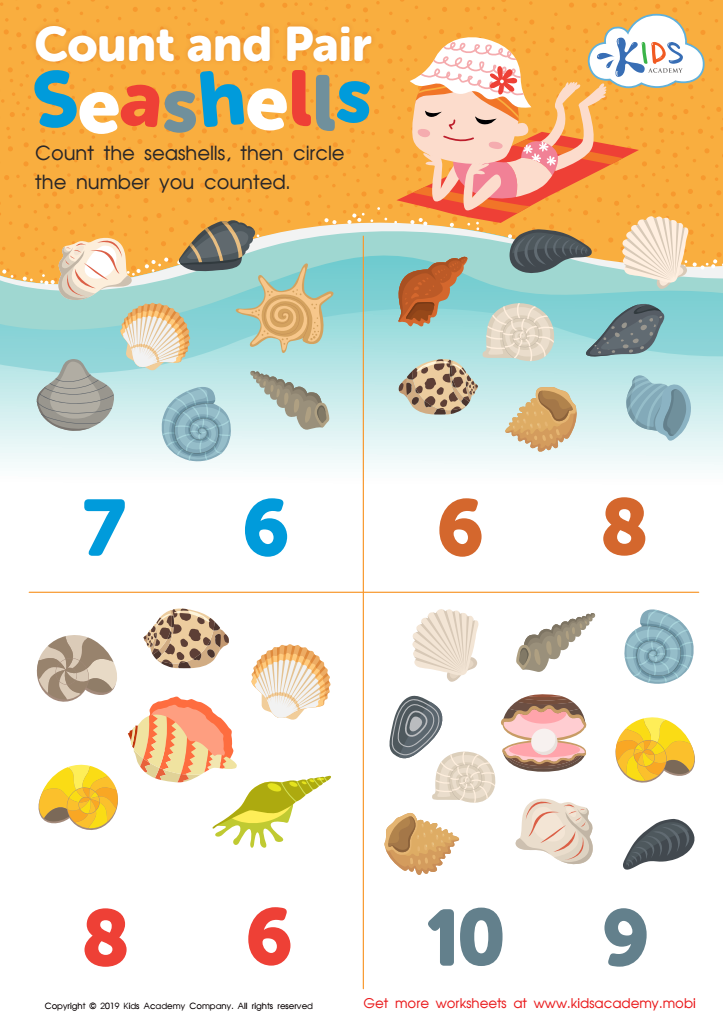
Count and Pair Seashells Worksheet
 Assign to My Students
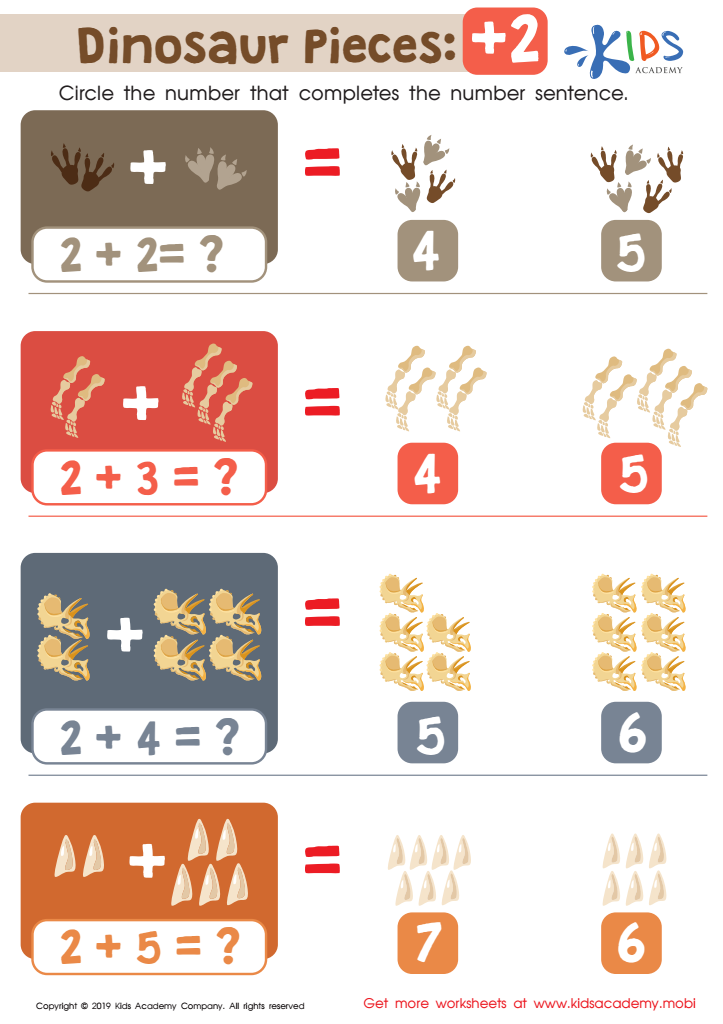
Dinosaur Pieces: +2 Worksheet








Fine motor development is crucial for children ages 5-7 as it lays the foundation for many everyday skills. This period is marked by significant growth in abilities that involve using small muscles, particularly in the hands and fingers. Mastering fine motor skills enables children to perform tasks like writing, drawing, cutting, and using scissors, all of which are vital for their academic success.
Parents and teachers should care about fine motor development because these skills affect a child's independence and confidence. For instance, a child who can comfortably button their shirt or tie their shoelaces feels more capable in daily life. Moreover, fine motor skills enhance cognitive development, as they often require hand-eye coordination and problem-solving abilities.
Encouraging activities such as coloring, playing with building blocks, or engaging in crafts promotes fine motor skills while also being fun and creative. Early support in these areas can prevent future difficulties in writing and other tasks requiring dexterity. Therefore, investing time and attention into developing fine motor skills not only aids in immediate skills but also fosters long-term academic and personal growth in children aged 5-7.








