Fine motor skills (writing) Easy Worksheets for Ages 5-7
3 filtered results
-
From - To
Discover our collection of easy worksheets designed to enhance fine motor skills in children ages 5-7. These engaging activities focus on developing writing abilities through fun and interactive exercises. From tracing letters to connecting dots and practicing shapes, our worksheets provide perfect practice for young learners. They not only improve handwriting but also boost hand-eye coordination and concentration. Ideal for classroom use or at-home learning, our fine motor skills writing worksheets offer a balance of education and enjoyable play, making learning a delightful experience for both kids and parents. Start nurturing your child's writing skills today!
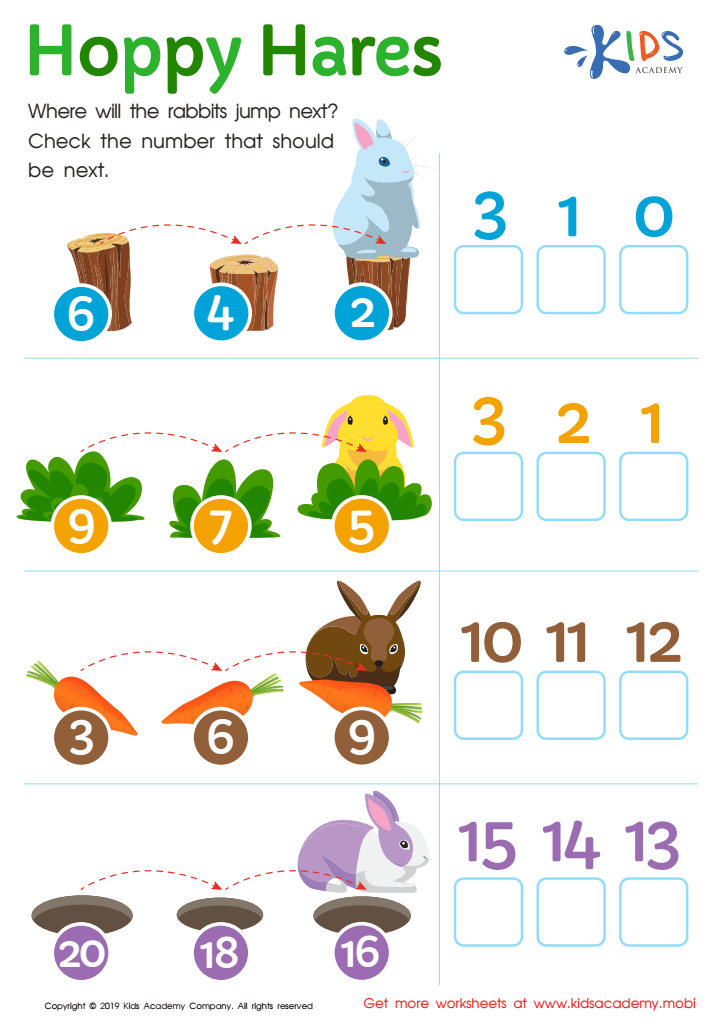
Hoppy Hares Worksheet
 Assign to My Students
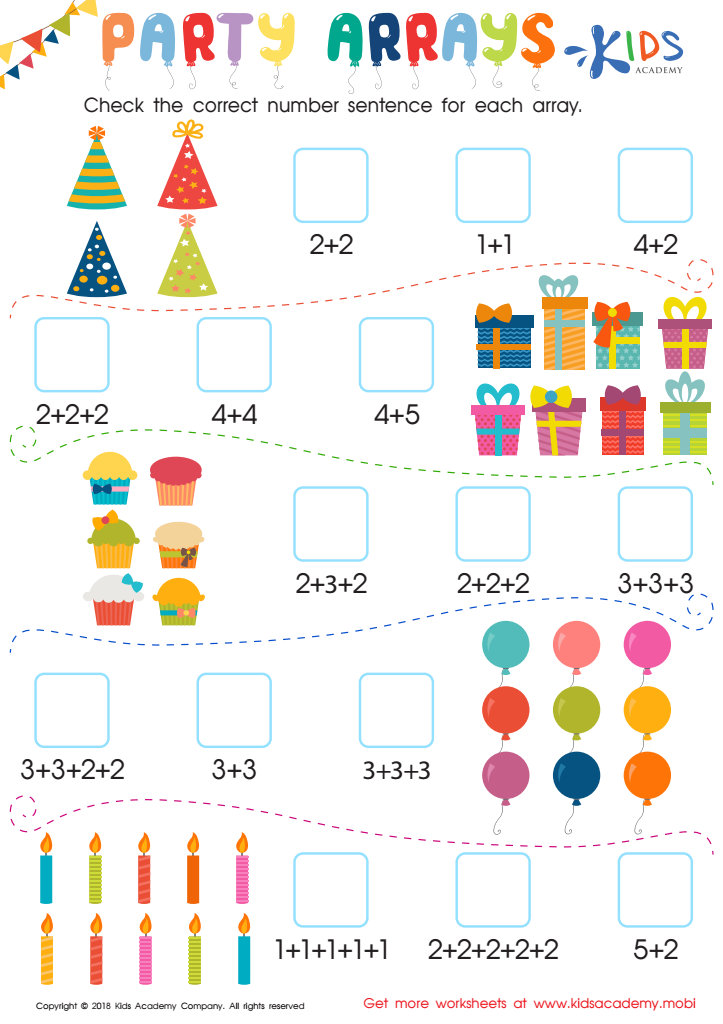
Party Arrays Worksheet
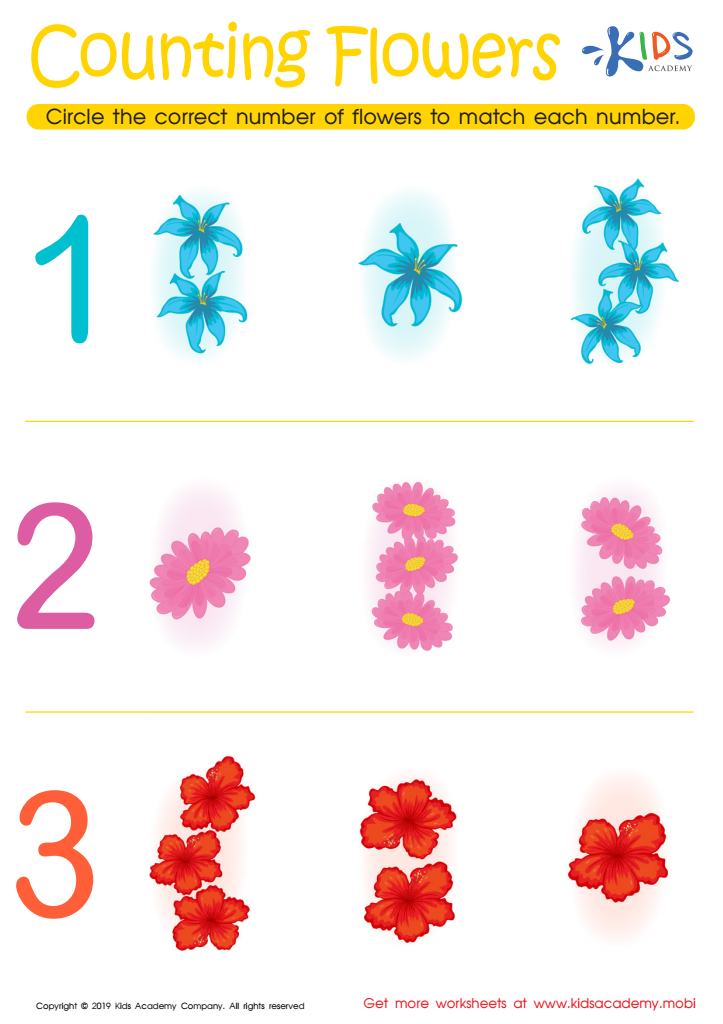
Counting Flowers Worksheet







Fine motor skills, particularly in writing, are crucial for children aged 5-7 as they are foundational to many everyday tasks. These skills involve the small muscles of the hands and fingers, helping kids perform tasks like holding a pencil, cutting, or buttoning a shirt. Strong fine motor skills contribute to a child's ability to write neatly and legibly, which is essential for effective communication in school and beyond.
Parents and teachers should care about developing these skills because they significantly impact a child's confidence and self-esteem. When children can write clearly, they feel proud of their work and are more willing to participate in class. Additionally, fine motor skills are linked to cognitive development; practicing these skills helps enhance coordination and spatial awareness, which are important for problem-solving and creativity.
Furthermore, promoting fine motor skill development early can prevent difficulties later in school. Children who struggle with these skills may find writing tasks challenging, leading to frustration and a dislike for school. Therefore, investing time in activities that promote fine motor skills—like coloring, playing with clay, or doing puzzles—can support children in their learning journey and prepare them for future academic success.








