Hand-eye Coordination Easy Worksheets for Ages 5-7 - Page 2
27 filtered results
-
From - To
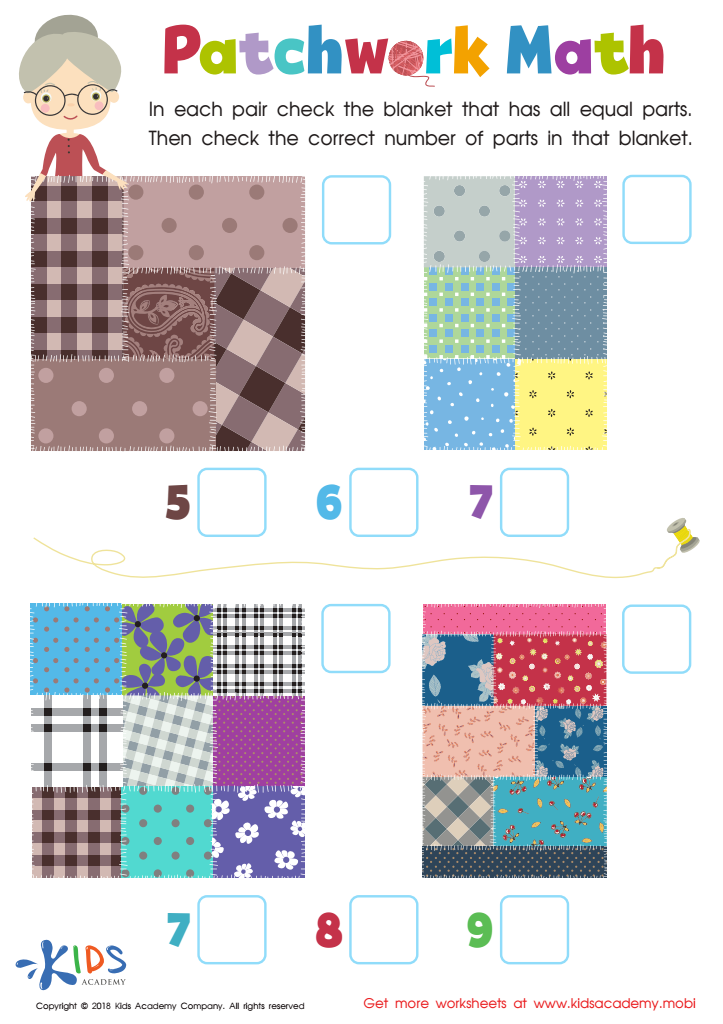
Patchwork Math Worksheet
 Assign to My Students
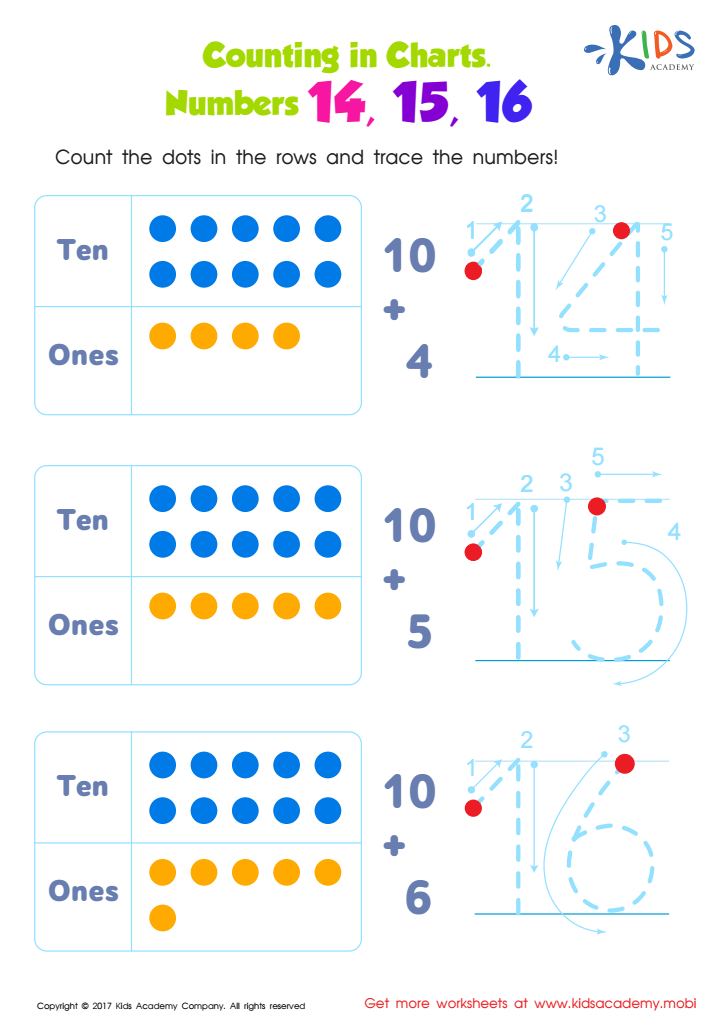
Number Tracing Worksheet
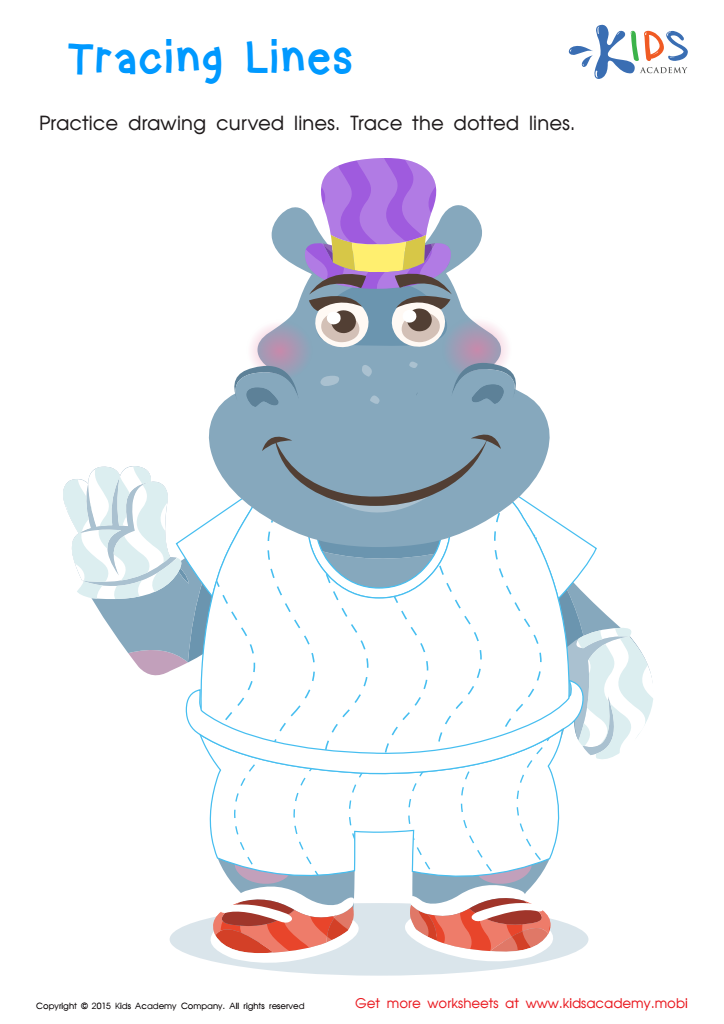
Tracing Lines Worksheet








Hand-eye coordination is a crucial skill for children aged 5-7, impacting their overall development and daily activities. At this age, children are rapidly learning and refining motor skills integral to their independence and confidence. Parents and teachers should prioritize hand-eye coordination because it plays a fundamental role in various aspects of learning and play. For example, activities such as writing, drawing, and using tools all rely on the ability to synchronize visual input with physical actions.
Strengthening hand-eye coordination also enhances athletic abilities, encouraging participation in sports and physical activities, which are vital for promoting a healthy lifestyle and social skills. Moreover, developing these skills can improve academic performance as tasks involving fine motor skills, such as cutting with scissors or assembling puzzles, require precise coordination.
In addition, fostering hand-eye coordination aids in cognitive development. Engaging in challenging yet fun activities supports problem-solving abilities and spatial awareness. By focusing on this skill, parents and teachers can provide children with a strong foundation for lifelong learning and personal growth. Encouraging practices like games, arts and crafts, and simple sports can make hand-eye coordination development enjoyable and effective. Overall, hand-eye coordination is essential for a child's growth and a key focus for educators and parents alike.








