Shape identification Easy Worksheets for Ages 5-7
6 filtered results
-
From - To
Discover our Shape Identification Easy Worksheets for Ages 5-7, designed to engage young minds in a fun and educational way! These worksheets provide an excellent foundation for geometric learning, helping children to recognize and differentiate between basic shapes such as circles, squares, and triangles. With vibrant illustrations and playful activities, kids will enjoy practicing essential skills such as identifying, tracing, and drawing shapes. Ideal for both classroom and home use, these worksheets promote fine motor skills and spatial awareness. Start your shape-learning adventure today and watch your child’s confidence and proficiency grow! Download now from Kids Academy.
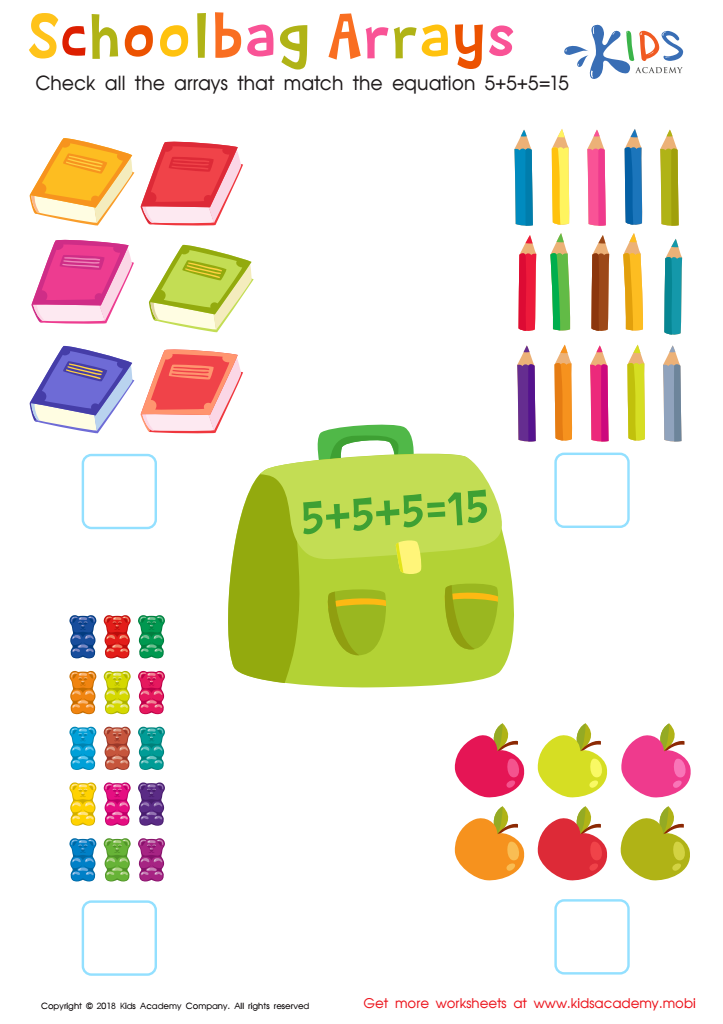
Schoolbag Arrays Worksheet
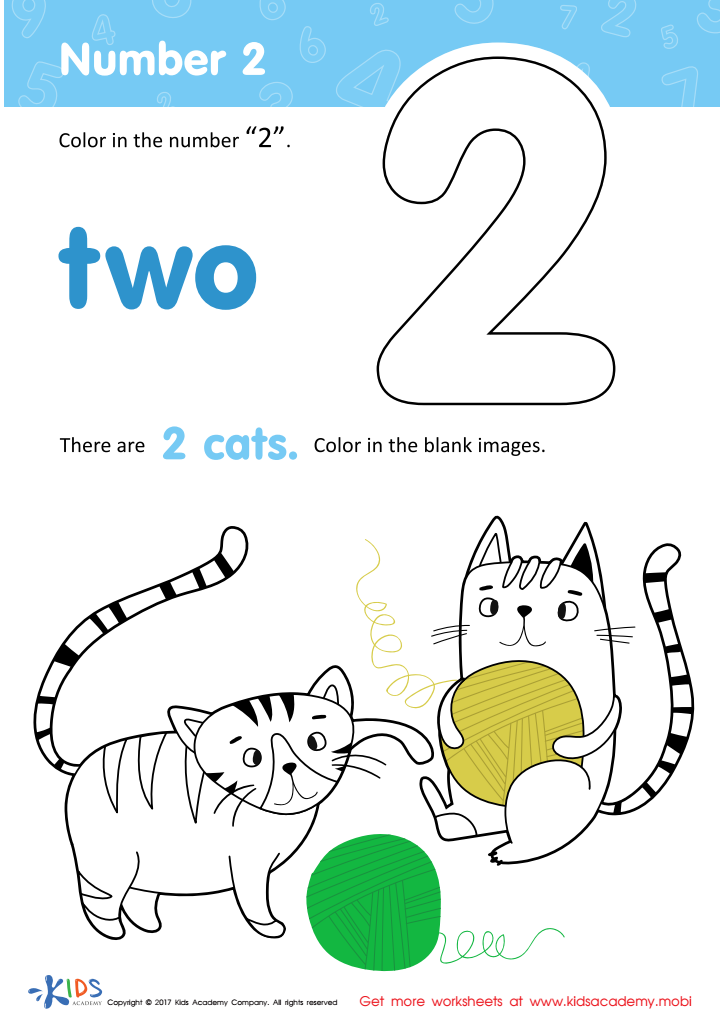
Number 2 Printable
 Assign to My Students
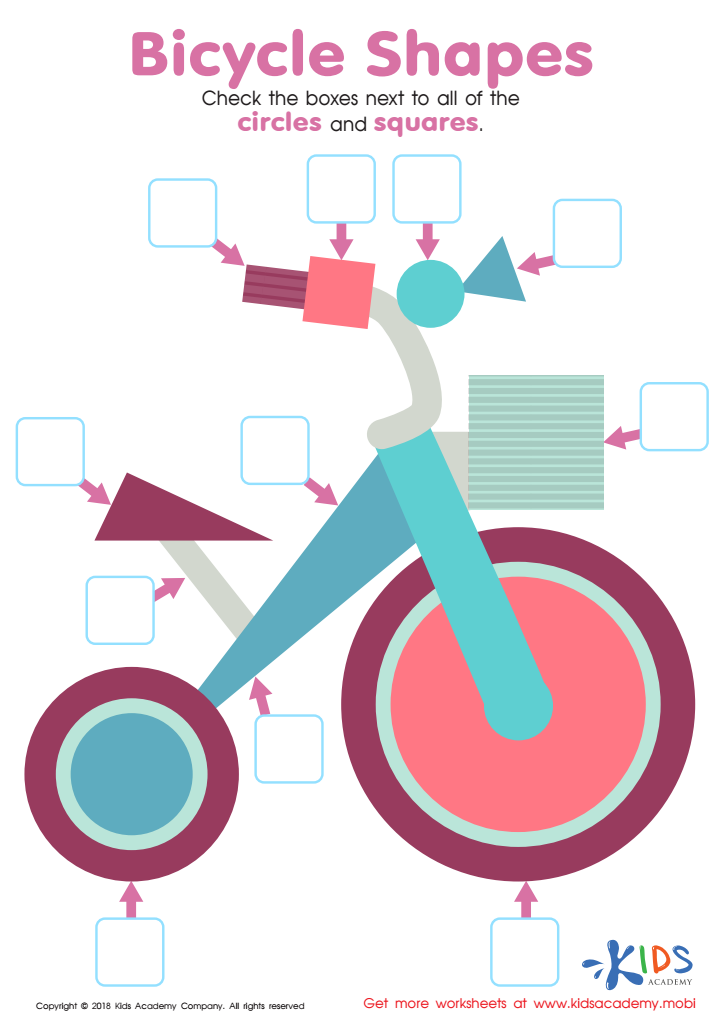
Bicycle Shapes Worksheet
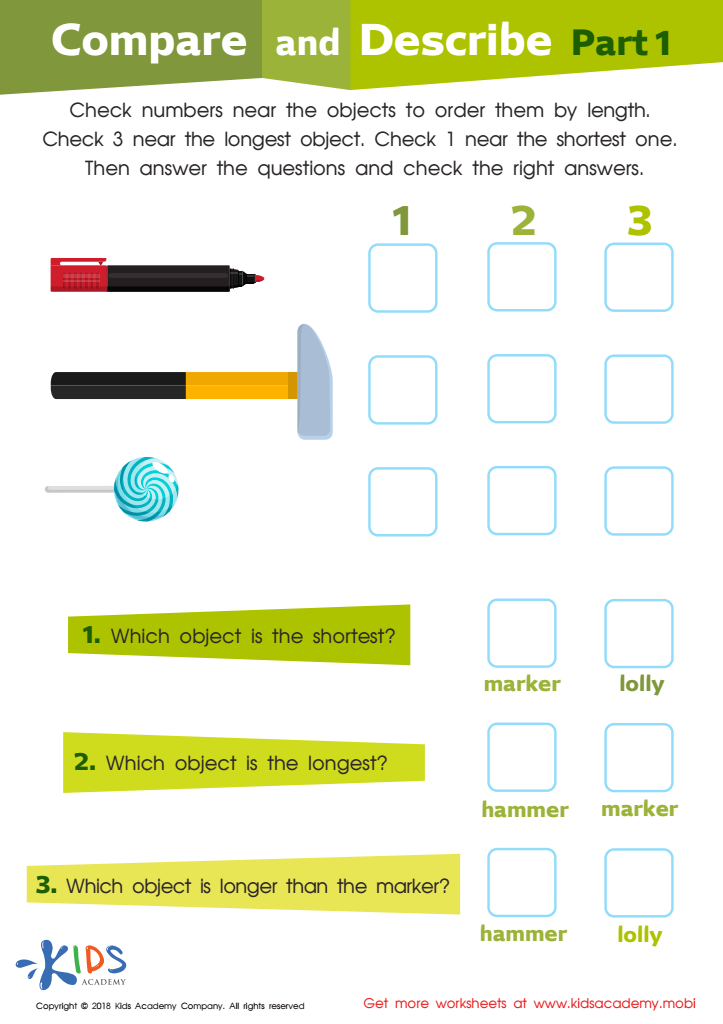
Compare and Describe: Part 1 Worksheet
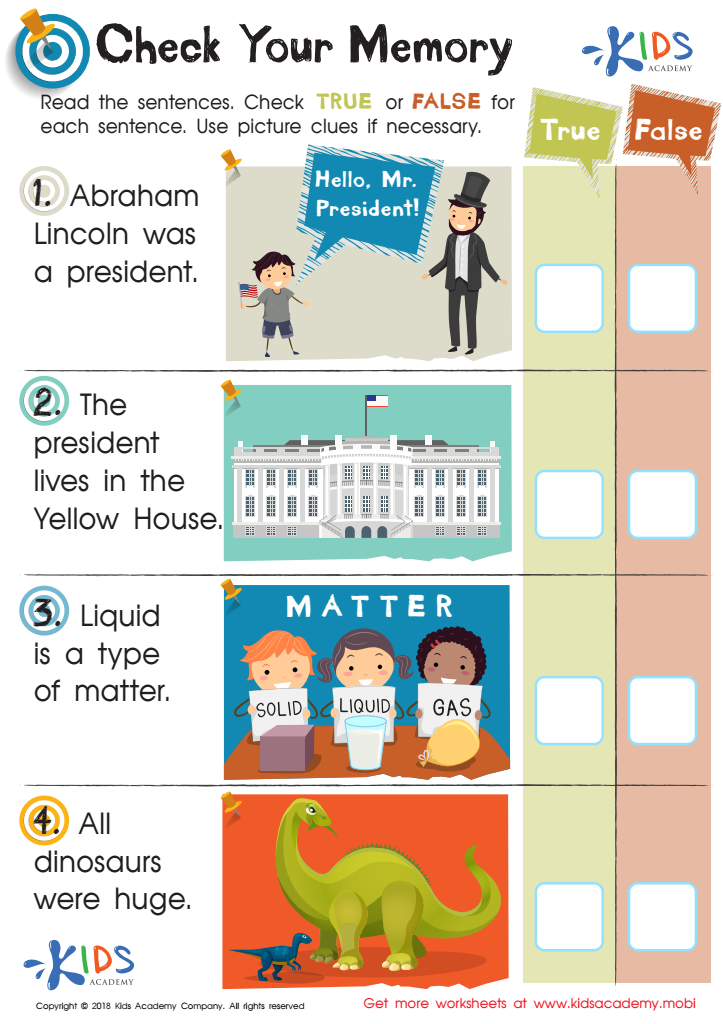
Check Memory Worksheet








Developing shape identification skills in children aged 5-7 is crucial for many reasons. Shapes are fundamental to understanding and navigating the world and provide a foundation for more complex mathematical concepts. When young children learn to identify and differentiate between shapes, they are building the basis for geometry, spatial awareness, and problem-solving skills.
Shape recognition is also linked to literacy. Letters and numbers, for instance, are shapes that must be correctly identified and distinguished. By recognizing shapes, children can learn to read and write more effectively. Additionally, shape identification supports cognitive development by encouraging children to notice and categorize similarities and differences in the objects around them.
From an early age, engaging with shapes fosters fine motor skills and drawing abilities. Activities like tracing shapes, cutting out patterns, or constructing with blocks help refine hand-eye coordination and dexterity, essential for many everyday tasks.
Moreover, identifying shapes in everyday environments builds observational and analytical skills. Children become more inquisitive and confident in interacting with their surroundings, leading to a more enriching learning experience.
In sum, teaching young children to identify shapes nurtures essential academic and life skills. Both parents and teachers benefit from investing time in these foundational activities, as they lay the groundwork for future educational success and overall cognitive growth.








