Problem-Solving Skills Easy Numbers Worksheets for Ages 5-7
13 filtered results
-
From - To
Engage your young learners with our "Problem-Solving Skills Easy Numbers Worksheets for Ages 5-7." These fun and interactive printables from Kids Academy are designed to develop key problem-solving abilities in young children. Perfectly tailored for ages 5-7, each worksheet supplies robust opportunities for real-world math practice, enhancing critical thinking and number familiarity. Featuring colorful graphics and age-appropriate scenarios, kids will be enthralled while mastering foundational math concepts. Our worksheets foster confidence and essential skills for young minds to solve everyday numerical challenges, setting a strong groundwork for future academic success. Ideal for both classroom and home use!
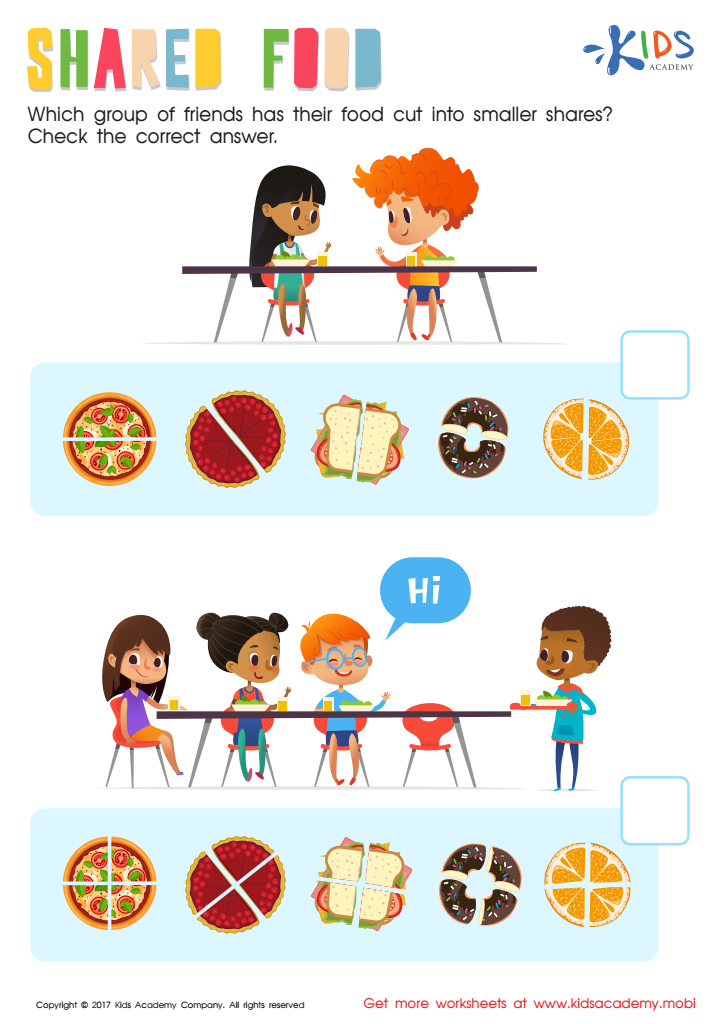
Shared Food Worksheet
 Assign to My Students
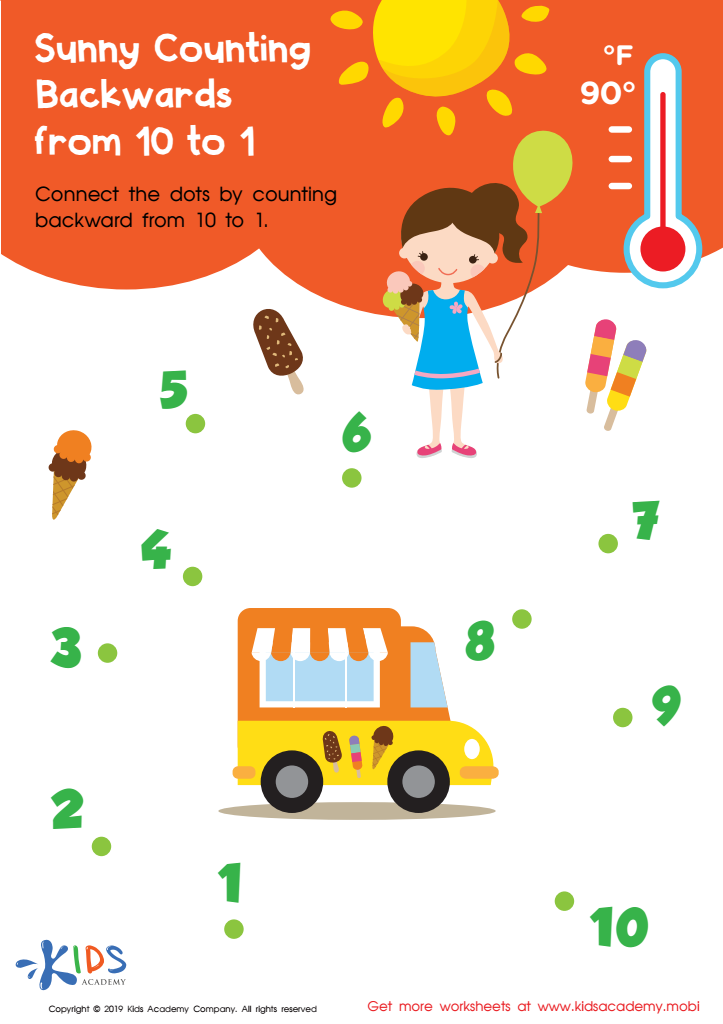
Sunny Counting Backwards from 10 to 1 Worksheet
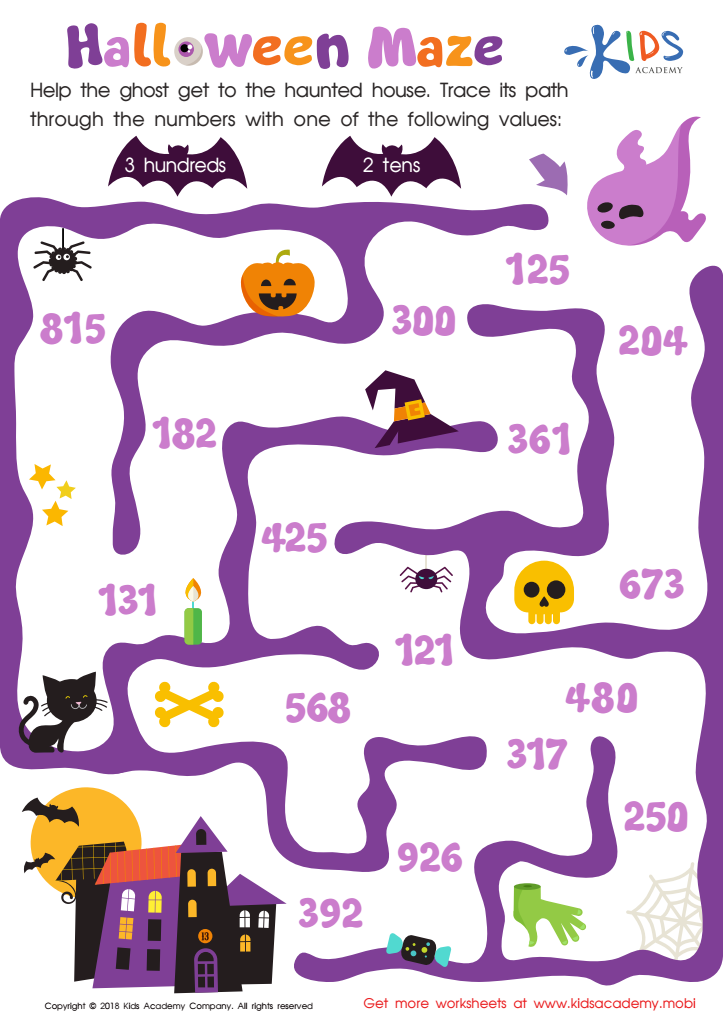
Place Value: Halloween Maze Worksheet
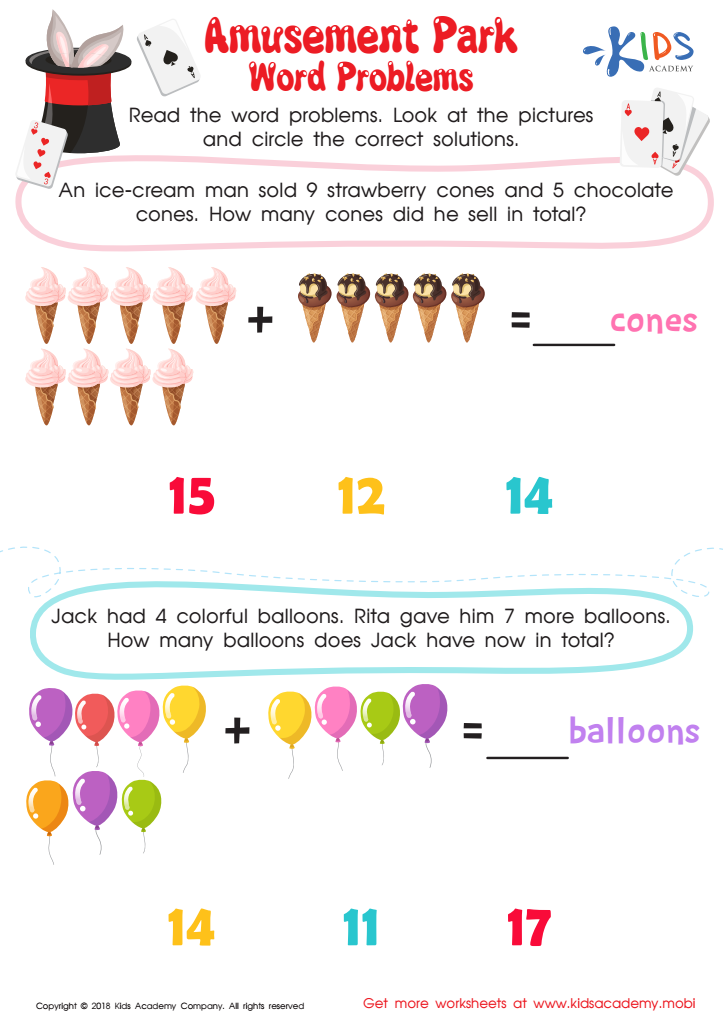
Amusement Park Word Problems Worksheet
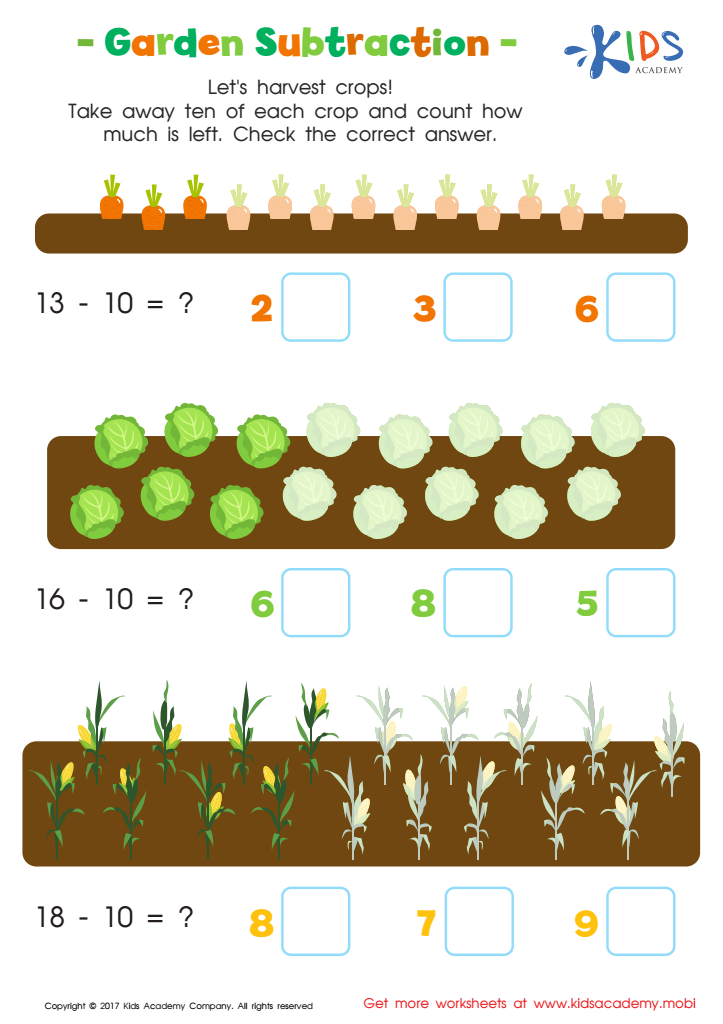
Garden Subtraction Worksheet
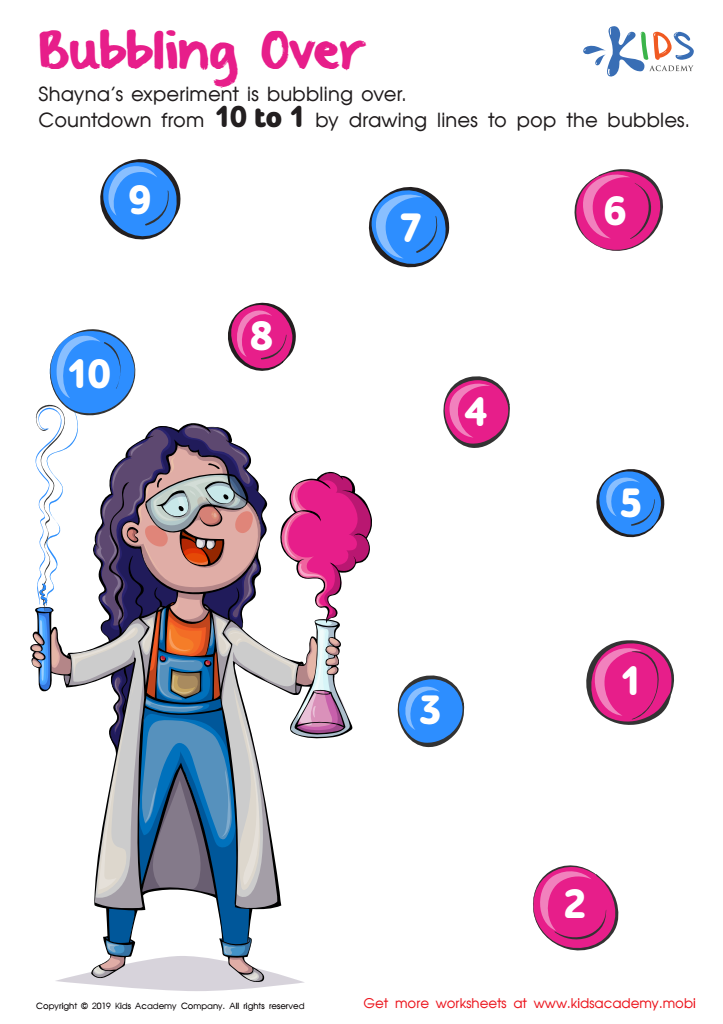
Bubbling Over Worksheet
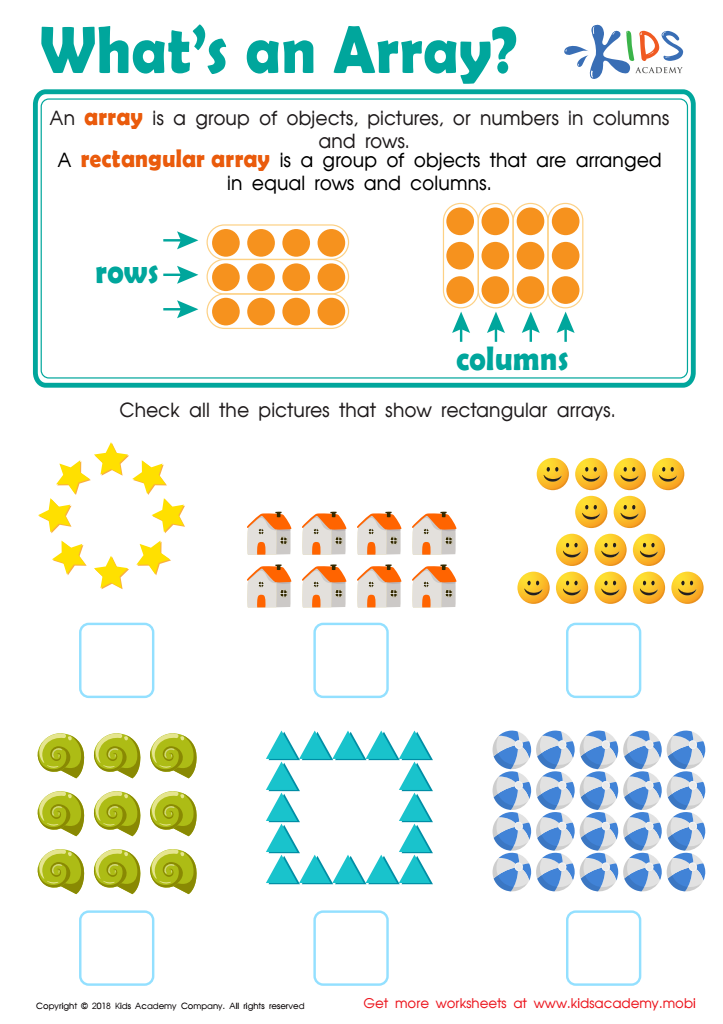
What's an Array? Worksheet
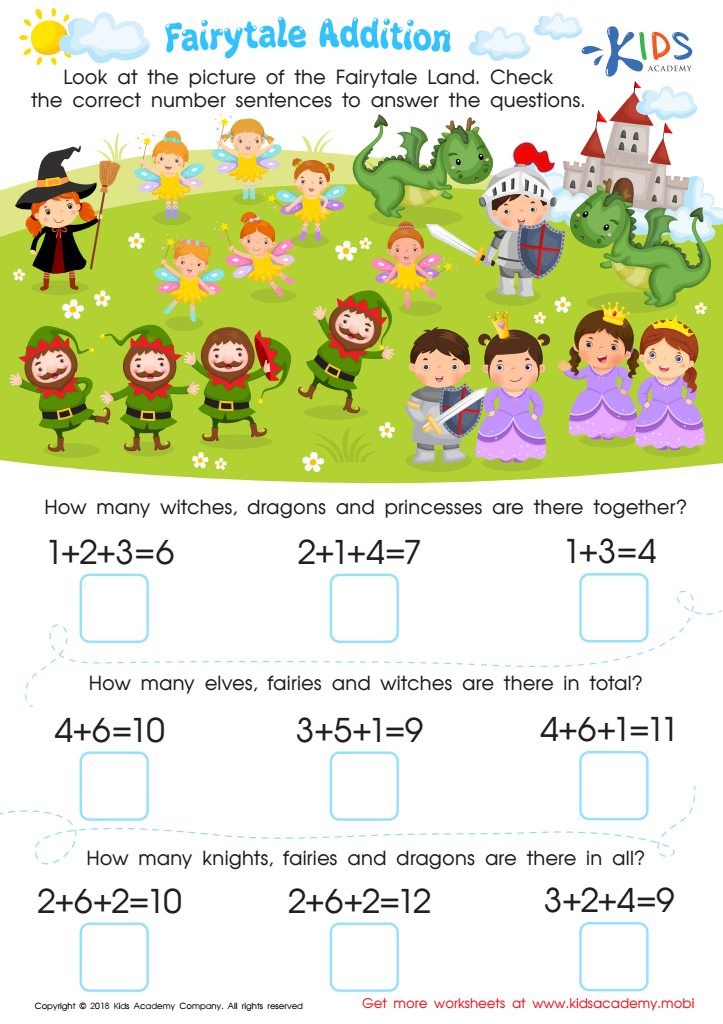
Fairytale Addition Worksheet
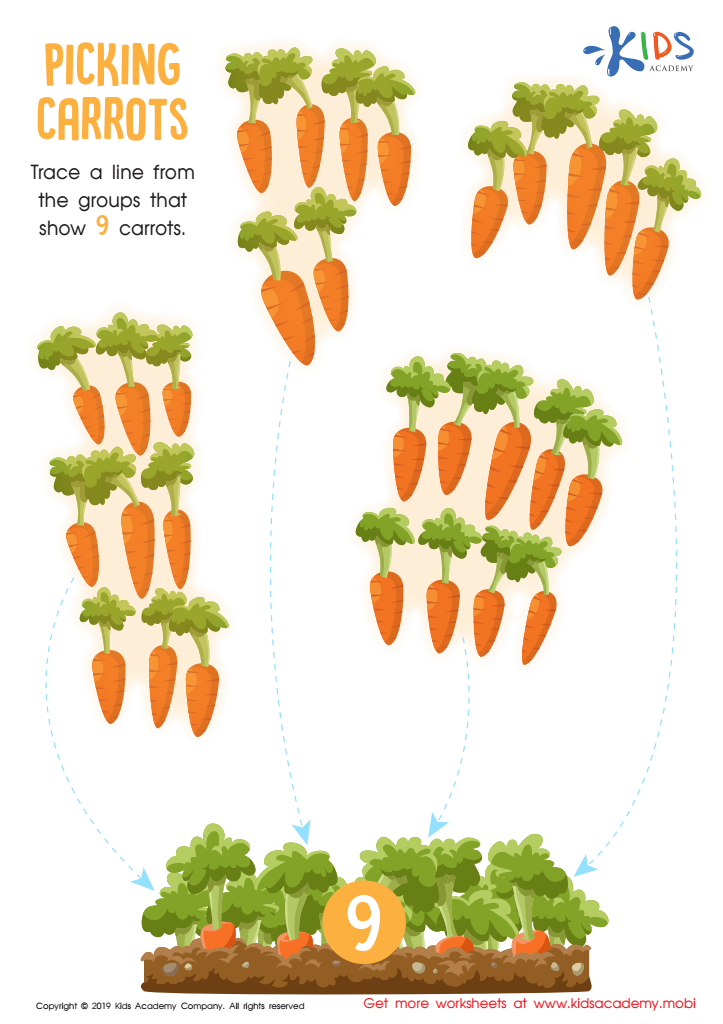
Picking Carrots Worksheet
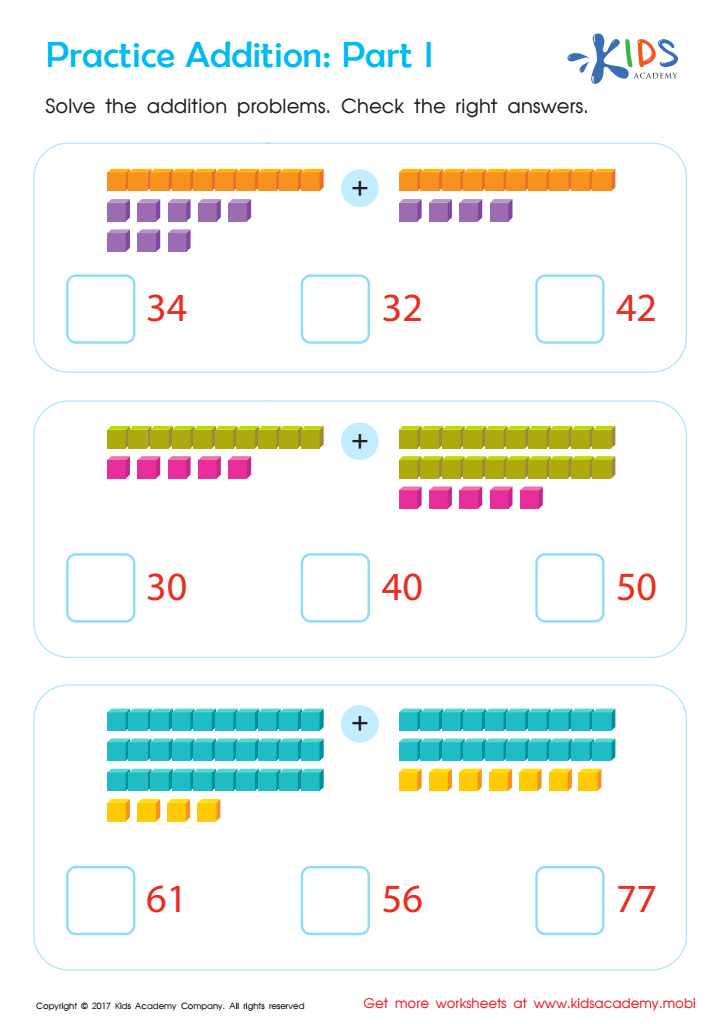
Practice Addition: Part 1 Worksheet
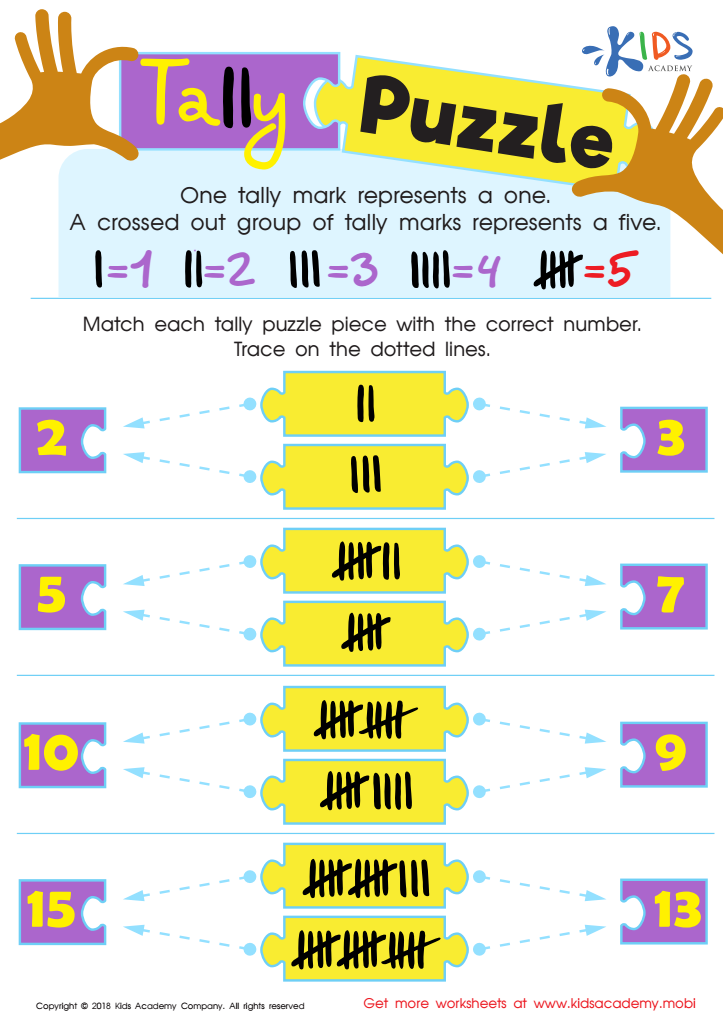
Tally Puzzle Worksheet

Haystack Steps Worksheet

Enrichment: Firefighter Ladders Worksheet








Problem-solving skills in young children, aged 5-7, serve as foundational blocks for their cognitive and social development. At this stage, children are highly impressionable and their brains are exceptionally receptive to learning new concepts. By introducing problem-solving activities with easy numbers, we can significantly enhance their mathematical thinking, critical reasoning, and ability to think independently.
For parents, focusing on these skills means equipping children with abilities that stretch beyond arithmetic; it aids them in making reasoned decisions, understanding cause and effect, and persisting through challenges. It teaches resilience and fosters a growth mindset – qualities essential not just academically but also in day-to-day situations.
For teachers, prioritizing problem-solving with easy numbers ensures that students grasp basic math concepts early on, building a strong foundation for more complex mathematical operations in the future. It creates a conducive learning environment where children feel confident and engaged. Such confidence in tackling math problems can lead to improved performance across other subjects as well.
Overall, supporting the development of problem-solving skills with easy numbers in children 5-7 prepares them for academic success and equips them with life skills essential for future challenges, making it a crucial priority for both parents and educators.








