Story sequencing Easy Reading Comprehension Worksheets for Ages 5-7
3 filtered results
-
From - To
Introducing our Story Sequencing Easy Reading Comprehension Worksheets for Ages 5-7, designed to ignite your child's imagination and enhance their reading skills! Perfect for young learners, these worksheets help children grasp the concept of sequence by arranging story events in the correct order. Through engaging and age-appropriate texts, kids will develop crucial comprehension abilities while having fun. Our worksheets support cognitive development, promote logical thinking, and strengthen memory retention. Ideal for classrooms or at-home practice, these resources are great tools for building a solid reading foundation. Make reading a pleasurable journey with our expert-crafted story sequencing worksheets!
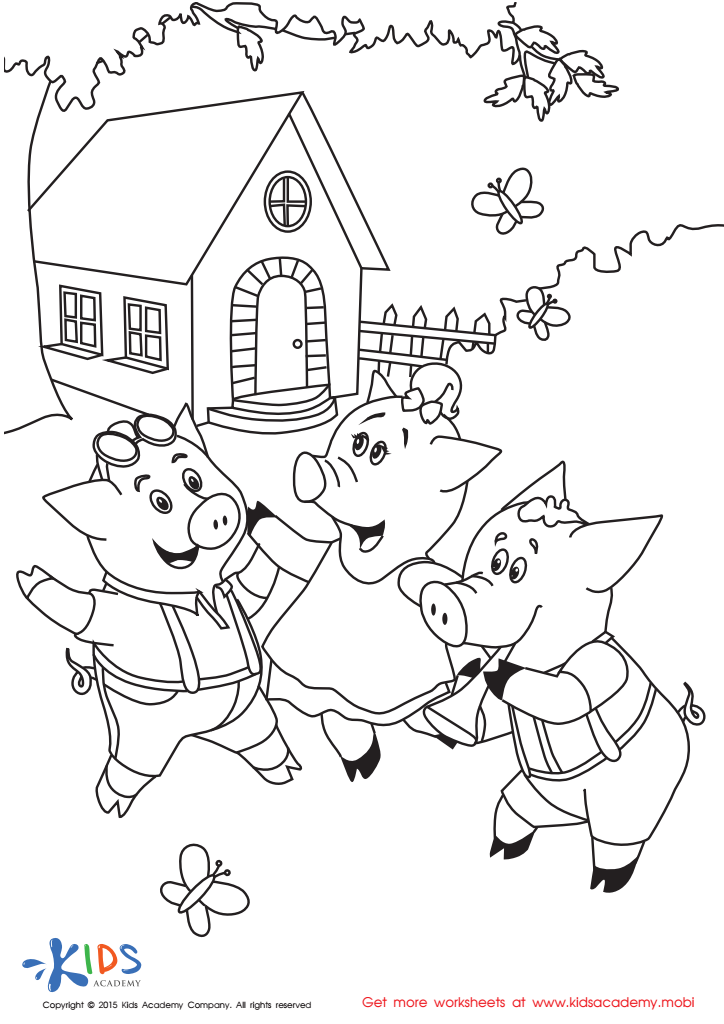
Folktales Printable PDF Worksheet: The 3 Little Pigs
 Assign to My Students
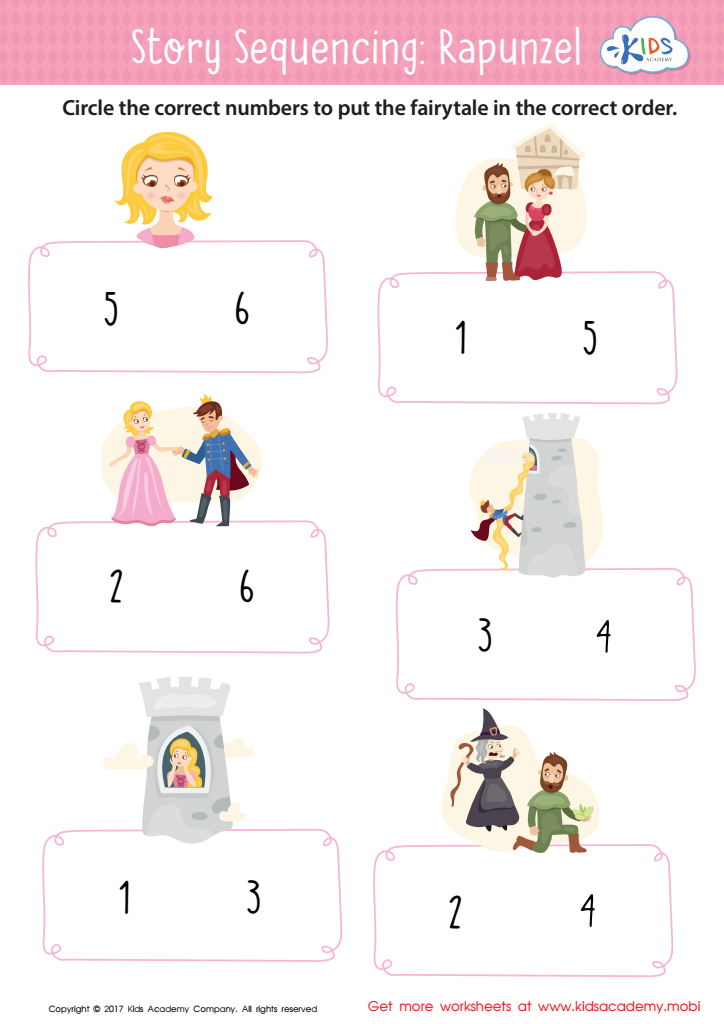
Rapunzel Story Sequencing Worksheet
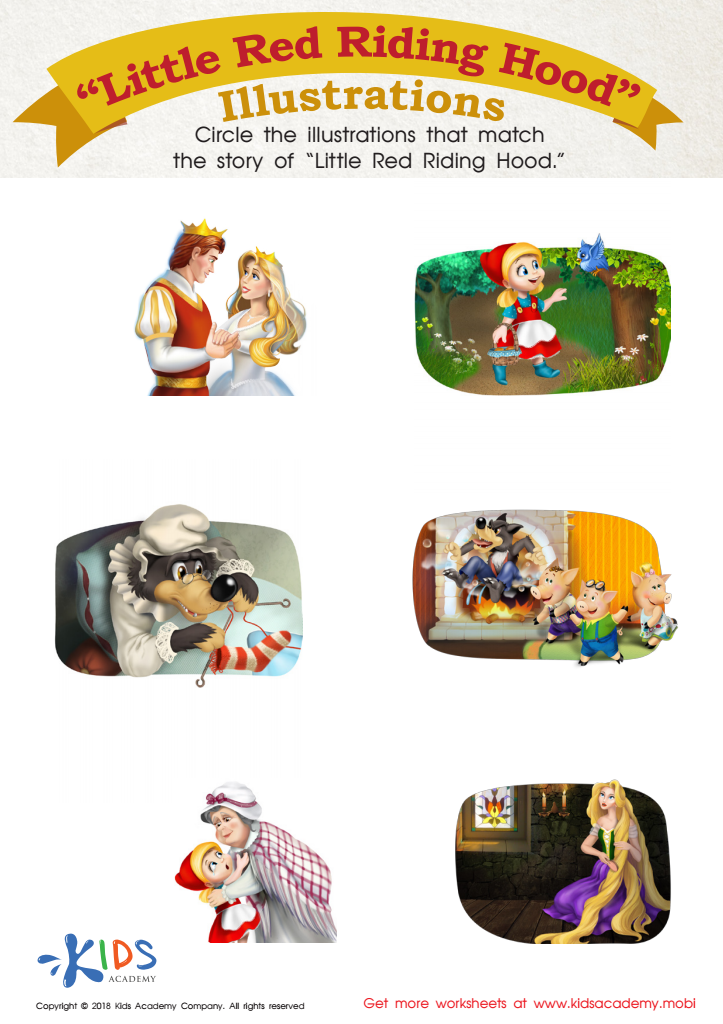
Little Red Riding Hood: Illustrations Worksheet








Story sequencing is an essential part of early reading comprehension for children ages 5-7, and both parents and teachers have a significant role in facilitating this learning process. It helps young learners to understand the natural order of events, which is crucial for grasping narratives in stories. By focusing on sequencing, children enhance their ability to recognise patterns, anticipate outcomes, and make informed predictions. This foundation in story telling not only boosts reading comprehension but also strengthens cognitive abilities like memory and logical thinking.
When children learn to sequence stories correctly, they develop stronger linguistic skills. They become adept at using transition words like "first," "next," and "finally," which are fundamental for structuring both spoken and written communication. Mastering these skills early on aids in academic success across various subjects that involve reading, following instructions, and recounting information.
Moreover, engaging in story sequencing activities nurtures creativity and imagination. When children rearrange story elements or create their own sequences, they explore their creative potential and deepen their engagement with the content. Encouraging these practices fosters a lifelong love for reading and stories.
In essence, both parents and teachers play pivotal roles in nurturing these skills, thereby equipping children with crucial tools for future learning and overall cognitive development. Their involvement bridges classroom knowledge with real-world application, ensuring an enriching, comprehensive learning experience.