Creativity development Easy Worksheets for Ages 5-8
3 filtered results
-
From - To
Unlock your child's imagination with our "Creativity Development Easy Worksheets for Ages 5-8." Designed to inspire young minds, these worksheets offer engaging activities that encourage creative thinking and problem-solving. Through fun and interactive tasks, children will explore new ideas, develop artistic skills, and build confidence in their creativity. Perfect for both home and classroom settings, our easy-to-use worksheets provide a blend of drawing, storytelling, and hands-on projects tailored to captivate and educate. Foster your child’s artistic potential and watch them thrive as they discover the joy of creative expression with Kids Academy’s innovative resources.
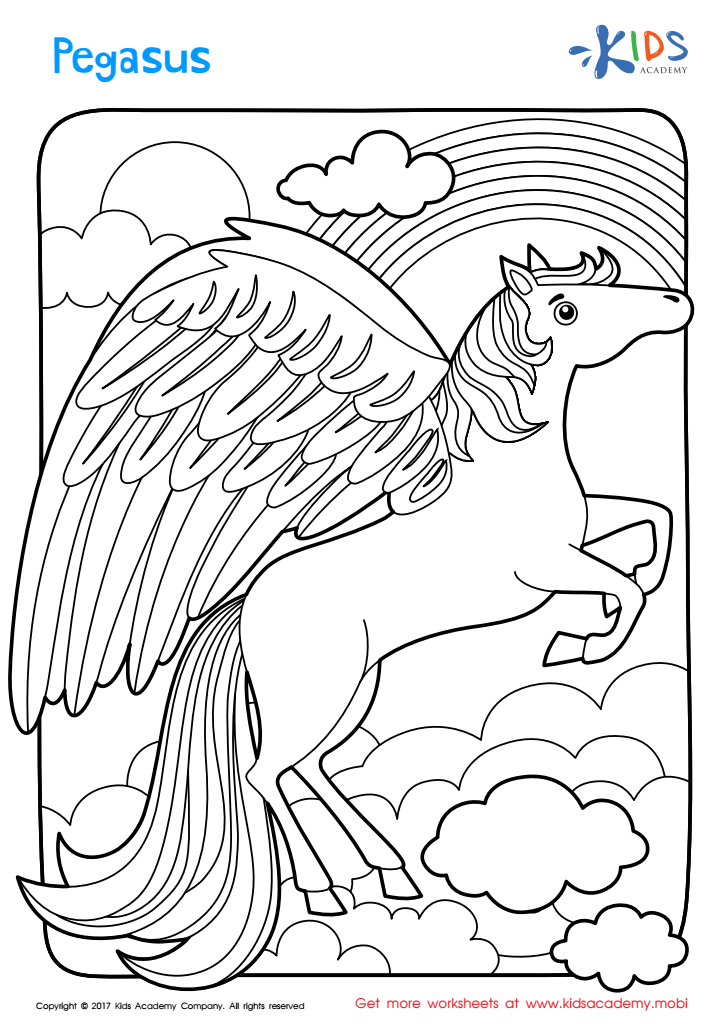
Pegasus Printable
 Assign to My Students
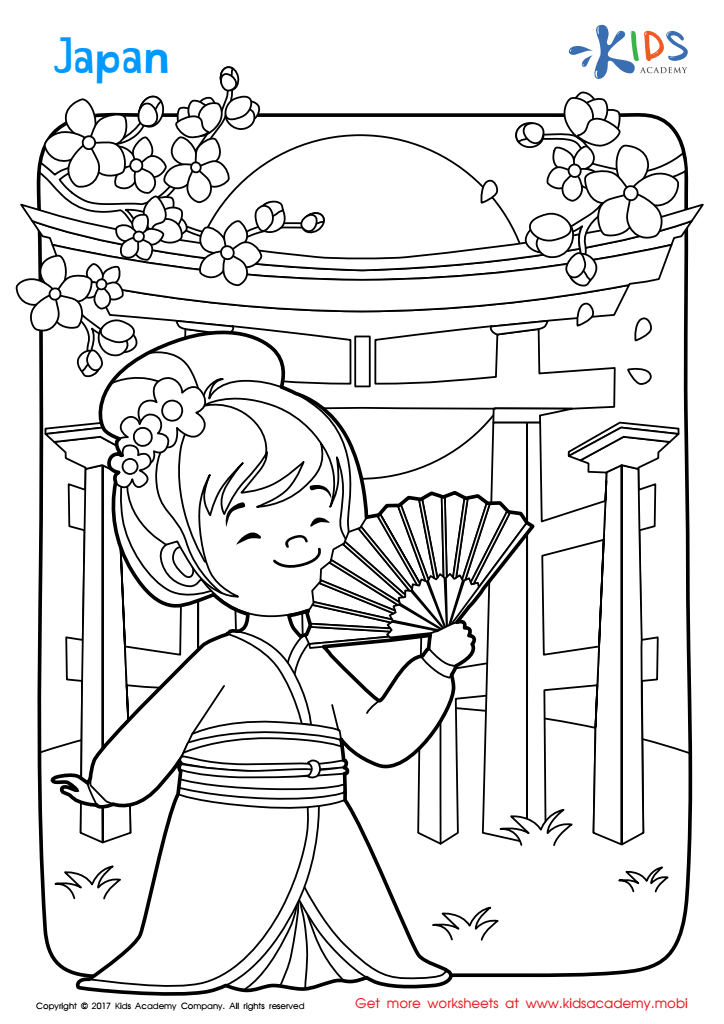
Japan Printable
Assign to My Students
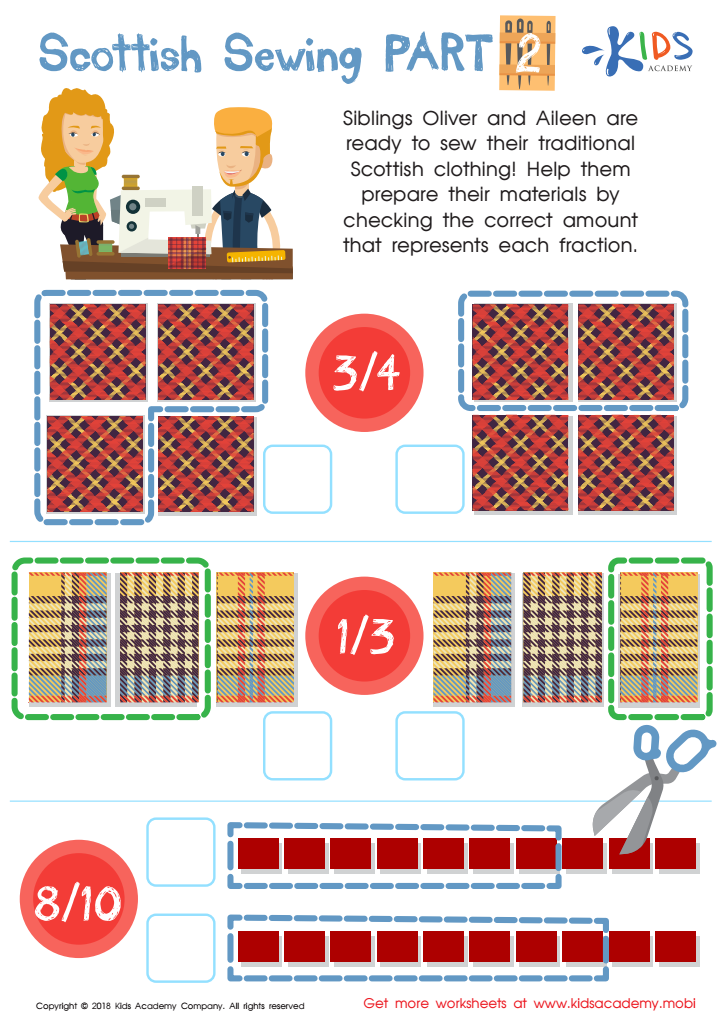
Scottish Sewing Part 2 Worksheet







Creativity development in children aged 5-8 holds paramount importance for both parents and teachers because it plays a crucial role in holistic development. During these formative years, the foundation for critical thinking, problem-solving, and emotional expression is laid. Encouraging creativity fosters imagination, enabling children to view the world with curiosity and innovation. This psychological flexibility becomes invaluable in real-life situations, where unconventional thinking can lead to original solutions.
Moreover, creative activities like drawing, storytelling, and role-playing enhance fine motor skills and improve cognitive functions such as memory and attention. Creativity also bolsters emotional intelligence, providing children a safe avenue to express their feelings and experiences. This emotional outlet often results in better mental health and resilience.
In educational settings, a creative approach makes learning more engaging and effective. Children who regularly practice creativity tend to perform better academically as they develop the ability to connect disparate ideas and concepts. For parents and teachers, fostering a creative environment cultivates an atmosphere of joy and inquisitiveness, leading to more motivated and confident learners.
Therefore, prioritizing creativity is not just about the arts—it's fundamentally tied to personal growth, academic success, and emotional well-being, making it essential for any balanced early childhood education program.








