Enhancing observation skills Easy Worksheets for Ages 5-8
6 filtered results
-
From - To
Discover our "Enhancing Observation Skills" worksheets designed for children aged 5-8! These engaging and easy-to-use resources foster critical thinking and awareness through various fun activities. Perfect for early learners, our worksheets include visual discrimination games, picture comparison tasks, and memory challenges that sharpen observation skills while keeping learning enjoyable. Each worksheet encourages creativity and exploration, helping young minds develop the ability to notice details and make connections. Whether at home or in the classroom, our printable worksheets support cognitive growth and foundational skills essential for future learning. Start enhancing observational skills today with our interactive and colorful resources!
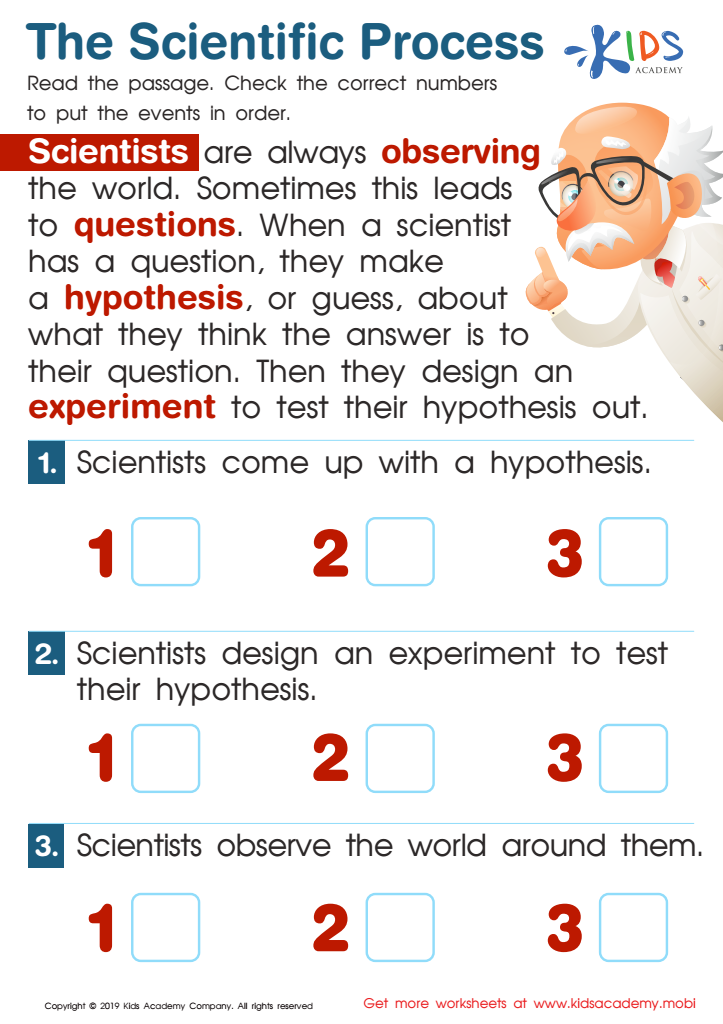
The Scientific Process Worksheet
 Assign to My Students
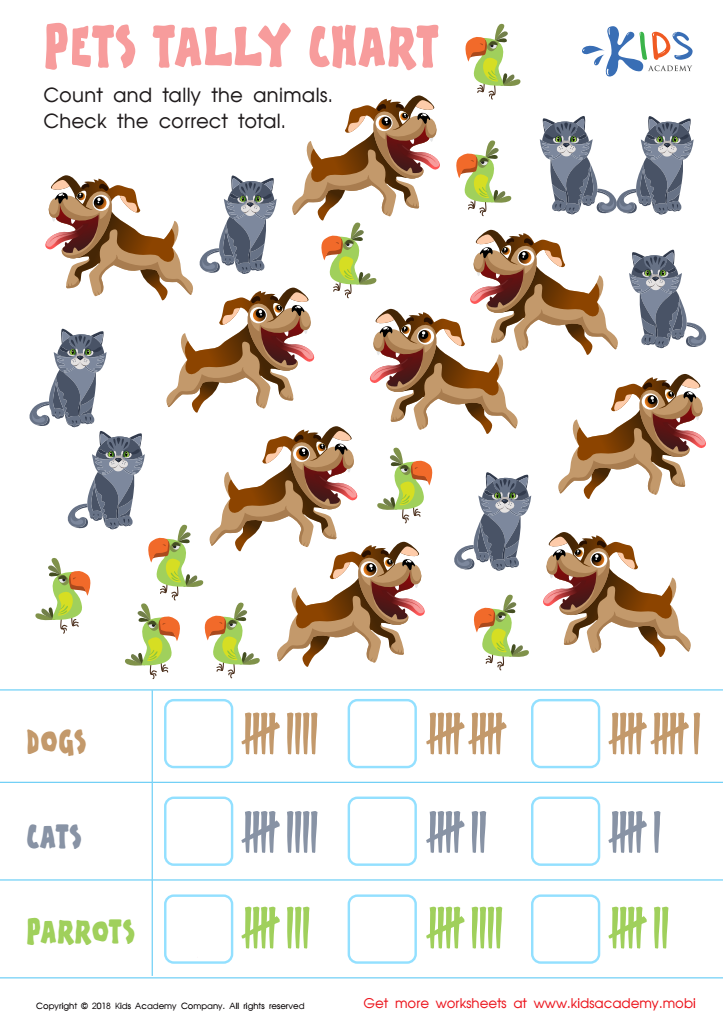
Pets Tally Chart Worksheet
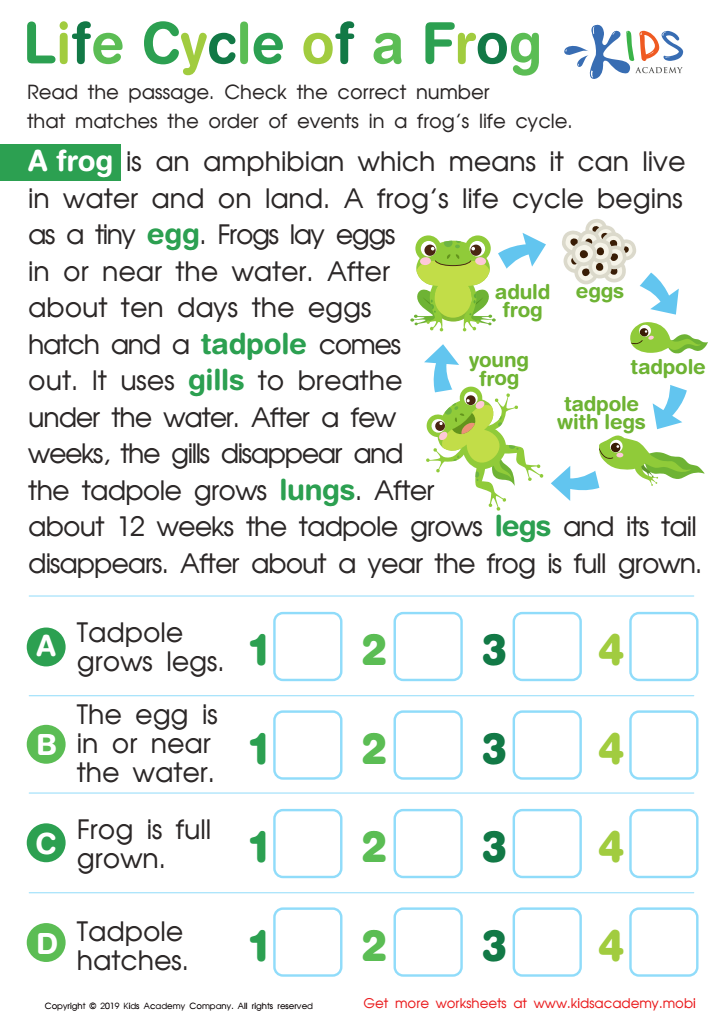
Life Cycle of a Frog Worksheet
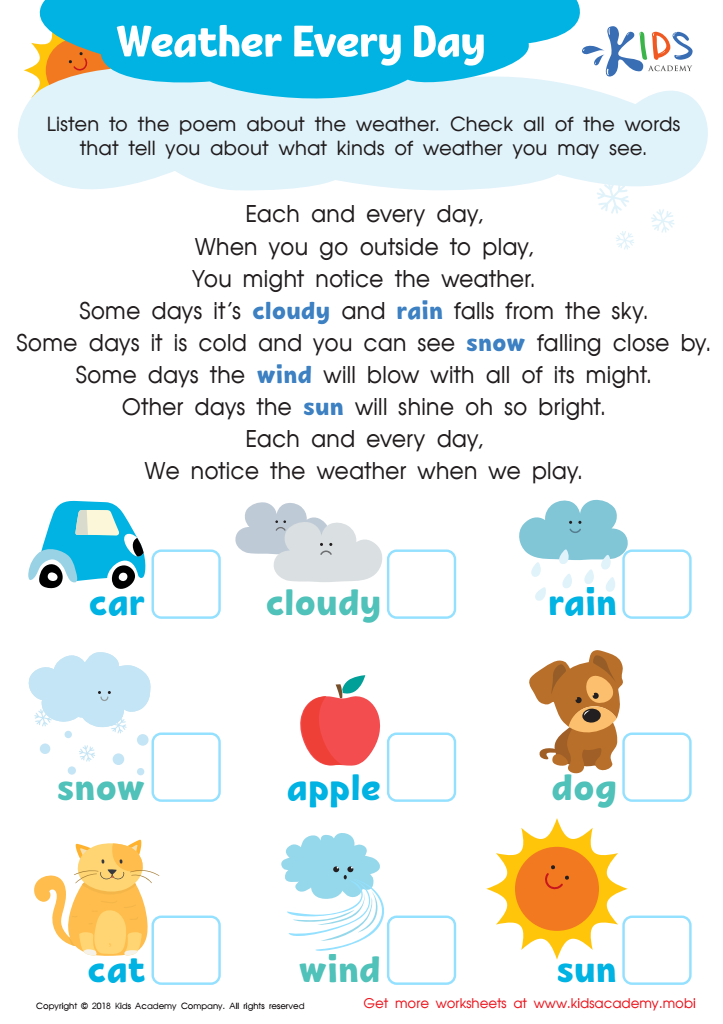
Weather Every Day Worksheet
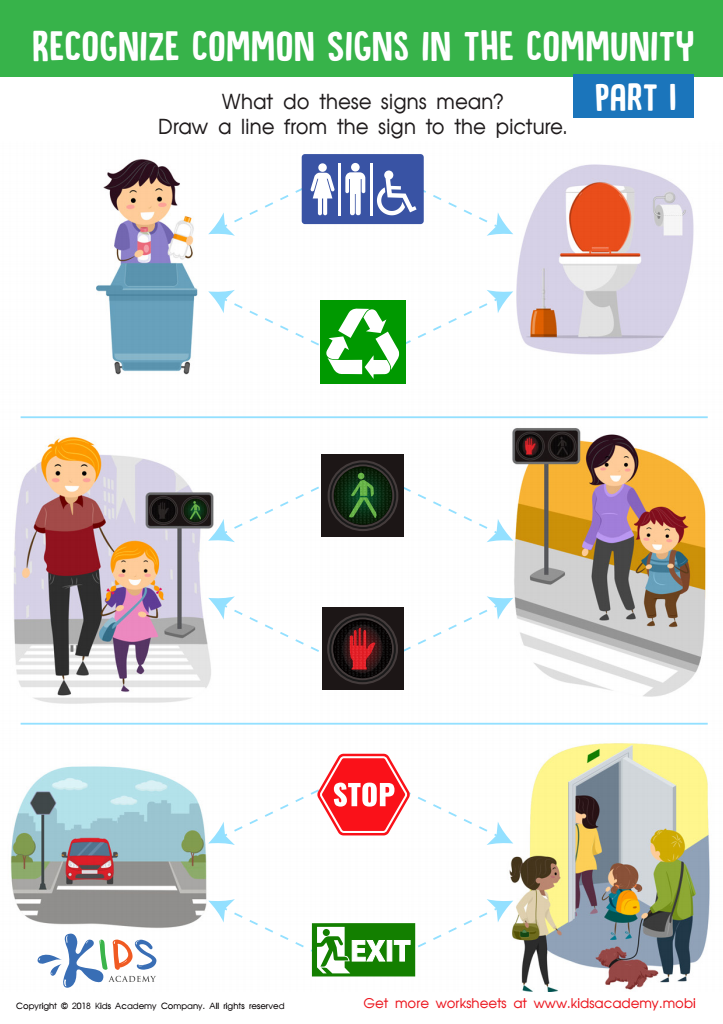
Recognize Common Signs: Part 1 Worksheet
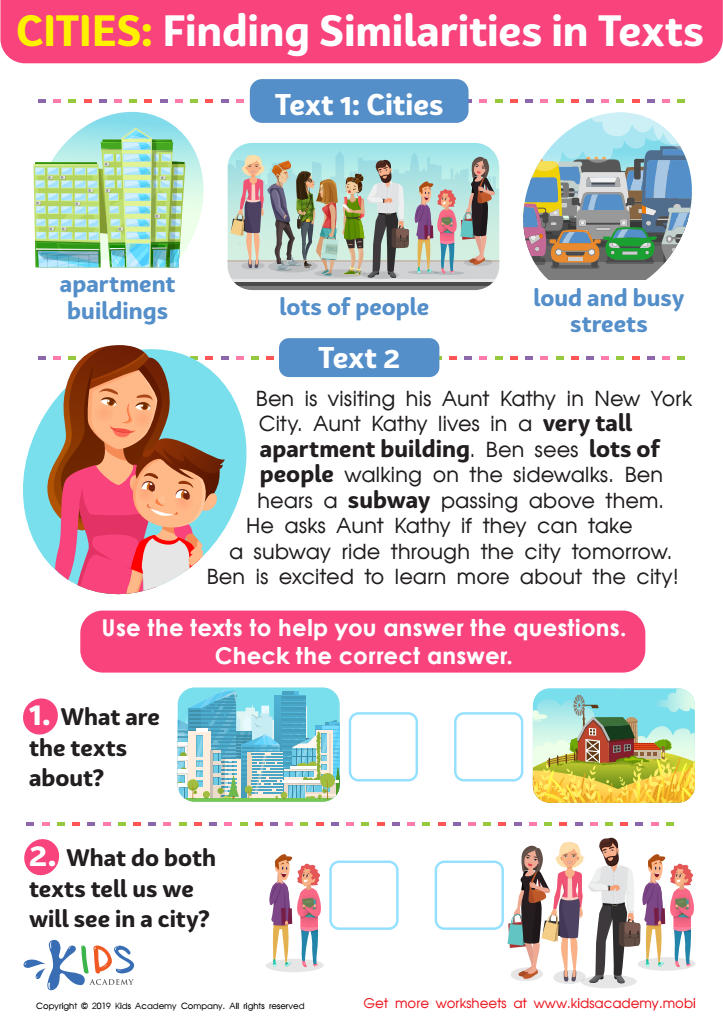
Cities: Finding Similarities Worksheet


.jpg)

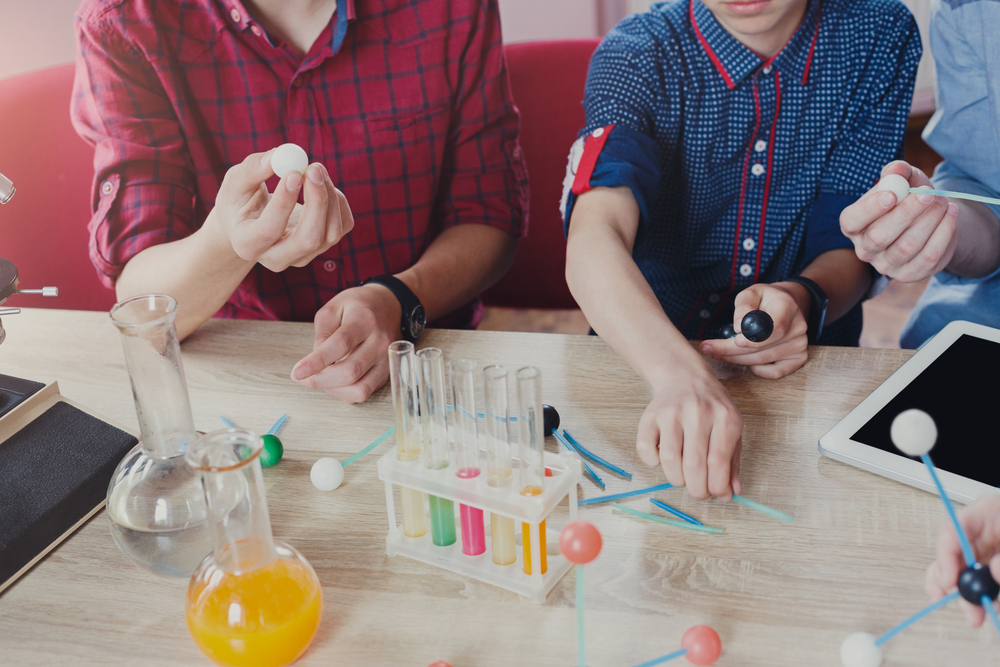
Enhancing observation skills in children aged 5-8 is crucial for their overall development and learning process. During these formative years, kids are naturally curious, and honing their observational skills helps them make sense of the world around them. Observational skills allow children to engage more deeply with their environment, enabling them to notice details, patterns, and changes that they may have otherwise overlooked. This skill set is foundational for critical thinking, problem-solving, and even creativity.
When parents and teachers emphasize observation, they cultivate an atmosphere of active learning. Children who observe closely are more likely to ask questions and seek answers, fostering a love for exploration and discovery. Additionally, enhanced observational skills aid in developing language and communication abilities as children learn to articulate their thoughts and experiences better.
Furthermore, strong observational skills are particularly important for social interactions. Children learn to read non-verbal cues and understand emotions by closely observing their peers, which is essential for building empathy and relationships. In essence, by prioritizing observation skills, parents and teachers equip children with essential tools that lay the groundwork for successful academic and social experiences in the future.








