Mathematical reasoning Easy Worksheets for Ages 5-8
4 filtered results
-
From - To
Discover a collection of engaging mathematical reasoning worksheets designed specifically for children aged 5-8! Our easy-to-use worksheets promote foundational skills that encourage logical thinking and problem-solving. Packed with fun activities, these resources help young learners practice concepts such as number patterns, basic addition and subtraction, and shape recognition. Ideal for teachers and parents alike, these printable worksheets are perfect for enhancing classroom learning or supporting at-home education. Foster your child's confidence and passion for math with our thoughtfully crafted materials, designed to make learning enjoyable and effective! Start exploring our worksheets today and watch your child's mathematical skills thrive!
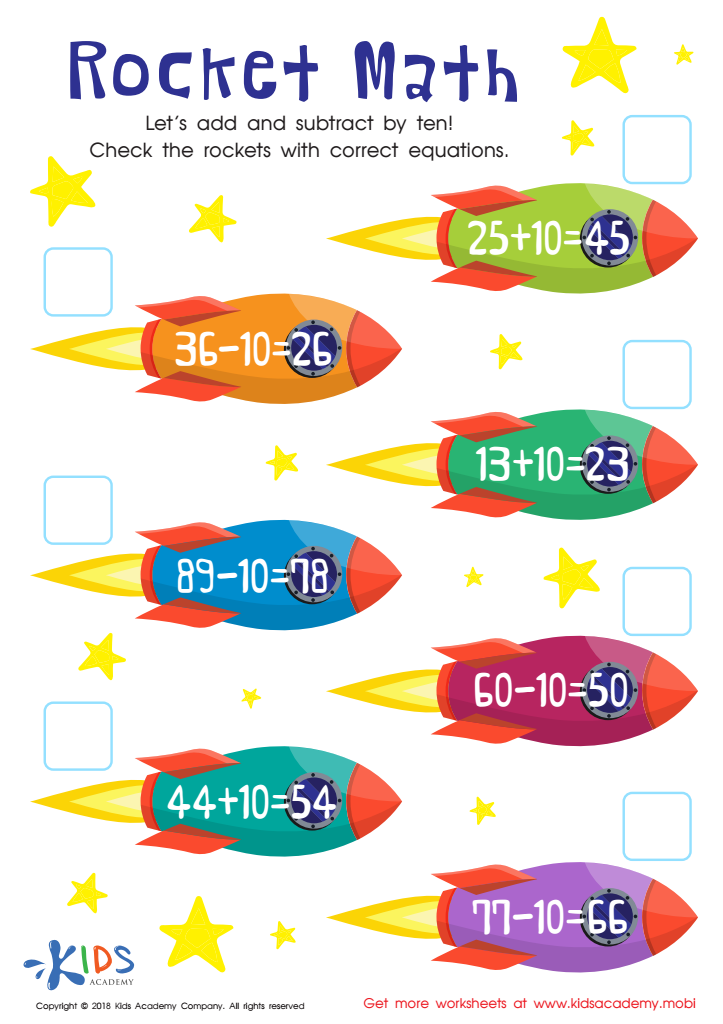
Rocket Math Worksheet
 Assign to My Students
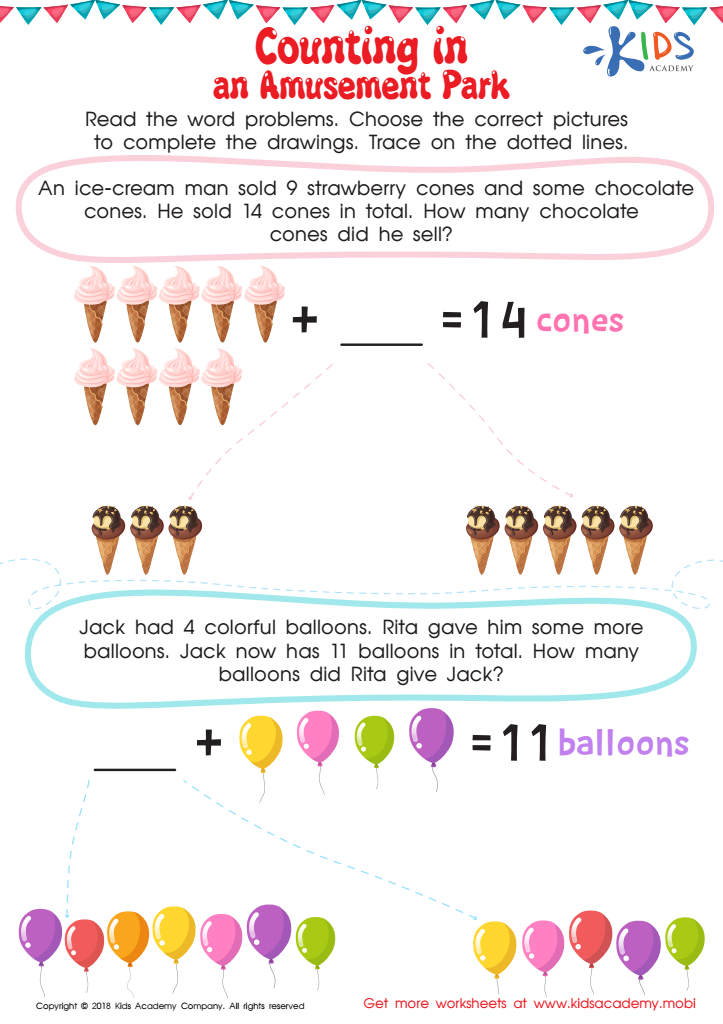
Counting in an Amusement Park Worksheet
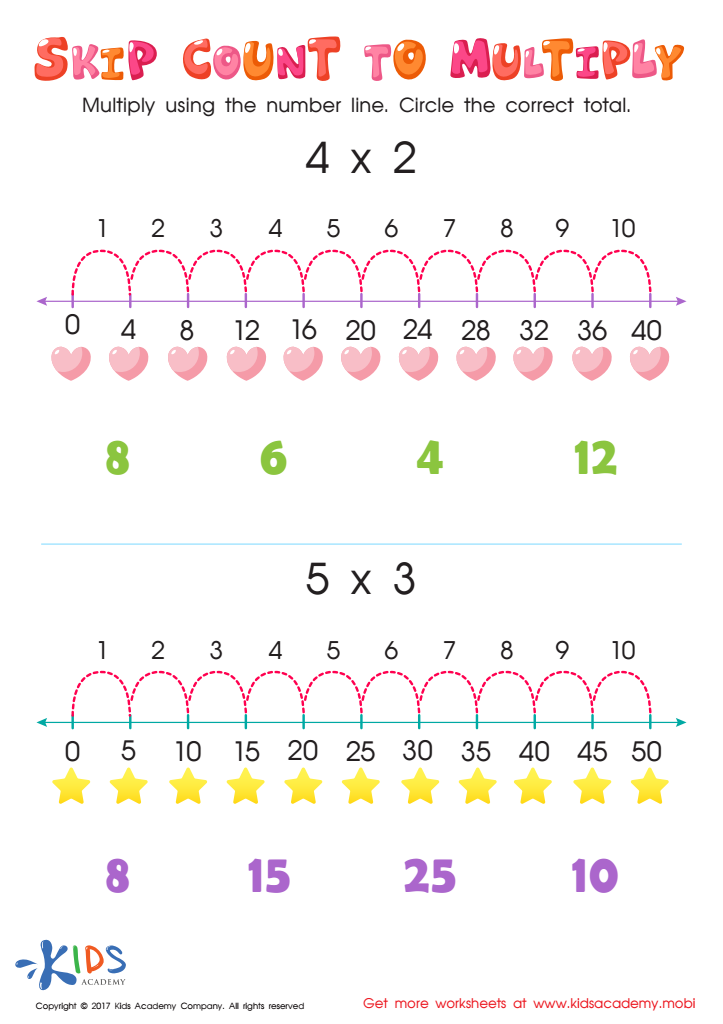
Skip Count Multiplication Worksheet
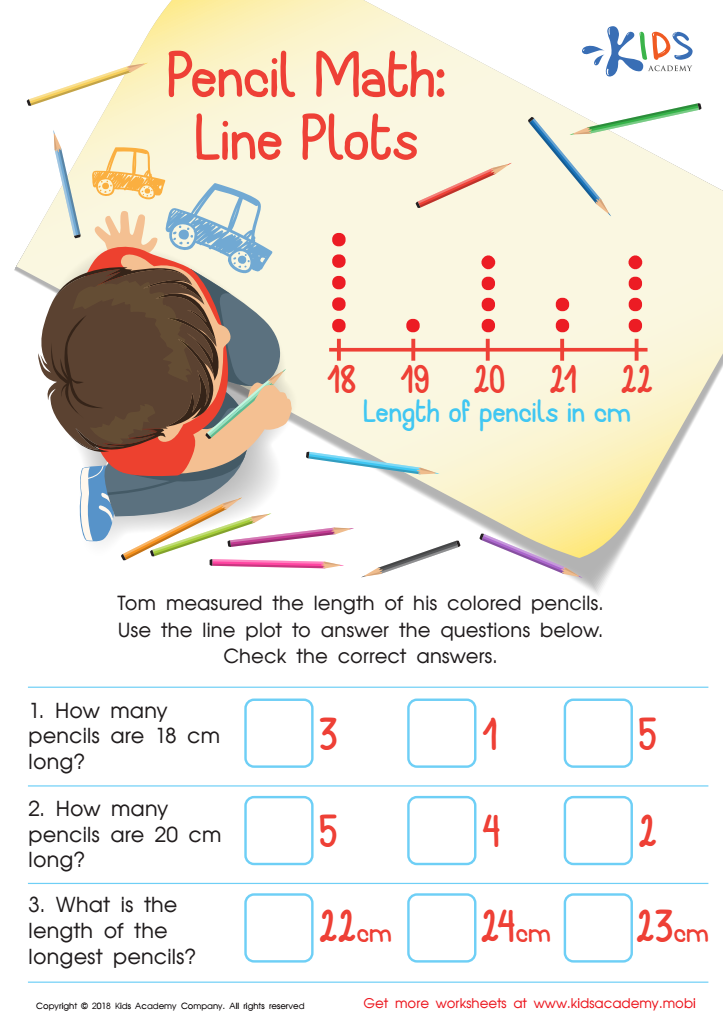
Pencil Math: Line Plots Worksheet








Mathematical reasoning is essential for children aged 5-8 as it lays the foundation for their future learning and problem-solving skills. During these formative years, kids start to grasp concepts like numbers, patterns, and relationships. By developing their reasoning abilities, children learn to think critically and make connections between different mathematical ideas.
Parents and teachers should care about fostering mathematical reasoning because it enhances cognitive development. When kids understand why calculations work, rather than just memorizing facts, they become more confident in tackling mathematical problems. This confidence often translates into perseverance, meaning students are more likely to try again after encountering challenging tasks.
Furthermore, strong mathematical reasoning skills prepare children for real-world situations. Whether they are shopping, cooking, or solving puzzles, these foundational skills thrive in practical applications. Additionally, a solid grasp of mathematics can open doors to future academic opportunities and careers in science, technology, engineering, and mathematics (STEM).
Engaging with math in a playful, hands-on way nurtures not only a love for the subject but also a lifelong appreciation for logical thinking. Ultimately, supporting children in developing robust mathematical reasoning is investing in their overall education and future success.








