Understanding Sequences Easy Worksheets for Ages 5-8
5 filtered results
-
From - To
Unlock your child’s potential with our fun and engaging "Understanding Sequences Easy Worksheets" designed for ages 5-8! These worksheets provide young learners with a hands-on approach to mastering sequencing concepts through colorful illustrations and simple exercises. Each activity encourages critical thinking and helps build essential skills, such as pattern recognition and logical reasoning, in a playful environment. Perfect for home or school use, our worksheets are tailored to accommodate different learning styles, ensuring every child thrives. Boost your child’s confidence and academic skills with these exciting resources, making learning about sequences a delightful journey! Explore our collection today!
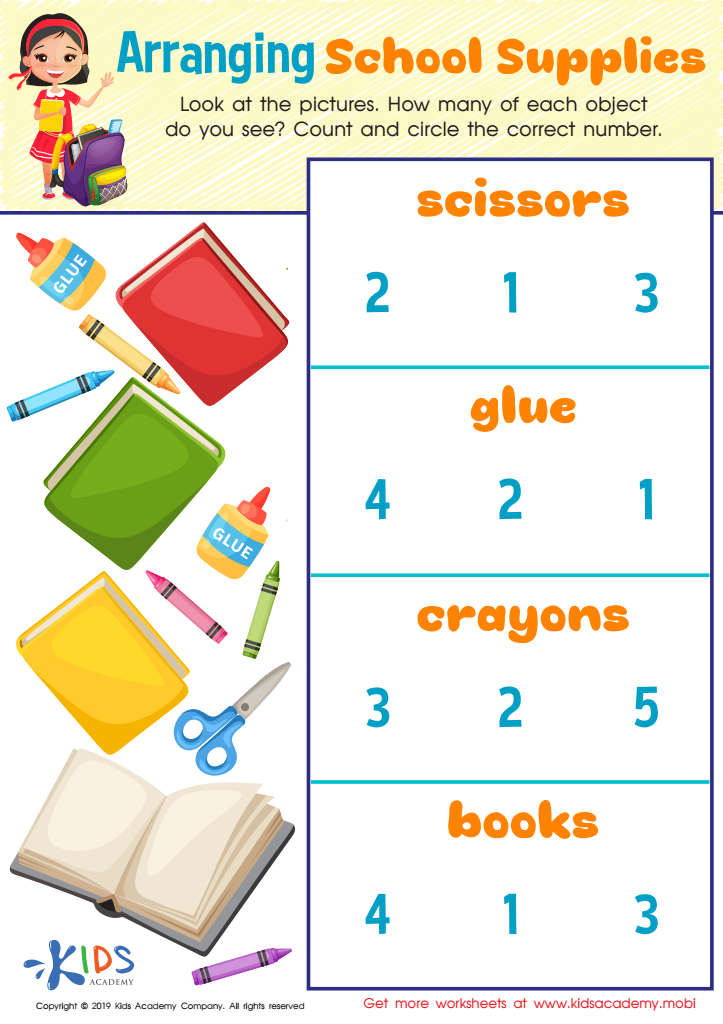
Arranging School Supplies Worksheet
 Assign to My Students
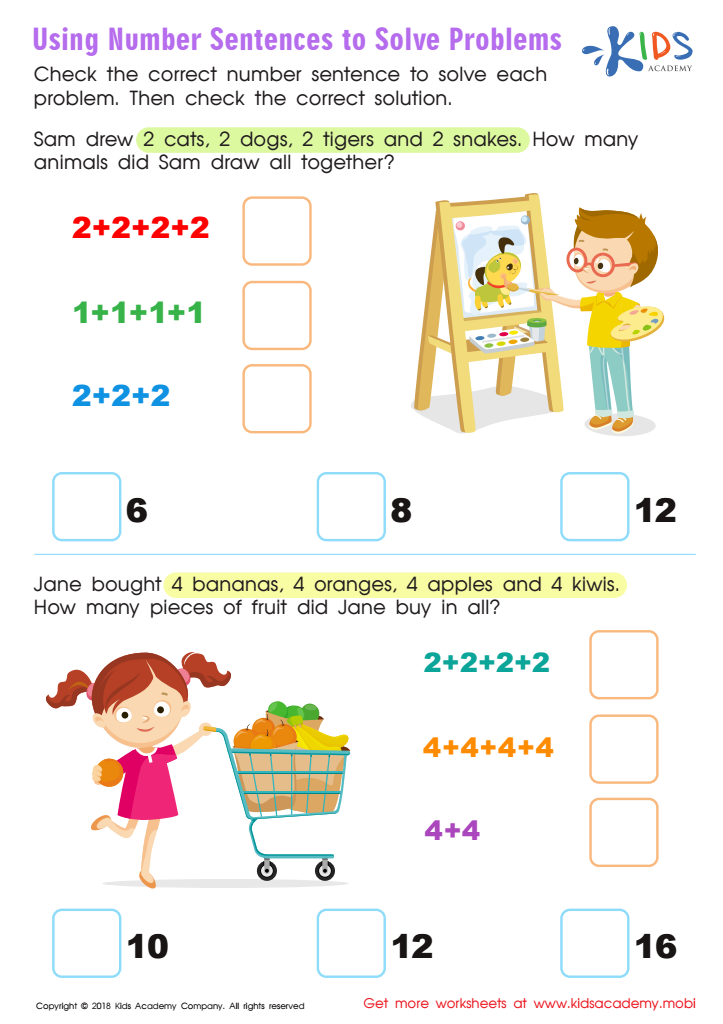
Using Number Sentences to Solve Problems Worksheet
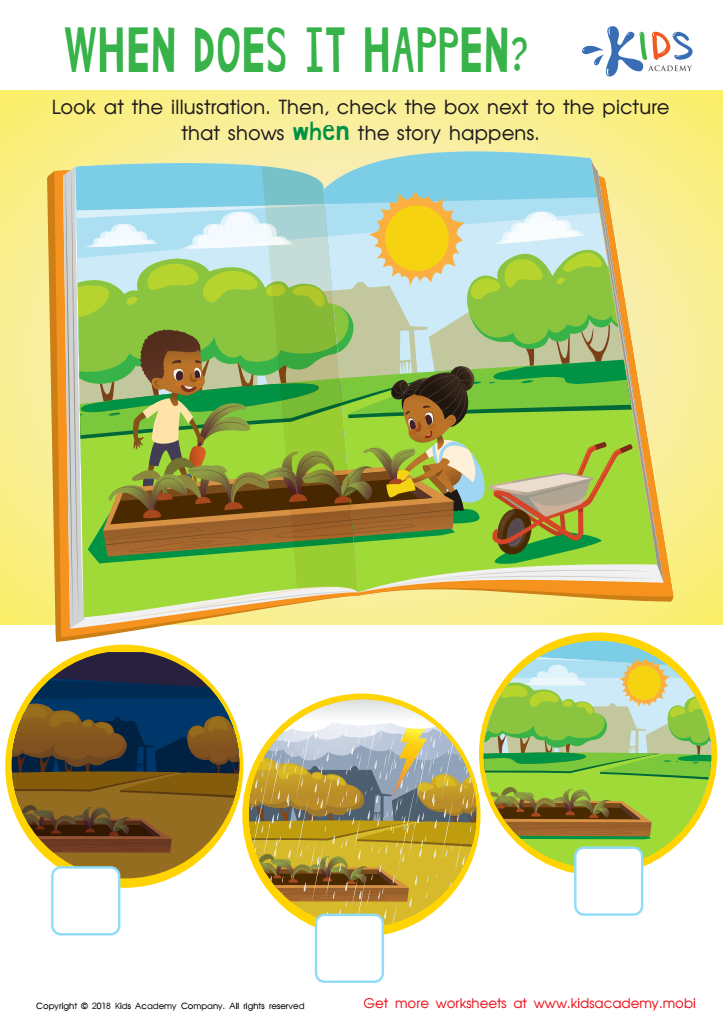
When Does It Happen? Worksheet
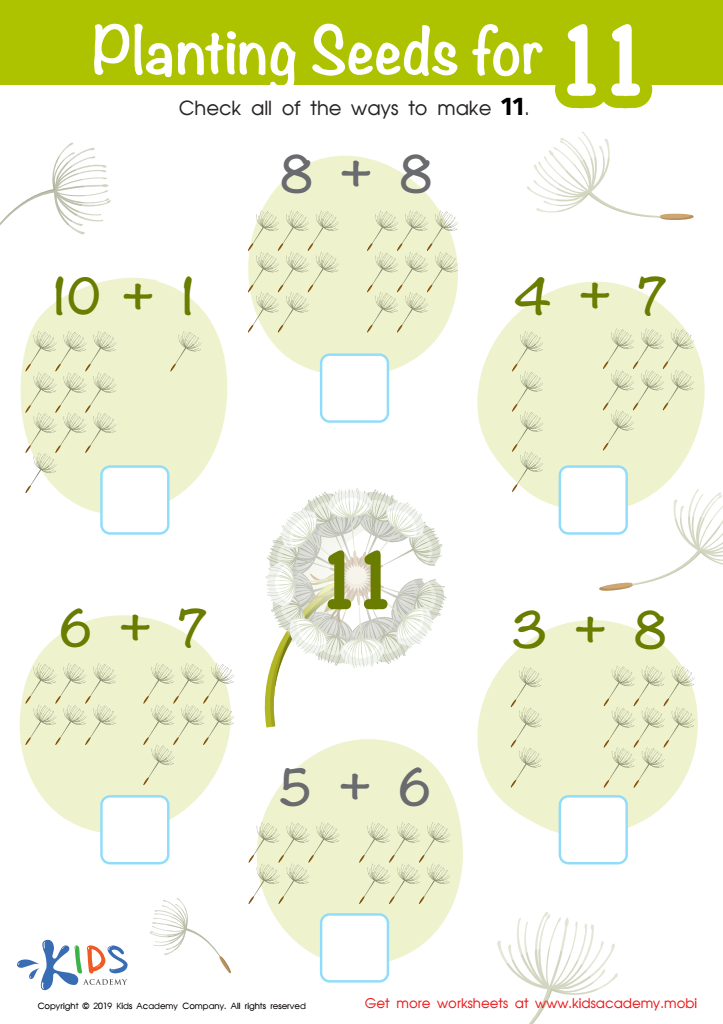
Planting Seeds for 11 Worksheet
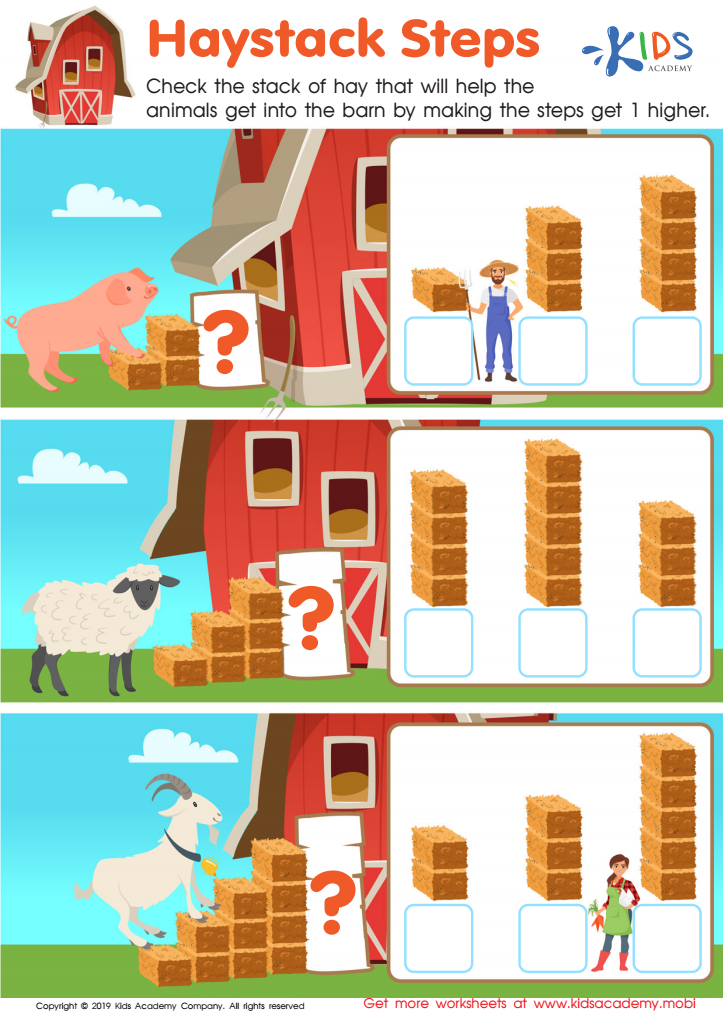
Haystack Steps Worksheet








Understanding sequences is crucial for children aged 5-8 as it forms the foundation for essential cognitive and mathematical skills. At this age, children are naturally curious and eager to learn, making it the perfect time to introduce them to the concept of order, patterns, and progressions. Recognizing sequences helps kids develop logical thinking and problem-solving skills, which are vital not just for math but for understanding everyday life scenarios.
Parents and teachers should care about teaching sequences because they enhance comprehension in various subjects. For instance, sequences appear in reading through story plots, in science with cycles, and in art through patterns. When children grasp sequencing, they become better at organizing their thoughts, predicting outcomes, and making connections between ideas.
Additionally, mastering sequences contributes to more advanced mathematical concepts, such as addition, subtraction, and simple coding in the future. Educational activities such as counting, rhyming, and sorting can be fun and engaging, ensuring children develop these skills in a playful manner. Focusing on sequences early on gives children a solid foundation, boosting their confidence and preparing them for more complex tasks later in their educational journey. In essence, nurturing an understanding of sequences is an investment in their overall growth and development.








