Easy Comparing Numbers Worksheets for Ages 5-8
8 filtered results
Difficulty Level
Grade
Age
-
From - To
Subject
Activity
Standards
Discover "Easy Comparing Numbers Worksheets for Ages 5-8" at Kids Academy! Make learning fun and engaging for young learners with our specially designed math worksheets. Tailored for children ages 5-8, these worksheets help kids understand and practice comparing numbers in a simplified and enjoyable way. Our colorful and interactive printables utilize playful themes and relatable scenarios to enhance comprehension and retention. Perfect for classroom use or at-home practice, these worksheets build a solid foundation in number sense, setting the stage for future math success. Visit Kids Academy for free, high-quality learning resources that make math easy and exciting!
Favorites
With answer key
Interactive
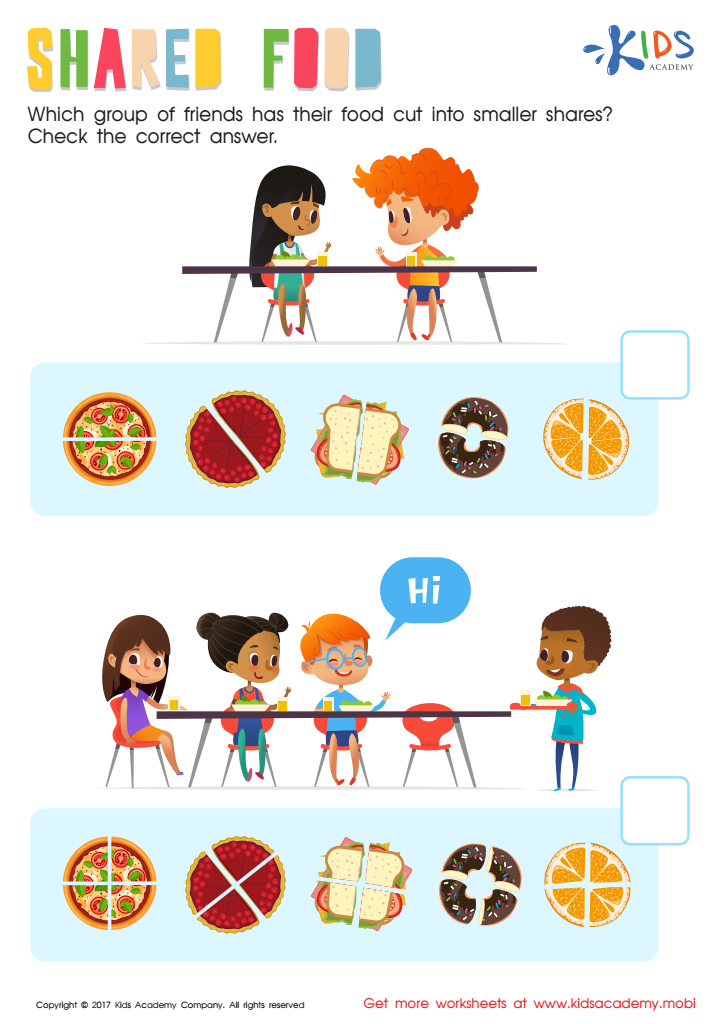
Shared Food Worksheet
In this worksheet, kids learn about sharing and cutting shapes into equal parts. There are two groups of friends: one with two, the other with four. Ask your child which group has their food cut into smaller shares, and help them find the right answer.
 Assign to My Students
Shared Food Worksheet
Worksheet
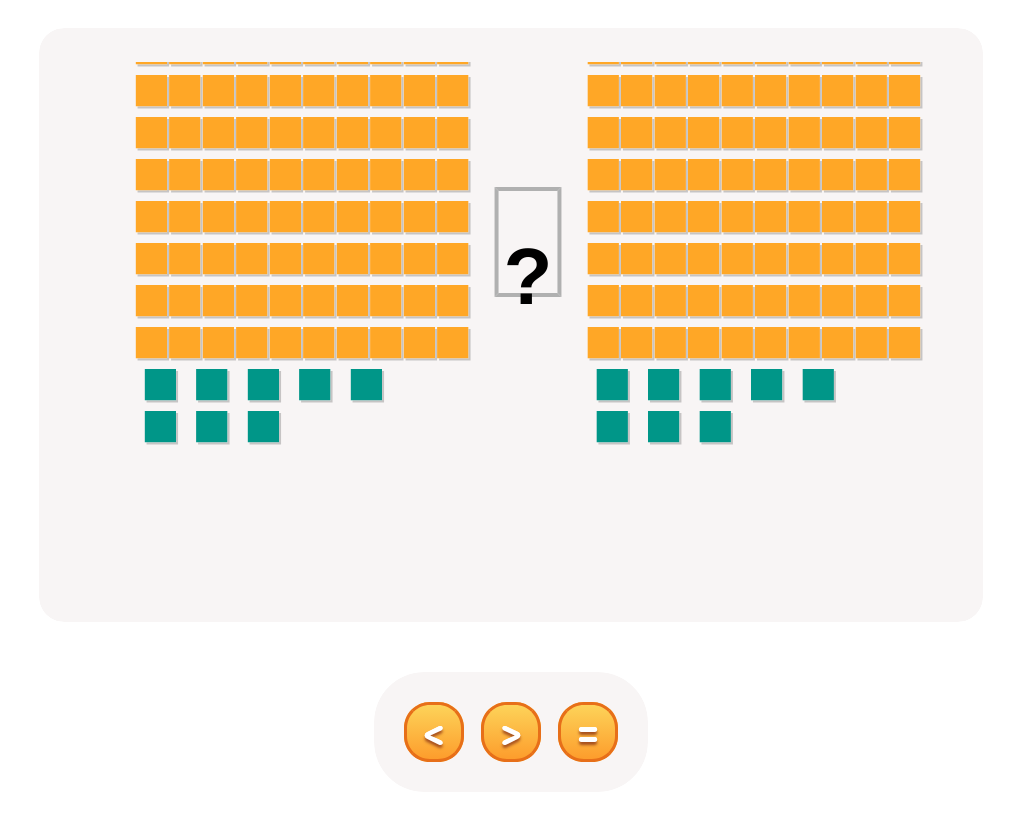

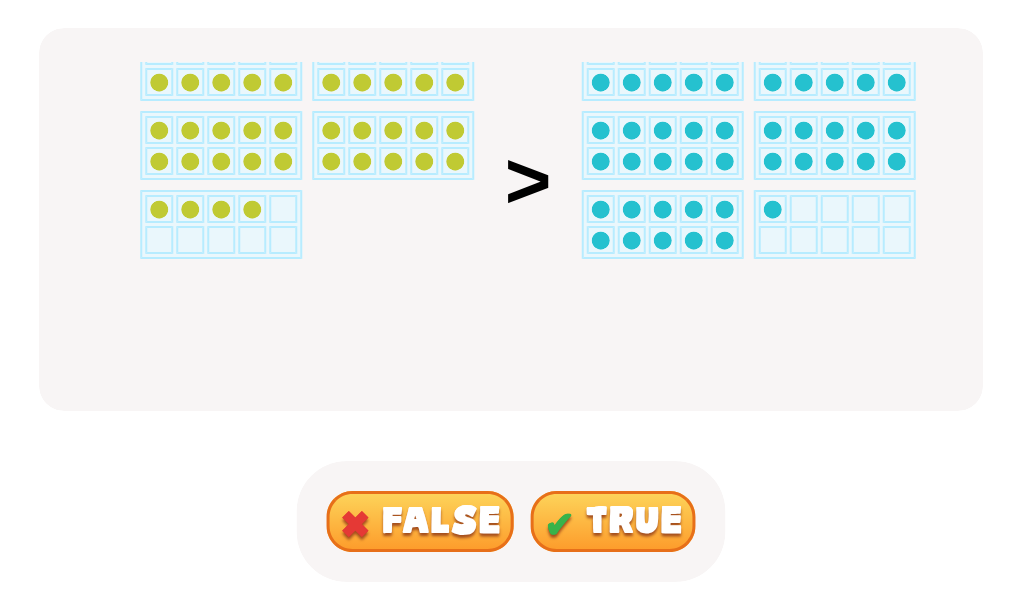
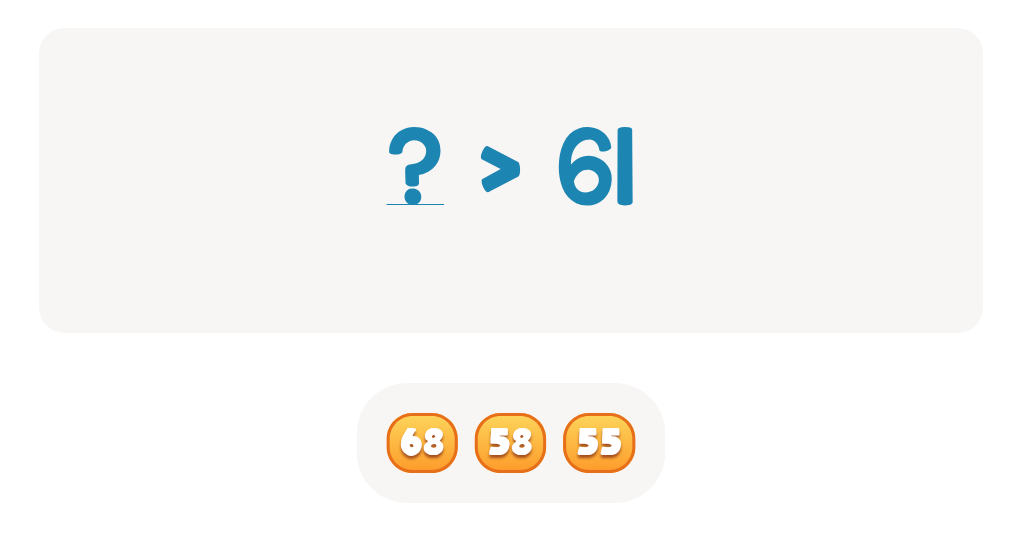
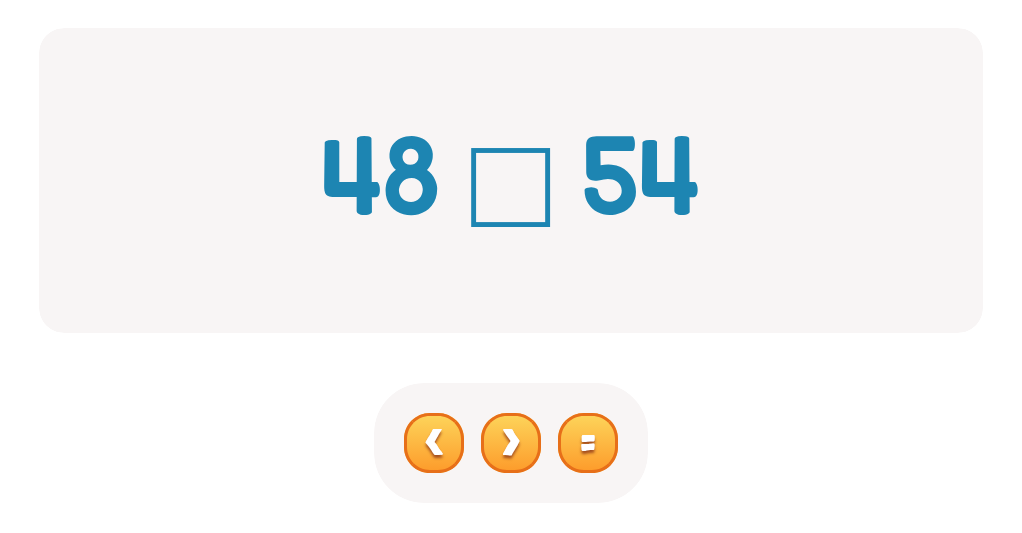
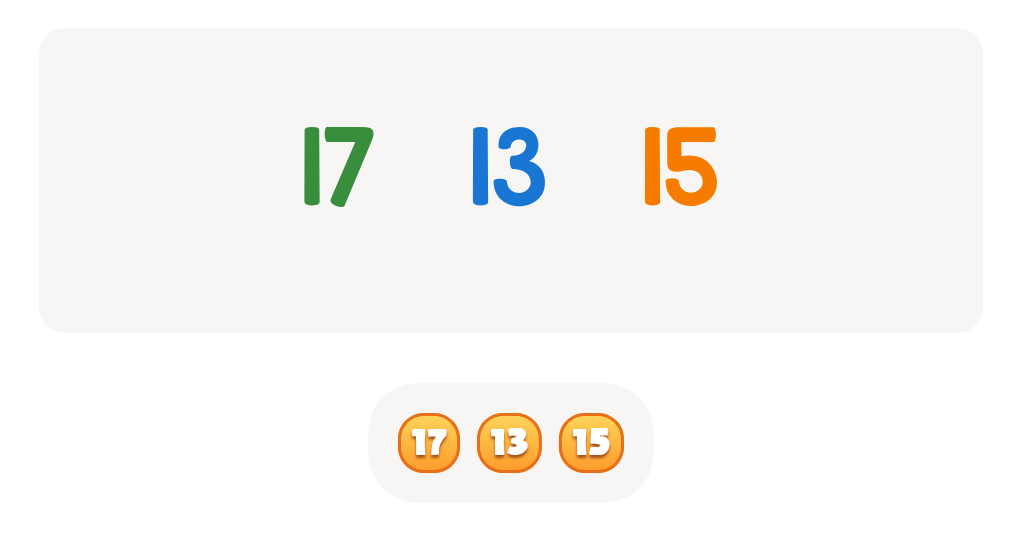
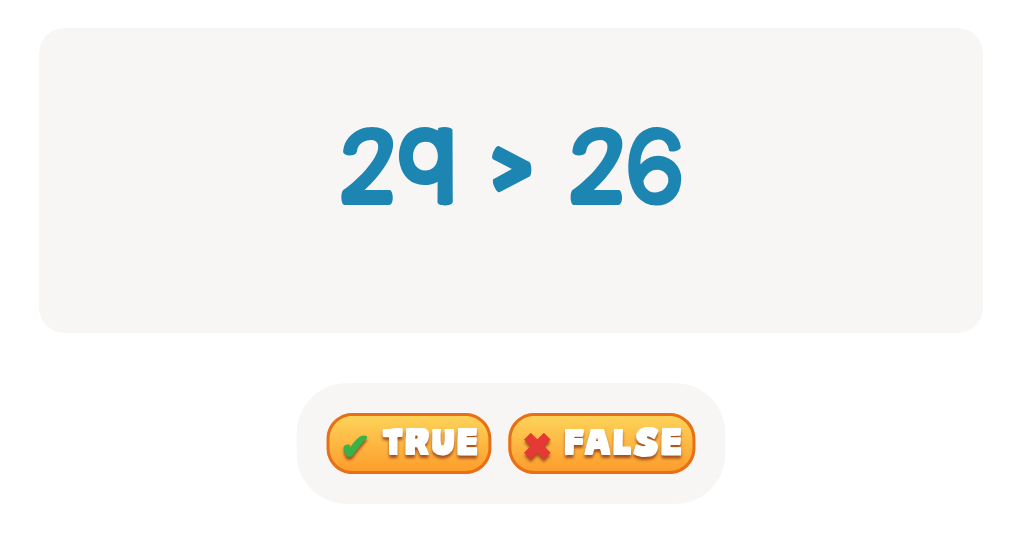
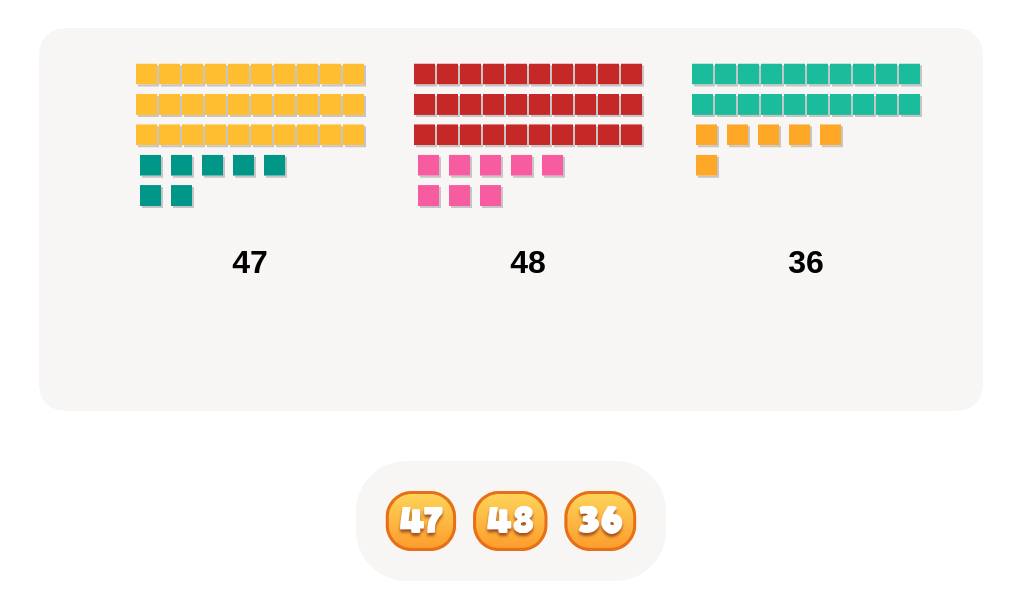
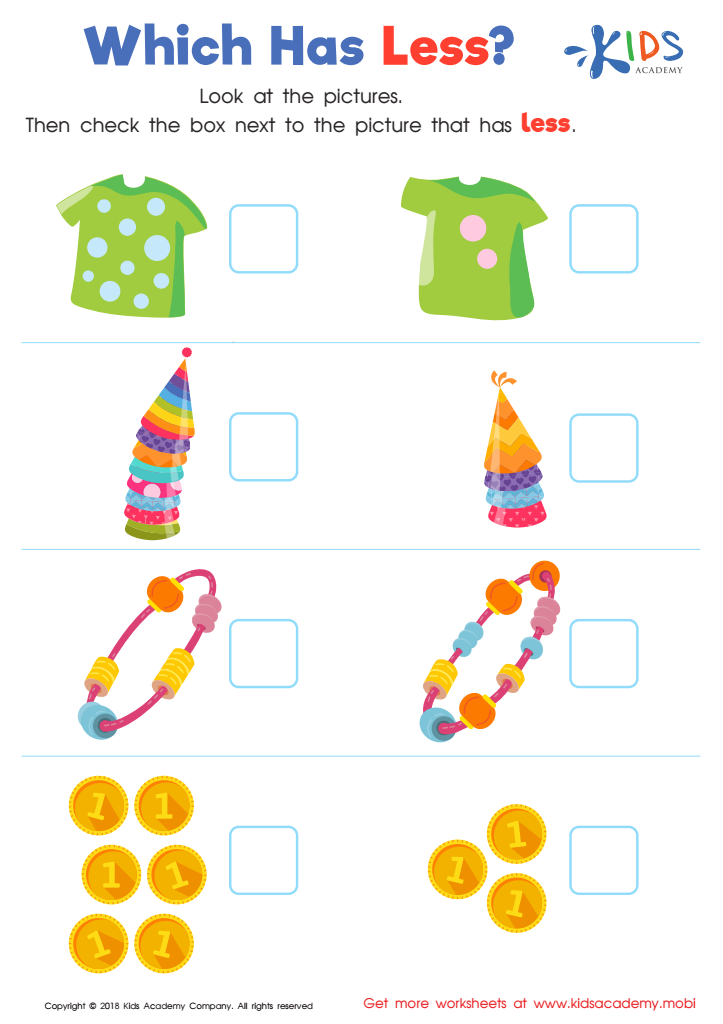
Which Has Less? Worksheet
Kids can develop their number sense by comparing and contrasting objects to identify which has less. This worksheet helps them practice: it's bright and colorful, featuring familiar objects and pictures to count, strengthening basic counting skills. It's the perfect warm-up for comparing and contrasting larger numbers.
Which Has Less? Worksheet
Worksheet
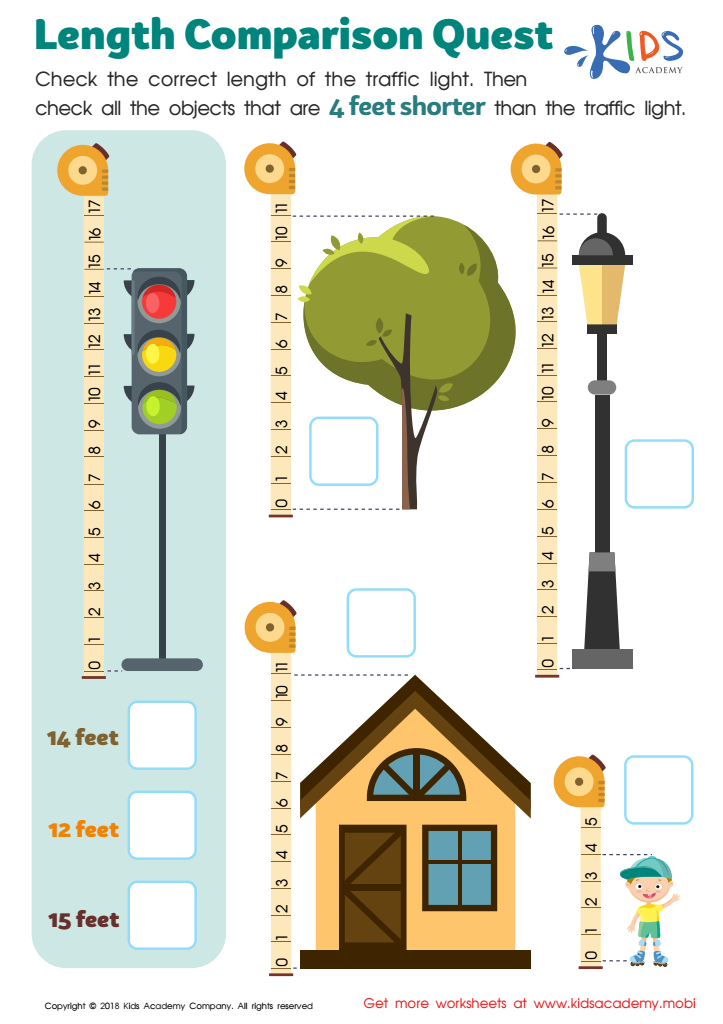
Length Comparison Quest Worksheet
Knowing measurement tools and how to use them is just the start. To be proficient, your kid must be able to accurately compare objects and their lengths. With the 'Length Comparison Quest' worksheet, they will check the correct length of the traffic light in the picture and then compare other objects to it, marking those that measure 4 feet shorter.
Length Comparison Quest Worksheet
Worksheet
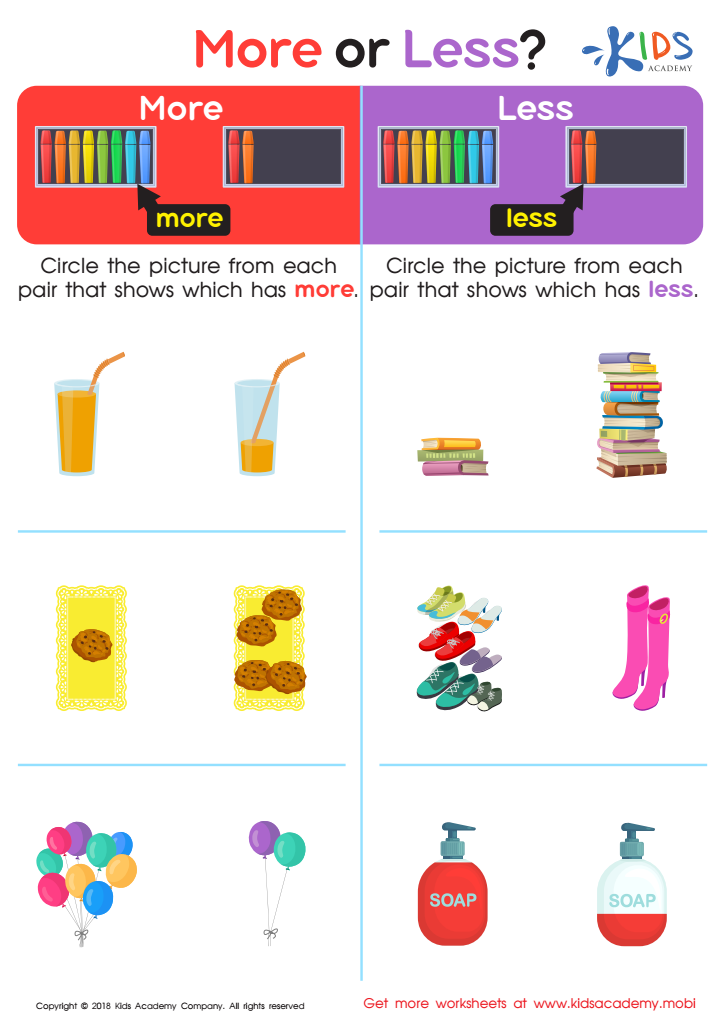
More or Less? Worksheet
Understanding "more or less" can be hard for kids. This PDF uses colorful images to help them learn. By matching the right picture pairs, children can gain a better understanding and strengthen their comparison skills for more complex tasks.
More or Less? Worksheet
Worksheet
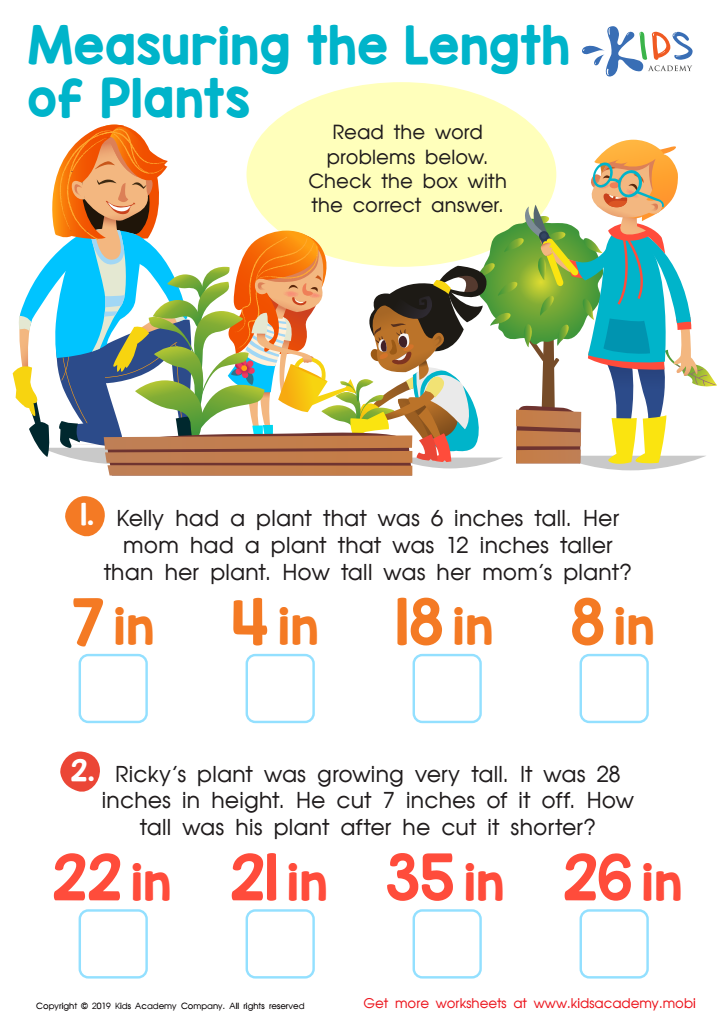
Measuring the Length of Plants Worksheet
Help your kids practice their math skills with this worksheet. Read the word problems in the picture and help them check the correct box. Word problems are equations written in sentence form, so they must be interpreted and understood to be solved correctly.
Measuring the Length of Plants Worksheet
Worksheet
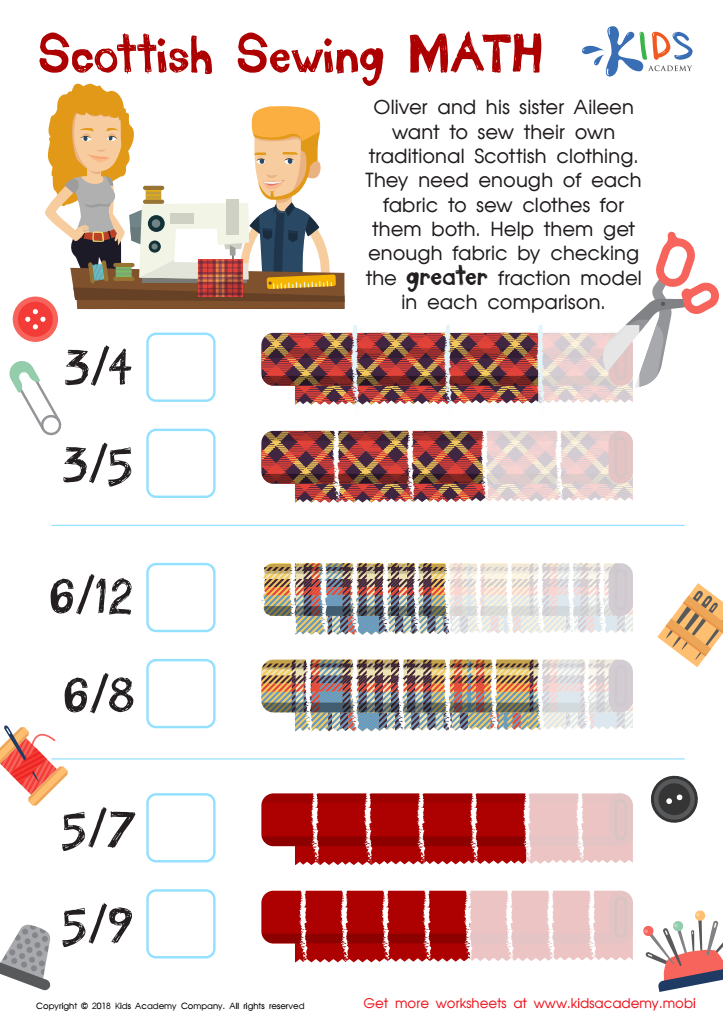
Scottish Sewing Math Worksheet
Ask your kindergartners to help Oliver and Alleen make traditional Scottish clothing by figuring out how much fabric to cut out. Help them learn a bit of geography by explaining Scotland is the home of the Scottish people and their unique traditions. Get the right amount by checking the fraction models. 80 words
Scottish Sewing Math Worksheet
Worksheet
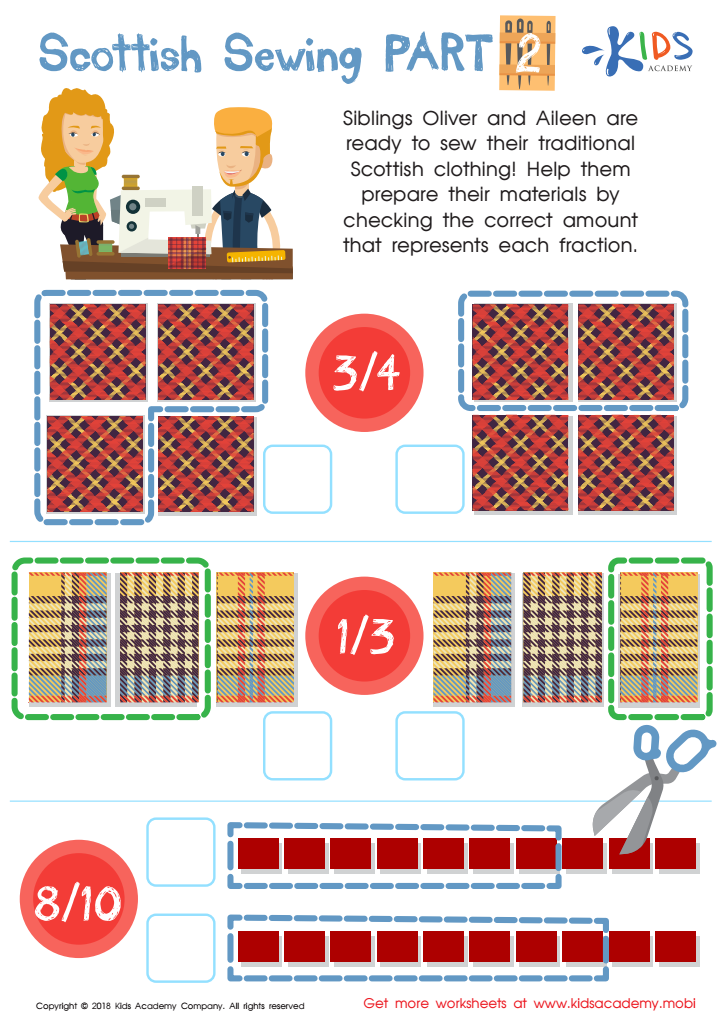
Scottish Sewing Part 2 Worksheet
Oliver and Alleen are sewing traditional Scottish attire. Help your kids count the cloth and check the correct fraction to support them. Have your kids check the correct amount that represents each fraction to help the brother-sister duo prepare their material.
Scottish Sewing Part 2 Worksheet
Worksheet
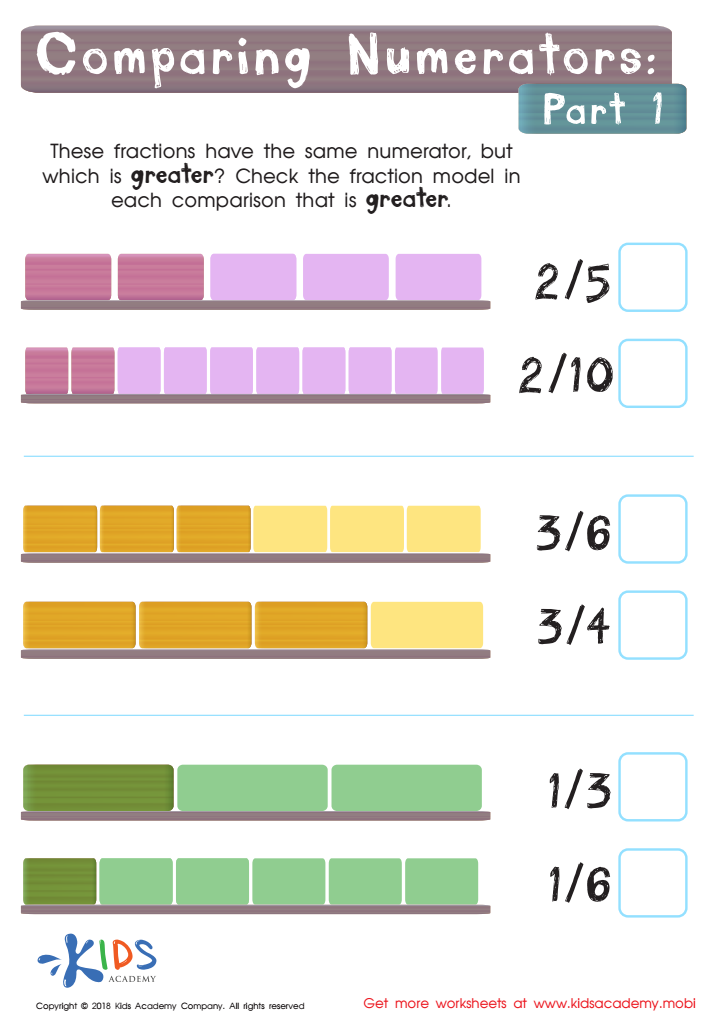
Comparing Numerators Part 1 Worksheet
This worksheet has 3 fractions groups with the same numerator. Your child must determine which fraction is greater in each comparison. Check the fraction model to see the greater one.
Comparing Numerators Part 1 Worksheet
Worksheet
Join Kids Academy for Free
Who is primarily going to use this learning content?




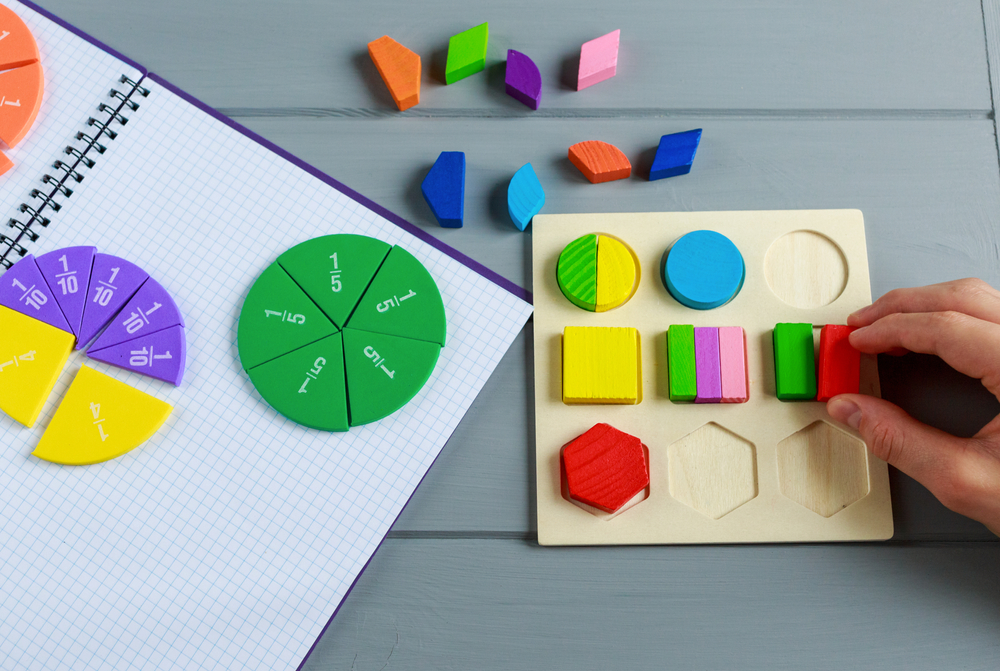



Easy Comparing Numbers for ages 5-8 serves as a foundational skill vital to young children's mathematical development. At this stage, children are naturally curious and their cognitive abilities are expanding rapidly. Introducing them to comparing numbers helps build essential number sense, which is crucial for their future understanding of more complex mathematical concepts.
When children learn to compare numbers, they develop a basic understanding of quantity, value, and the relationship between numbers. This paves the way for mastering arithmetic operations such as addition, subtraction, multiplication, and division. It's also a stepping stone to learning place value, which is fundamental for performing any advanced math.
Furthermore, engaging young learners in comparing numbers can boost their critical thinking and problem-solving skills. These abilities are not only necessary in academic pursuits but are also vital life skills. It encourages them to observe, analyze, and make informed decisions based on their observations — habits that bode well for later stages of their education and everyday life.
Lastly, mastering these concepts at an early age builds confidence and a positive attitude towards learning. As they achieve small successes in comparing numbers, children build self-esteem, making them more likely to enjoy and engage positively with math, thus reducing anxiety or apprehension towards the subject. Parents and teachers play a critical role by providing engaging, supportive, and interactive activities that make learning to compare numbers fun and meaningful.