Fine Motor Skills Easy Math Worksheets for Ages 5-8 - Page 2
44 filtered results
-
From - To
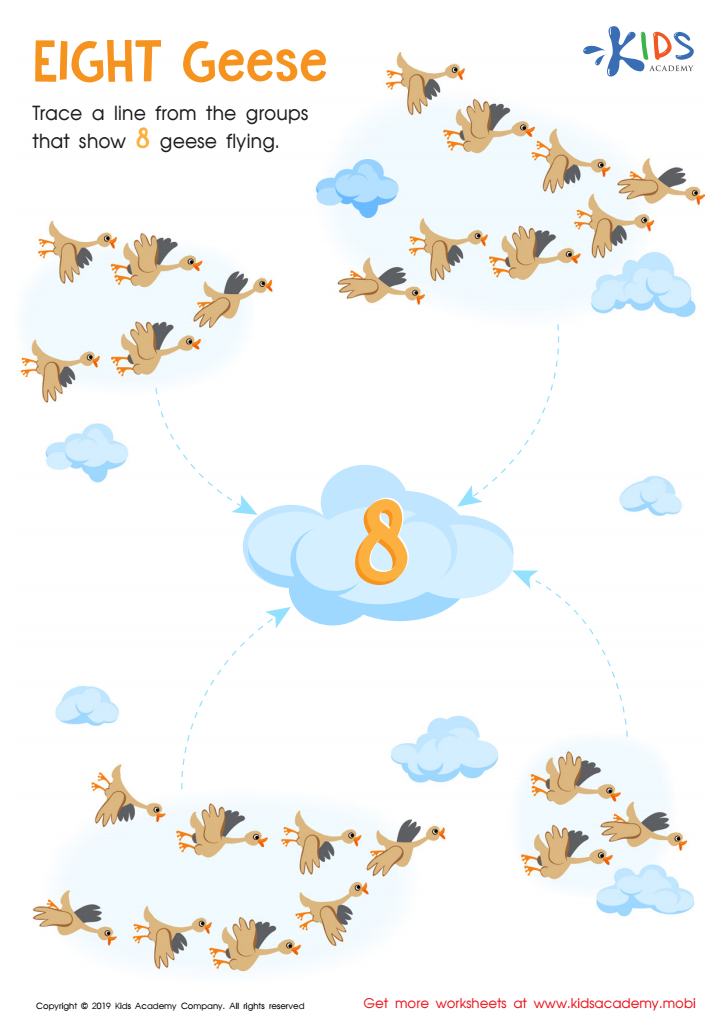
Eight Geese Worksheet
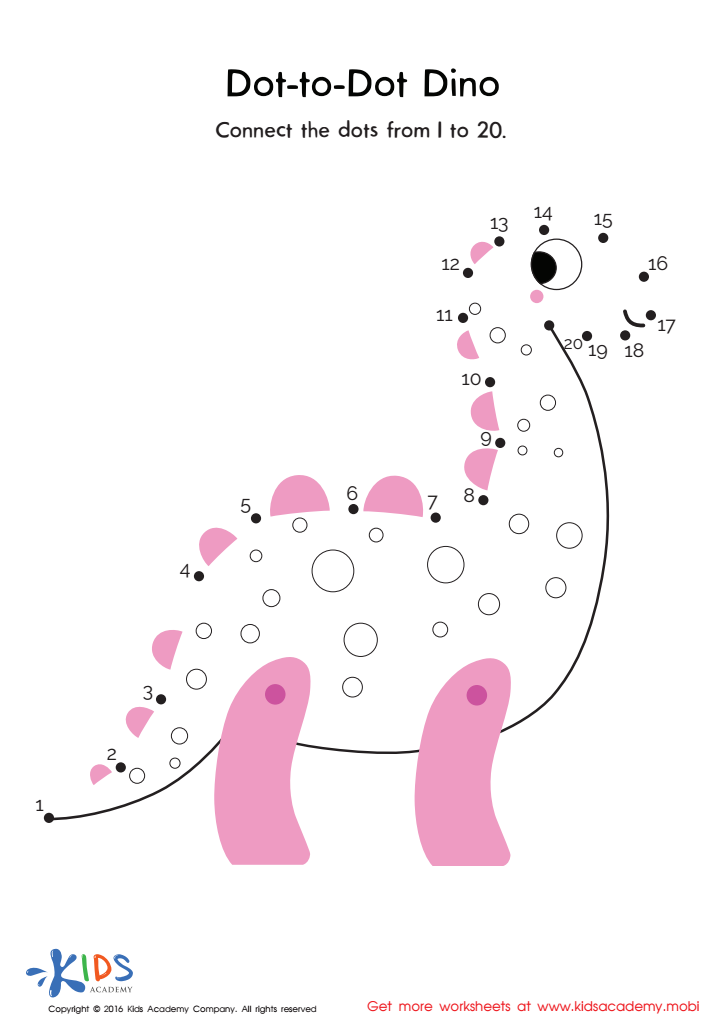
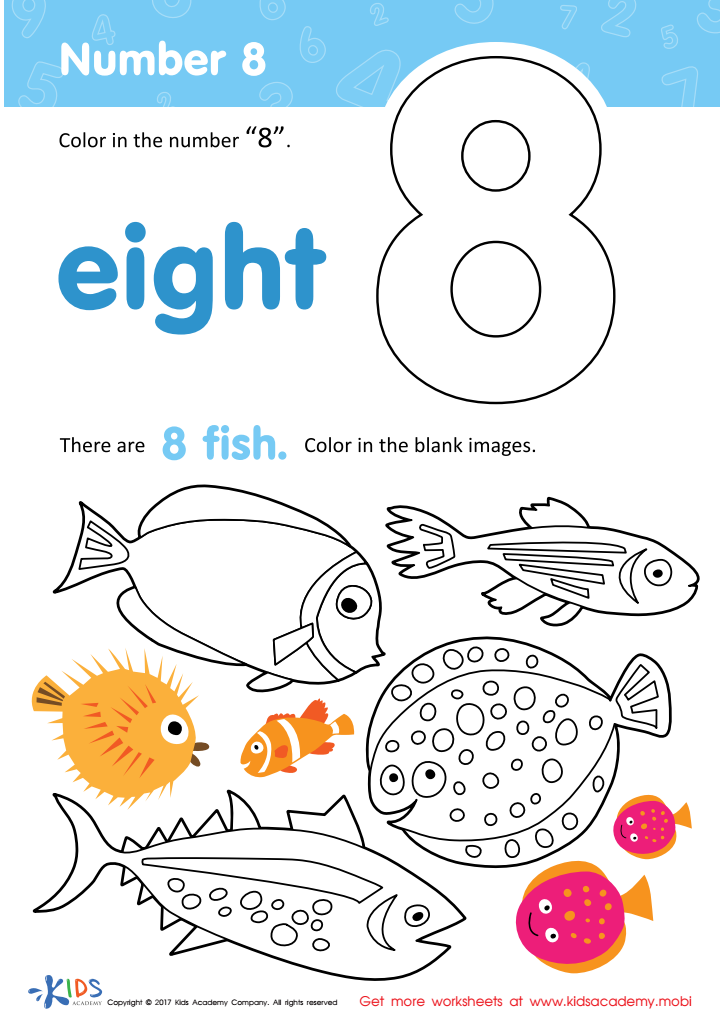
Number 8 Printable
 Assign to My Students
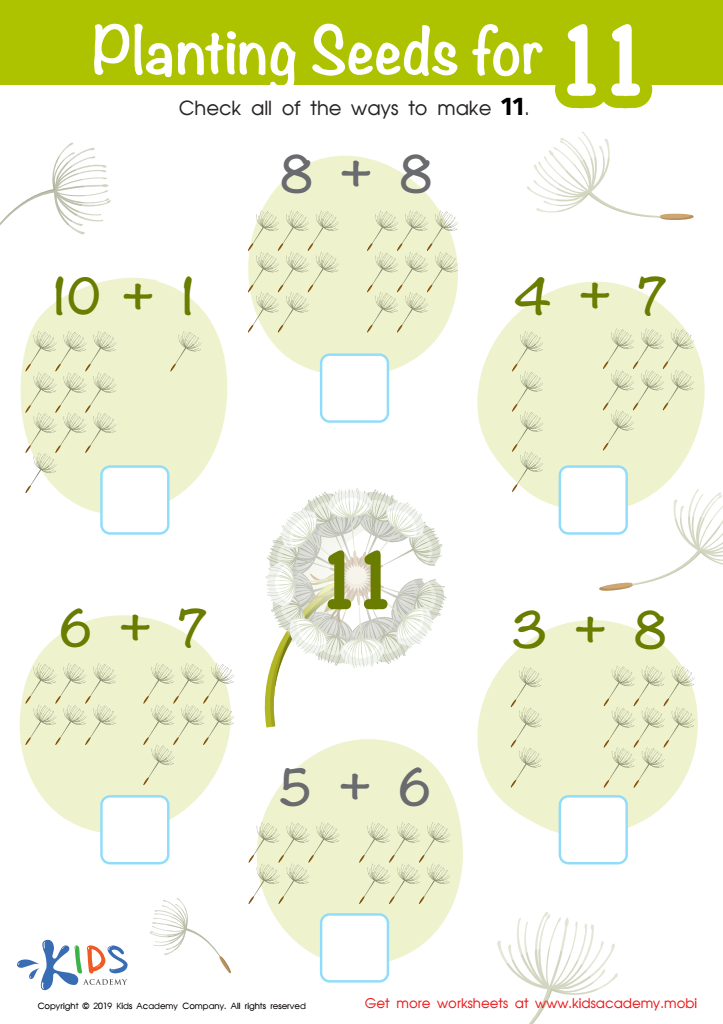
Planting Seeds for 11 Worksheet
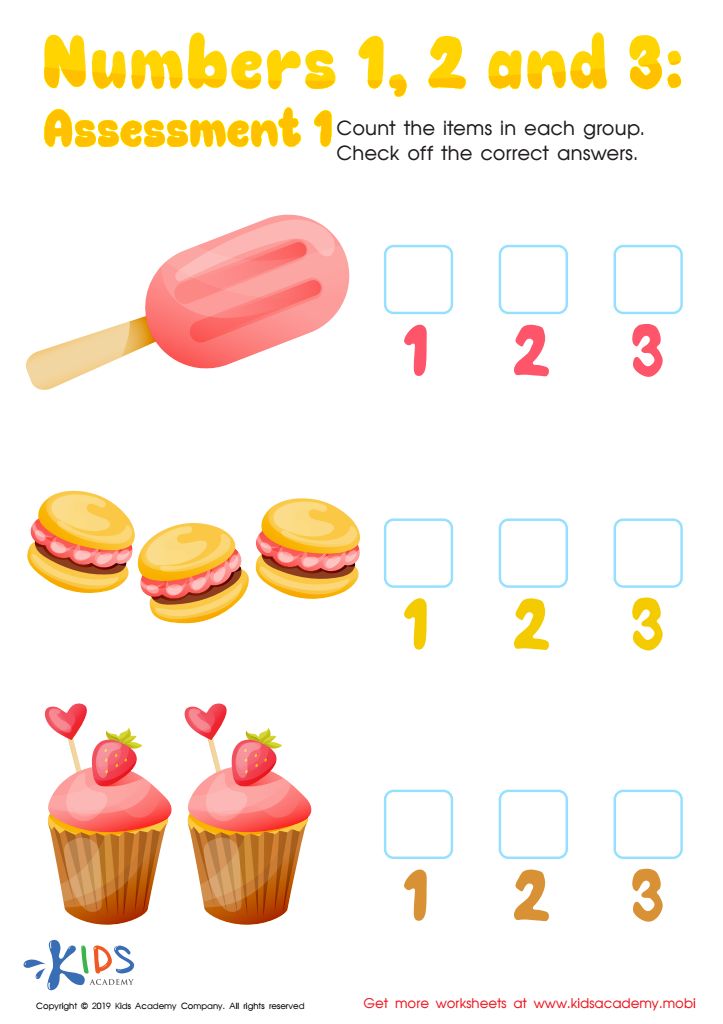
Numbers 1, 2 and 3: Assessment 1 Worksheet
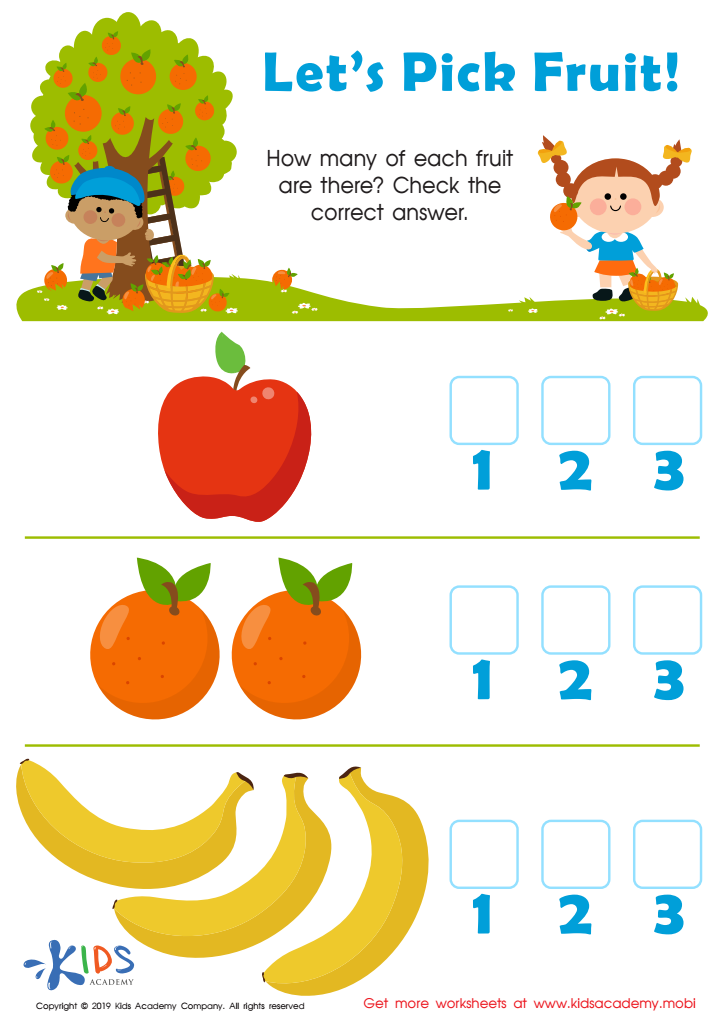
Let's Pick Fruit Worksheet
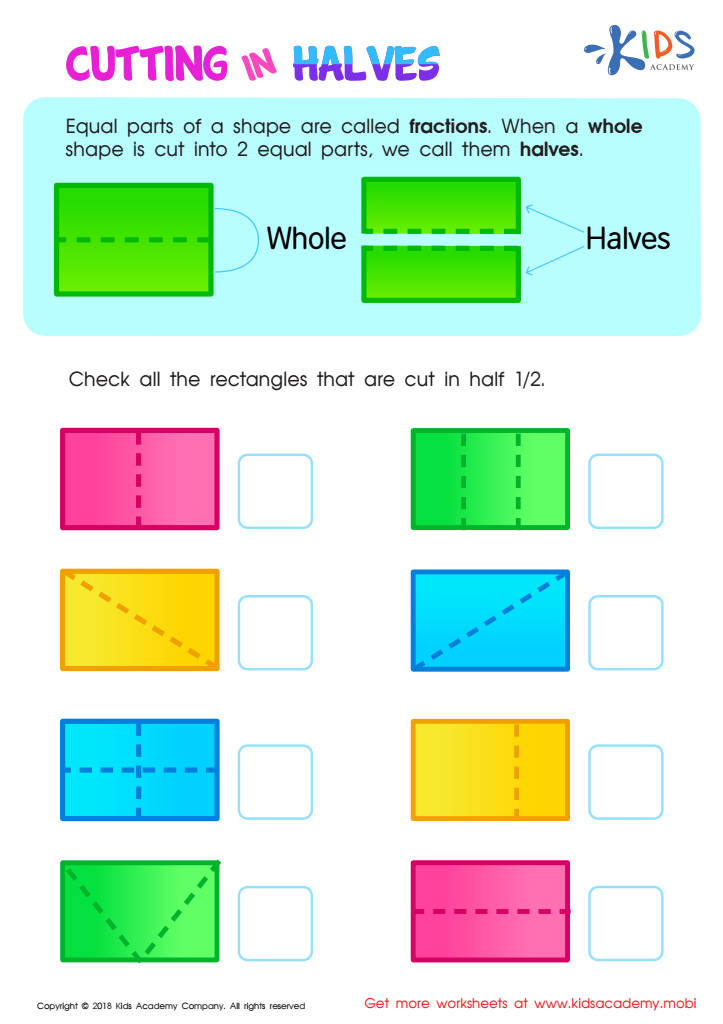
Cutting in Halves Worksheet
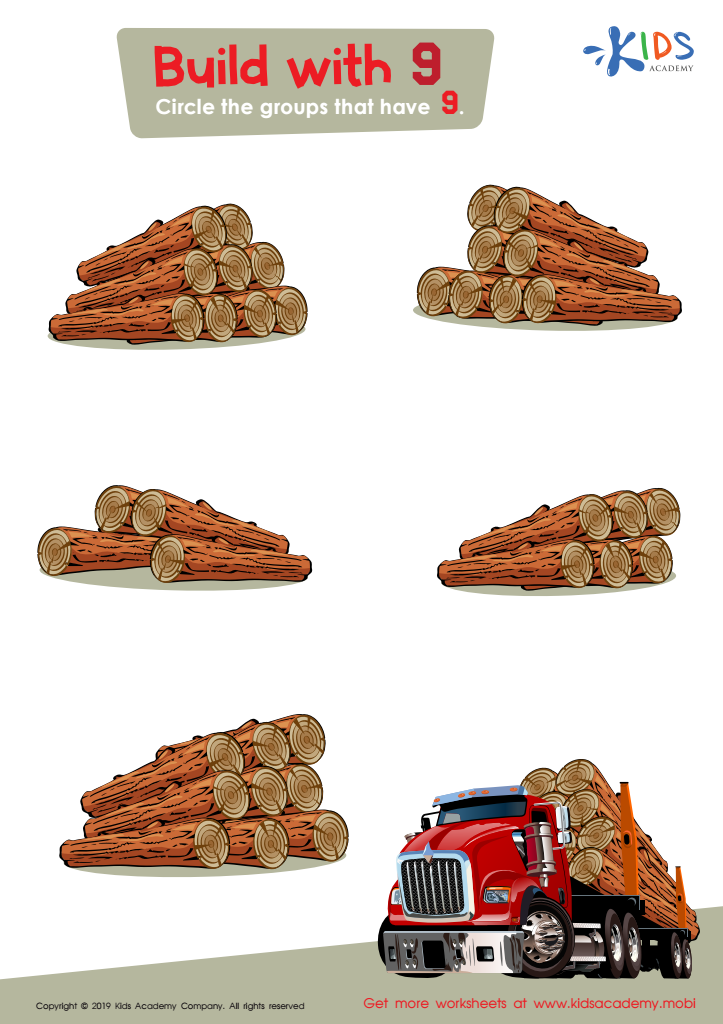
Build with 9 Worksheet
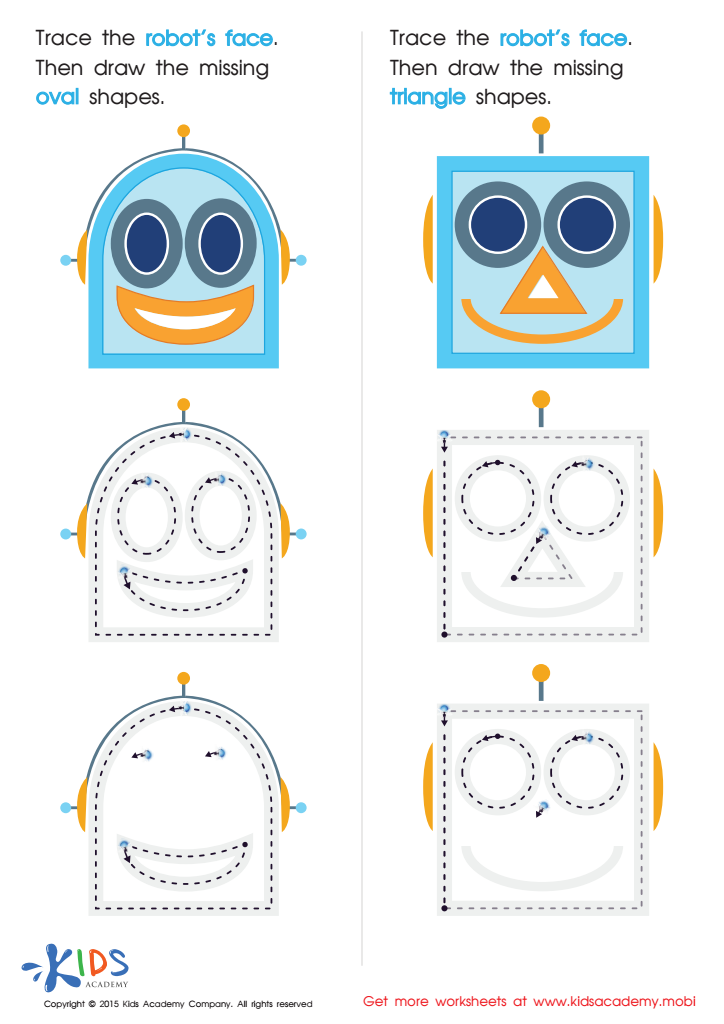
Drawing Ovals And Triangles with Fun Printable
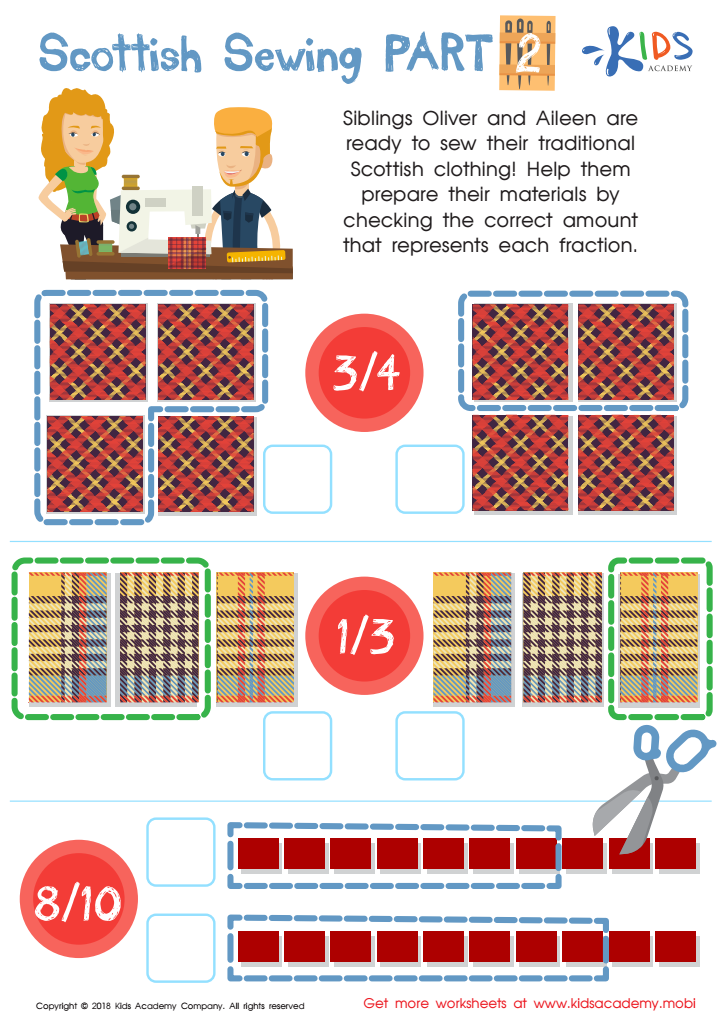
Scottish Sewing Part 2 Worksheet
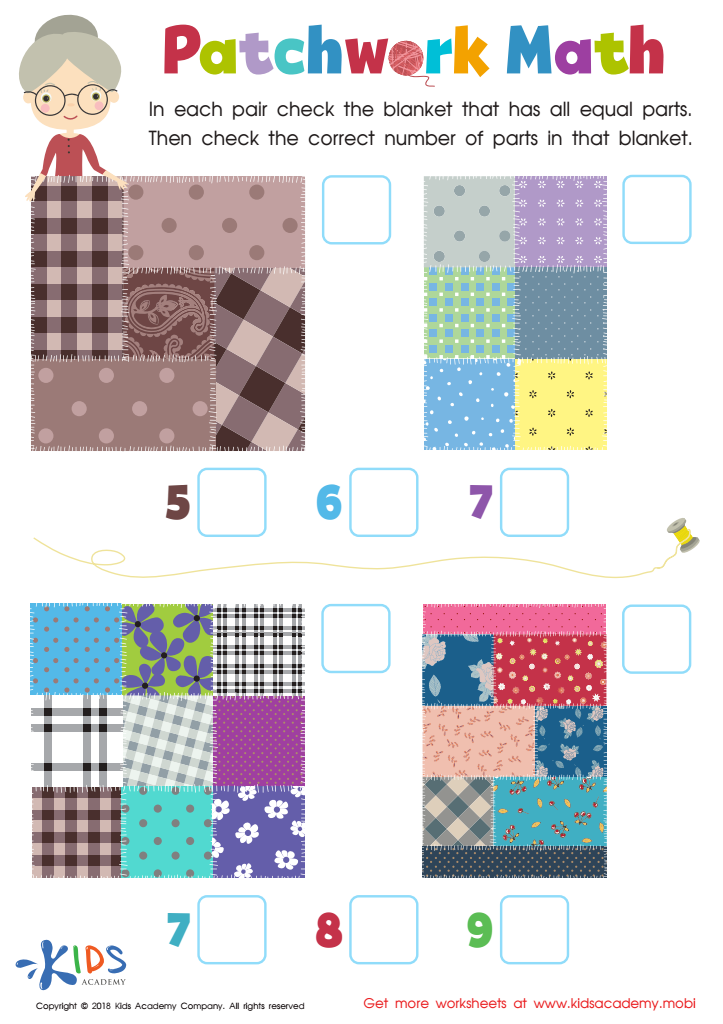
Patchwork Math Worksheet
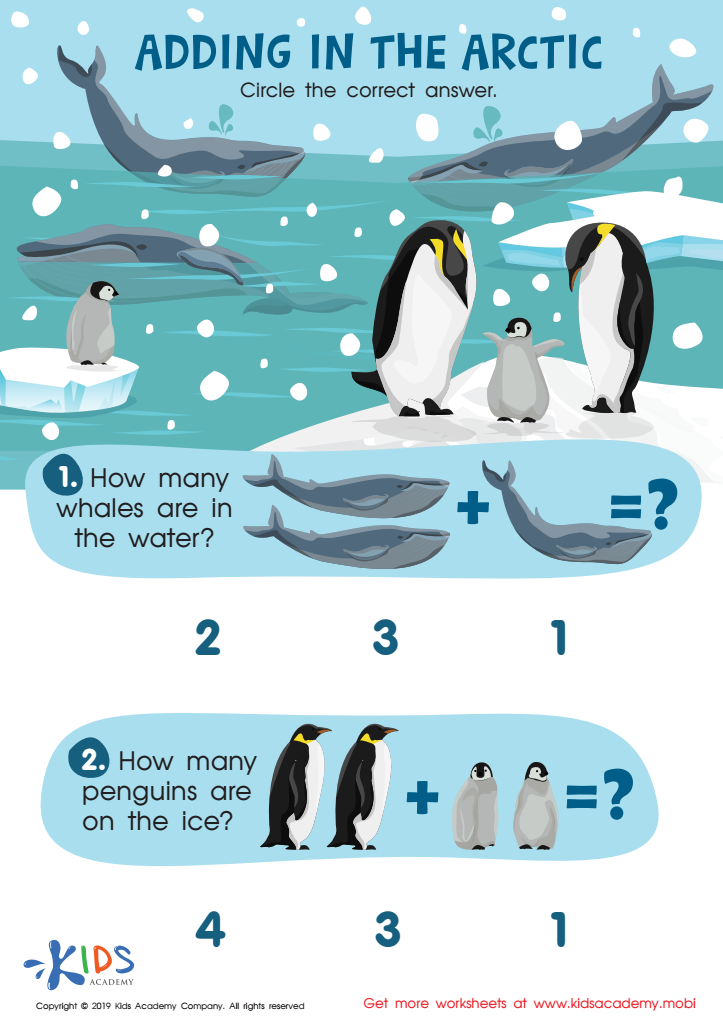
Adding in the Arctic Worksheet
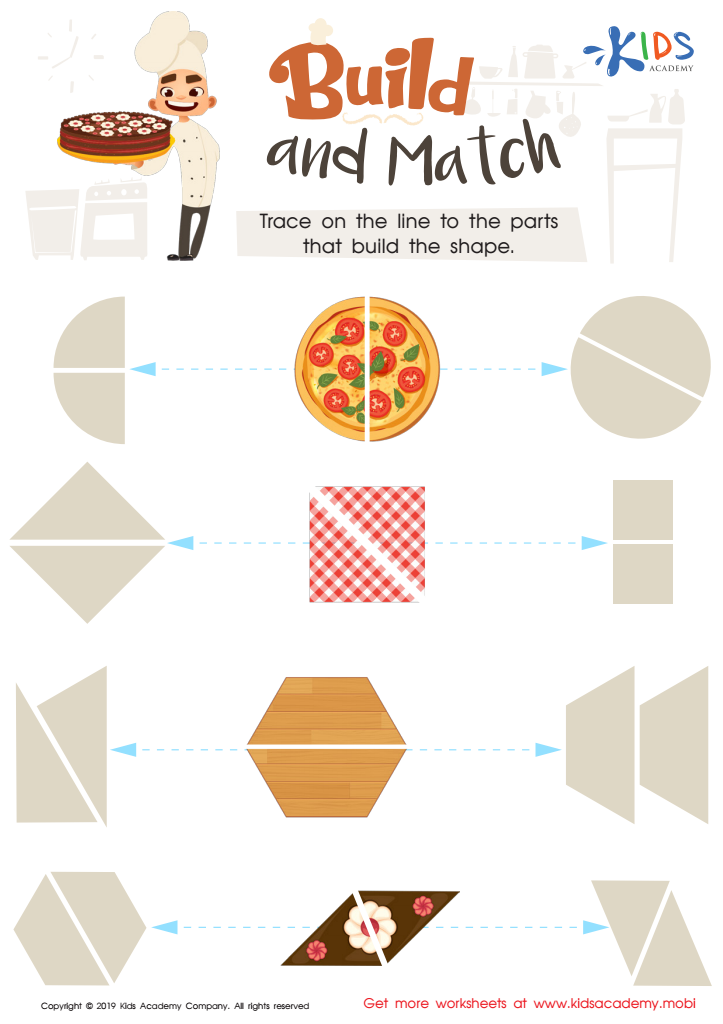
Build and Match Worksheet
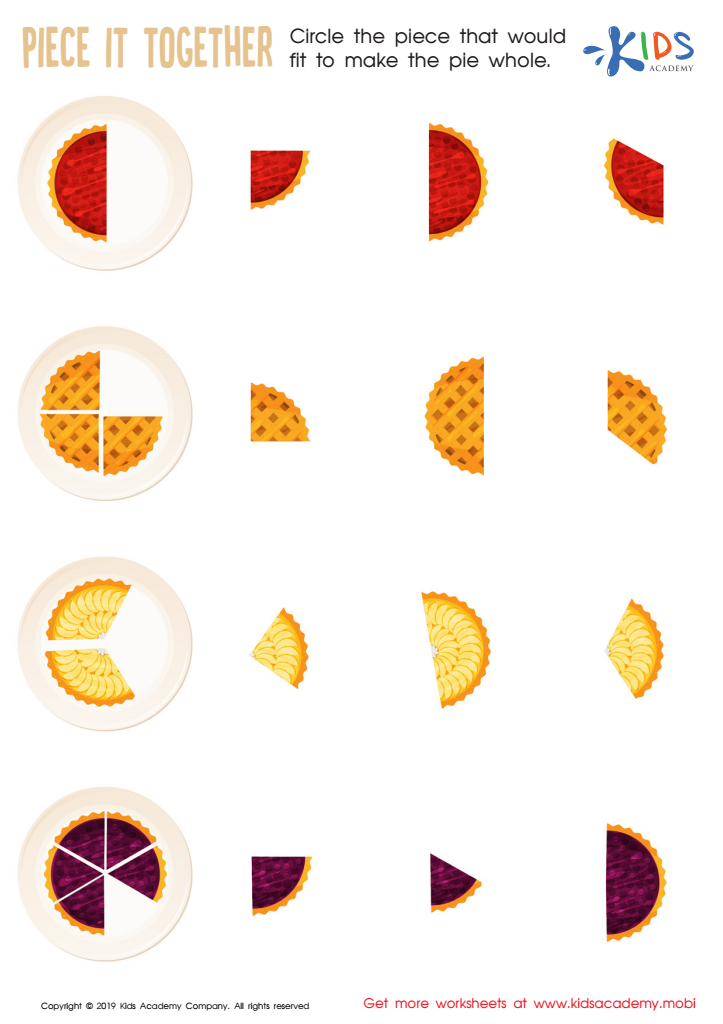
Piece it together Worksheet
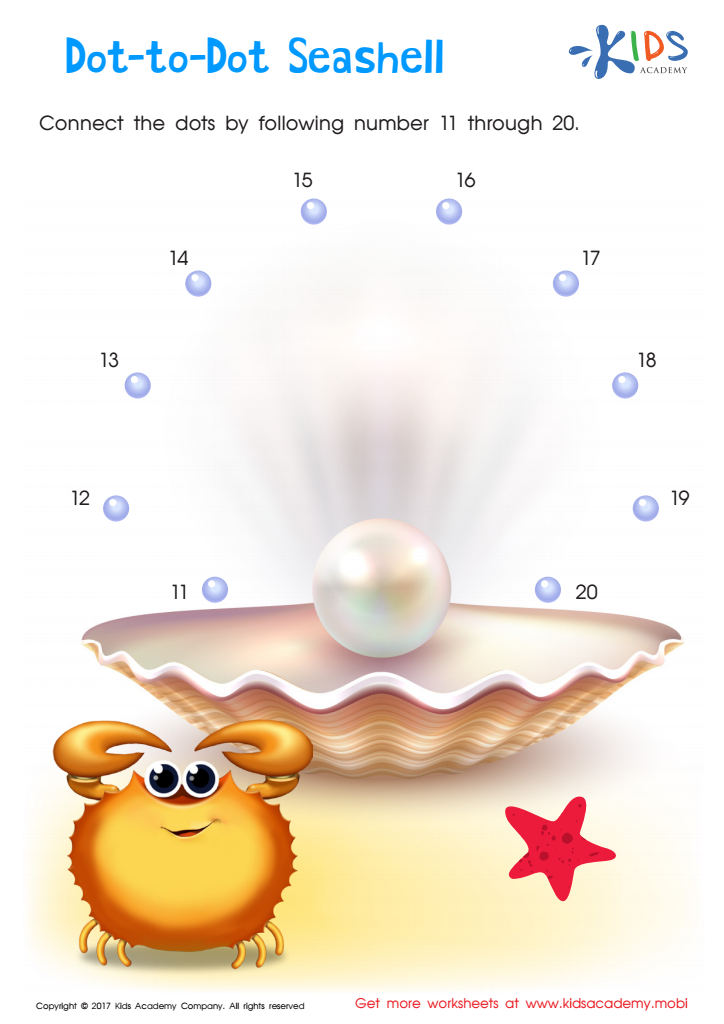
Ordering 11–20: Dot–to–dot Seashell Printable
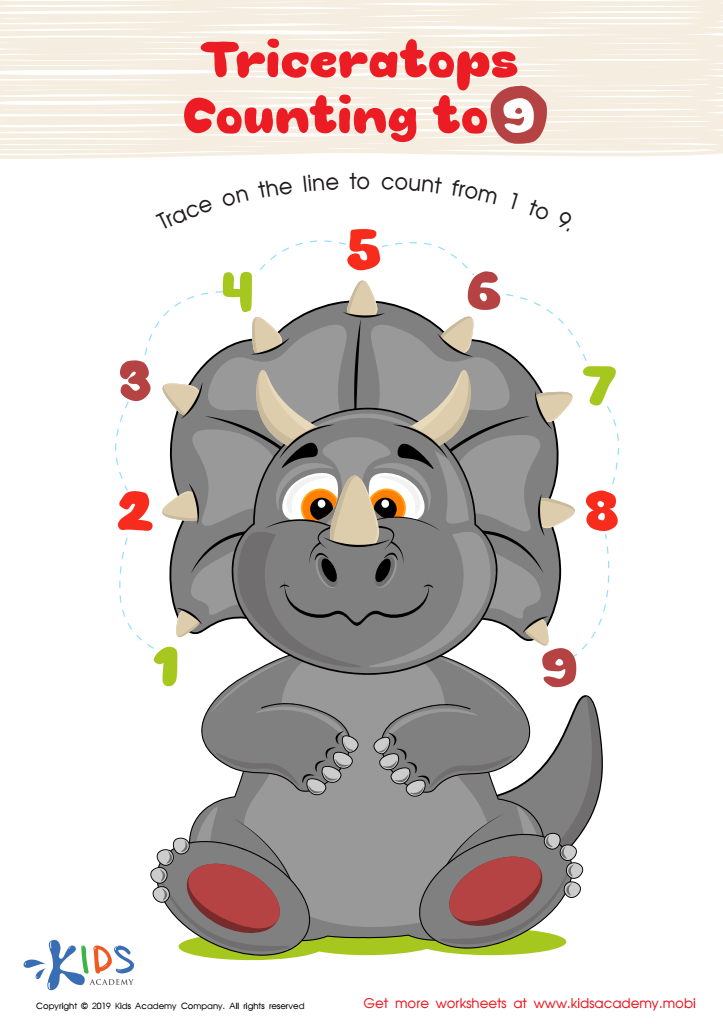
Triceratops Counting to 9 Worksheet

Counting on the City Skyline: Dot-to-Dot Worksheet
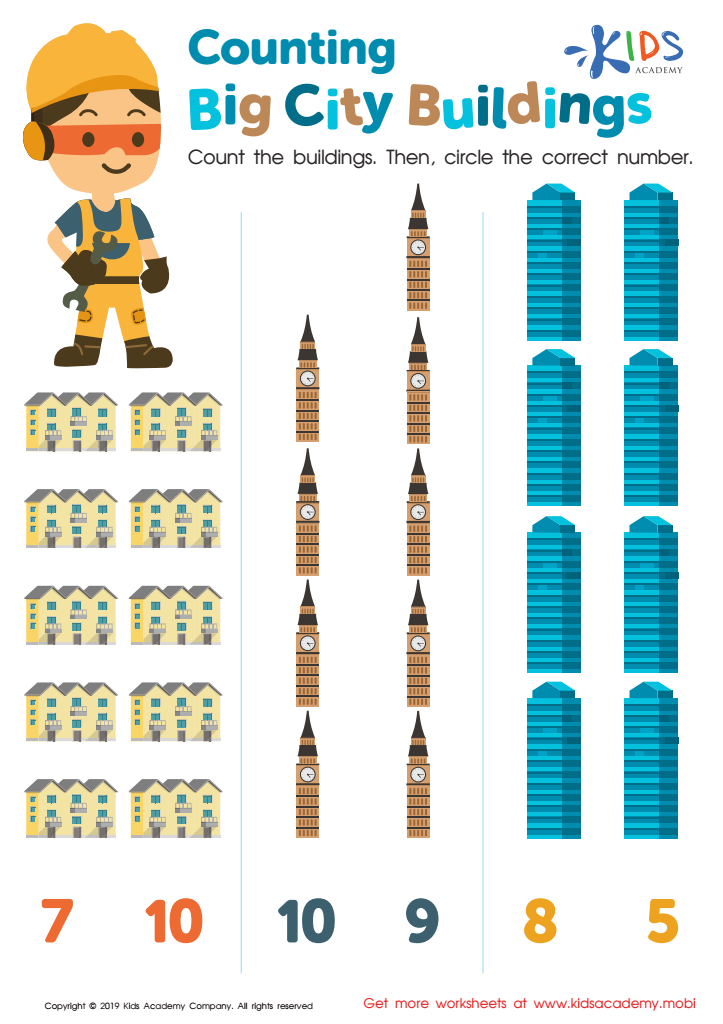
Counting Big City Buildings Worksheet
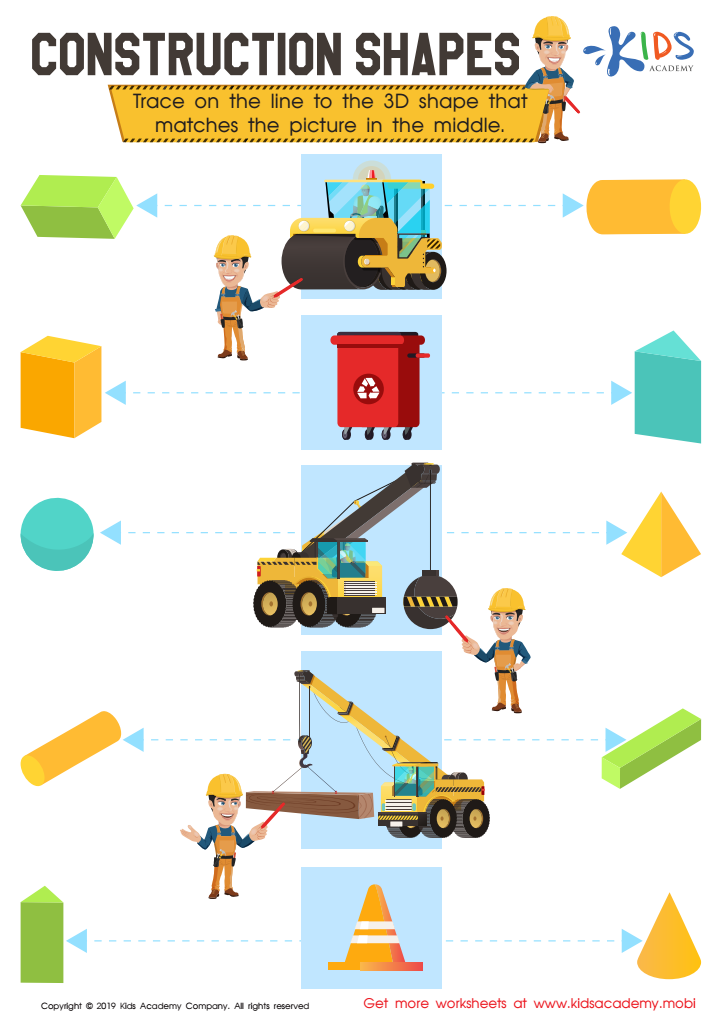
Construction Shapes Worksheet

Night Sky Numbers Worksheet








Fine motor skills are crucial for children ages 5-8, as they lay the foundation for essential tasks such as writing, drawing, and manipulating small objects. These skills are formalized through "Easy Math" activities, which integrate hands-on, engaging tasks that improve dexterity while teaching fundamental math concepts. Parents and teachers should prioritize this developmental aspect because it boosts academic performance, fosters independence, and enhances problem-solving abilities.
Strong fine motor skills are linked to improved writing capabilities, allowing children to express their ideas with clarity and detail. Additionally, as children refine their grip and hand-eye coordination, they become more confident in their ability to engage in both academic and everyday tasks, from coloring to tying shoelaces.
Moreover, incorporating math activities that require fine motor skill engagement—such as counting using beads or sorting shapes—can make learning more interactive and enjoyable. This approach not only alleviates the burden of tedious repetition but also excites young learners about numbers and computation.
In summary, fostering fine motor skills through easy math activities translates into holistic development, promoting cognitive growth and fine-tuning essential bodily coordination, thereby benefiting children's overall skill set and readiness for future challenges.








