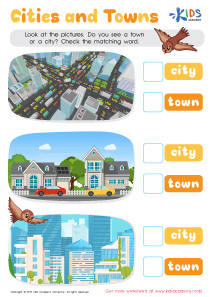
Shape Recognition Easy Reading Worksheets for Ages 5-8
3 filtered results
-
From - To
Discover our engaging Shape Recognition Easy Reading Worksheets, specially designed for children ages 5-8! These worksheets offer a fun and interactive way to develop essential reading and shape recognition skills. Through colorful illustrations and age-appropriate activities, kids will learn to identify various shapes while enhancing their literacy abilities. Each worksheet is crafted to promote learning through play, making educational experiences enjoyable. Parents and teachers will find these resources valuable for home and classroom settings, aiding children in mastering shape recognition in a simple, effective manner. Download our free worksheets today and watch your child’s learning journey take shape!
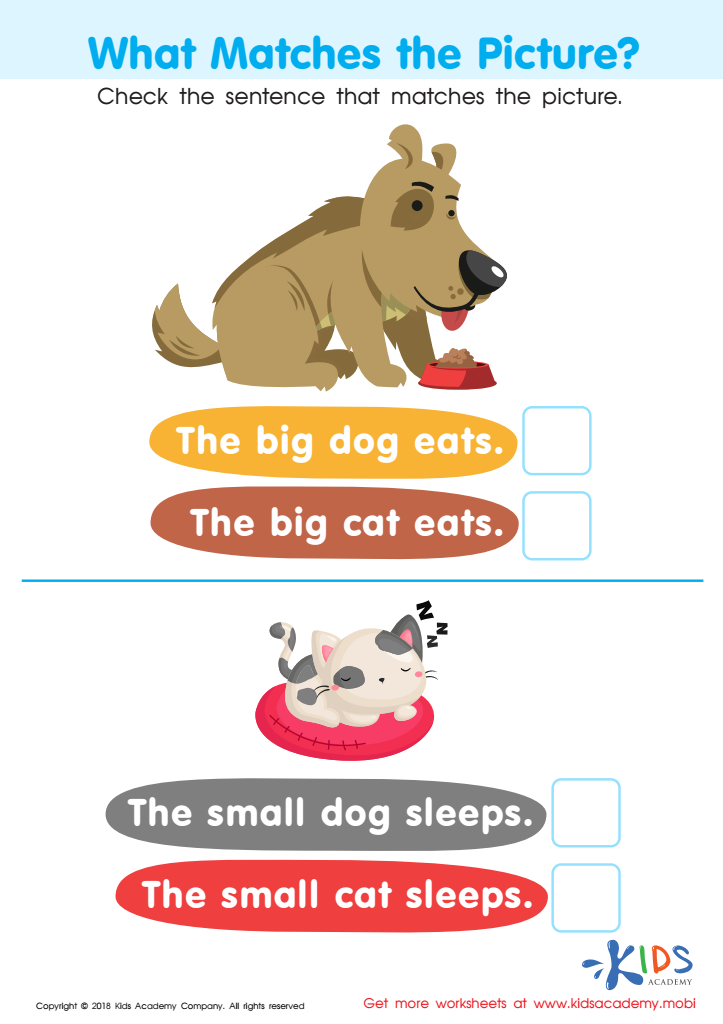
What Matches the Picture? Worksheet
 Assign to My Students
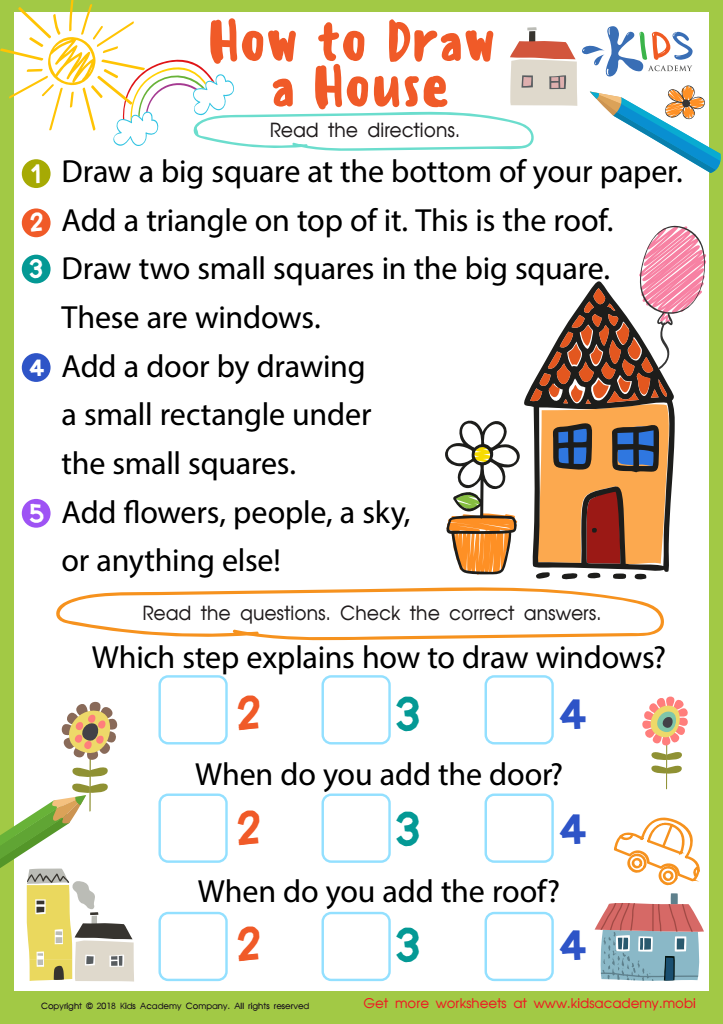
How to Draw House Worksheet
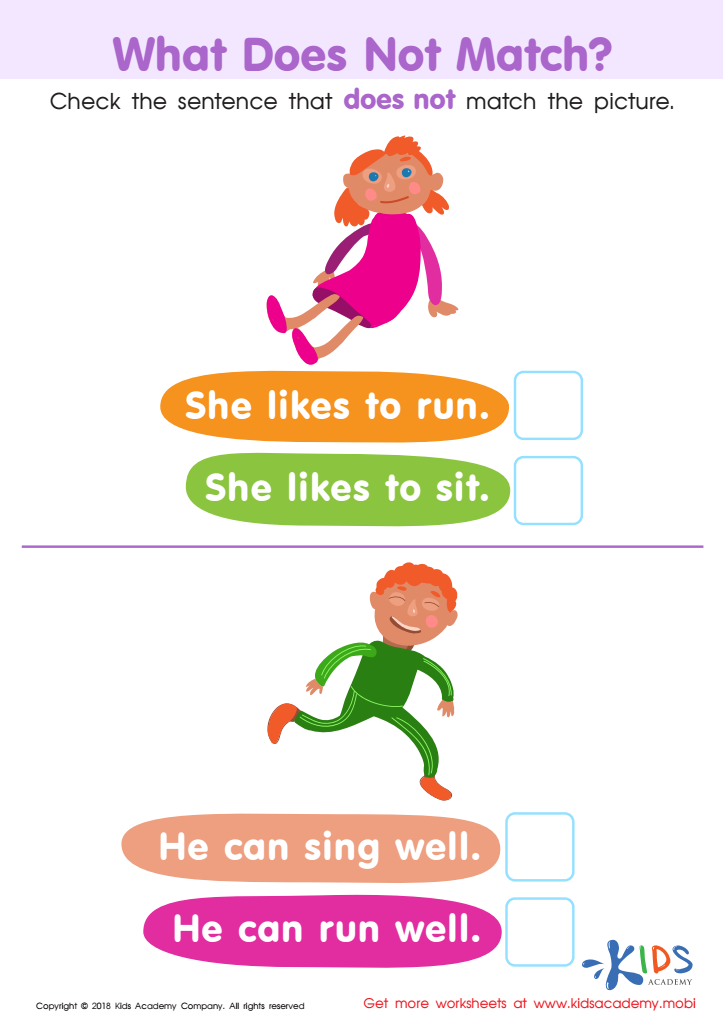
What Does Not Match? Worksheet





.jpg)


Shape recognition is a fundamental skill for children aged 5-8, serving as a crucial building block for their cognitive, mathematical, and spatial development. Parents and teachers should prioritize this area of learning because it lays the groundwork for problem-solving and critical thinking abilities. Understanding shapes helps children identify and categorize objects in their environment, enhancing their observational skills.
Moreover, shape recognition supports early literacy as children learn to recognize shapes in letters and numbers. When children differentiate shapes, they also strengthen their memory retention and visual recognition, which are essential for successful learning outcomes. Engaging children in activities that promote shape recognition can enhance their fine motor skills through drawing, cutting, and crafting.
Additionally, incorporating shape activities into playtime fosters creativity and imagination. It encourages learners to express themselves and explore geometric concepts through play, making learning enjoyable and interactive. Parents and teachers who emphasize shape recognition cultivate a love for learning in young children, setting a positive tone for future educational endeavors. Investing time in activities focused on shape recognition ultimately prepares children with the skills necessary for higher academic achievements and daily life problem-solving, making it a valuable area of focus in early education.