Vocabulary enhancement Easy Reading Fiction Worksheets for Ages 5-8
6 filtered results
Difficulty Level
Grade
Age
-
From - To
Subject
Activity
Standards
Enhance your child’s vocabulary with our engaging Easy Reading Fiction Worksheets designed for ages 5-8. Tailored to foster a love of reading, these worksheets incorporate fun stories that captivate young minds while introducing new words in an enjoyable context. Through various activities such as matching words, fill-in-the-blanks, and comprehension questions, children will build their vocabulary skills effortlessly. Our resources provide a perfect balance of education and entertainment, ensuring that learning feels like play. Encourage your child's literacy journey and boost their confidence with our expertly crafted worksheets, perfect for both home and classroom use. Start exploring today!
Favorites
With answer key
Interactive
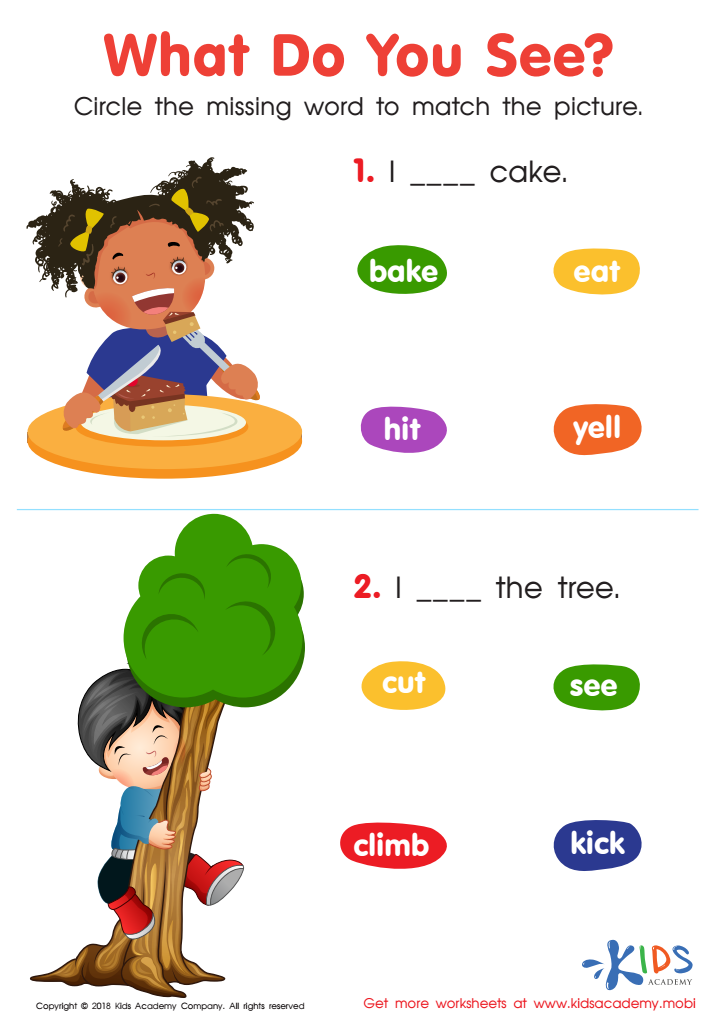
What Do You See? Reading Worksheet
New readers can use the attractive pictures and high-frequency words on this worksheet to practice expressive language skills and decode as they fill in the blanks. As they circle the correct words, they'll feel like reading superstars!
What Do You See? Reading Worksheet
Worksheet
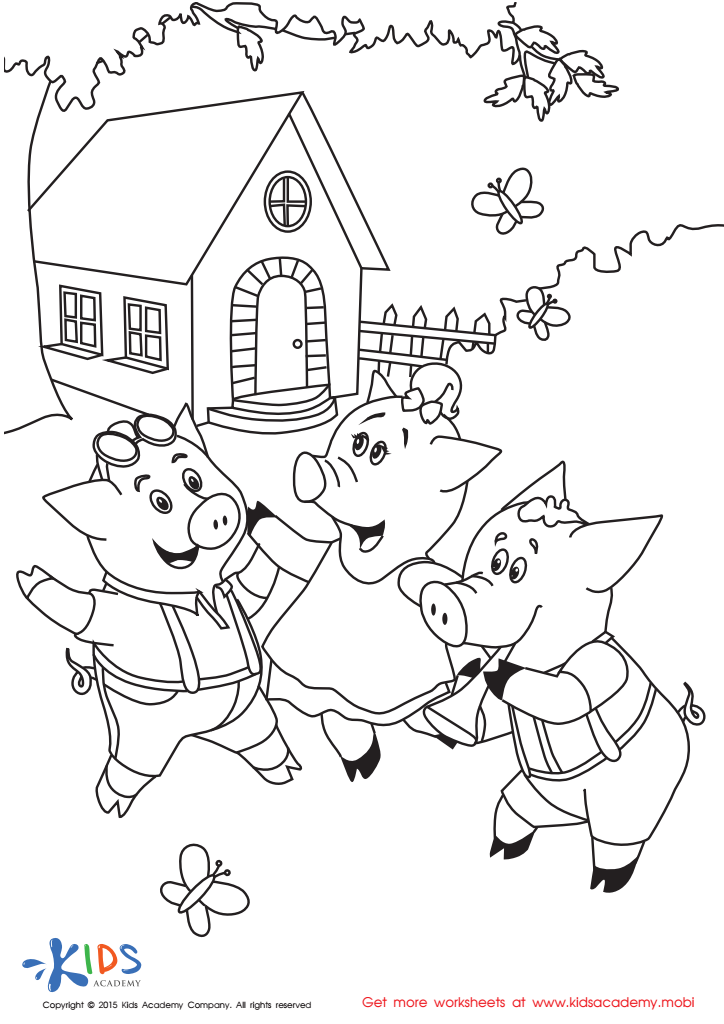
Folktales Printable PDF Worksheet: The 3 Little Pigs
Then, help your child to color the scene with pink piglets, blue sky and green grass. Make the brick house bright and vivid. Enjoy!
Download (PDF)
 Assign to My Students
Assign to My Students
Folktales Printable PDF Worksheet: The 3 Little Pigs
Worksheet
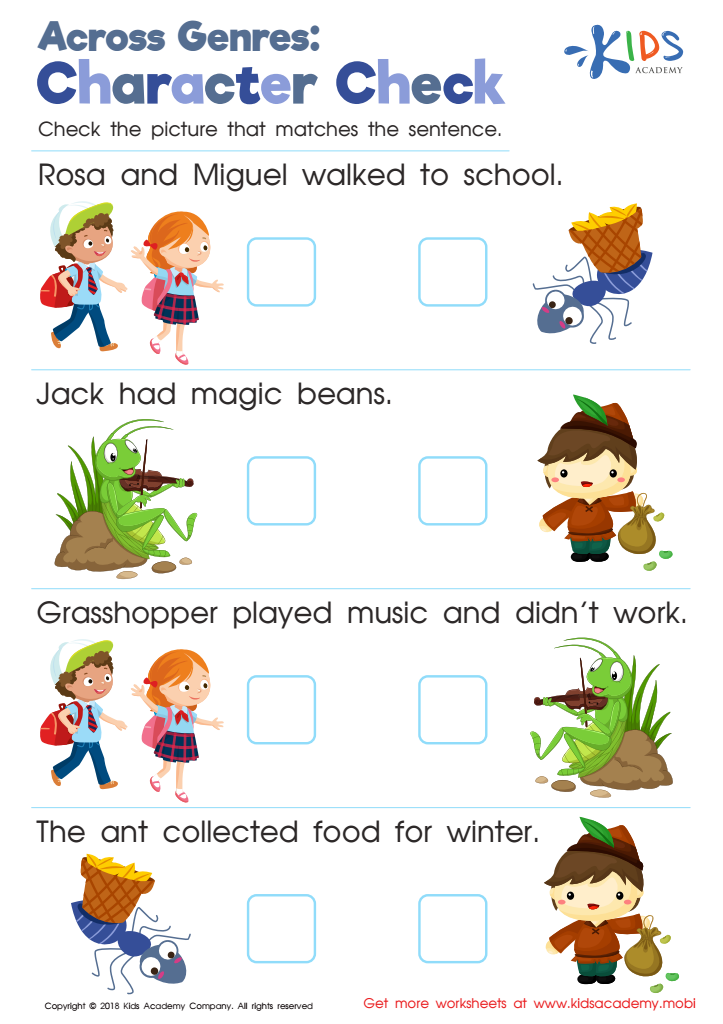
Across Genres: Character Check Worksheet
Read the sentences to your kids, then have them match the pictures to them. Ask them to look at the pictures and help them check which one goes with the sentence. The aim is to see how well they can do this exercise. (80 words)
Across Genres: Character Check Worksheet
Worksheet
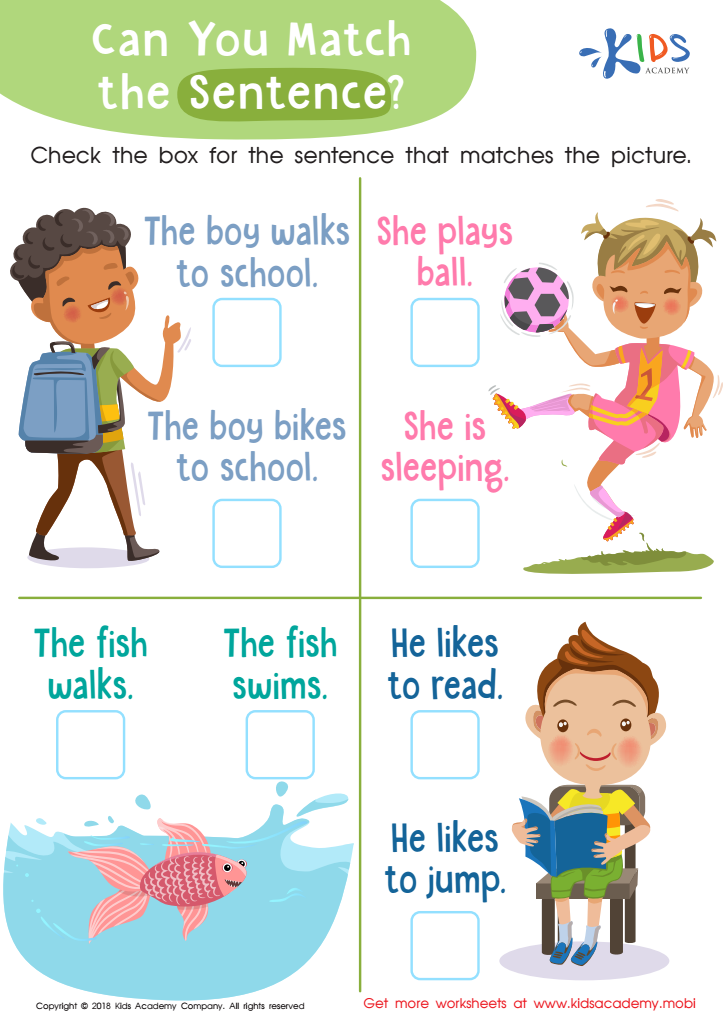
Can You Match the Sentence? Worksheet
Kids gain fluency with this worksheet which uses bright pictures. They select the sentence that matches the image and check the box. This repetition of words and phrases helps them improve their reading skills while having fun.
Can You Match the Sentence? Worksheet
Worksheet
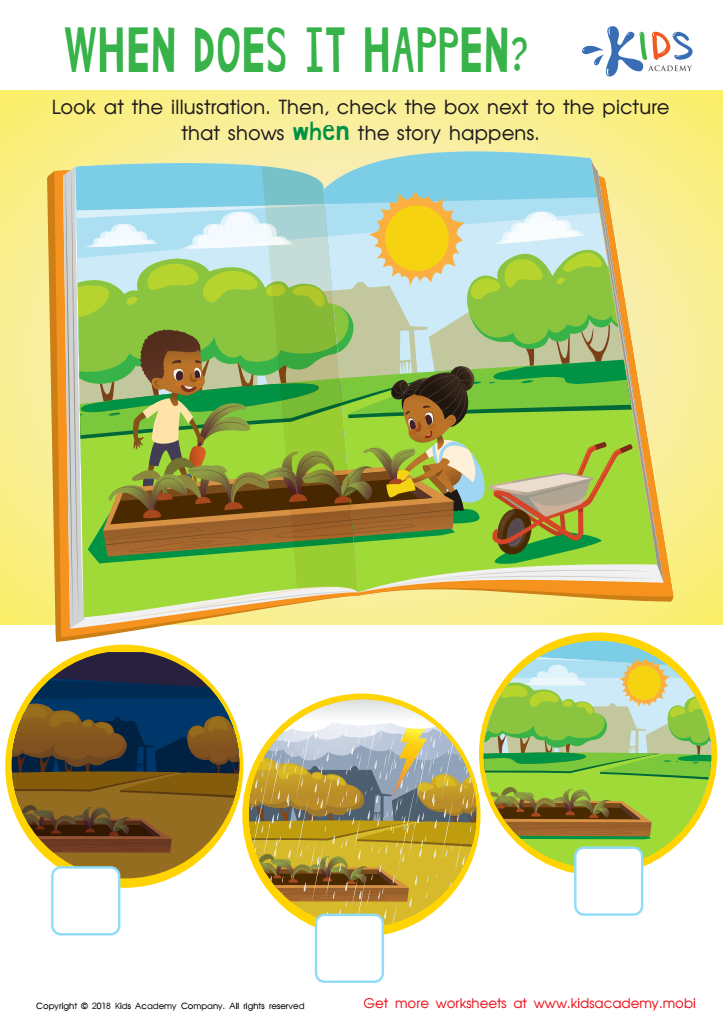
When Does It Happen? Worksheet
Help your kids learn about the different times of day and when events occur using this worksheet. Ask them to look at the pictures and determine which box shows when the story happened. Then, discuss how they can use this knowledge to better describe events that occur.
When Does It Happen? Worksheet
Worksheet
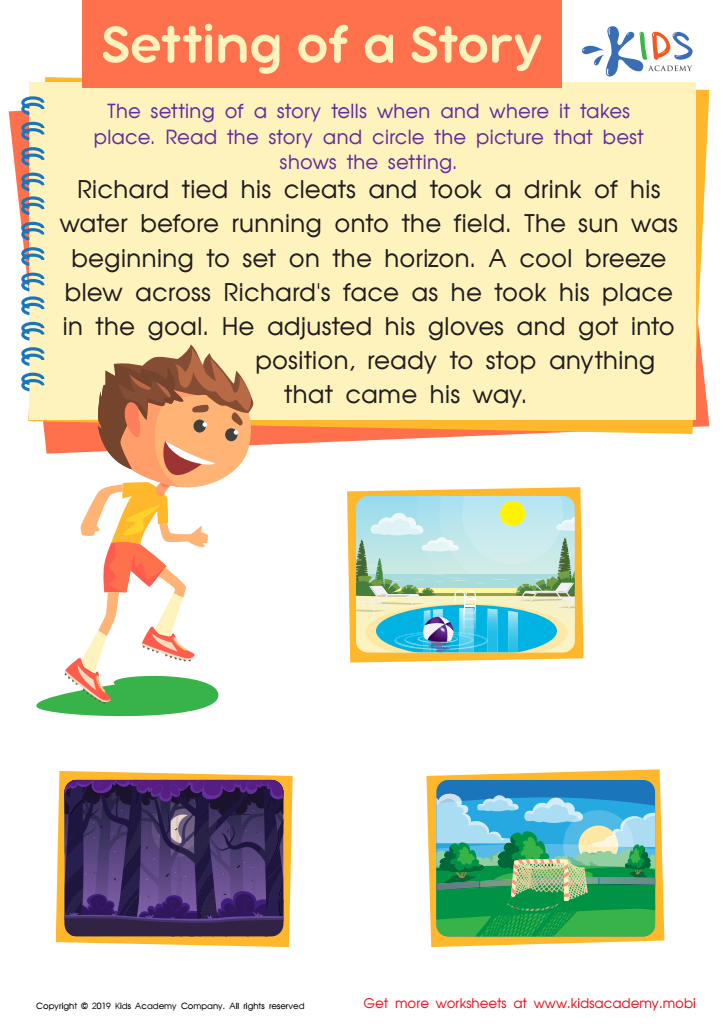
Setting of a Story Worksheet
You need characters, theme, POV, plot and setting to tell a good story. Ask your kids to explain them and use this worksheet with a story to teach them about setting. Read the story with your kids, then have them circle the picture that best shows the setting.
Setting of a Story Worksheet
Worksheet
Join Kids Academy for Free
Who is primarily going to use this learning content?




.jpg)

.jpg)

Vocabulary enhancement through easy reading fiction for ages 5-8 is critical for children's linguistic and cognitive development. At this age, children are highly receptive to new words and concepts, making it an optimal time for vocabulary building. Exposure to rich vocabulary in engaging, age-appropriate stories helps foster comprehension skills, enabling children to understand context and nuances in language.
Easy reading fiction often incorporates repetition, rhythm, and rhyme, which not only makes reading enjoyable but also reinforces language patterns. This kind of literature promotes a love for reading from an early age, encouraging children to become independent readers. Enhanced vocabulary is directly linked to improved academic performance across subjects, as strong language skills facilitate better communication and critical thinking.
Moreover, the stories in easy reading fiction often convey moral lessons, cultural values, and social cues, providing children with essential tools for understanding the world around them. For parents and teachers, nurturing vocabularies through such material not only supports literacy development but also strengthens the foundational skills needed for lifelong learning. Investing time in reading and discussing engaging fiction allows for meaningful interactions and fosters a supportive learning environment that benefits children both academically and personally.