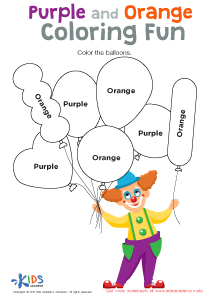
Alphabet Recognition Easy English for Beginners Worksheets for Ages 5-9
6 filtered results
-
From - To
Discover our engaging "Alphabet Recognition Easy English for Beginners Worksheets" designed specifically for children aged 5-9! Perfect for young learners, these worksheets help foster foundational literacy skills by introducing the English alphabet through fun activities. Our materials promote letter recognition, phonemic awareness, and early reading abilities, ensuring a comprehensive learning experience. Each worksheet features colorful illustrations and interactive exercises tailored for ESL learners, making it easy for kids to grasp each letter's shape and sound. Make learning enjoyable and effective with our thoughtfully created resources that empower young minds to thrive in English language learning! Download today to start the adventure!
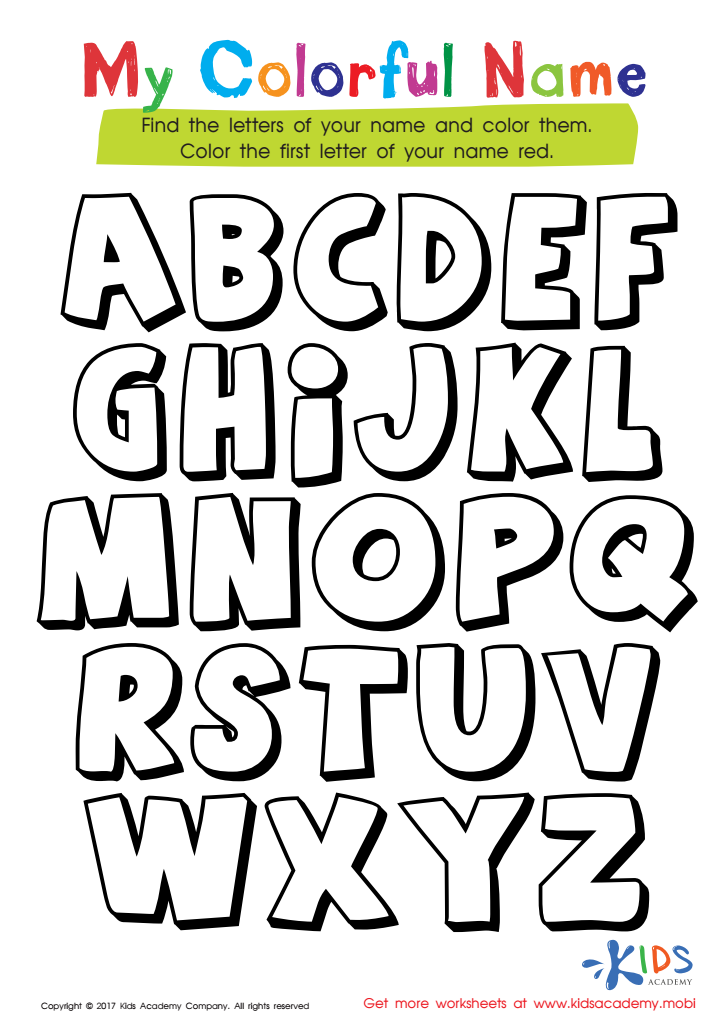
My Colorful Name Worksheet
 Assign to My Students
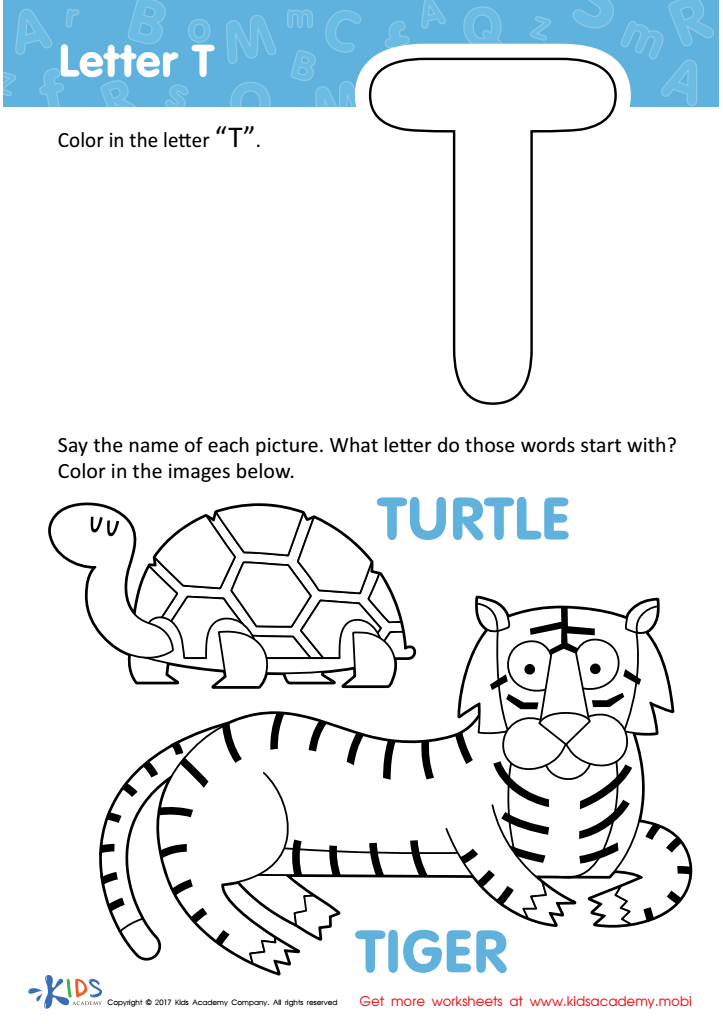
Letter T Coloring Sheet
Assign to My Students
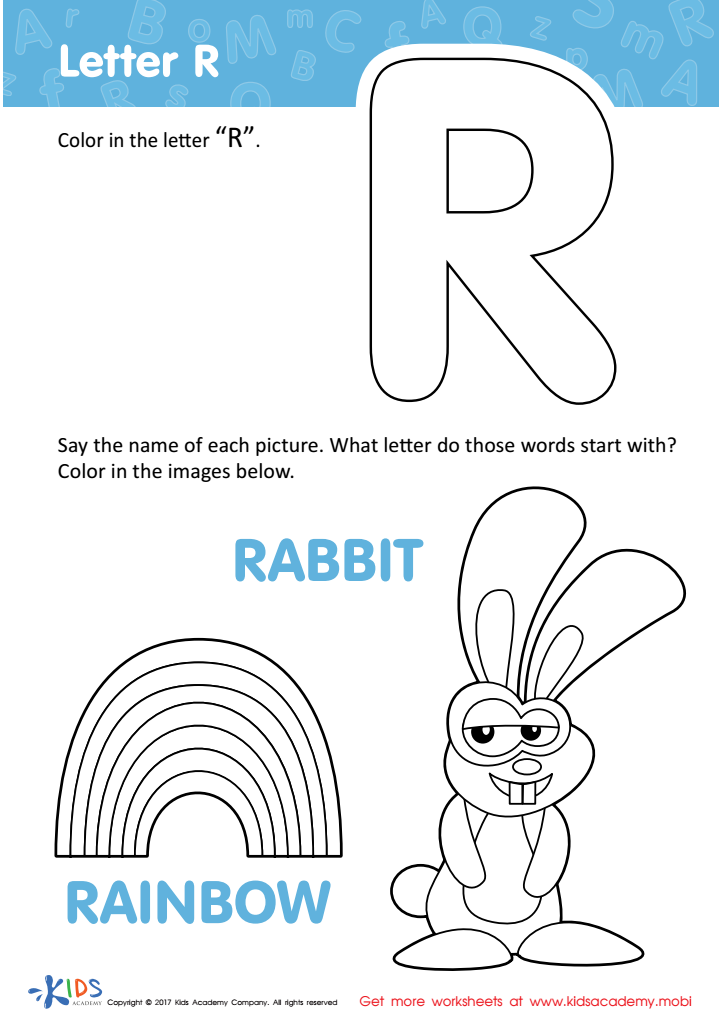
Letter R Coloring Sheet
Assign to My Students
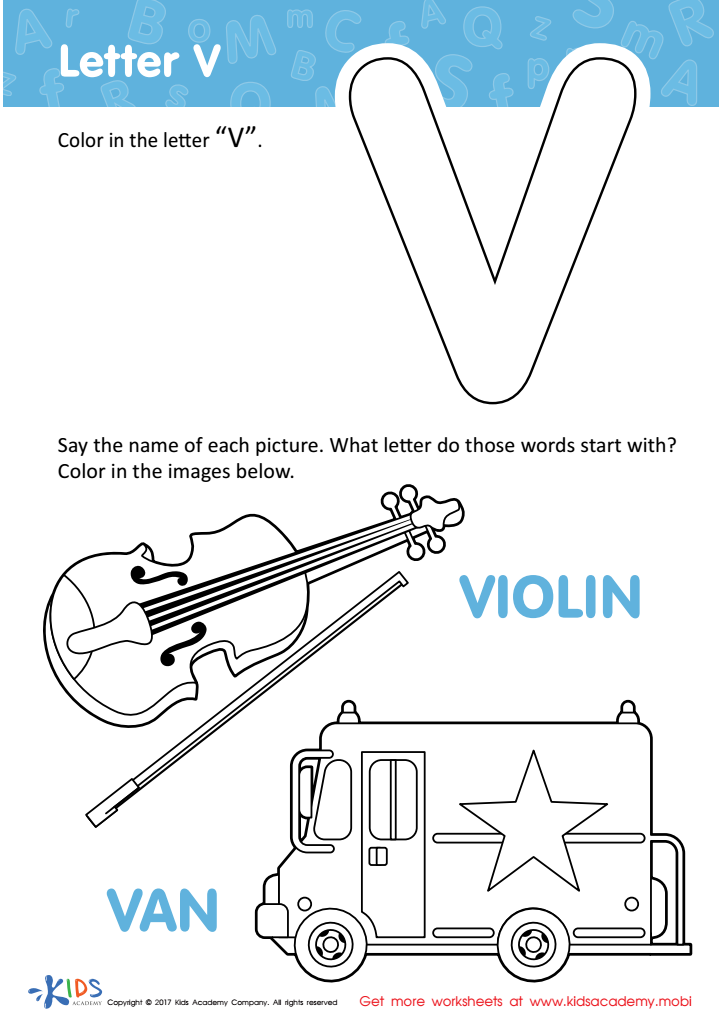
Letter V Coloring Sheet
Assign to My Students
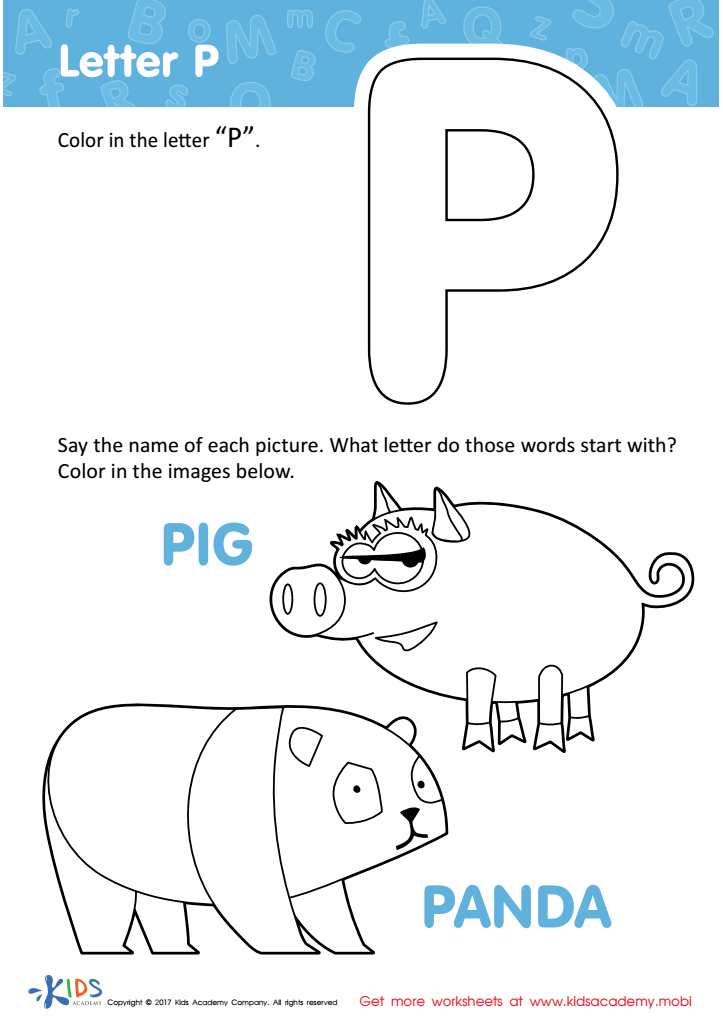
Letter P Coloring Sheet
Assign to My Students
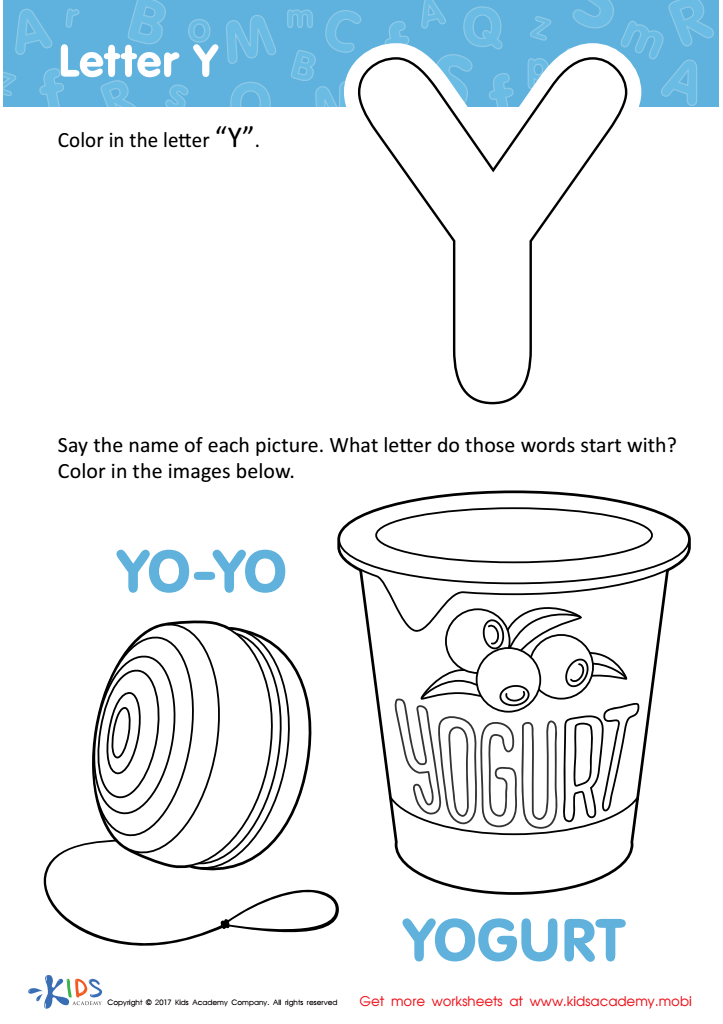
Letter Y Coloring Sheet
Assign to My Students




Alphabet recognition is a foundational skill critical for young learners, especially those aged 5-9. Parents and teachers should value this stage of literacy development because it lays the groundwork for reading, writing, and overall academic success. When children can recognize letters, they can begin to understand the relationship between letters and sounds, an essential part of phonics that leads to decoding words.
Moreover, engaging with easy English alphabet recognition activities can make learning enjoyable, sparking curiosity and a love for language in children. These skills not only enhance children's communication abilities but also boost their confidence in expressing themselves.
Furthermore, early proficiency in alphabet recognition contributes to improved reading comprehension later on, as children become more adept at recognizing words and making meaning from text. Early training in these skills can also bridge learning gaps, as many students vary widely in their readiness and interest. This targeted focus helps provide equal opportunities for all children.
By investing time and resources into Alphabet Recognition for beginners, parents and teachers collectively cultivate a supportive learning environment that promotes cognitive development, encourages curiosity, and equips children for the challenges of future learning.