Attention to Detail Easy Worksheets for Ages 5-9
5 filtered results
-
From - To
Discover our "Attention to Detail Easy Worksheets" designed specifically for children aged 5-9! These engaging worksheets focus on enhancing critical observation skills with a variety of fun and interactive activities. Ideal for young learners, each worksheet encourages concentration and details recognition through colorful illustrations and relatable themes. From spotting differences to completing patterns, your kids will enjoy honing their attention to detail while developing essential cognitive skills. Perfect for both classroom settings and at-home practice, these worksheets provide a fantastic way to support your child’s learning journey. Empower your child’s educational adventure today with our thoughtfully curated resources!
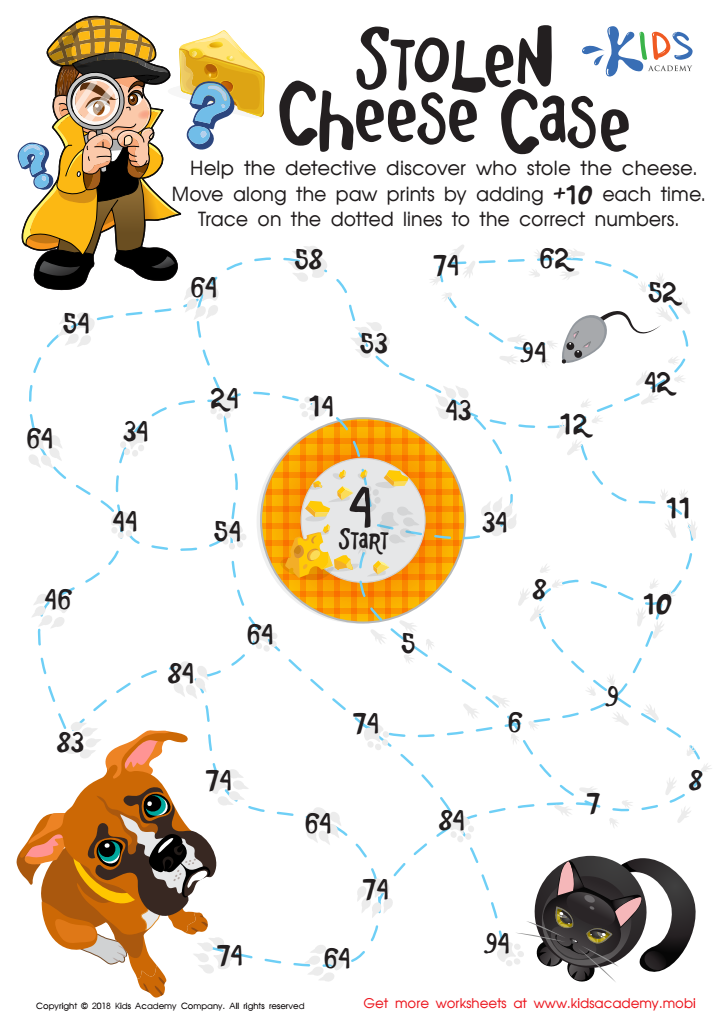
Stolen Cheese Case Maze Worksheet
 Assign to My Students
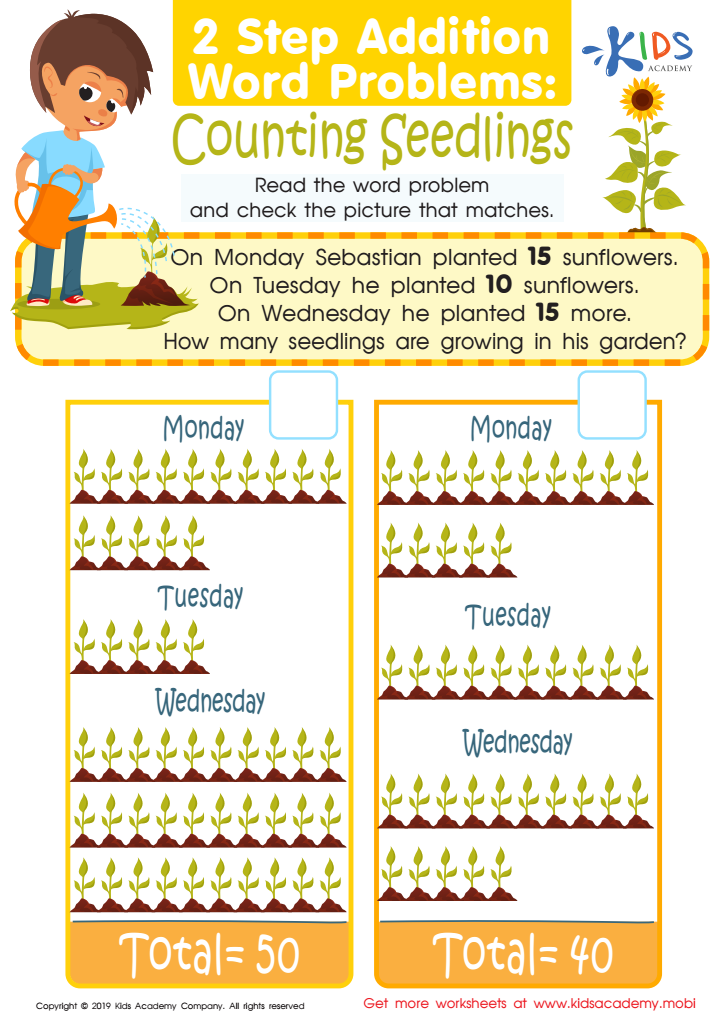
Counting Seedlings Worksheet
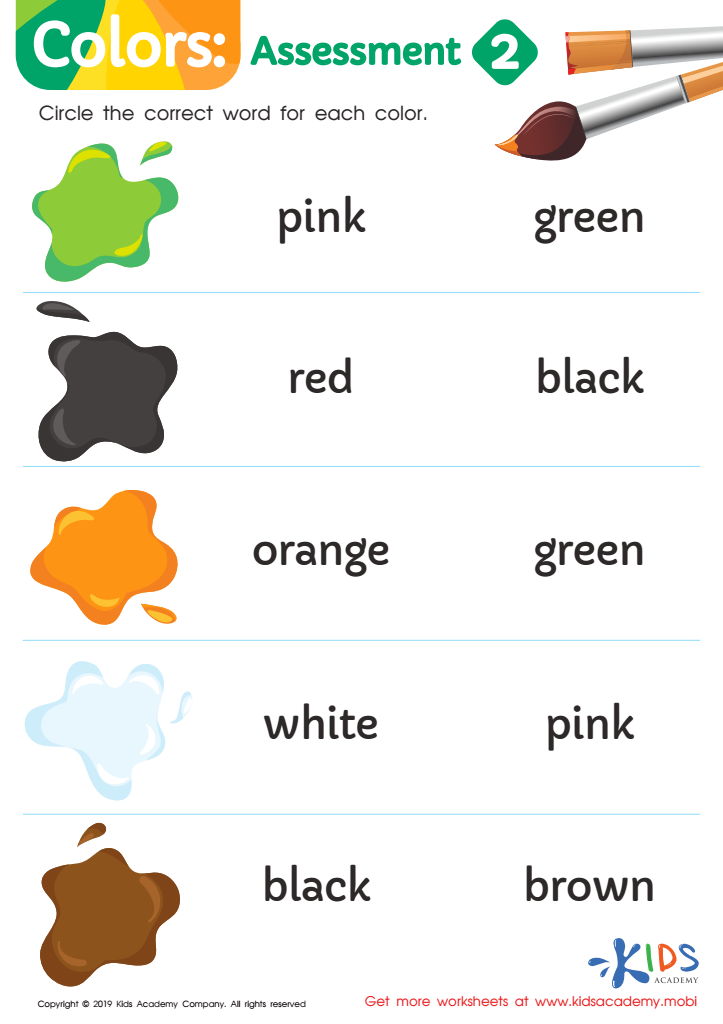
Colors: Assessment 2 Worksheet

Cities Worksheet
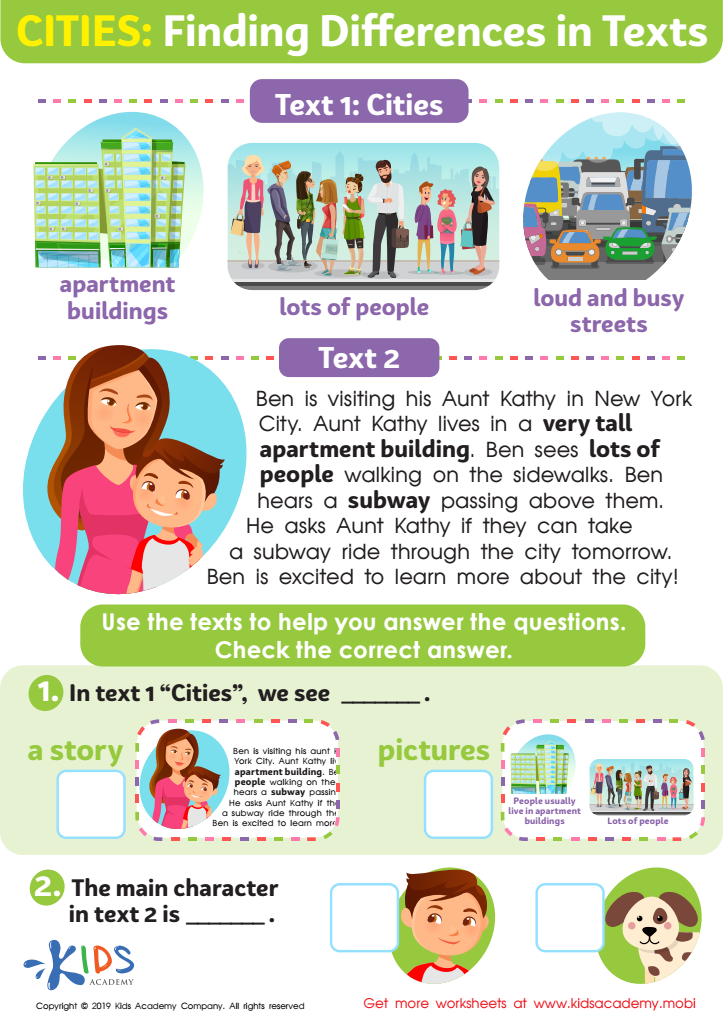
Cities: Finding Differences Worksheet








Attention to detail is a crucial skill for children aged 5-9, as it significantly impacts their learning and overall development. Parents and teachers should care about fostering this skill, as it lays the foundation for effective problem-solving, character building, and academic success. When children focus on details, they learn to read more comprehensively, follow instructions carefully, and notice patterns in math and science. This ability enhances their critical thinking skills, allowing them to analyze information more thoroughly.
Moreover, attention to detail encourages creativity and self-expression in young children. When they pay close attention to their surroundings, they are more likely to notice and appreciate the nuances in art, literature, and social interactions. Such awareness helps in developing empathy and strong communication skills.
Additionally, encouraging attention to detail can mitigate challenges associated with learning difficulties, such as dyslexia or ADHD. By cultivating this skill through structured activities like puzzles, drawing, or detailed observations in nature, parents and teachers can boost children's confidence and resilience.
Ultimately, fostering attention to detail enriches children's educational experience, empowering them to engage with the world thoughtfully and actively, which will serve them well throughout their lives.








