Counting practice Easy Worksheets for Ages 5-9 - Page 2
29 filtered results
-
From - To
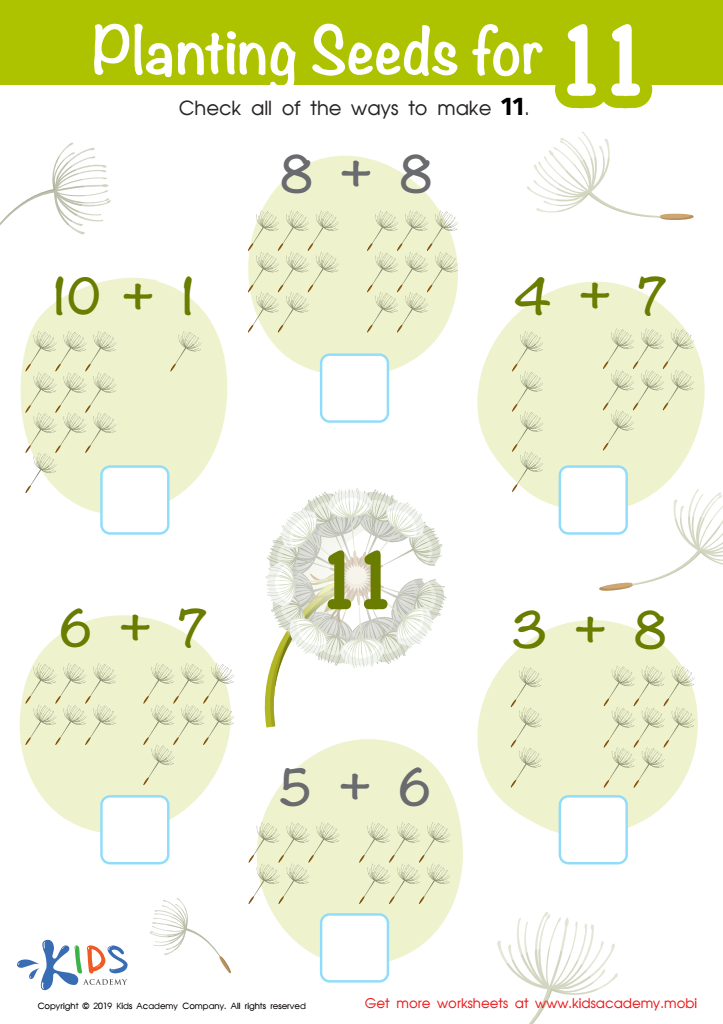
Planting Seeds for 11 Worksheet
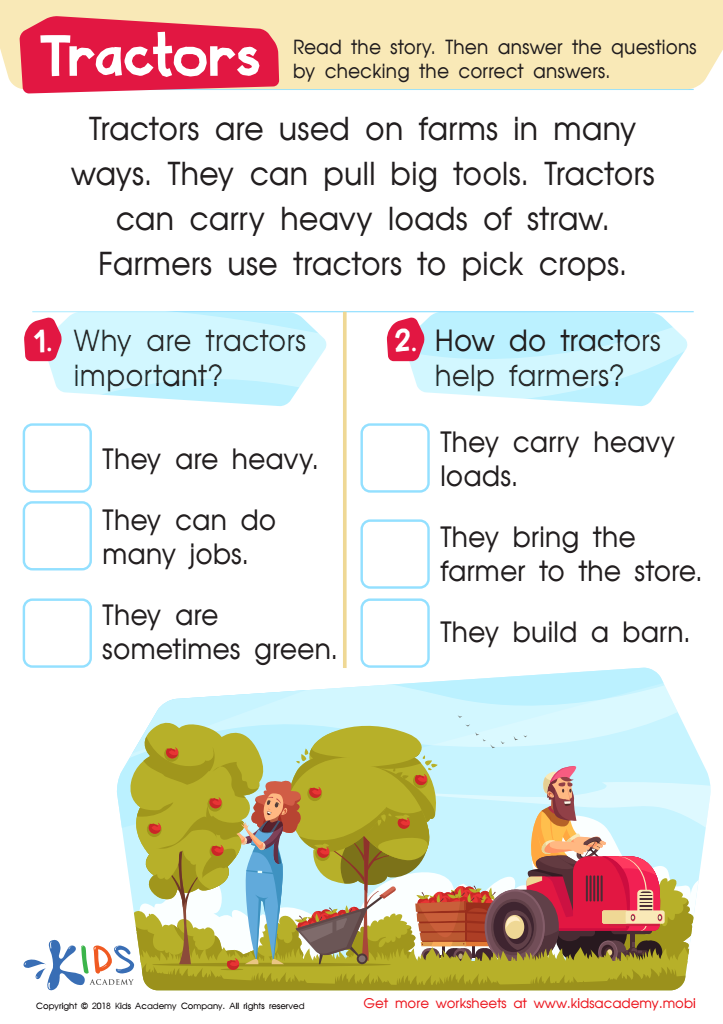
Tractors Worksheet

Make 6 Worksheet
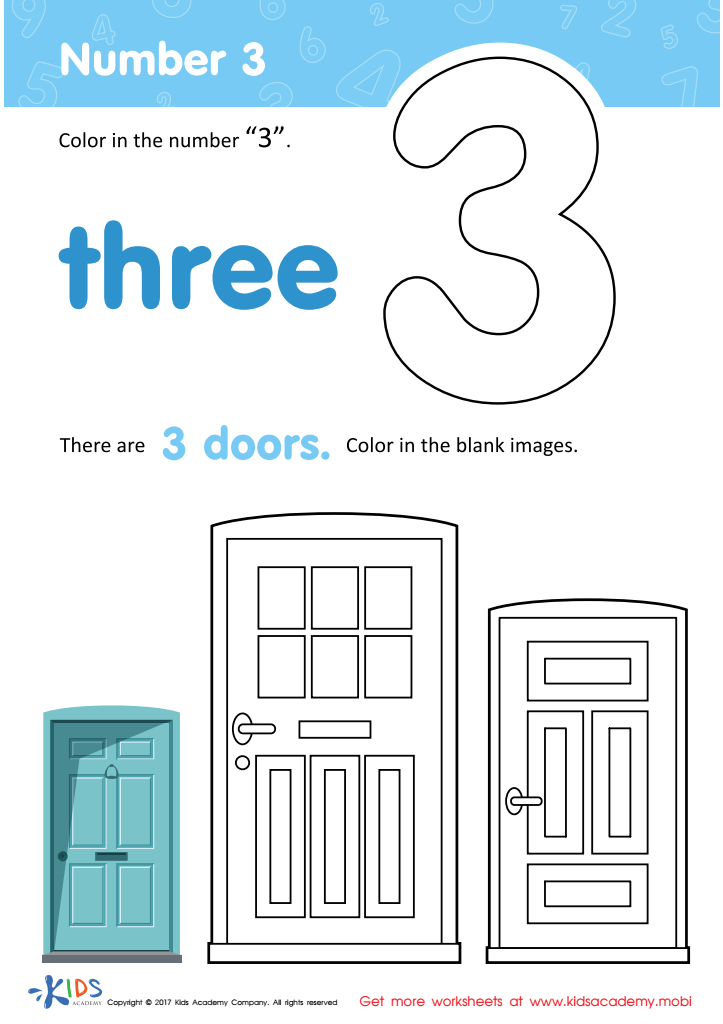
Number 3 Worksheet
 Assign to My Students

Counting on the City Skyline: Dot-to-Dot Worksheet








Counting practice is essential for children ages 5-9 as it lays the foundation for their mathematical understanding and critical thinking skills. At this age, children are naturally curious and eager to learn, making it an opportune time to develop their numerical skills. Engaging in counting activities helps improve not only their ability to identify and write numbers but also enhances their problem-solving skills.
By practicing counting, children learn to recognize patterns, which can aid in understanding concepts such as addition and subtraction later on. This foundational skill promotes cognitive development, boosts memory retention, and encourages a sense of accomplishment, which can foster a positive attitude toward learning.
For parents and teachers, incorporating counting practice into daily routines — through games, songs, or everyday tasks like counting objects — creates an enjoyable and low-pressure learning environment. This shared experience can strengthen relationships and improve children's self-confidence. Moreover, it equips them with essential skills that they will use throughout their academic journey and beyond. Hence, prioritizing counting practice is a significant investment in a child's educational and personal growth, making it crucial for both parents and teachers to care about and facilitate this learning process.








