Creativity development Easy Worksheets for Ages 5-9
3 filtered results
-
From - To
Unlock your child's imagination with our "Creativity Development Easy Worksheets for Ages 5-9". Designed to inspire and engage young minds, these worksheets incorporate fun activities that promote creative thinking, problem-solving, and artistic expression. Whether it's drawing, storytelling, or hands-on projects, each worksheet aims to build essential skills while making learning enjoyable. Perfect for classroom use or at-home practice, our user-friendly resources are crafted to nurture every child's unique creative potential in an educational and entertaining manner. Unleash the creative genius in your little learner with our specially curated worksheets!
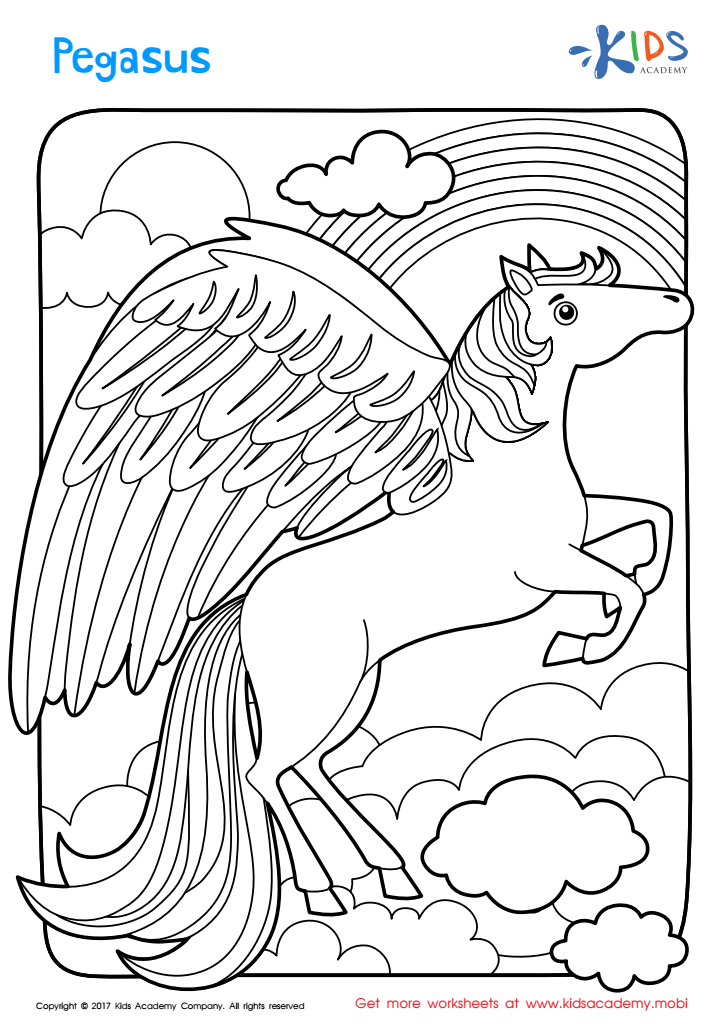
Pegasus Printable
 Assign to My Students
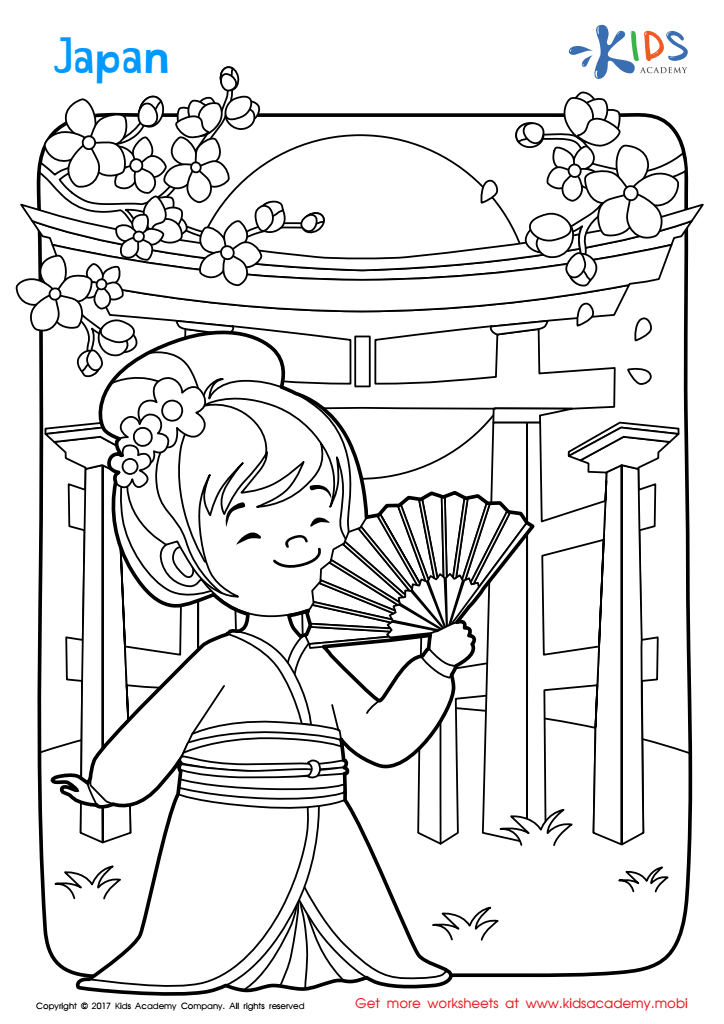
Japan Printable
Assign to My Students
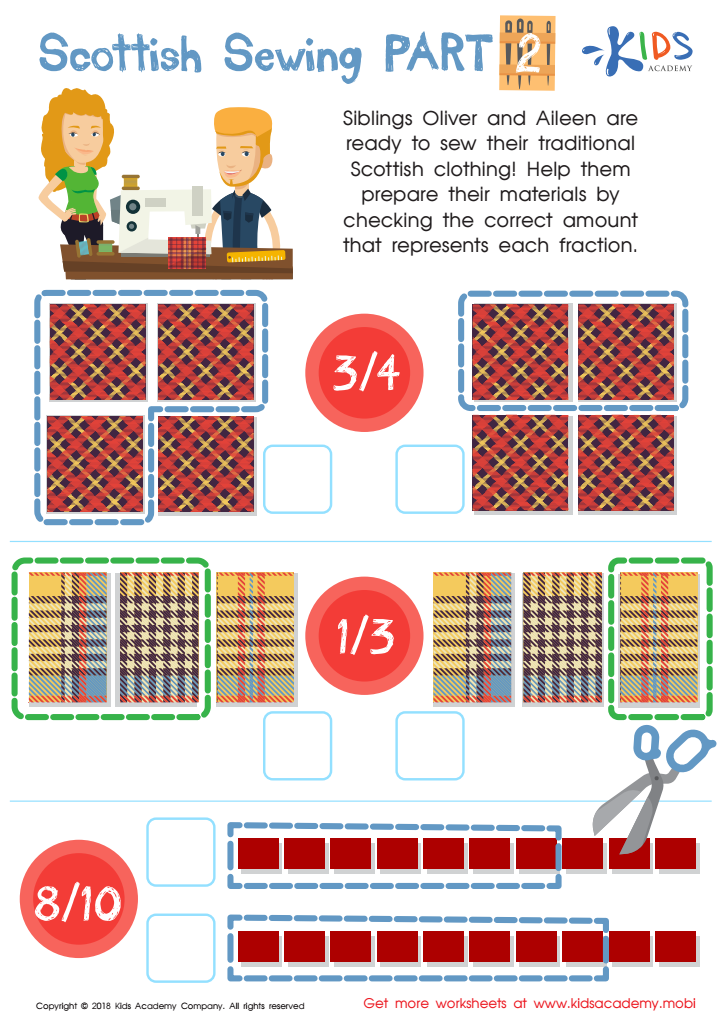
Scottish Sewing Part 2 Worksheet








Creativity development is crucial for children aged 5-9 because it lays the foundation for critical thinking, problem-solving, and emotional expression. At this formative stage, kids are naturally curious and imaginative, and nurturing this creativity can turn potential into lifelong skills. Encouraging creative activities such as drawing, storytelling, or role-playing helps children learn how to think outside the box, approach problems from different angles, and develop resilience when facing challenges.
Creativity also supports cognitive development. Through creative play, kids enhance their language skills, improve their fine motor coordination, and even build a better understanding of mathematical and scientific concepts. For example, constructing models with building blocks or inventing games can introduce them to basic principles of physics and teamwork.
On an emotional level, creativity is an outlet for self-expression. It helps children articulate their feelings, manage stress, and build confidence. When kids see their imaginative efforts valued by parents and teachers, their self-esteem grows, motivating them to take risks and innovate further.
Moreover, fostering creativity in a safe, encouraging environment helps develop social skills. Collaborative projects teach teamwork, sharing, and empathy as children learn to negotiate and appreciate different perspectives.
Therefore, prioritizing creativity isn't just about making art; it's about equipping kids with a versatile toolkit for life.








