Sequencing Skills Easy Worksheets for Ages 5-9
9 filtered results
-
From - To
Welcome to our "Sequencing Skills Easy Worksheets" designed specifically for children aged 5-9! These engaging worksheets will help young learners develop critical sequencing skills, essential for reading comprehension and logical thinking. Through fun activities such as arranging pictures, storytelling exercises, and simple puzzles, kids will enjoy practicing their sequencing abilities while enhancing their cognitive skills. Our worksheets cater to various learning styles and are ideal for use at home or in the classroom. Explore our collection today to boost your child's confidence and academic success while making learning an enjoyable adventure! Join us in nurturing curious minds!
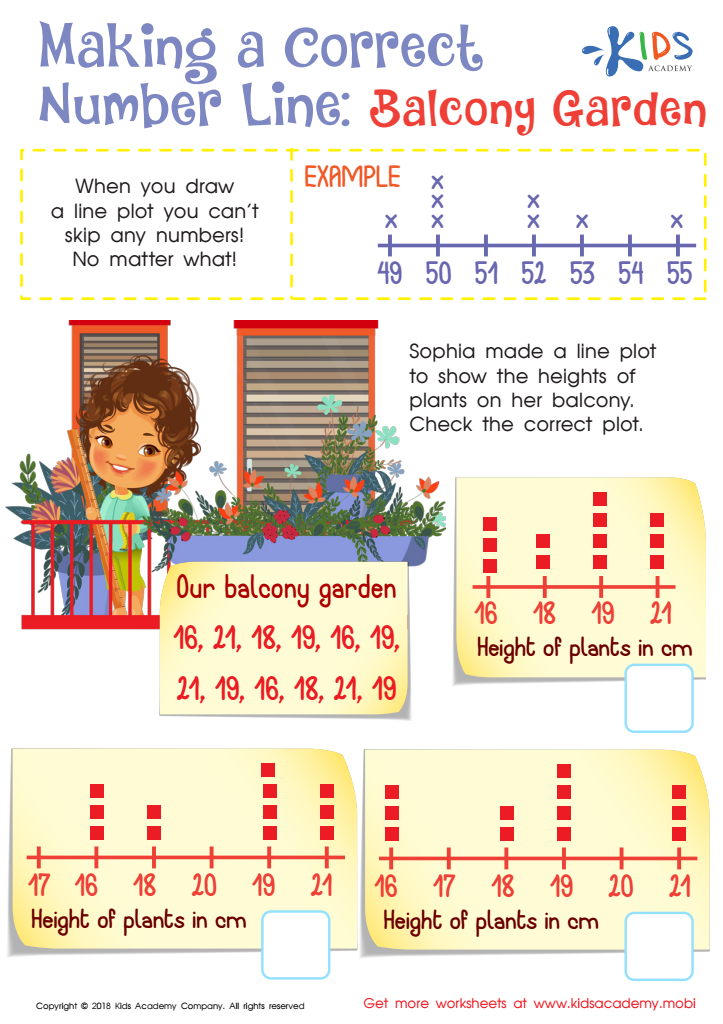
Making a Correct Number Line: Balcony Garden Worksheet
 Assign to My Students
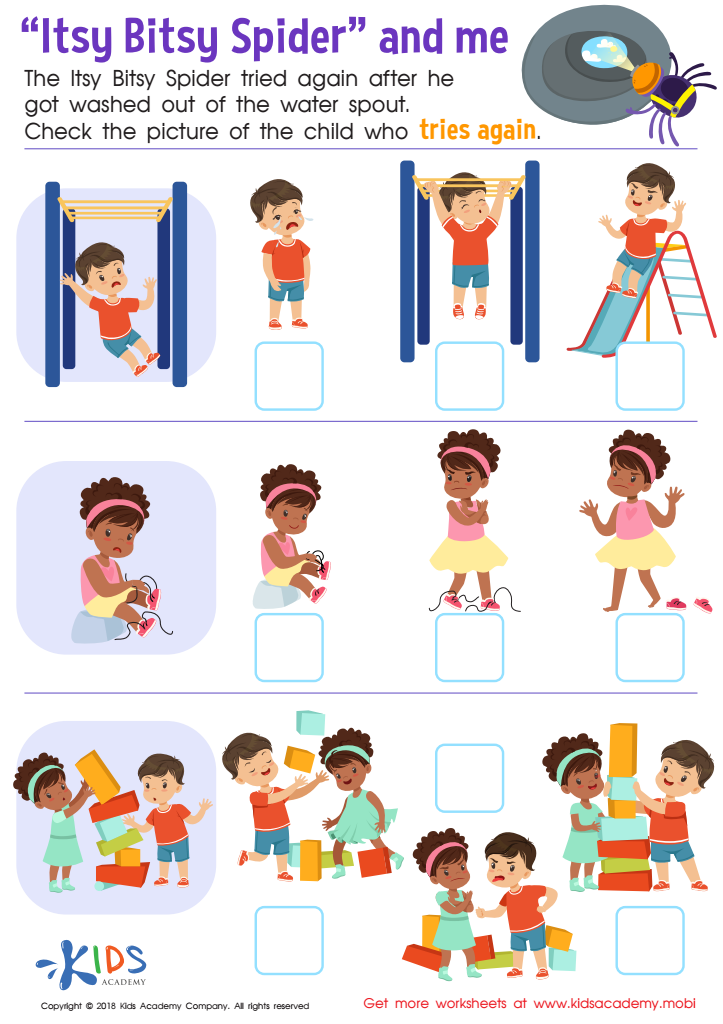
Itsy Bitsy Spider and Me Worksheet
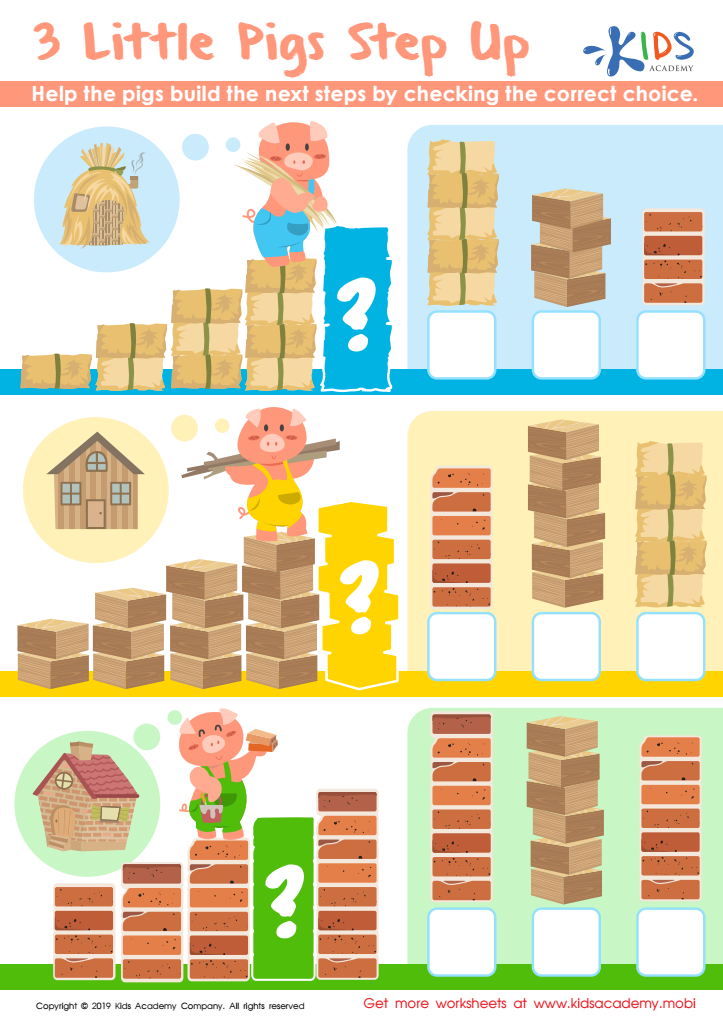
3 Little Pigs Step Up Worksheet
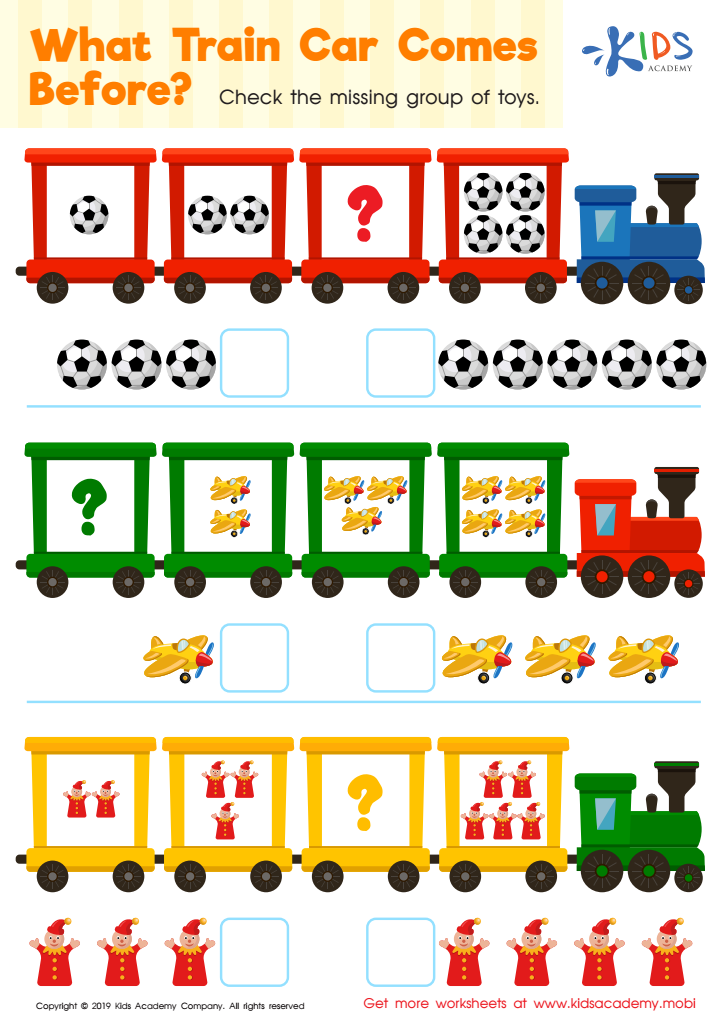
What Train Car Comes Before? Worksheet
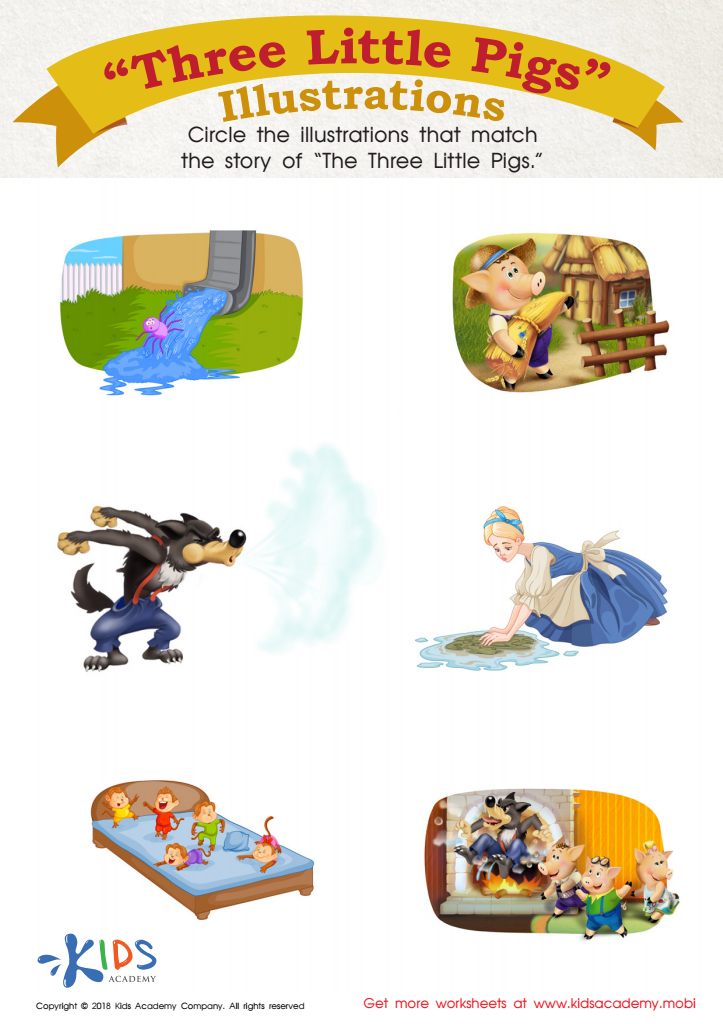
Three Little Pigs: Illustrations Worksheet

Transportation: Steps Worksheet
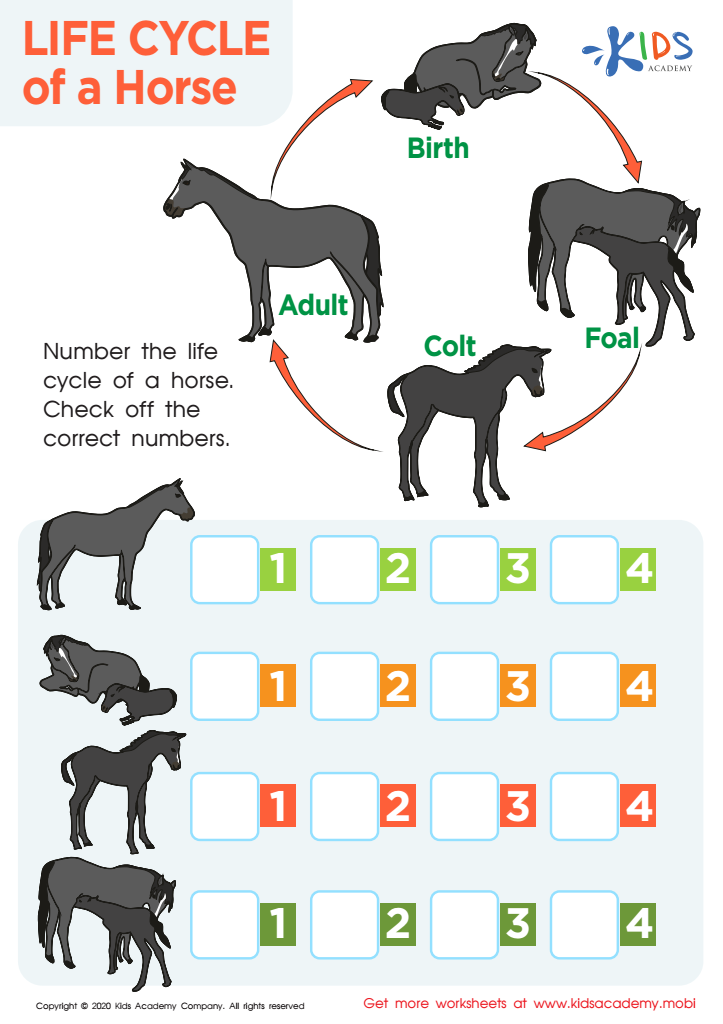
Life Cycle of a Horse Worksheet
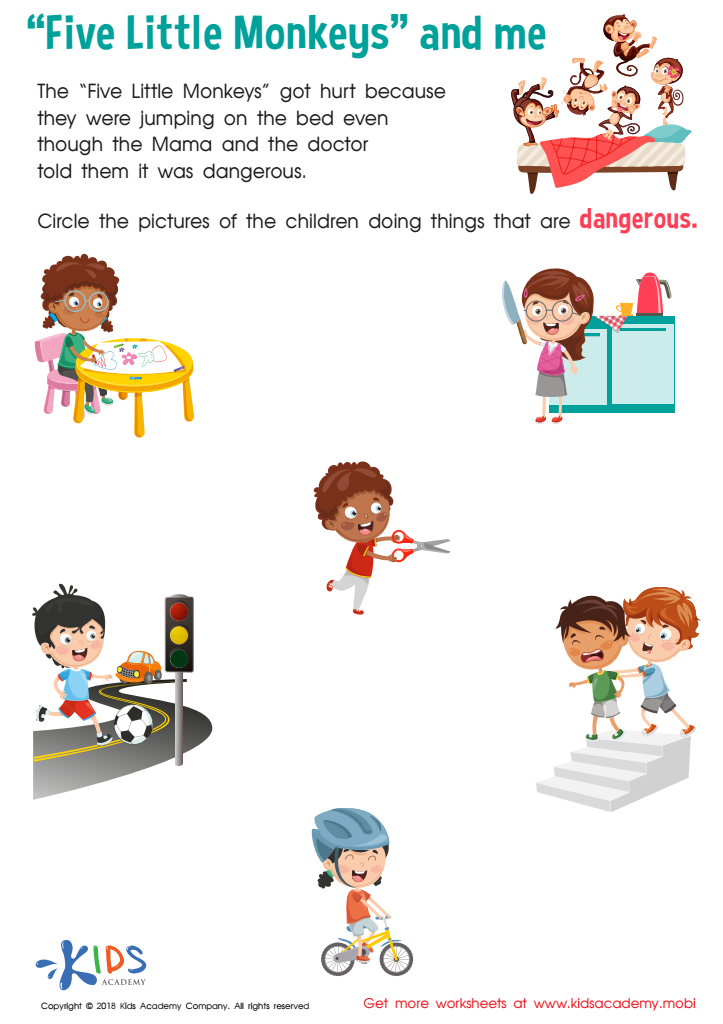
Five Little Monkeys and Me Worksheet
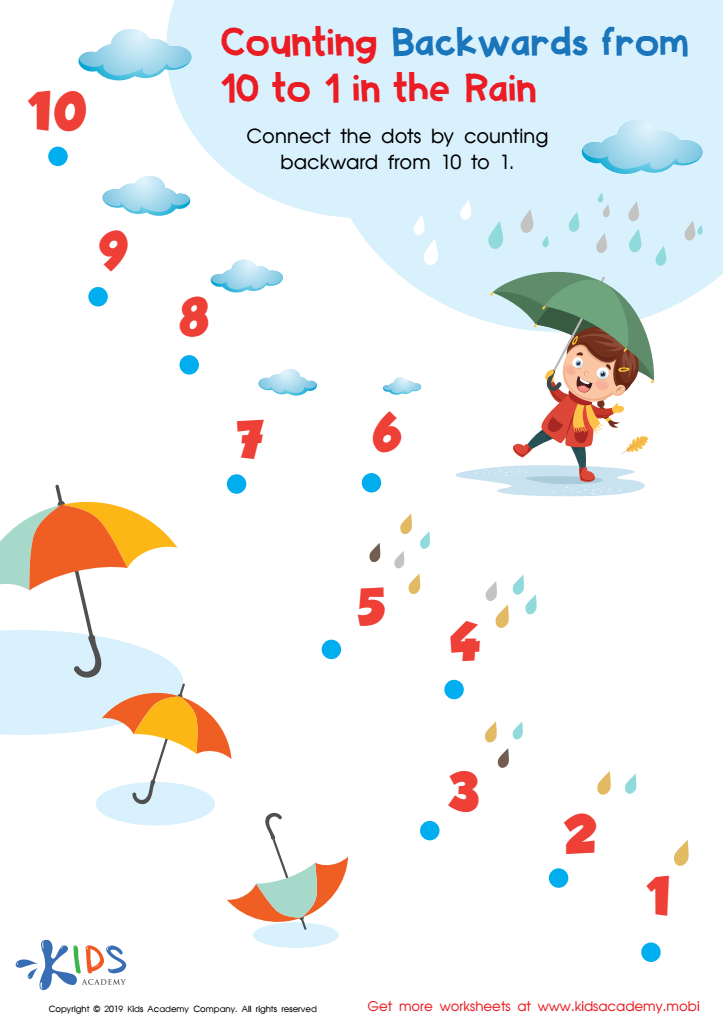
Counting Backwards from 10 to 1 in the Rain Worksheet







Sequencing skills are fundamental for young children, typically ages 5-9, as they serve as a building block for essential cognitive development and academic success. Parents and teachers should care about these skills because sequencing helps children understand the order of events, which is crucial for storytelling, following instructions, and solving problems. For instance, children using sequencing skills can better comprehend narratives in books or see cause-and-effect relationships in their surroundings.
Additionally, strong sequencing skills support literacy and numeracy. Children learn to organize their thoughts, enhancing their ability to write coherent stories and solve math problems. By systematically arranging numbers or identifying steps in solving a problem, children foster analytical thinking, making math and reading more accessible and enjoyable.
Moreover, developing sequencing skills boosts memory and concentration, as students learn to recall information in the correct order. This aptitude is not only vital for academic achievement but also for daily activities and tasks, promoting independence.
Incorporating sequencing activities into learning—like games, puzzles, or storytelling—engages children and reinforces these skills in an enjoyable manner. Ultimately, nurturing these abilities is essential for a child’s overall intellectual growth and can significantly impact their future learning experiences.








