Understanding citizenship Easy Worksheets for Ages 5-9
3 filtered results
-
From - To
Discover a fun, engaging way for kids to learn about citizenship with our "Understanding Citizenship Easy Worksheets for Ages 5-9". Designed specifically for young learners, these colorful and interactive worksheets help children grasp essential concepts of being a good citizen, including community roles, responsibilities, and respectful behavior. Each worksheet is tailored to foster critical thinking and social skills, making learning both enjoyable and educational. Perfect for classroom use or at-home learning, these worksheets provide a solid foundation for understanding citizenship. Visit Kids Academy to explore our collection and support your child’s journey towards becoming a confident and informed citizen.
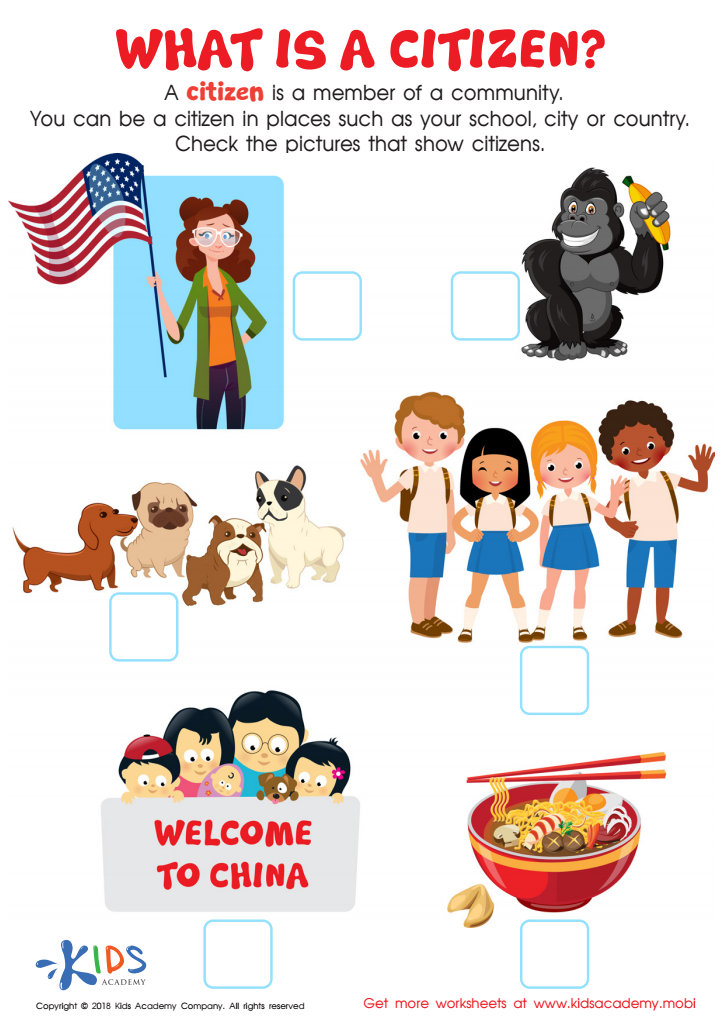
What is a Citizen? Worksheet
 Assign to My Students
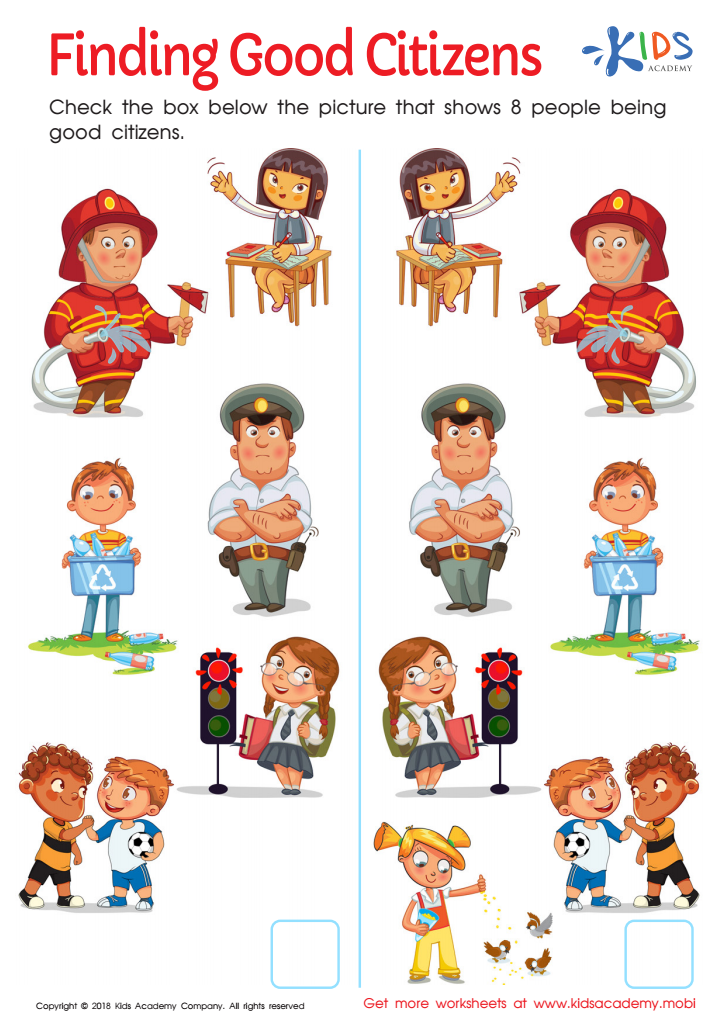
Finding Good Citizens Worksheet
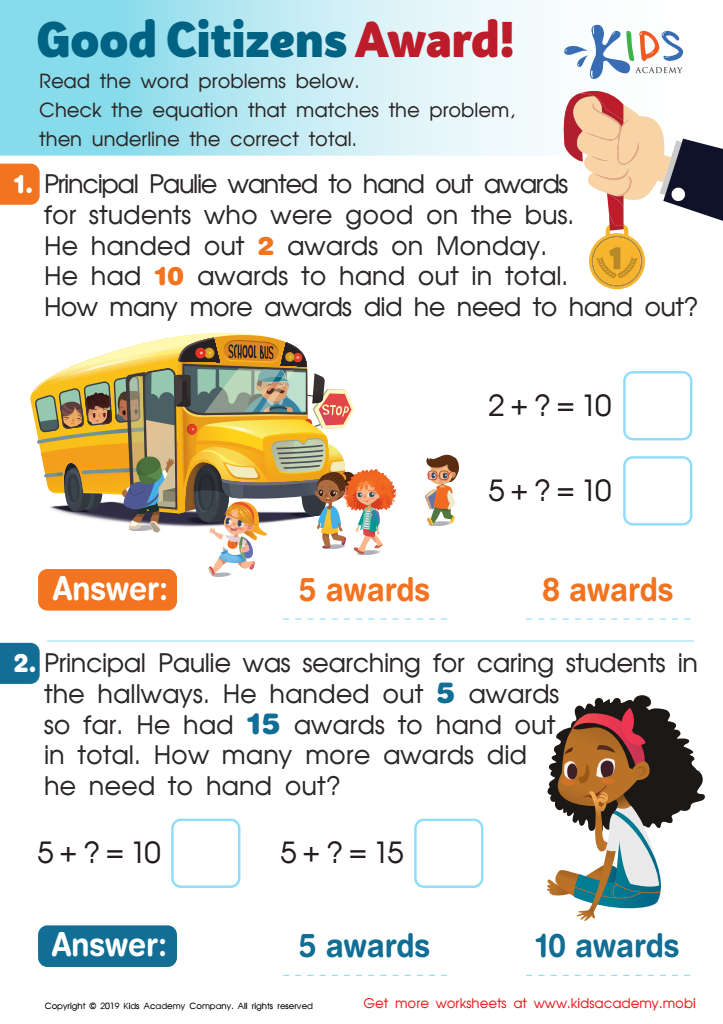
Good Citizens Award! Worksheet






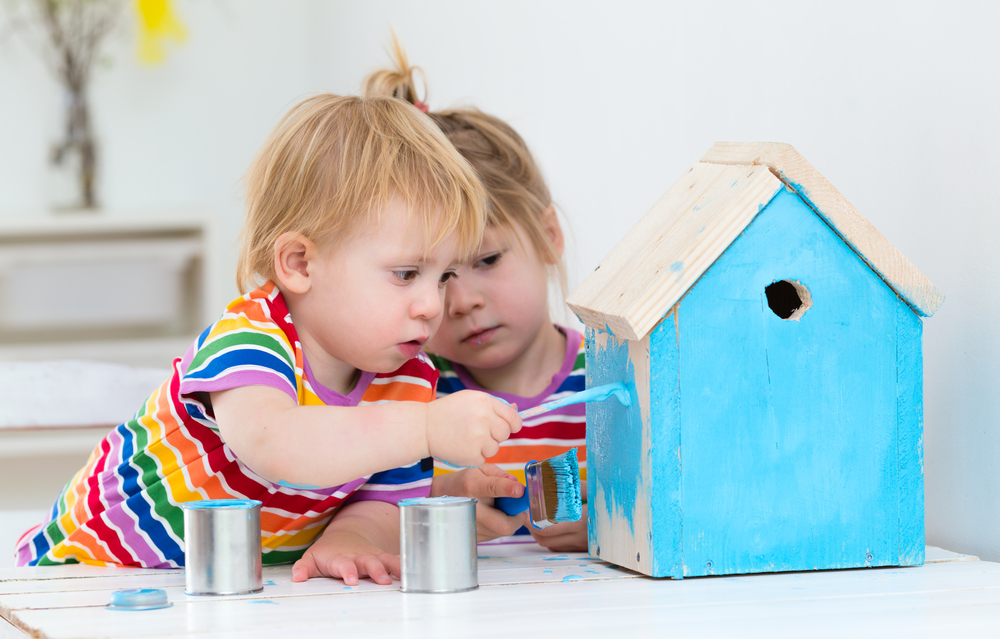

Understanding citizenship at an early age is crucial because it lays a foundation for responsible and active participation in the community. For children ages 5-9, this concept encompasses basic knowledge about rules, how communities work, and the importance of being a kind, honest, and responsible member of society. Introducing these ideas early helps cultivate a sense of belonging and responsibility.
Early lessons in citizenship involve teaching children to respect others, understand fairness, and develop empathy. When kids trust and follow rules, they help create a classroom and community environment where everyone feels safe and valued. Learning to work together and resolve conflicts amicably strengthens social skills and fosters teamwork, which are essential life skills.
Furthermore, understanding citizenship encourages young children to be curious about their world. They begin to appreciate different perspectives and recognize the value of helping others. Parents and teachers play an essential role by modeling good citizenship behaviors, such as voting or volunteering, which helps children see these actions' importance and saturates their immediate environment with positive examples.
Ultimately, by fostering a basic understanding of citizenship, we help children grow into informed, respectful, and active contributors to society. This foundation not only benefits them personally but also sets the stage for a more informed, cohesive, and engaged community in the future.








