Story sequencing Easy Reading Worksheets for Ages 5-9
3 filtered results
-
From - To
Discover our engaging "Story Sequencing Easy Reading Worksheets" designed for children ages 5-9! These thoughtfully crafted worksheets help young learners enhance their reading comprehension skills by practicing the art of sequencing events in stories. Each worksheet features colorful illustrations and age-appropriate texts, making learning interactive and enjoyable. Through fun tasks, such as arranging story pictures or identifying key events, children will develop critical thinking and narrative skills essential for effective communication. Perfect for classrooms or home schooling, these resources support early literacy development while keeping students motivated and eager to learn. Explore our collection and watch your child's confidence soar!
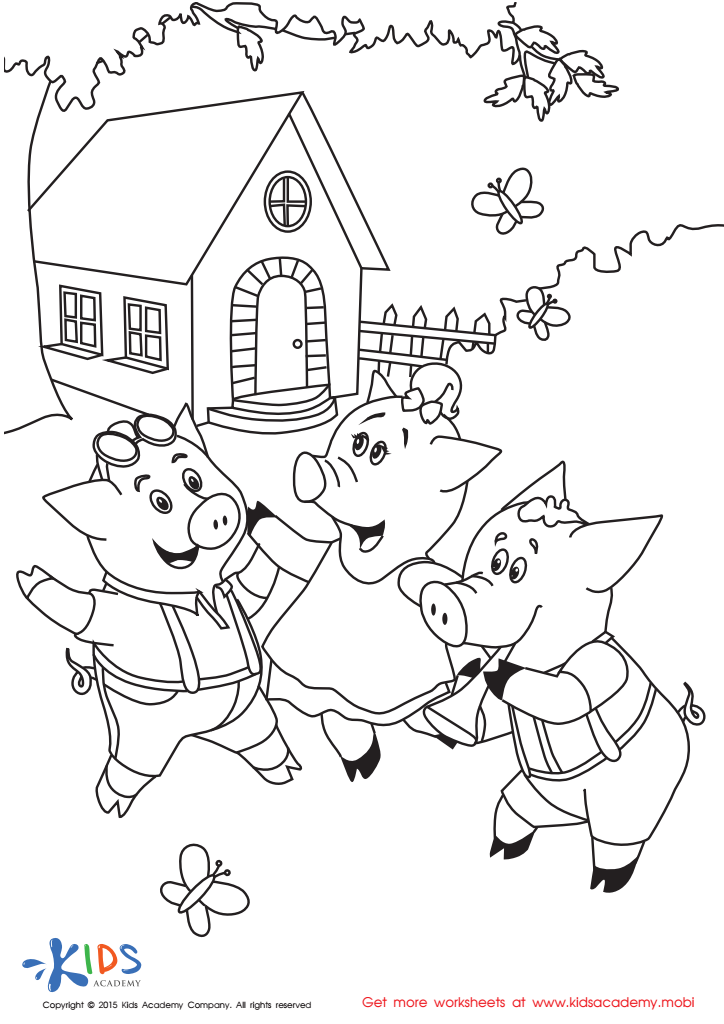
Folktales Printable PDF Worksheet: The 3 Little Pigs
 Assign to My Students
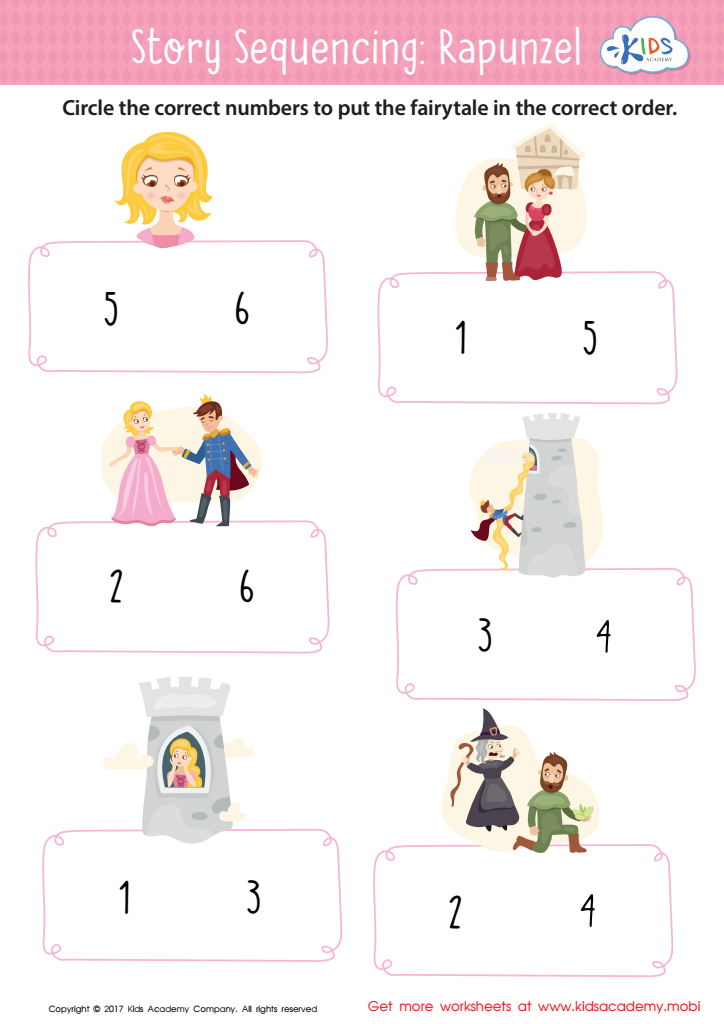
Rapunzel Story Sequencing Worksheet
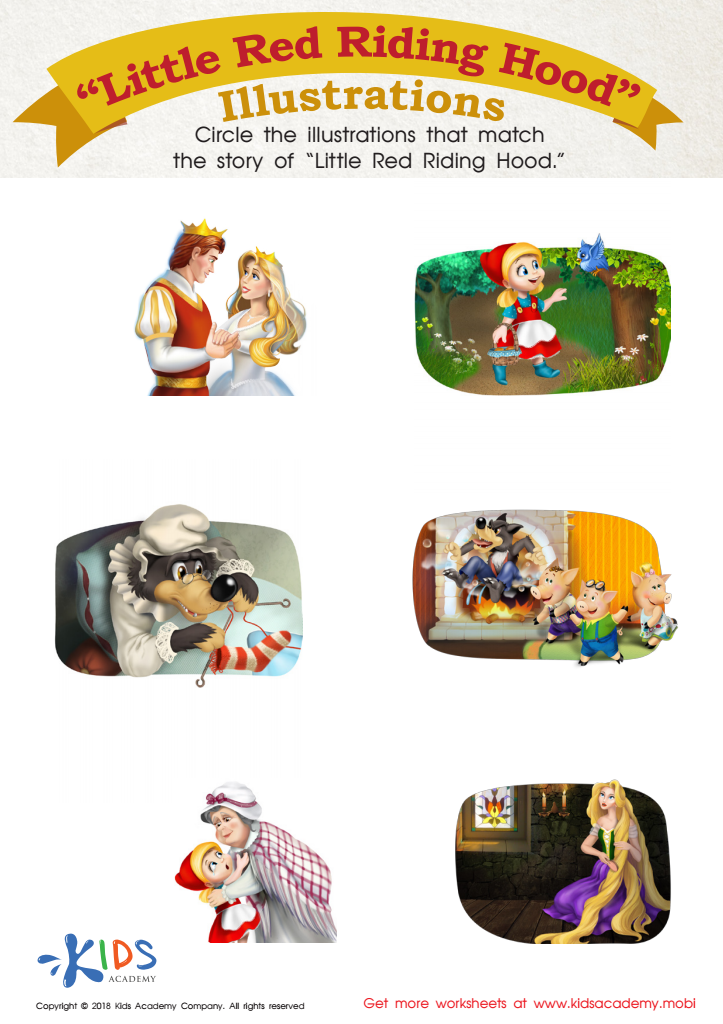
Little Red Riding Hood: Illustrations Worksheet







Story sequencing is a crucial literacy skill for children aged 5 to 9, and parents and teachers should prioritize it to enhance overall reading comprehension and critical thinking. At this developmental stage, children engage more deeply with texts, and understanding the order of events becomes essential. Recognizing the beginning, middle, and end of a story enables children to grasp the plot structure, which in turn aids memory and retention of narrative details.
Moreover, story sequencing encourages creativity and imagination, allowing children to visualize how stories unfold and predict outcomes. This skill fosters engagement with texts, leading to a greater love for reading. For teachers, incorporating story sequencing activities into their curriculum can help assess individual students' comprehension levels and adapt teaching strategies accordingly.
For parents, encouraging story sequencing at home provides meaningful bonding opportunities and also empowers them to support their child's literacy journey effectively. Simple activities like retelling favorite stories with a focus on event order, or using illustrated cards to arrange key story elements, can enhance understanding. By nurturing story sequencing skills, parents and teachers equip children with the foundational tools they need for academic success and lifelong learning.