Color recognition Easy Plants Worksheets for 5-Year-Olds
3 filtered results
-
From - To
Unlock your child's creativity and learning potential with our Color Recognition Easy Plants Worksheets designed specifically for 5-year-olds! These fun and engaging worksheets help young learners identify and differentiate colors through delightful plant-themed activities. Featuring vibrant illustrations of flowers, trees, and other greenery, kids will love coloring while enhancing their color vocabulary and fine motor skills. Perfect for homeschoolers or as a supplementary resource in preschool settings, these worksheets make learning exciting and interactive. Encourage a love for nature and nurture their artistic expression as they embark on colorful adventures! Download now and watch their skills blossom!
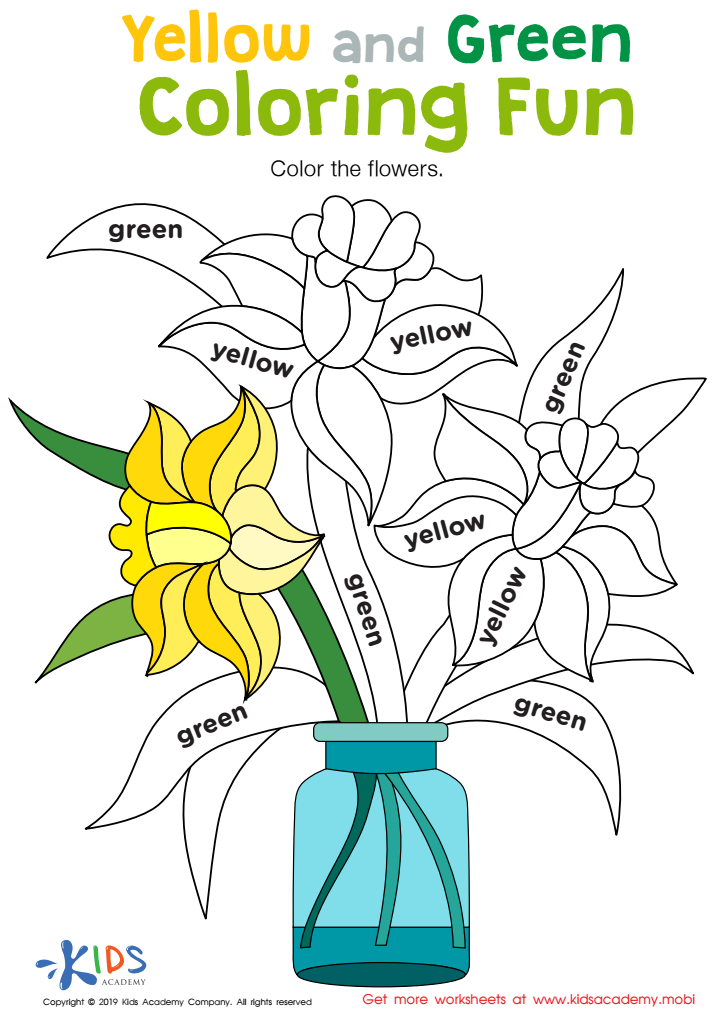
Yellow and Green Coloring Fun Worksheet
 Assign to My Students


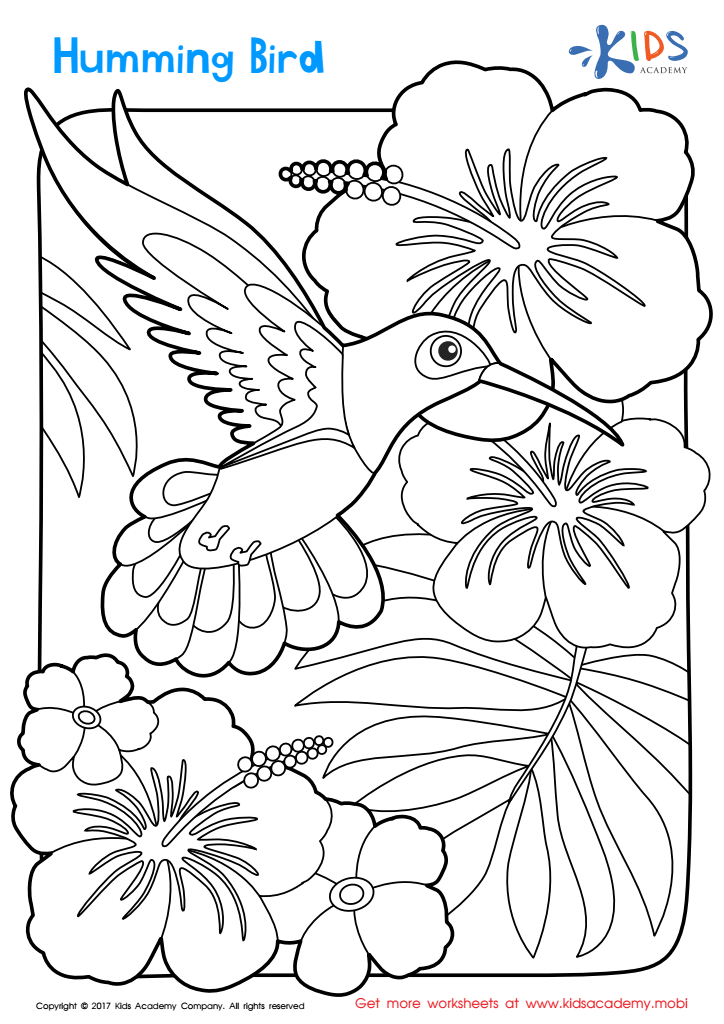
Humming Bird Worksheet
Assign to My Students
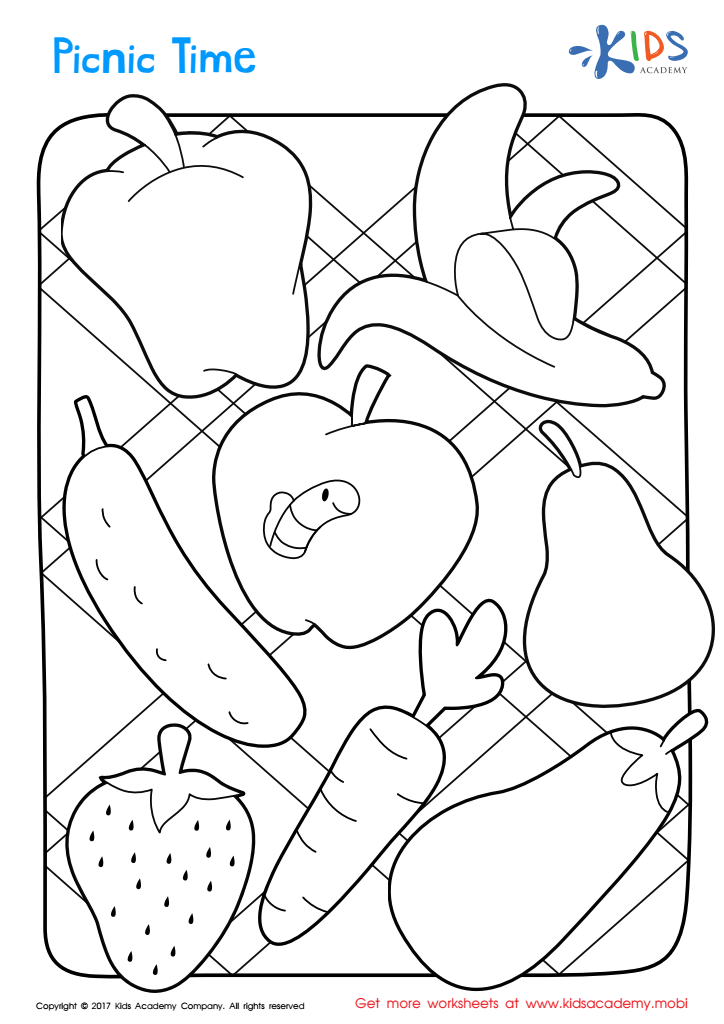
Picnic Time Coloring Page
Assign to My Students







Color recognition is a fundamental skill that contributes significantly to a child's cognitive development, especially in early learning years. Programs like "Color Recognition Easy Plants" designed for five-year-olds engage young learners in recognizing and categorizing colors through plant-related activities. This approach entwines nature with learning, making the experience enjoyable and relatable.
Why should parents and teachers prioritize color recognition in early childhood education? Firstly, recognizing colors enhances visual discrimination skills, which are crucial in reading and mathematical concepts. Children learn to differentiate between objects and sort them based on color, thereby honing observational skills. The act of identifying colors also fosters language development; children learn new vocabulary associated with colors and objects in nature.
Furthermore, interactive programs cultivate curiosity and promote a love for the environment. By involving plants, children develop a sense of responsibility and care for living things, which promotes empathy. Engaging in color recognition through hands-on activities encourages teamwork and social interactions among peers.
Overall, teaching color recognition through enjoyable and meaningful activities prepares children not just academically but also socially and emotionally, setting a strong foundation for lifelong learning. Parents and teachers should therefore prioritize such engaging programs in early childhood curricula.