Basic counting skills Easy Worksheets for 5-Year-Olds
3 filtered results
-
From - To
Welcome to our "Basic Counting Skills Easy Worksheets for 5-Year-Olds" page! Here, you’ll find a delightful collection of engaging worksheets designed specifically for young learners. These worksheets feature a variety of fun activities that help children develop essential counting skills through colorful visuals and interactive exercises. Perfect for homeschooling or classroom use, our resources are tailored to make learning enjoyable and effective. As kids explore numbers and counting concepts, they’ll build a strong foundation for their mathematical journey. Download our easy worksheets today and watch your little ones gain confidence as they master basic counting skills!

 Assign to My Students
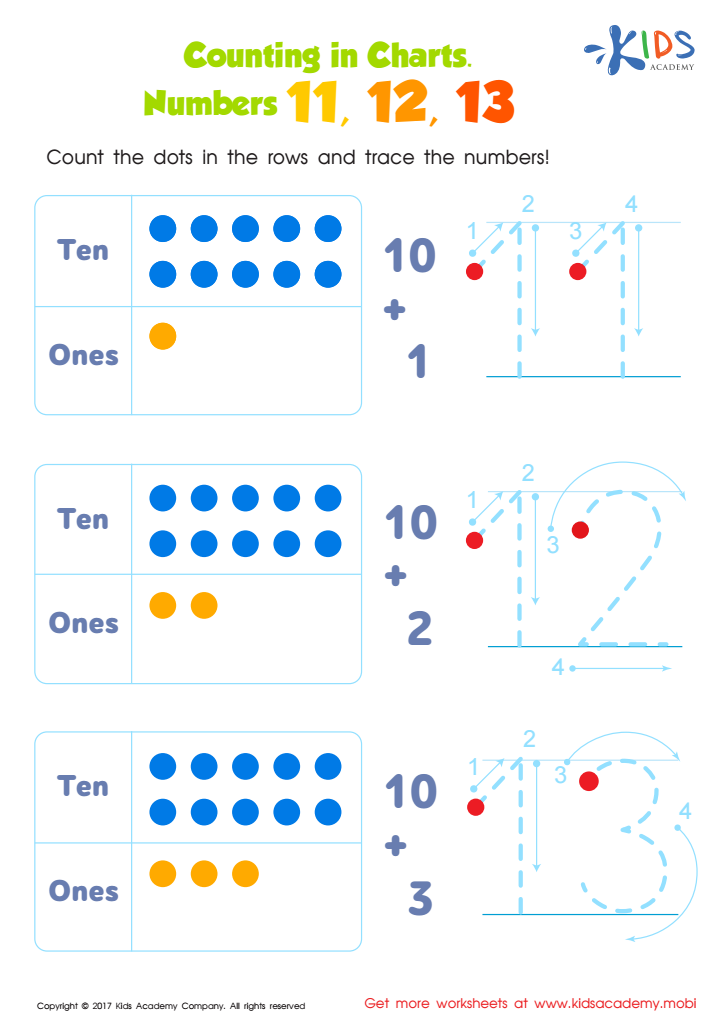
Number Tracing Worksheet For Kindergarten
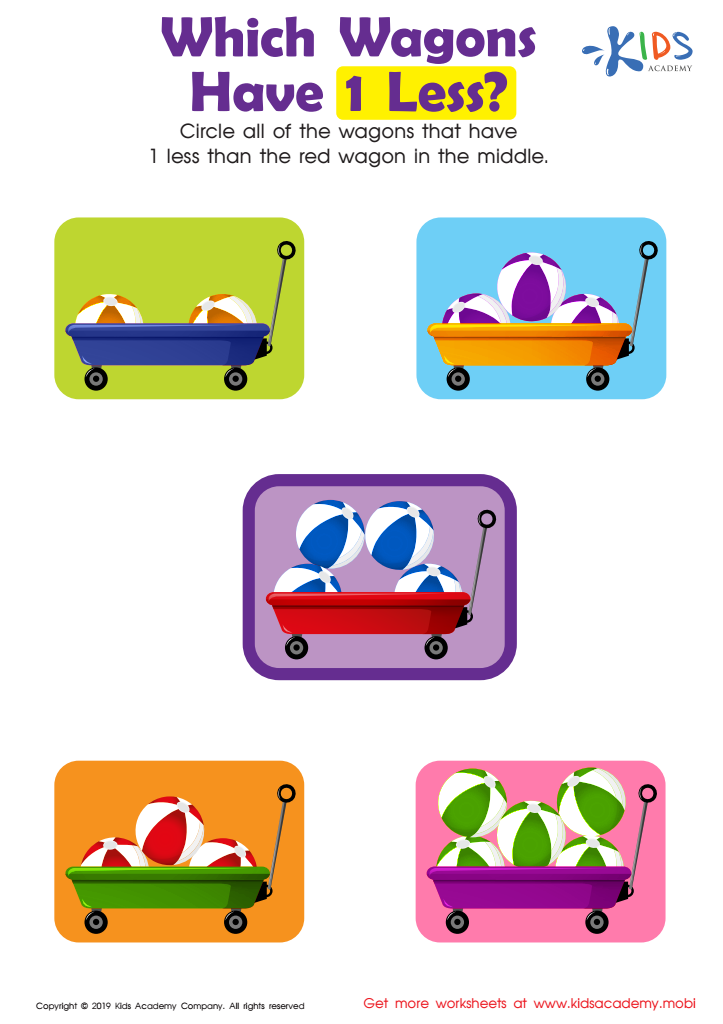
Which Wagons Have 1 Less? Worksheet







Basic counting skills are foundational for young children’s cognitive development, making them crucial for parents and teachers to prioritize. At the age of five, children are in a critical period of learning, and mastering counting sets the stage for future math concepts. By grasping these skills, children develop number sense, which aids in understanding quantities, comparisons, and basic arithmetic.
Additionally, counting activities enhance fine motor skills and promote critical thinking, as they require children to organize and categorize objects. These skills not only benefit math learning but also benefit language development and problem-solving abilities. Engaging parents and teachers in this process encourages a love for numbers and promotes positive learning experiences.
Fostering counting skills also translates to real-life applications. From counting fruits during grocery shopping to organizing toys, practical experiences solidify mathematical concepts. Moreover, counting lays the groundwork for early literacy, where children learn to recognize patterns and sequences.
Ultimately, prioritizing basic counting equips five-year-olds with essential skills for academic success and everyday situations. By supporting this fundamental area of early development, parents and teachers play a significant role in shaping confident, capable learners who are prepared for future challenges.








