Logical Reasoning Easy Worksheets for 5-Year-Olds
6 filtered results
-
From - To
Welcome to our "Logical Reasoning Easy Worksheets for 5-Year-Olds" page! Here, you’ll find engaging and age-appropriate worksheets designed to enhance critical thinking and problem-solving skills in young learners. Our expertly crafted activities include fun games, puzzles, and exercises that encourage children to identify patterns, make connections, and solve simple challenges. Perfect for home or classroom use, these worksheets help build a strong foundation in logical reasoning while keeping learning enjoyable. Explore our diverse selection, tailor lessons to your child's needs, and watch their confidence soar as they develop essential skills for lifelong success. Start their journey today!
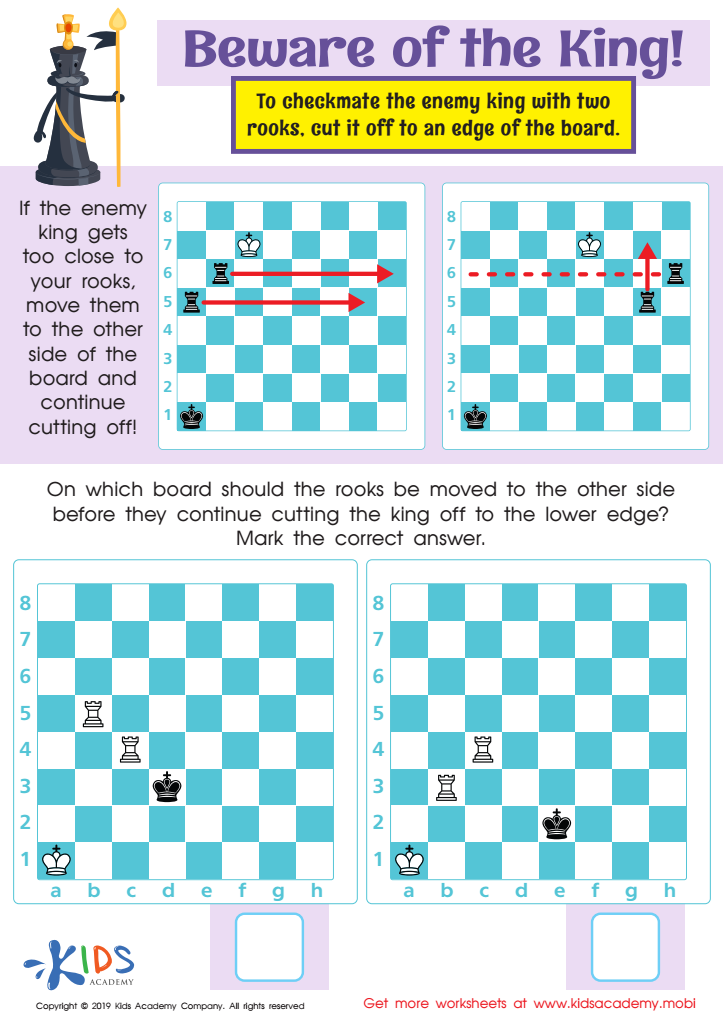
Beware of the King! Worksheet
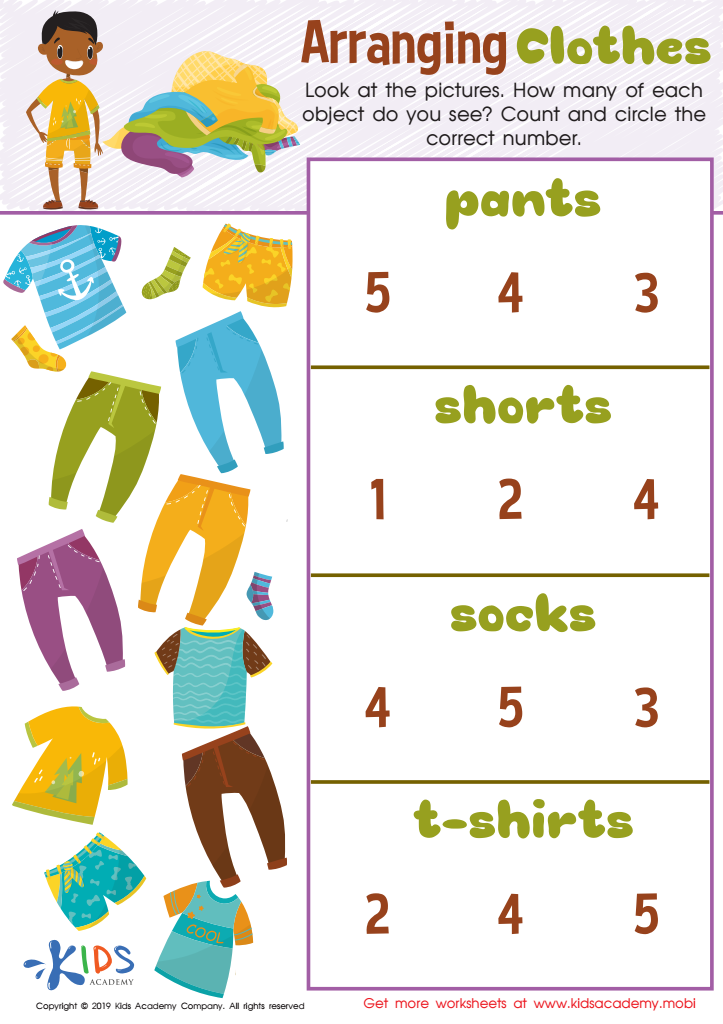
Arranging Clothes Worksheet
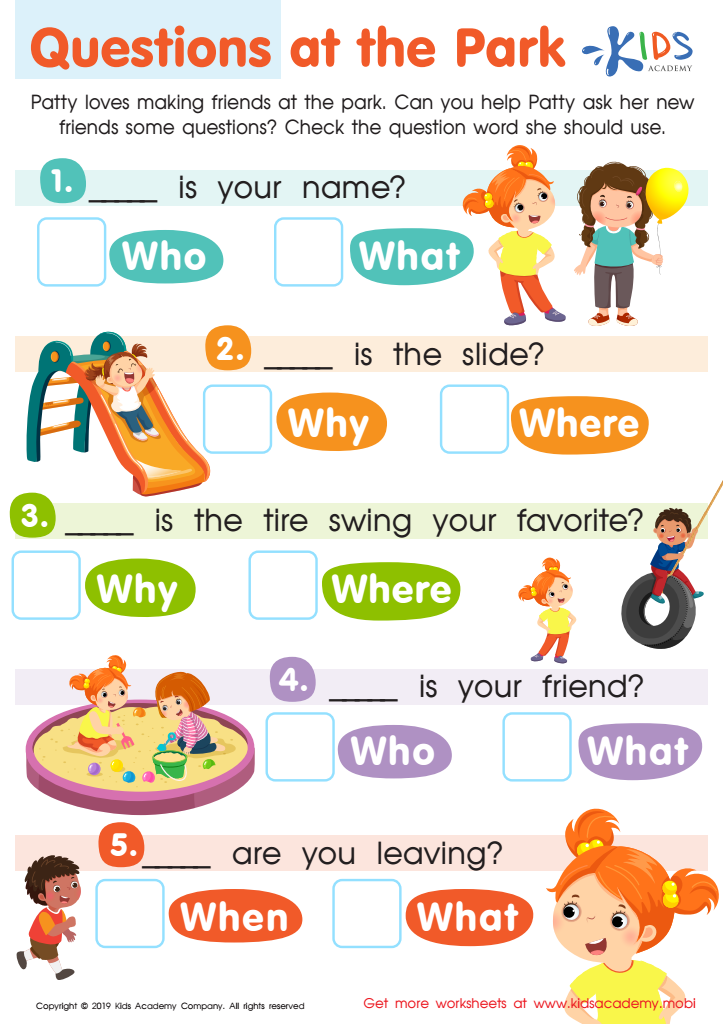
Questions at the Park Worksheet
Summer and Winter Worksheet
 Assign to My Students
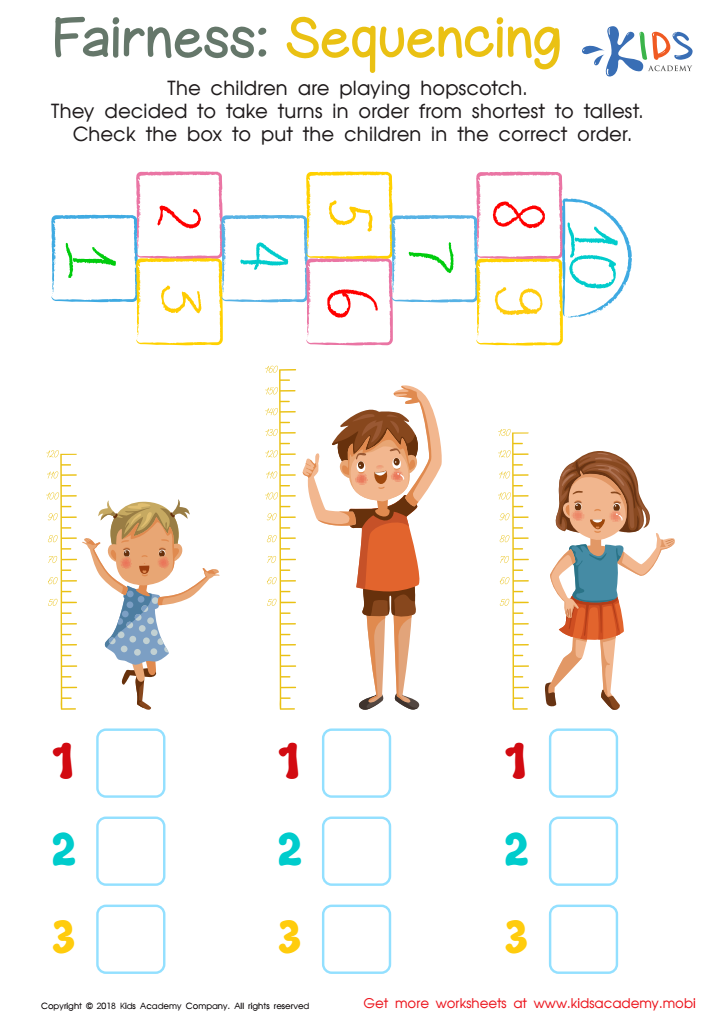
Fairness: Sequencing Worksheet
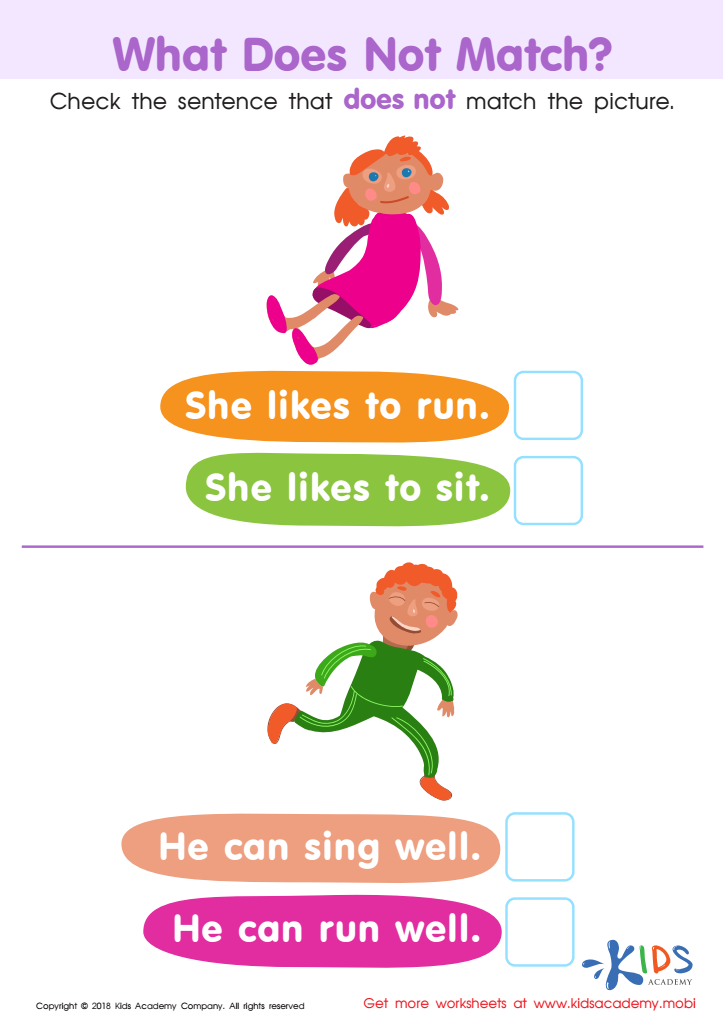
What Does Not Match? Worksheet








Parents and teachers should prioritize logical reasoning skills for 5-year-olds because these foundational abilities play a crucial role in a child's overall development. At this early age, children learn to think critically and solve problems, which are essential skills they will use throughout their lives. Logical reasoning not only helps children make sense of the world around them but also supports their academic journey as they encounter more complex concepts in subjects like math and science.
Engaging in logical reasoning activities encourages creativity and exploration. It stimulates curiosity and promotes a mindset open to inquiry, enabling children to develop questions and seek answers independently. These skills enhance a child's capacity to make reasoned decisions and evaluate outcomes—a vital aspect of emotional intelligence.
Moreover, logical reasoning informs social interactions. As children learn to understand patterns, sequences, and relationships, they also learn to navigate social situations with empathy and understanding, fostering better relationships with peers and adults.
Incorporating logical reasoning exercises into daily routines can enhance communication skills and attention spans, making it an essential tool for fostering confidence and independence in young learners. Investing in these early skills sets the stage for lifelong learning and problem-solving proficiency that will serve children well into adulthood.








