Problem-Solving Skills Easy Worksheets for 5-Year-Olds - Page 2
31 filtered results
-
From - To
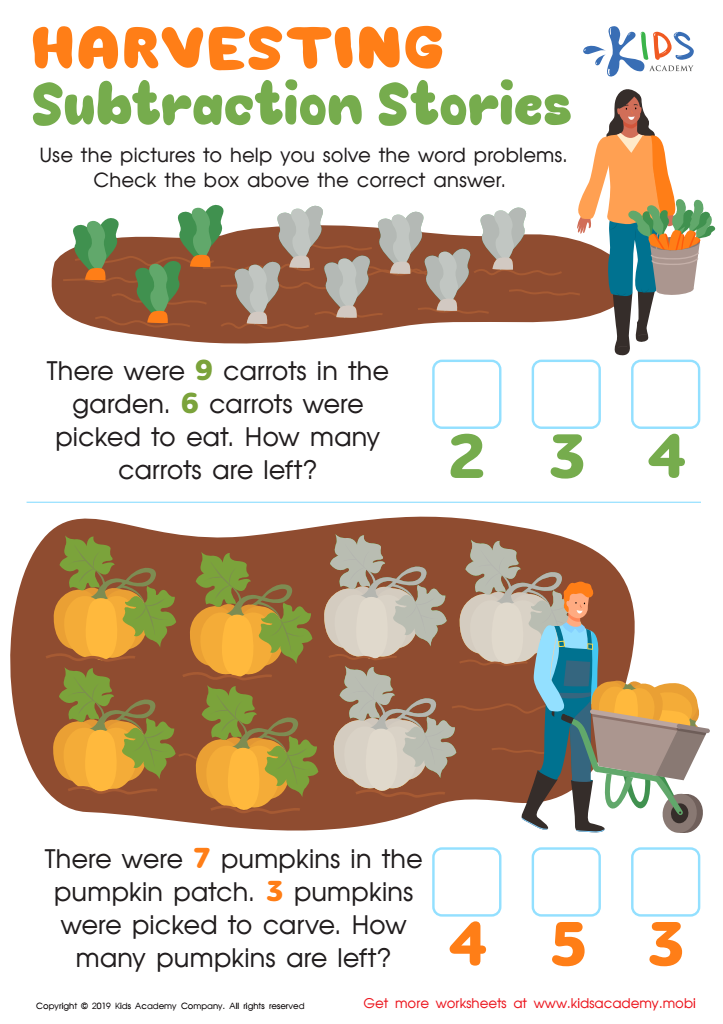
Harvesting Subtraction Stories Worksheet
 Assign to My Students
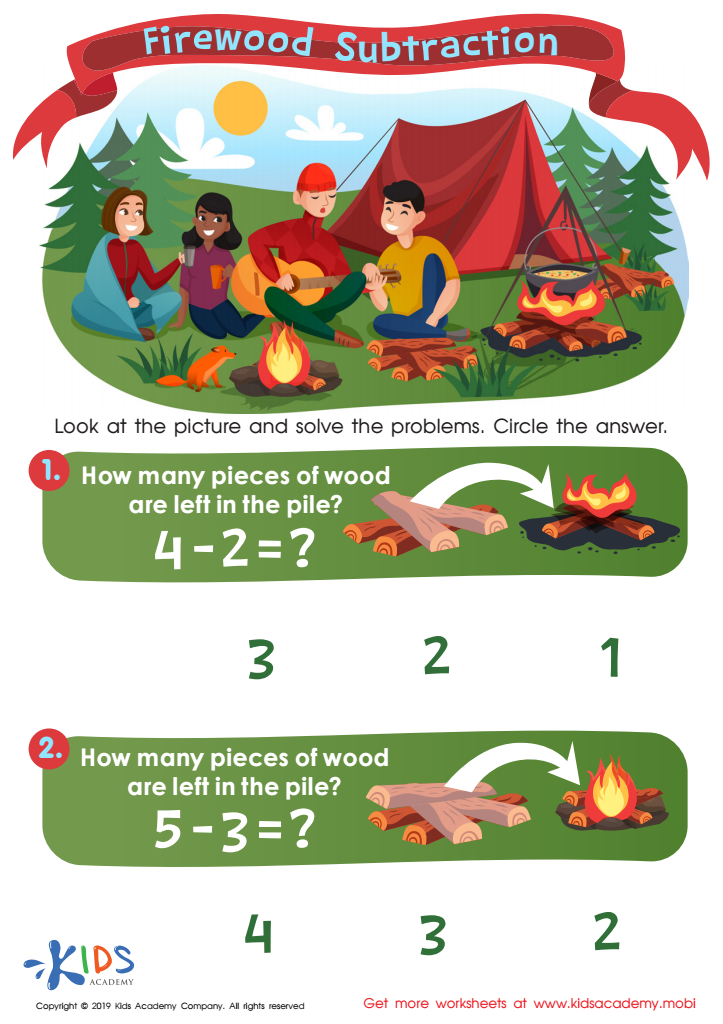
Firewood Subtraction Worksheet
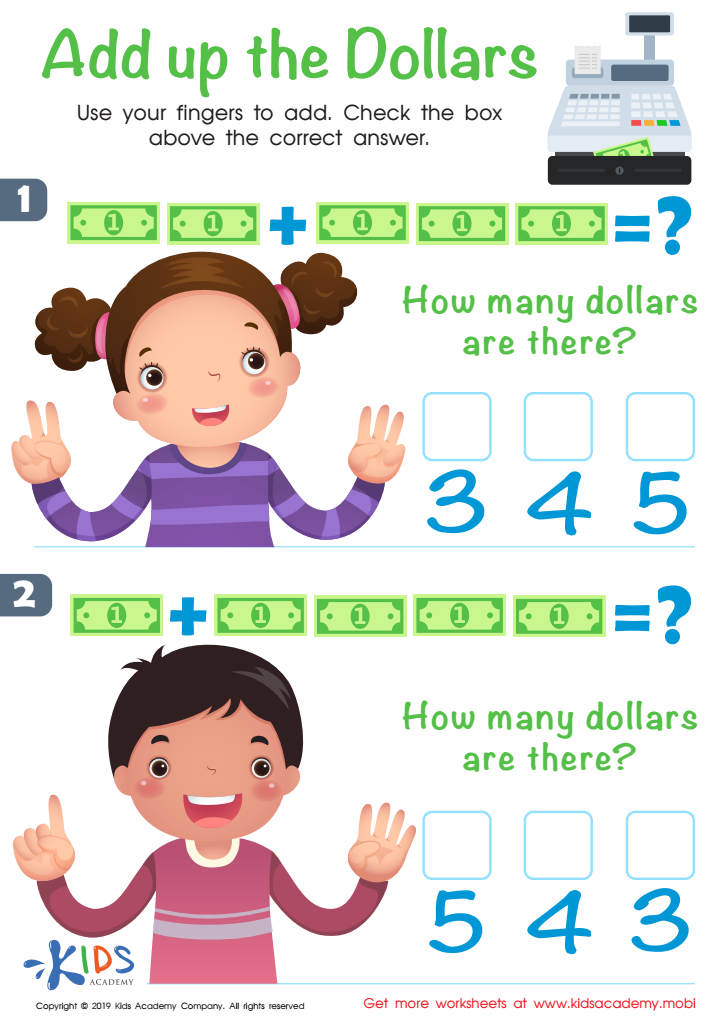
Add up the Dollars Worksheet
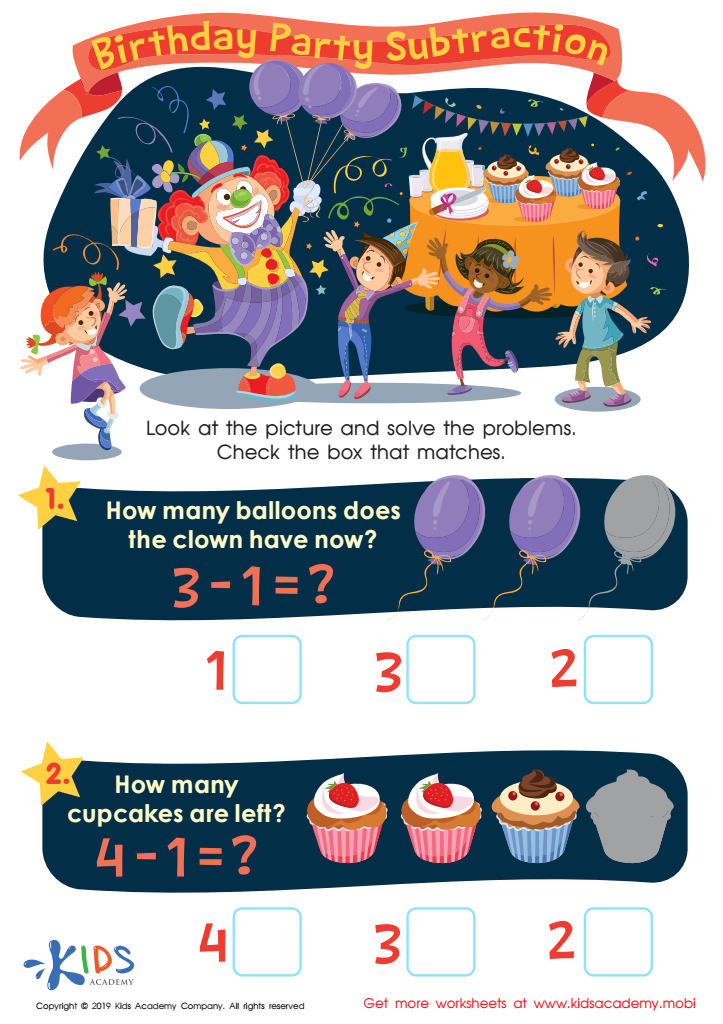
Birthday Party Subtraction Worksheet
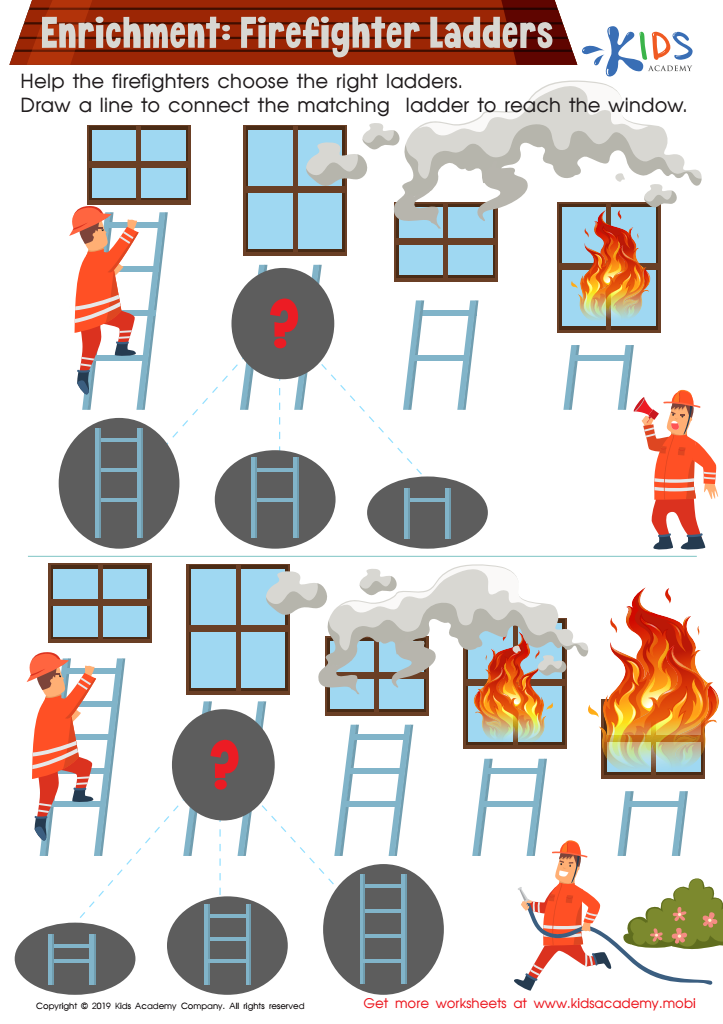
Enrichment: Firefighter Ladders Worksheet
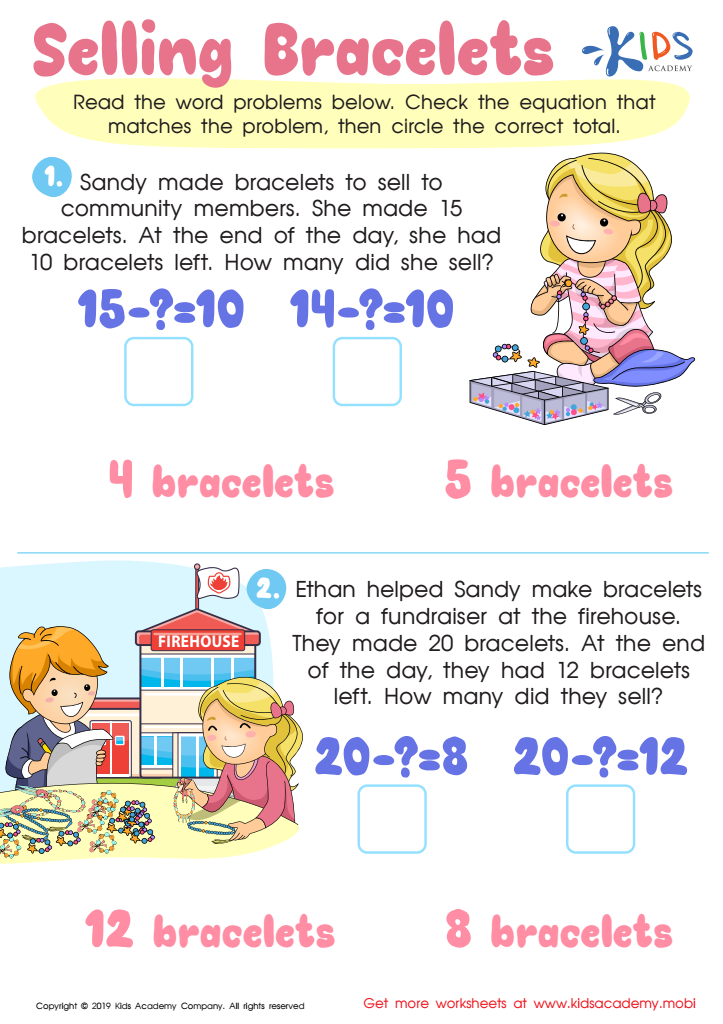
Selling the Bracelets Worksheet
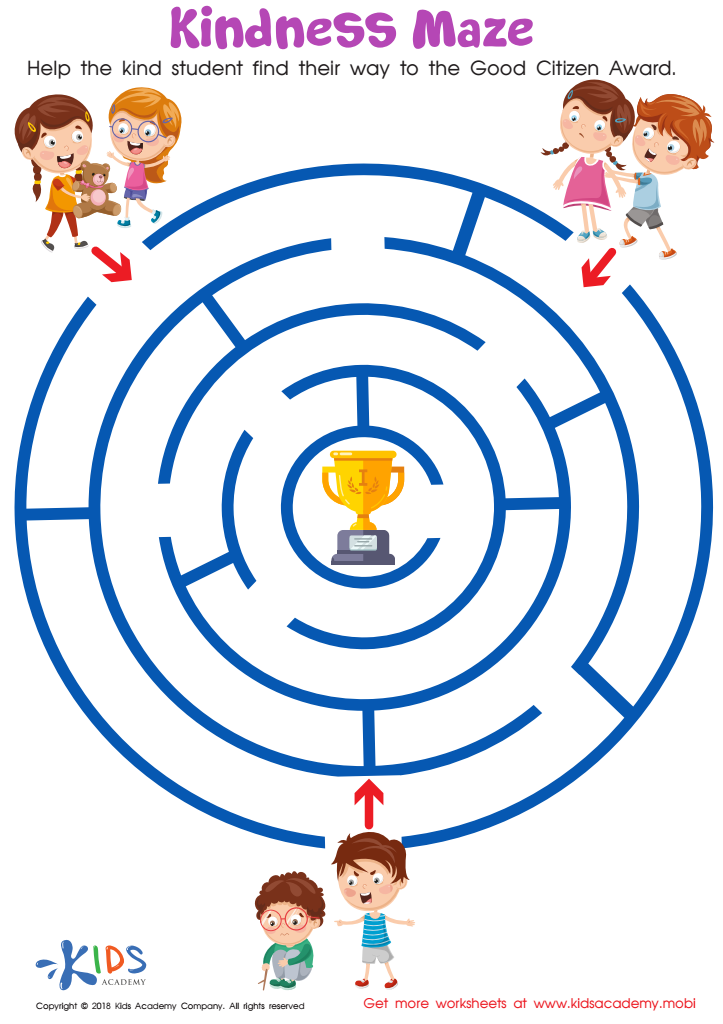
Kindness Maze Worksheet






Problem-solving skills are essential building blocks for children's cognitive and social development, and fostering these skills early on can greatly benefit 5-year-olds. Teachers and parents should prioritize problem-solving for several key reasons.
First, effective problem-solving skills enhance a child’s critical thinking. By navigating simple puzzles or figuring out how to construct with building blocks, children learn to analyze situations, think creatively, and make decisions. These cognitive processes build a strong foundation for future academic success across subjects such as math, science, and reading.
Second, problem-solving fosters independence and resilience. When children attempt to solve problems, they learn to approach challenges systematically and persistently. They become better equipped to handle frustrations and setbacks, which bolsters their self-esteem and confidence.
Third, engaging in problem-solving activities encourages social interaction and communication. Children develop language skills and learn to negotiate and collaborate with peers as they work together on tasks. This not only helps improve their social bonds but also teaches essential life skills like empathy, patience, and cooperation.
Lastly, practical problem-solving experiences prepare children for everyday situations. Whether they're figuring out how to tie their shoelaces or resolve a dispute, these skills are instrumental in navigating life's daily challenges effectively.
By nurturing problem-solving skills early, parents and teachers empower children to become thoughtful, capable, and adaptable individuals.








