Fine motor skills (writing) Easy Worksheets for Ages 6-7
3 filtered results
-
From - To
Boost your child's writing abilities with our Fine Motor Skills Easy Worksheets designed for ages 6-7. These engaging and educational worksheets focus on enhancing crucial fine motor skills necessary for fluent handwriting. Through tracing, drawing, and simple writing exercises, kids will develop hand-eye coordination, pencil grip, and overall writing confidence. Perfect for young learners, our expertly crafted activities ensure that writing practice is enjoyable and effective. Explore a variety of tasks tailored to keep children motivated and improve their handwriting proficiency. Ideal for at-home practice or classroom use, these worksheets are a valuable tool for early education.
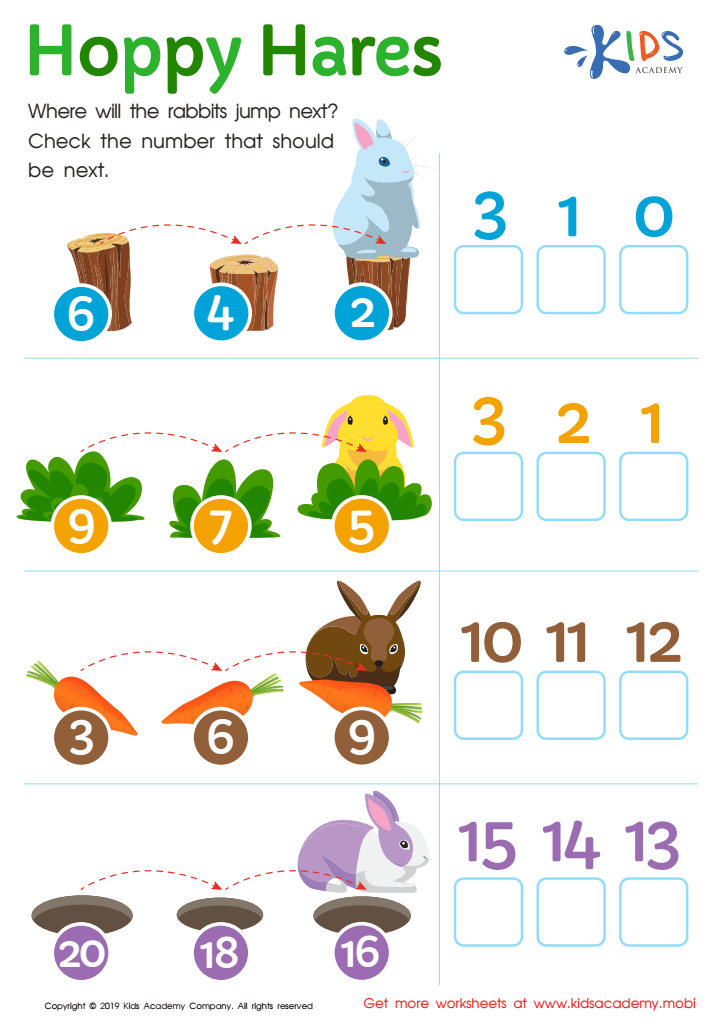
Hoppy Hares Worksheet
 Assign to My Students
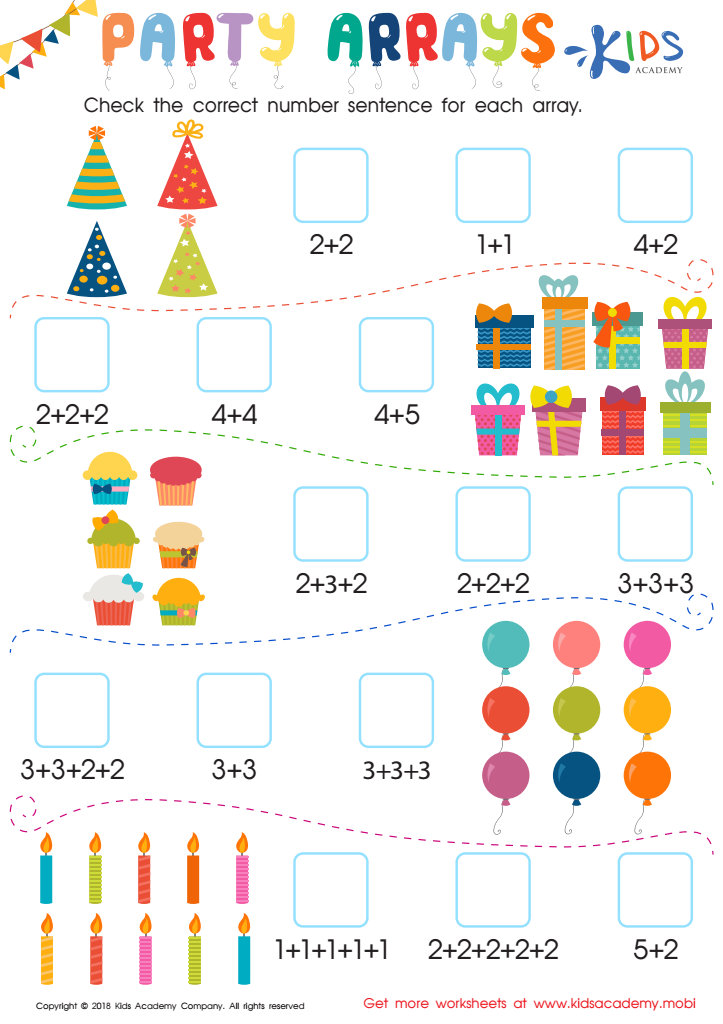
Party Arrays Worksheet
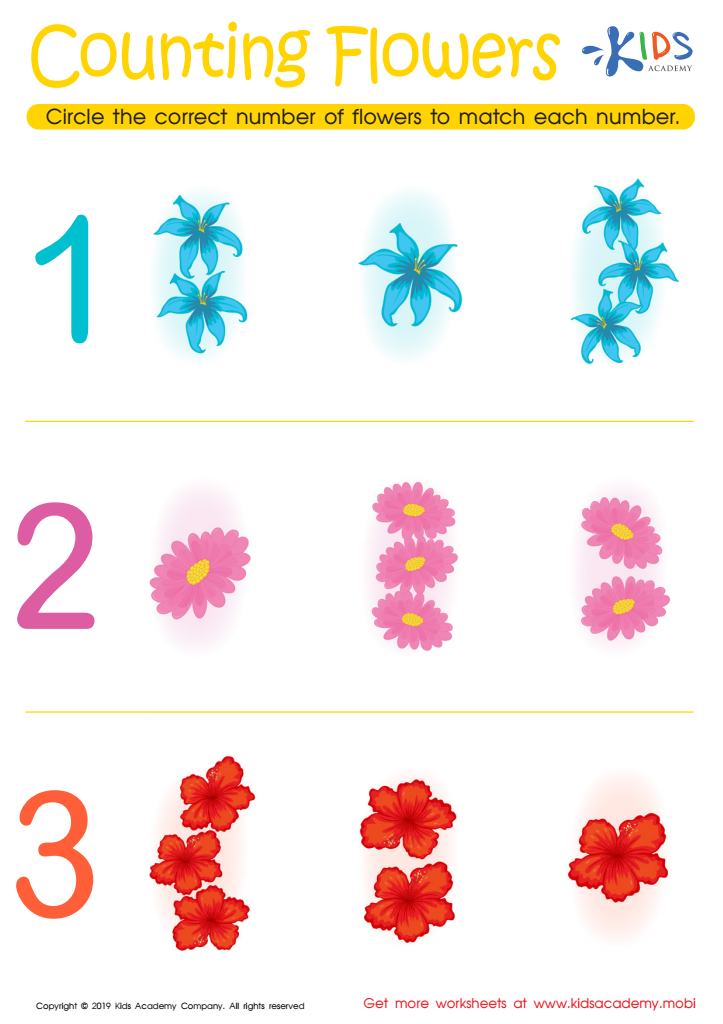
Counting Flowers Worksheet








Fine motor skills, particularly writing, are crucial for children ages 6-7 because they lay the foundation for future academic success and overall development. At this age, children are transitioning from preschool activities to more structured classroom settings. Mastering fine motor skills enables them to manipulate writing tools effectively, which is essential for basic literacy. When children can hold a pencil correctly and write legibly, they are better able to express their thoughts and knowledge, directly impacting their ability to communicate and learn new information.
Furthermore, the development of fine motor skills supports children's independence and self-confidence. Writing is an essential part of daily activities, such as completing homework, drawing, and even participating in group projects. When children struggle with these tasks, they may experience frustration, which can affect their motivation to learn and participate in school activities.
Fine motor skills also contribute to cognitive development. The process of coordinating the tiny muscles in the hands and fingers involves complex brain functions related to planning, concentration, and hand-eye coordination. Strengthening these skills through activities like writing, cutting, and drawing not only improves academic performance but also enhances a child’s overall cognitive abilities, setting them up for long-term success. Therefore, nurturing fine motor skills during these formative years is vital for children's holistic development.








