Logical Reasoning Easy Worksheets for Ages 6-7
8 filtered results
-
From - To
Discover our engaging "Logical Reasoning Easy Worksheets" designed specifically for children ages 6-7! These worksheets are perfect for enhancing critical thinking and problem-solving skills through fun, age-appropriate activities. Each printable worksheet encourages young learners to practice identifying patterns, making connections, and developing logical sequences in a stress-free environment. With vibrant illustrations and interactive content, students will stay motivated and excited as they explore basic reasoning concepts. Ideal for home or classroom use, these worksheets not only support cognitive development but also foster a love for learning. Get your child started on their logical reasoning journey today!
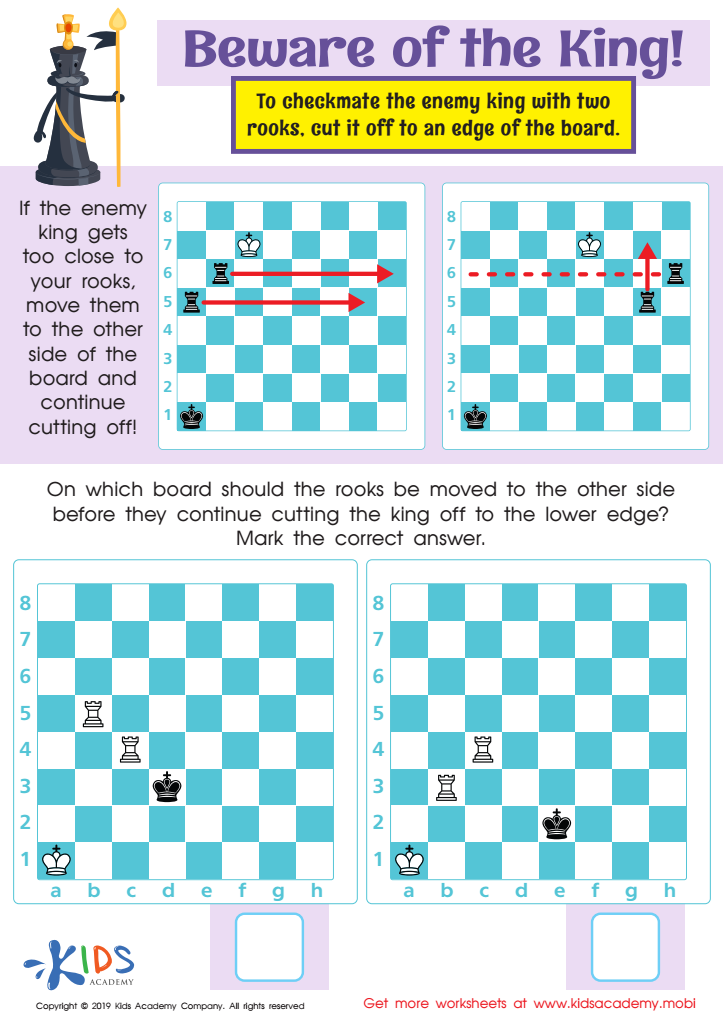
Beware of the King! Worksheet
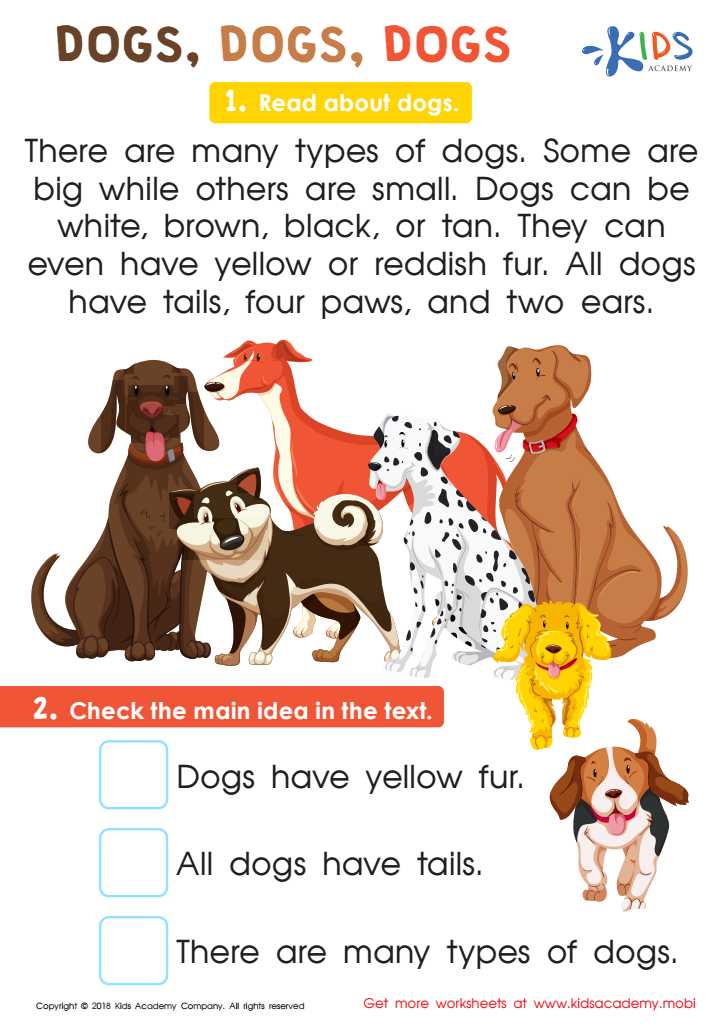
Dogs, Dogs Worksheet
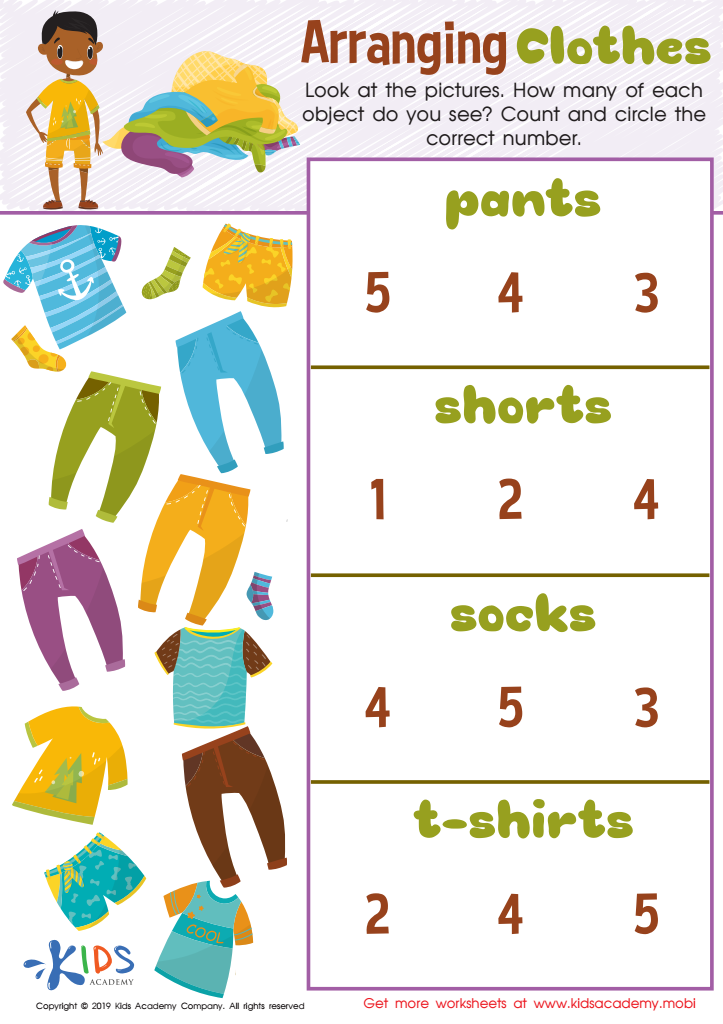
Arranging Clothes Worksheet
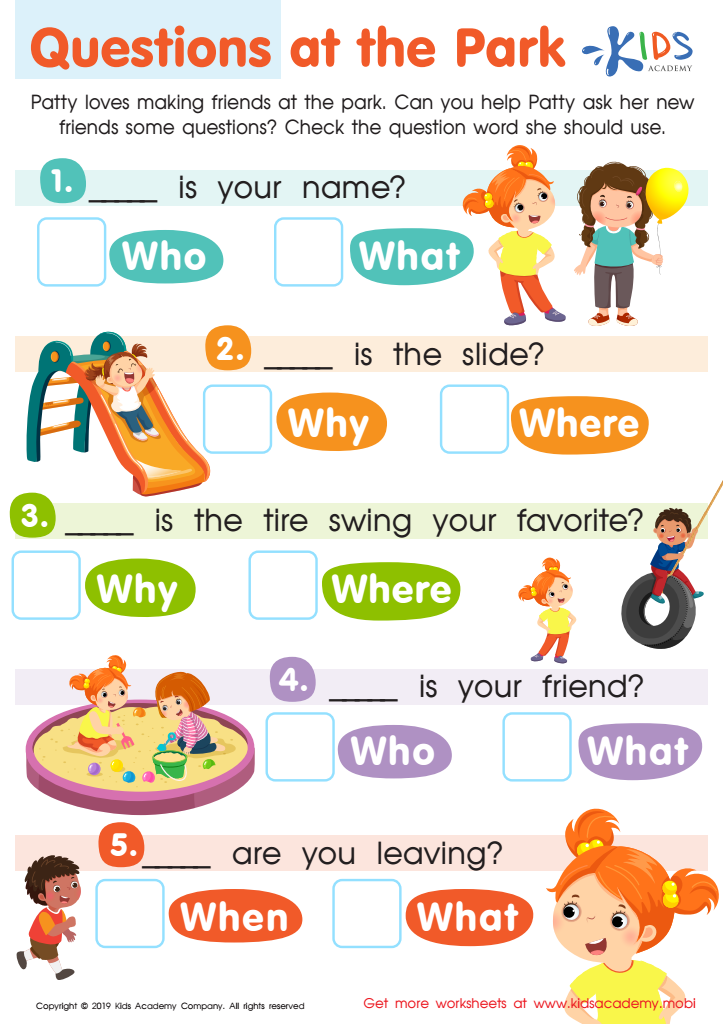
Questions at the Park Worksheet
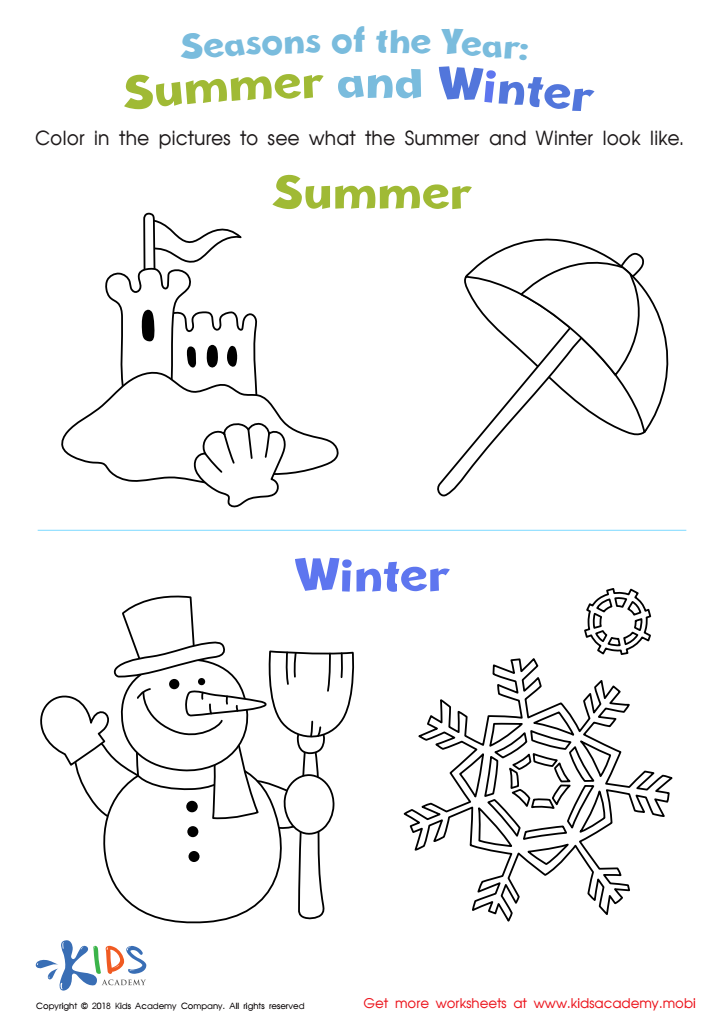
Summer and Winter Worksheet
 Assign to My Students
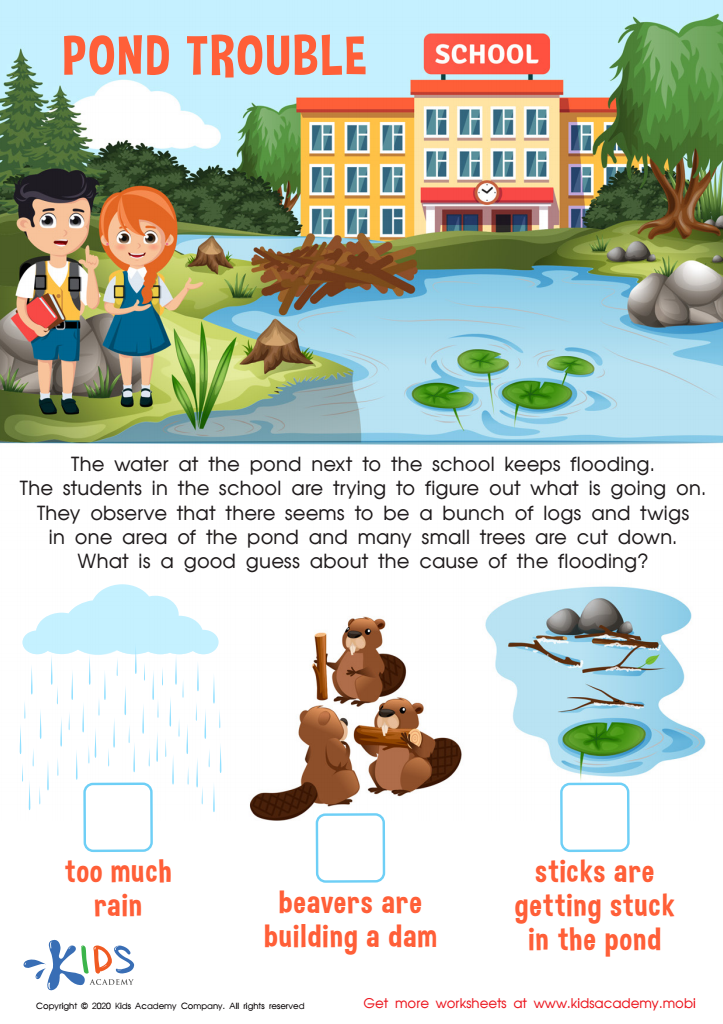
Pond Trouble Worksheet
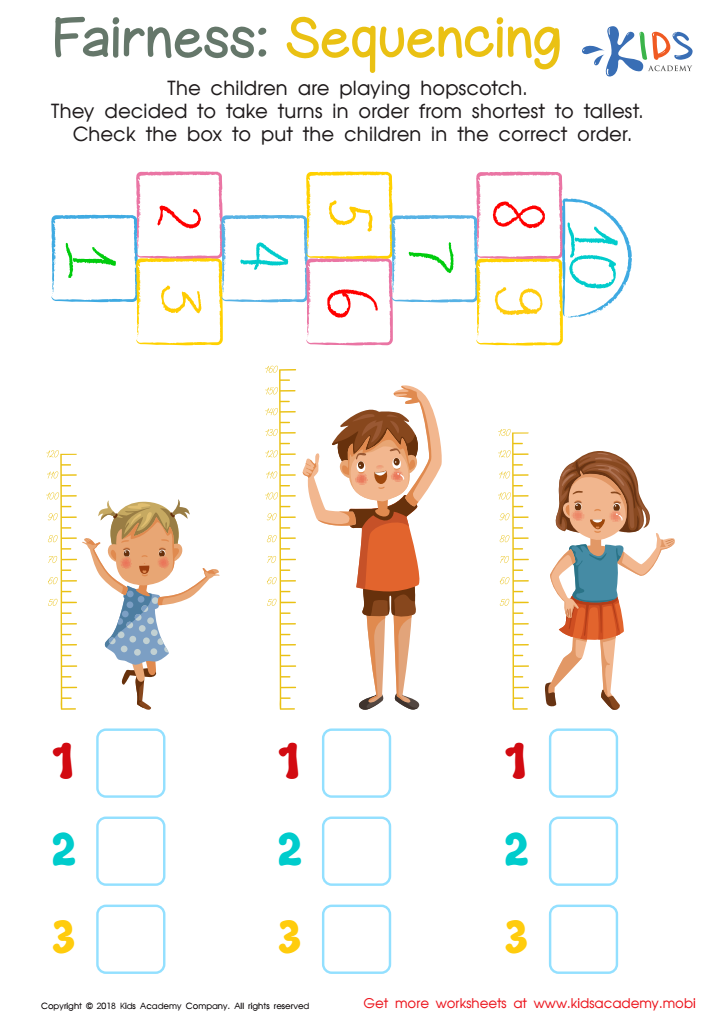
Fairness: Sequencing Worksheet
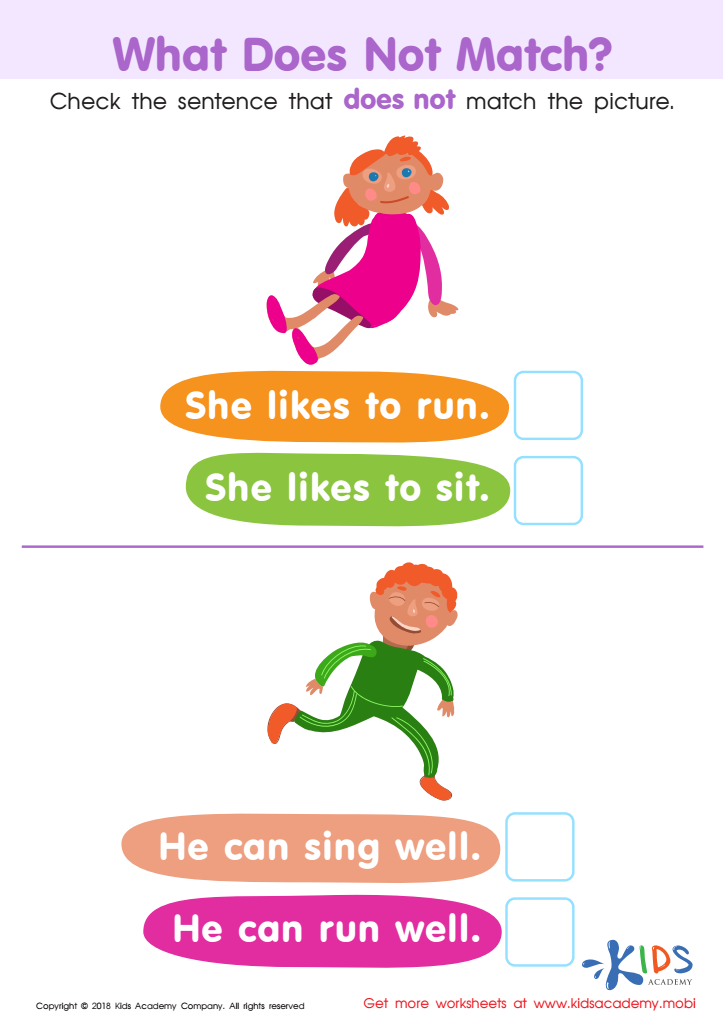
What Does Not Match? Worksheet








Parents and teachers should prioritize teaching logical reasoning to children aged 6-7 as it lays a foundation for critical thinking skills that are essential throughout life. At this age, children are naturally curious and developing their cognitive abilities, making it an ideal time to introduce them to logical reasoning concepts.
Engaging in logical reasoning activities helps enhance problem-solving skills by enabling children to analyze information, identify patterns, and make connections between different ideas. Such skills are not only important in mathematics but are also applicable to everyday scenarios, fostering independence and boosting self-confidence.
Moreover, logical reasoning nurtures creativity. As children learn to explore multiple solutions to problems, they cultivate an innovative mindset, essential in today’s rapidly changing world. These skills also aid in emotional intelligence, as children learn to consider different perspectives and develop empathy towards others.
Additionally, a strong background in logical reasoning provides a competitive advantage in academic settings. It prepares children for future challenges in various subjects, from math to science, ensuring they are well-equipped for their educational journey. Therefore, fostering logical reasoning in young children is not just an academic exercise, but a crucial step in shaping thoughtful, analytical, and resilient individuals.








