Fine Motor Skills Easy Numbers up to 100 Worksheets for Ages 6-7
5 filtered results
-
From - To
Enhance your child’s fine motor skills with our "Easy Numbers up to 100 Worksheets for Ages 6-7.” Specially designed to improve number recognition and writing, these worksheets help children confidently learn numbers up to 100. Each engaging activity focuses on developing precise hand movements, ensuring a fun and educational experience. Ideal for home or classroom use, these resources support fundamental math skills and fine motor coordination. Perfect for young learners, our worksheets provide a blend of creativity and structured practice to foster a love for math from an early age. Explore and download today for effective learning through play!
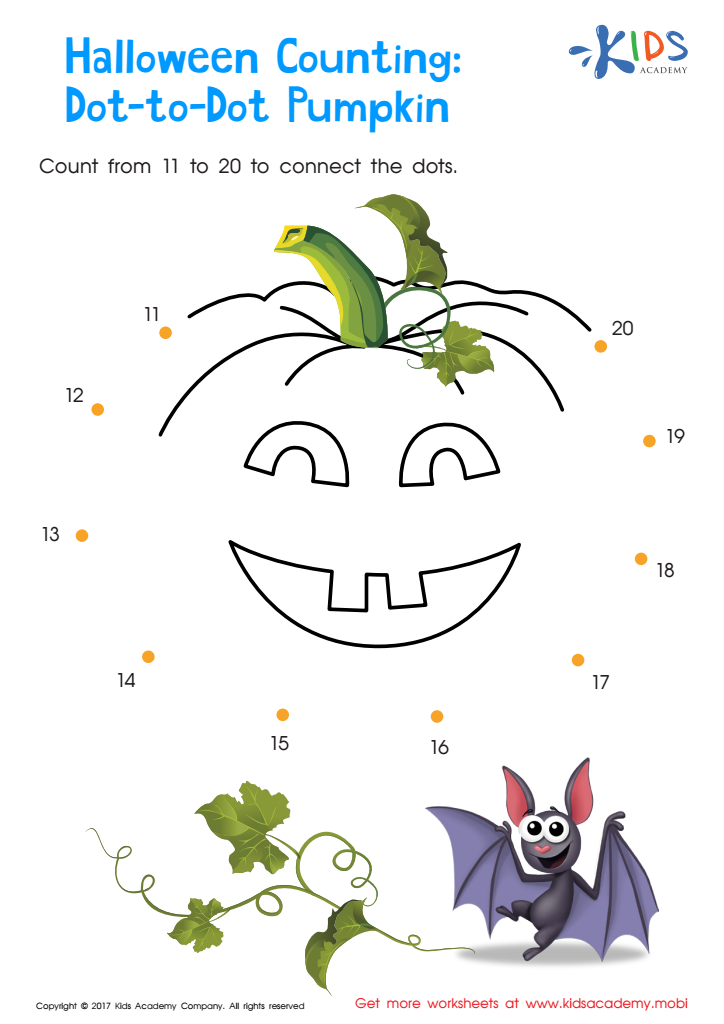
Ordering 11–20: Halloween Counting Worksheet
 Assign to My Students
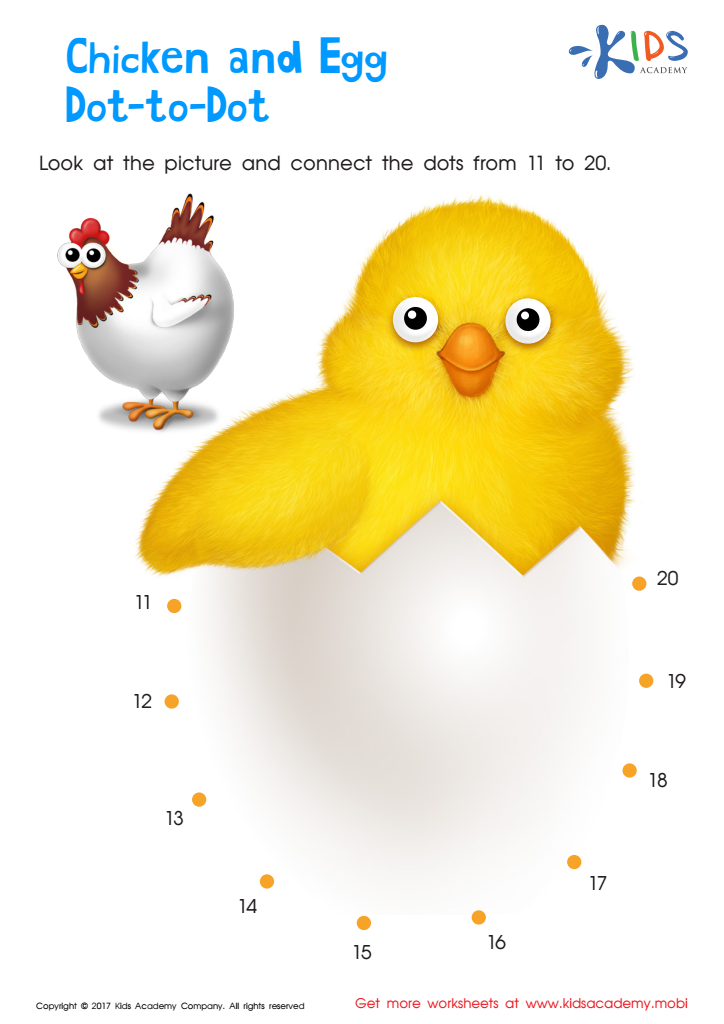
Ordering 11–20: Chicken & Egg Dot–to–dot Worksheet
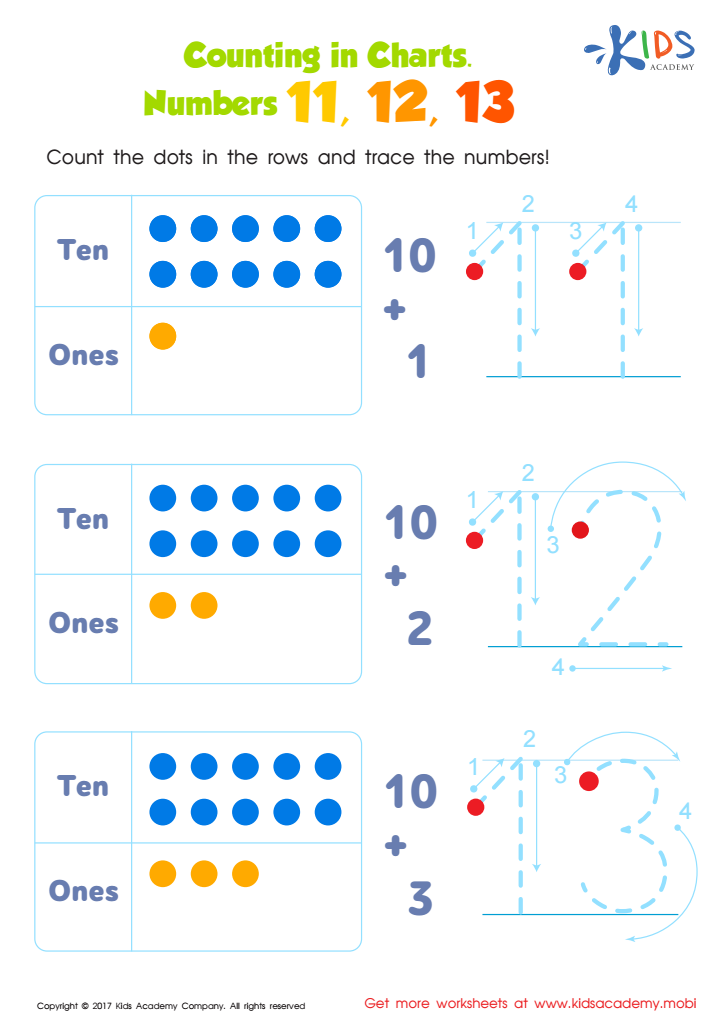
Number Tracing Worksheet For Kindergarten
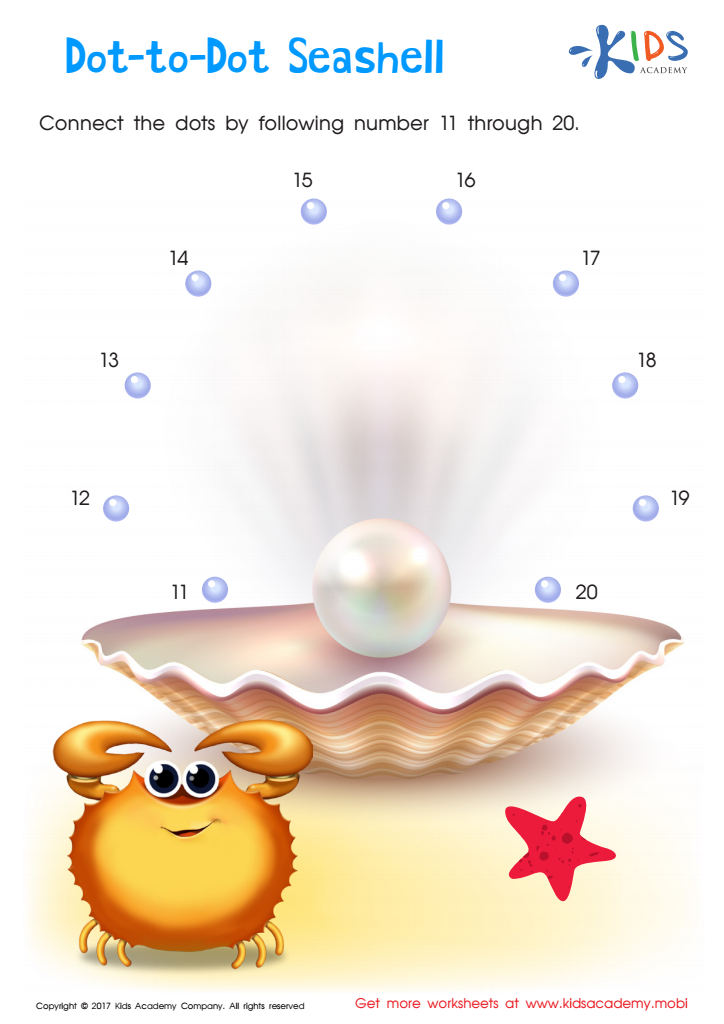
Ordering 11–20: Dot–to–dot Seashell Printable

Counting on the City Skyline: Dot-to-Dot Worksheet



%20(1).jpg)




Ensuring children develop fine motor skills and numerical understanding by ages 6-7 is crucial for academic success and overall development. Fine motor skills involve the coordination of small muscles in the hands and fingers, essential for tasks like writing, buttoning clothes, and tying shoelaces. Mastery of these skills supports independence and boosts self-esteem. Activities like tracing numbers up to 100 enhance precision and dexterity, fostering improved handwriting and attention to detail.
Understanding numbers up to 100 lays a solid foundation for math fluency. It introduces children to concepts such as place value, patterns, and counting sequences, which are fundamental to more complex math problems they'll encounter later. Grasping these early math skills boosts their confidence and promotes positive attitudes toward learning.
Moreover, integrating fine motor practice with number learning engages multiple areas of the brain, enhancing cognitive development. Puzzles, games, and hands-on activities can make learning enjoyable, catering to various learning styles and maintaining children's interest.
Parents and teachers who prioritize these developmental areas not only prepare children for academic challenges but also equip them with critical life skills, contributing to their overall growth and success.