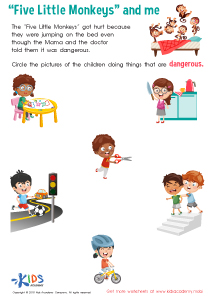
Fine Motor Skills Easy Reading Worksheets for Ages 6-7
10 filtered results
-
From - To
Enhance your child's reading fluency and fine motor skills with our "Fine Motor Skills Easy Reading Worksheets for Ages 6-7." Tailored to young learners, these engaging worksheets integrate fun reading exercises with activities that improve hand-eye coordination, dexterity, and control. From tracing letters to completing simple word puzzles, our meticulously designed worksheets ensure kids practice essential skills while enjoying the process. Boost your child’s development and confidence in a playful, educational way! Perfect for home or classroom use, our printable resources support a balanced approach to foundational learning. Explore now and nurture your child's early academic journey!
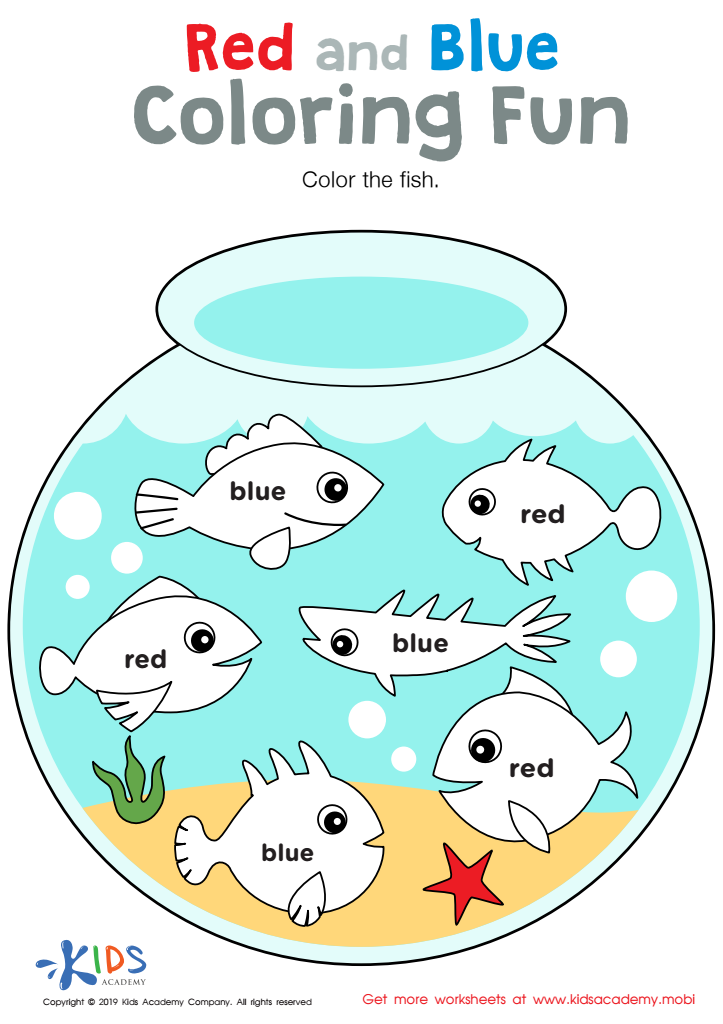
Red and Blue Coloring Fun Worksheet
 Assign to My Students

Yellow and Green Coloring Fun Worksheet
Assign to My Students
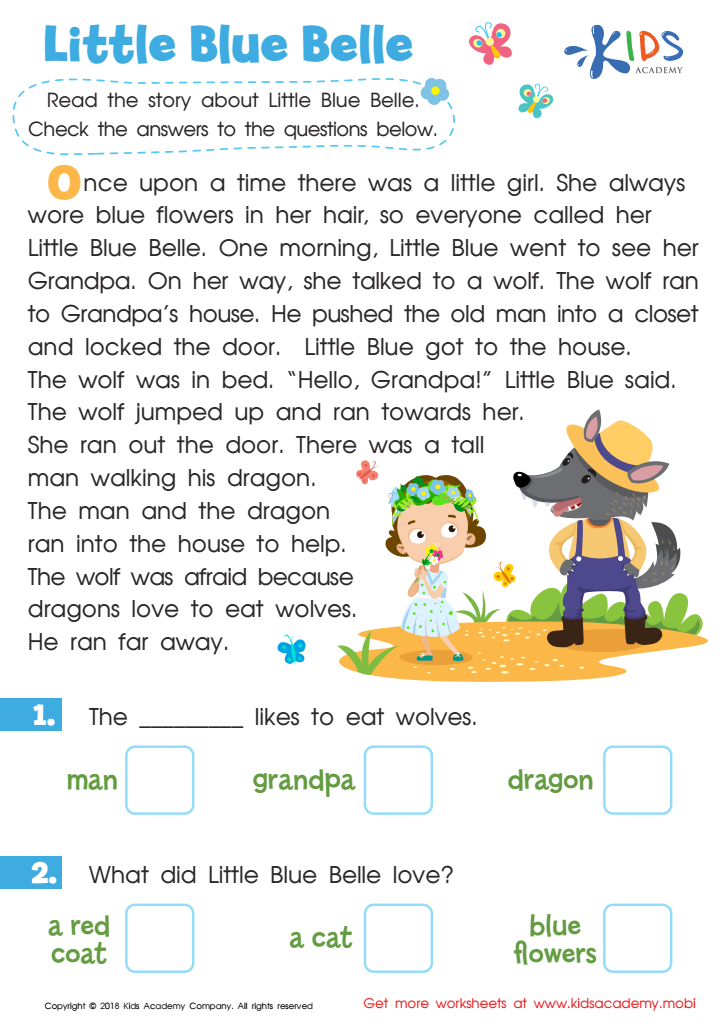
Little Blue Belle Worksheet
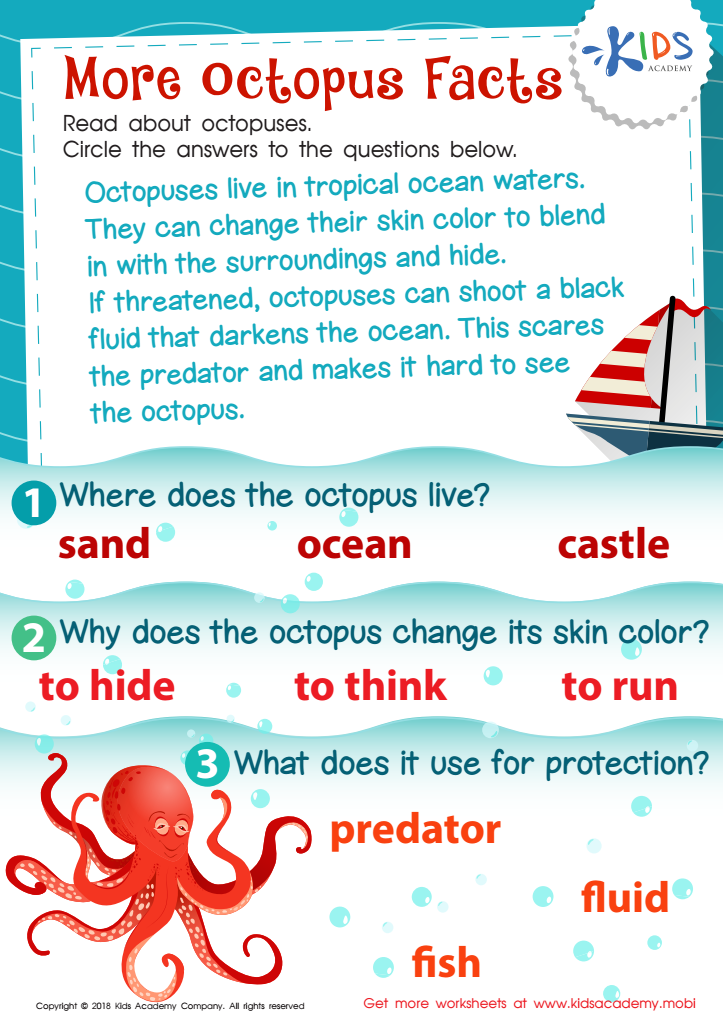
More Octopus Facts Worksheet
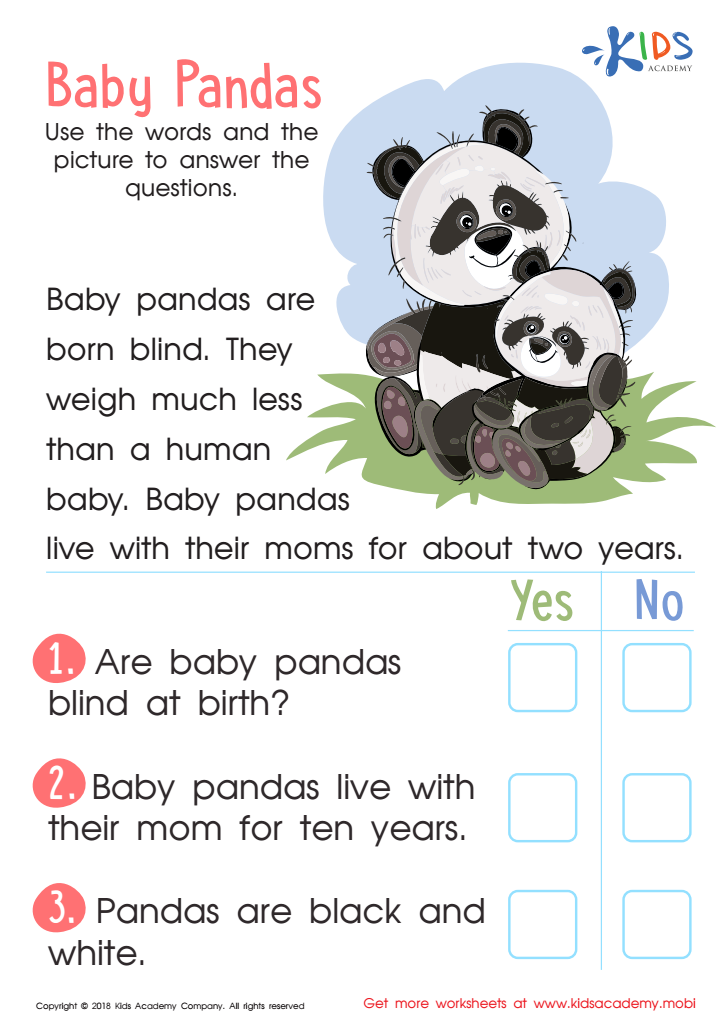
Baby Pandas Worksheet
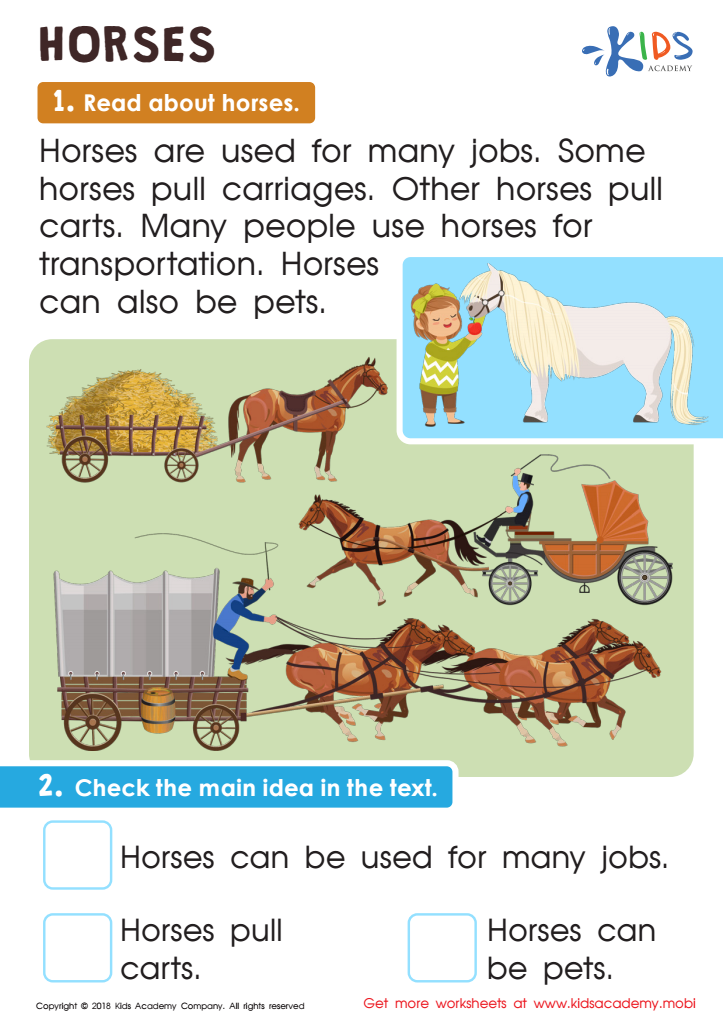
Horses Worksheet
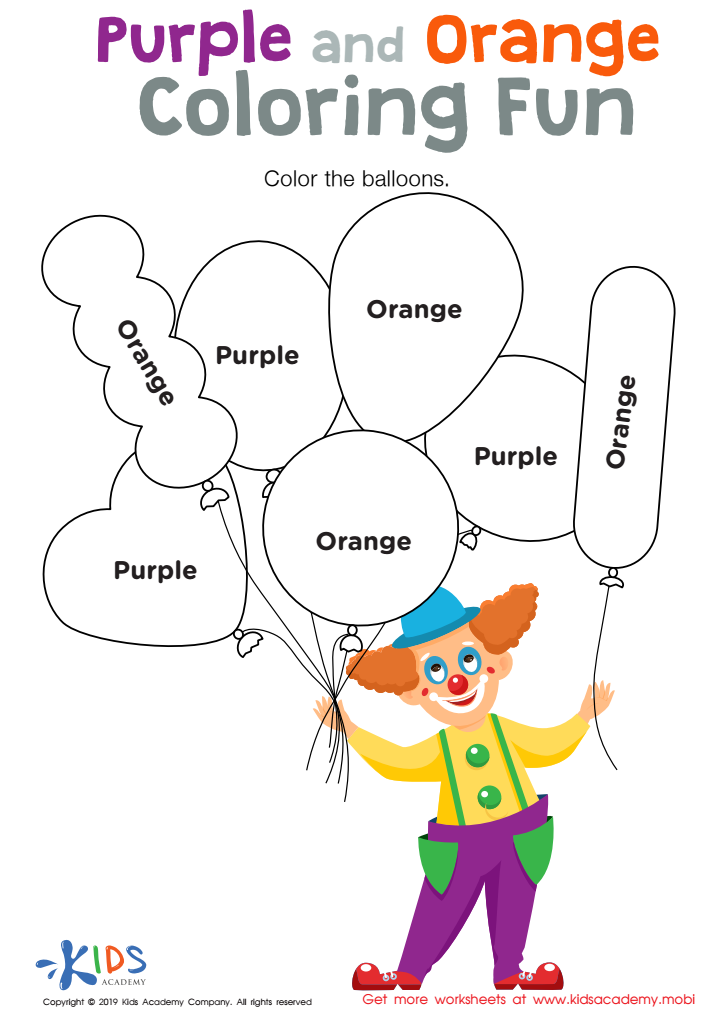
Purple and Orange Coloring Fun Worksheet
Assign to My Students
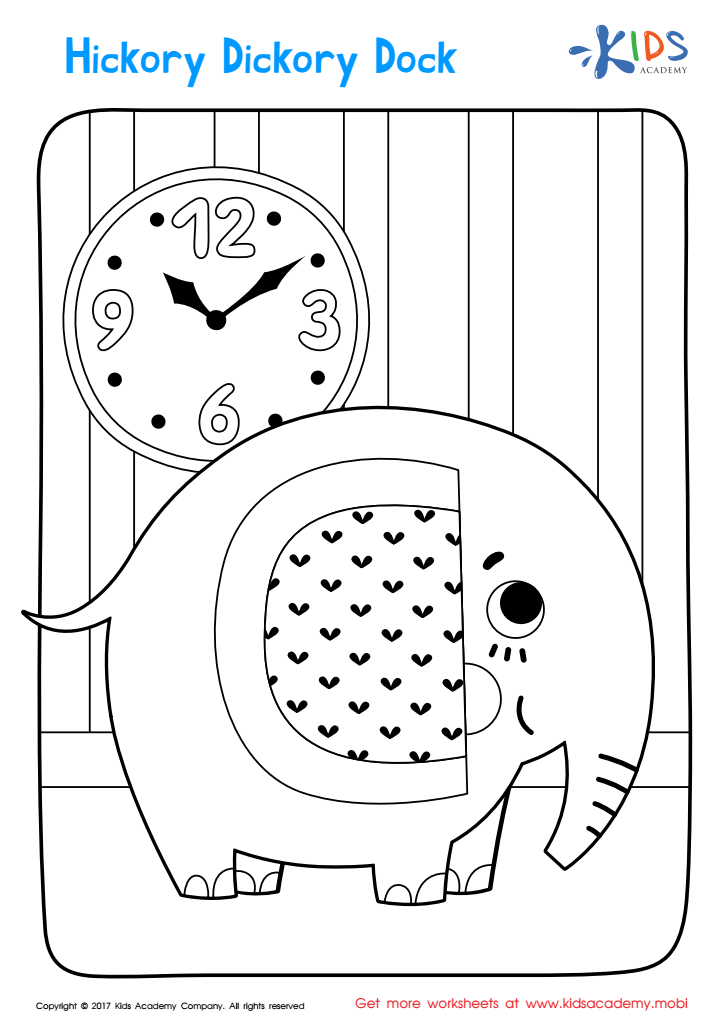
Hickory Dickory Dock Coloring Page
Assign to My Students

Happy Family Coloring Worksheet
Assign to My Students
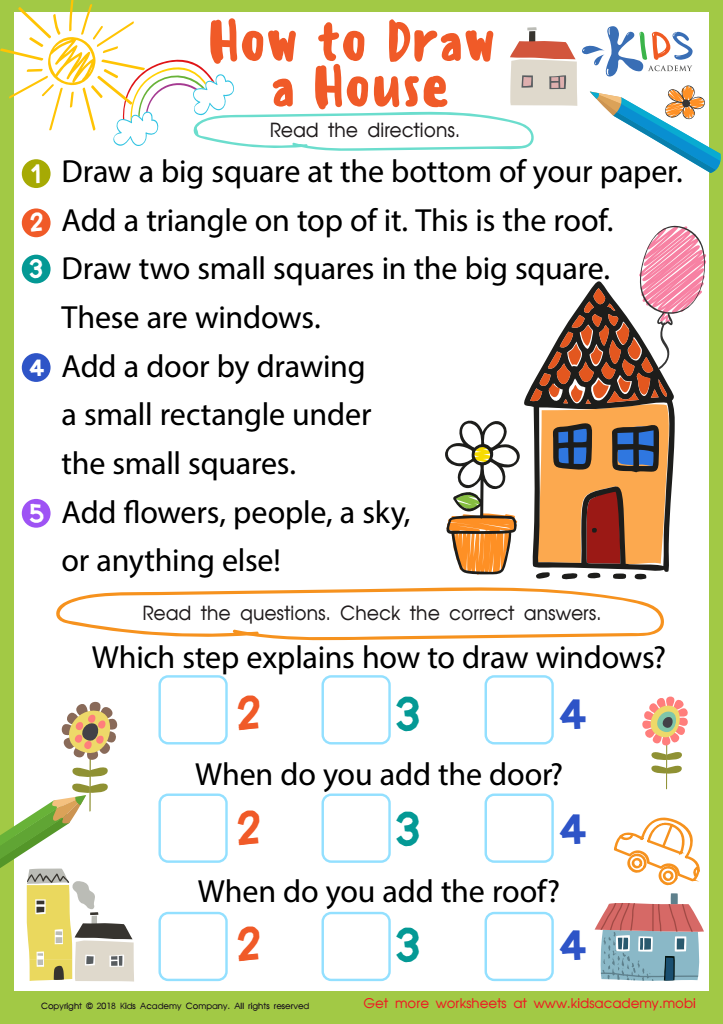
How to Draw House Worksheet








Parents and teachers should focus on the development of fine motor skills in children aged 6-7 because these skills are crucial for academic success and day-to-day activities. Fine motor skills involve the coordination of small muscles, particularly in the hands and fingers, enabling children to perform tasks such as writing, drawing, cutting with scissors, and manipulating small objects. Mastering these abilities is essential for easy reading and legible handwriting, which are critical components of learning.
At ages 6-7, children are typically in first or second grade, a period when they make significant strides in literacy. Fine motor skills contribute to their ability to form letters correctly, space words appropriately, and write legible sentences. This directly impacts their reading and writing skills, facilitating smoother and more efficient learning. Moreover, children show higher engagement and confidence in activities when they can perform tasks successfully.
Strengthening fine motor skills also supports cognitive development, enhances hand-eye coordination, and fosters independence. These skills are not only vital for academic achievements but also for everyday tasks like buttoning clothes and tying shoelaces. Focusing on fine motor skills in early education sets a strong foundation for future learning and important life skills, making it an essential area of development for both parents and teachers to prioritize.