Cognitive Development Easy Writing Worksheets for Ages 6-7
3 filtered results
-
From - To
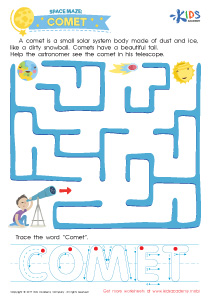
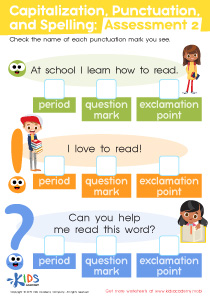
Our Cognitive Development Easy Writing Worksheets for Ages 6-7 aim to nurture the foundational writing skills essential for young learners. Each worksheet is thoughtfully designed to engage children in activities that enhance critical thinking, creativity, and problem-solving. Through fun and interactive tasks, kids practice forming sentences, expanding their vocabulary, and expressing their ideas clearly. These worksheets serve as a stepping stone to more advanced writing skills, ensuring a smooth transition as children progress academically. Perfect for classroom use or homeschooling, our worksheets make learning enjoyable while fostering cognitive growth. Help your child thrive with our expertly crafted writing resources!
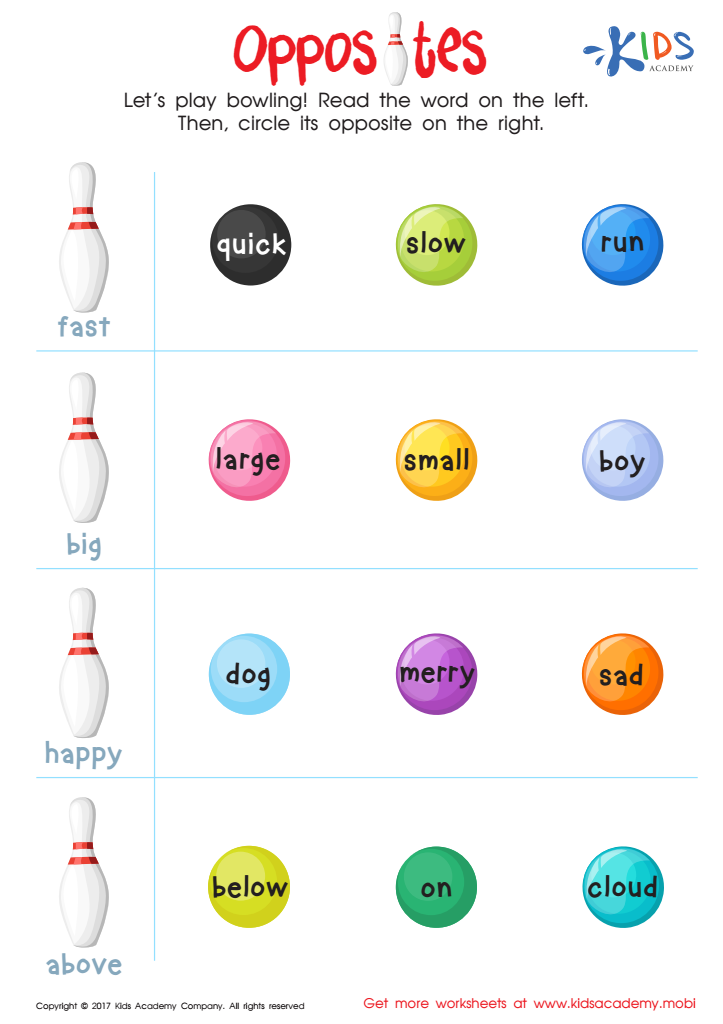
Opposites Worksheet
 Assign to My Students
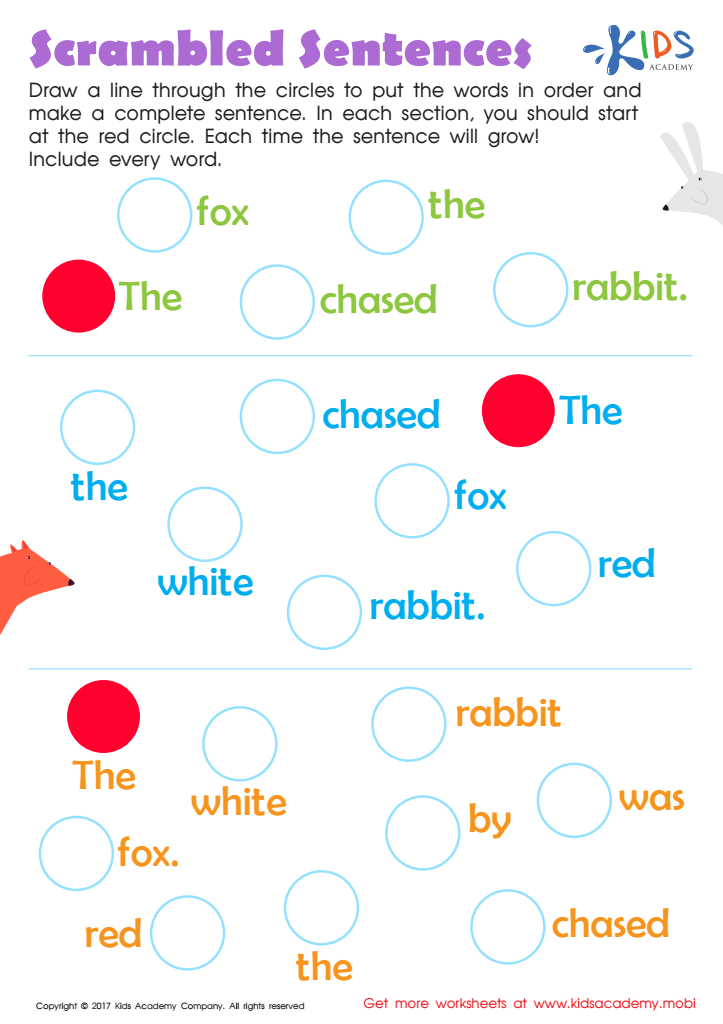
Scrambled Sentences Worksheet
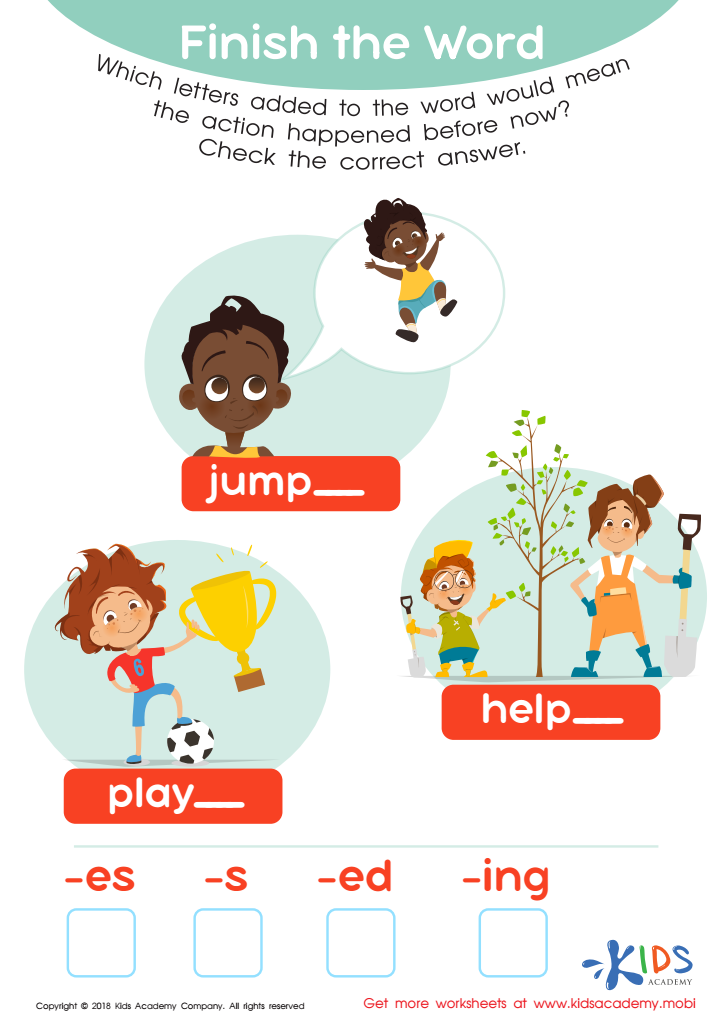
Finish the Word Worksheet








Cognitive development is crucial for children, especially during early years (ages 6-7), as it lays the foundation for future learning, reasoning, and problem-solving abilities. At this stage, children transition from simple to more complex thinking skills, and writing plays a fundamental role in this process. For parents and teachers, fostering easy writing skills is essential because it enhances children's communication abilities. Writing helps children put thoughts into words, organize ideas, and express emotions, which boosts their confidence and academic performance.
Additionally, easy writing exercises improve fine motor skills as children learn to hold pencils correctly and control their hand movements. This development is vital for performing other everyday tasks. Education professionals understand that cognitive growth is interconnected with writing skills. Early mastery of writing encourages better reading comprehension and critical thinking. It’s not just about forming letters; it’s about understanding language, sentence structure, and storytelling.
Moreover, easy writing nurtures creativity and imagination. When children practice writing, they create stories and express original ideas, fostering a sense of accomplishment. Teachers can track progress and identify any learning difficulties early on, providing timely support. Ultimately, caring about cognitive development through writing encourages lifelong learning and sets a solid foundation for children’s academic and personal success.