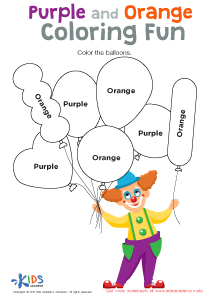
Hand-eye Coordination Easy English for Beginners Worksheets for Ages 6-8
3 filtered results
-
From - To
Discover our engaging "Hand-eye Coordination Easy English for Beginners Worksheets" specially designed for ages 6-8. These user-friendly worksheets integrate fun activities to improve both hand-eye coordination and foundational English skills. Ideal for young learners and ESL students, the exercises include tracing, matching, and simple puzzles–perfectly tailored to keep children motivated while they learn. Our expertly crafted resources enhance motor skills alongside language practice, offering a balanced approach to early education. Start your child's journey to better coordination and English proficiency with our vibrant and interactive worksheets today!
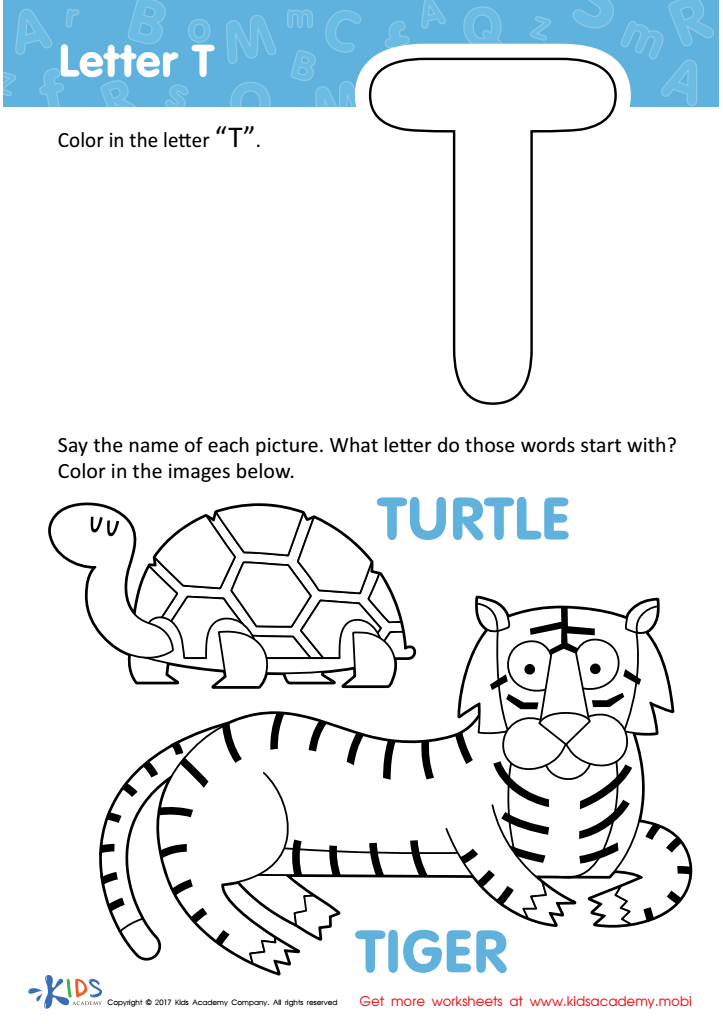
Letter T Coloring Sheet
 Assign to My Students
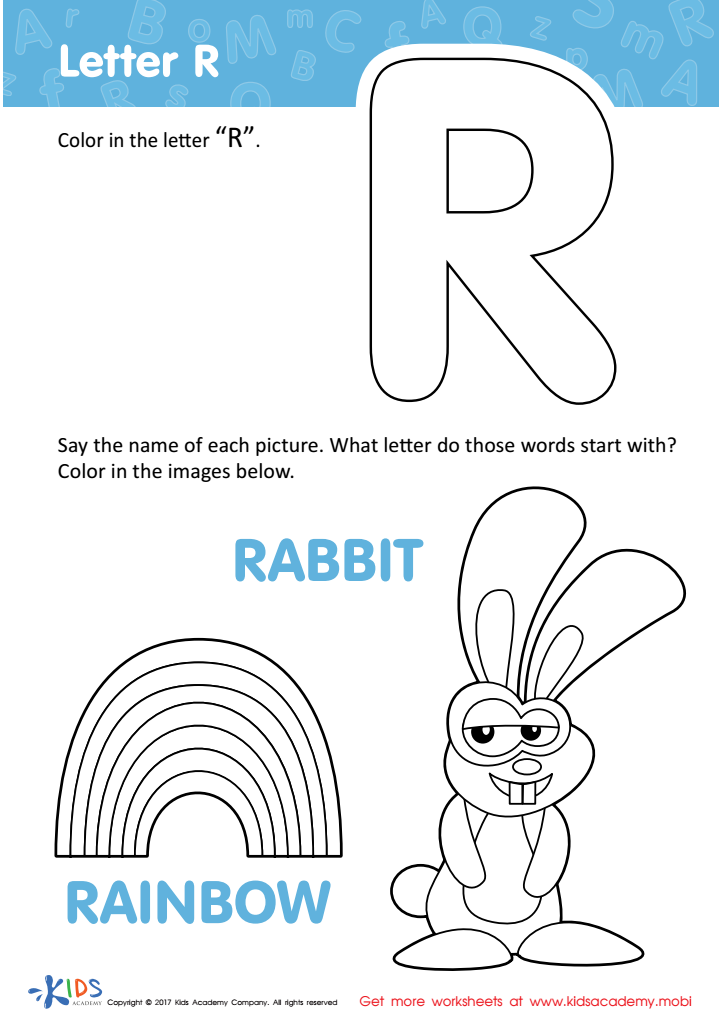
Letter R Coloring Sheet
Assign to My Students
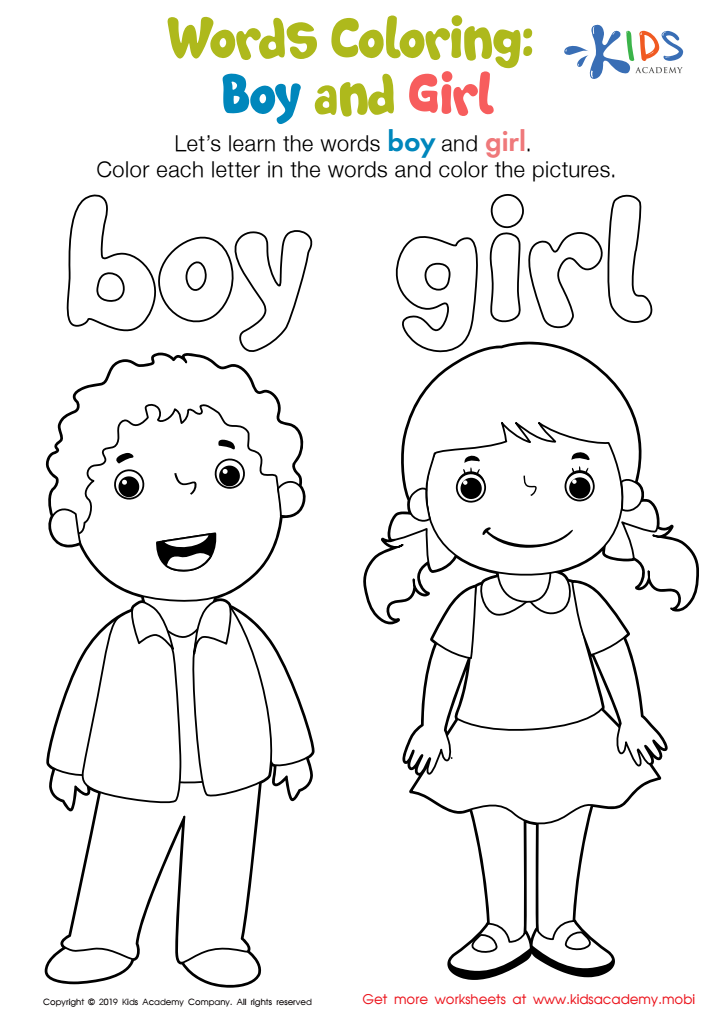
Boy and Girl Words Coloring Worksheet
Assign to My Students





Hand-eye coordination is very important for children ages 6-8. This is the ability to match what they see (with their eyes) to what they do (with their hands). It helps children do many everyday things. For example, writing neatly, catching a ball, tying shoes, and using the computer all require good hand-eye coordination.
Teachers and parents should care about hand-eye coordination because it helps children learn better. When children can write neatly and quickly, they can keep up with lessons and do well in school. Good coordination also helps them draw, cut with scissors, and play musical instruments.
Physical activities become easier and more fun when children have good hand-eye coordination. They're better at sports like soccer or basketball, which also helps them make friends and stay active.
At home, simple tasks become easier for children with good hand-eye coordination. Buttoning clothes, feeding themselves, and doing puzzles are just some examples.
Poor hand-eye coordination can make children feel frustrated and lower their self-esteem. So, it's important to help children practice and improve this skill. Practice games, sports, and tasks help a lot!
Helping children improve their hand-eye coordination sets them up for success in school and in everyday life.