Categorization skills Easy Worksheets for Ages 6-8
6 filtered results
-
From - To
Unlock your child’s potential with our "Categorization Skills Easy Worksheets for Ages 6-8." Designed to boost critical thinking, these engaging printable worksheets make it fun for young learners to group and classify objects. Activities range from sorting animals and foods to identifying shapes and colors, tailored specifically for 1st and 2nd graders. Each worksheet helps enhance cognitive skills and logical reasoning, setting a strong foundation for future learning. With vibrant illustrations and interactive exercises, your child will enjoy developing essential categorization skills. Perfect for both classroom and home use, start your educational journey today!
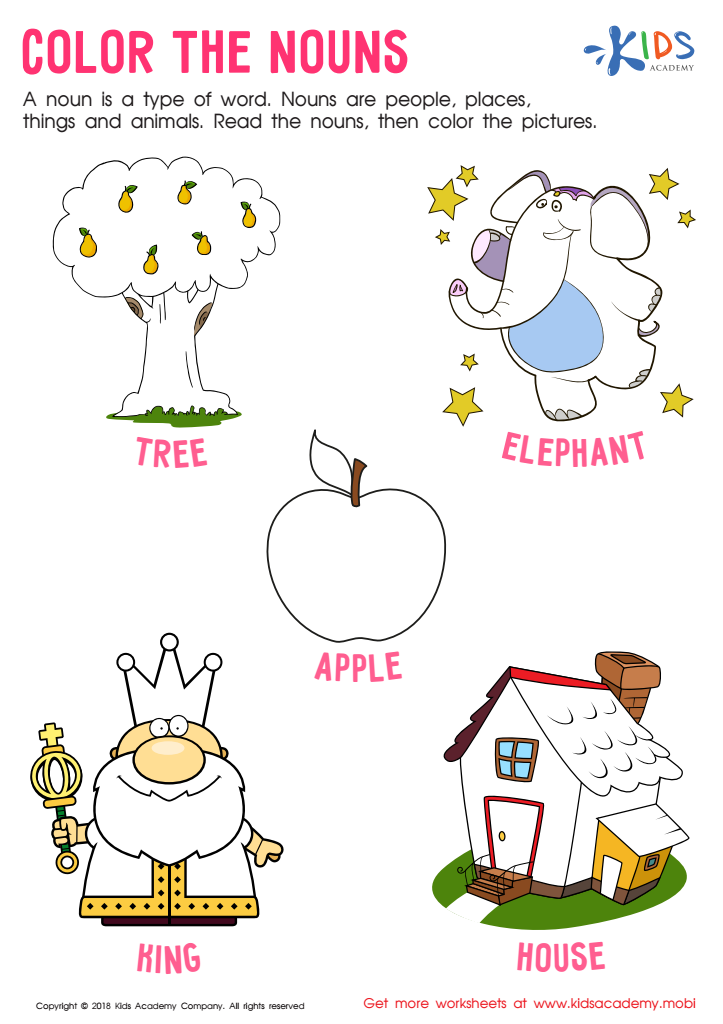
Color the Nouns Worksheet
 Assign to My Students
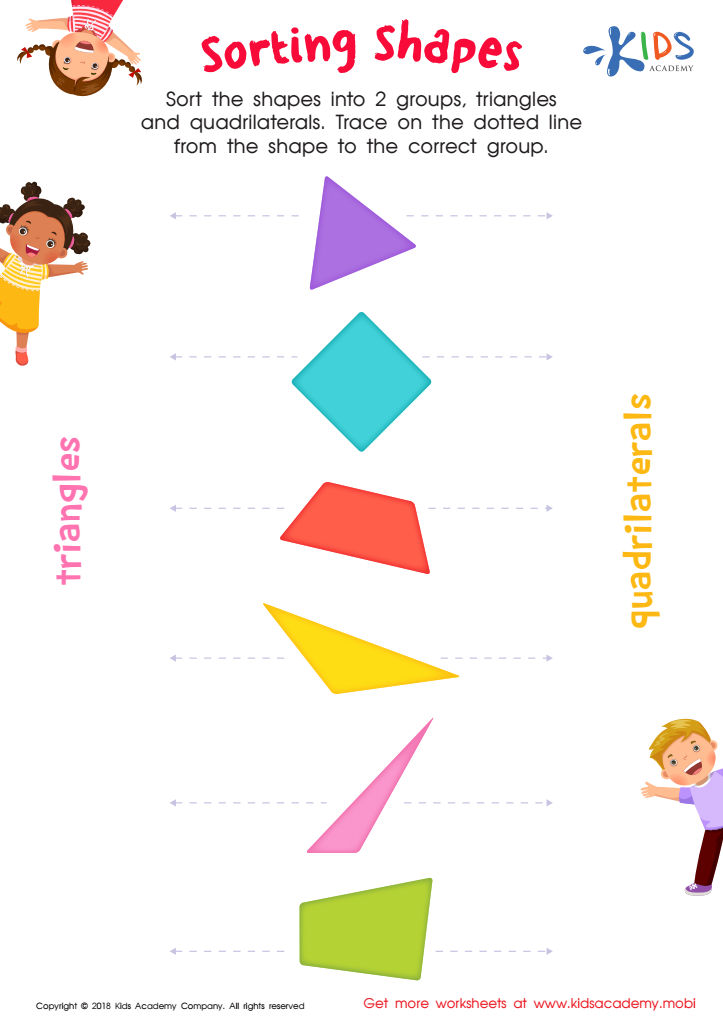
Sorting Shapes Worksheet
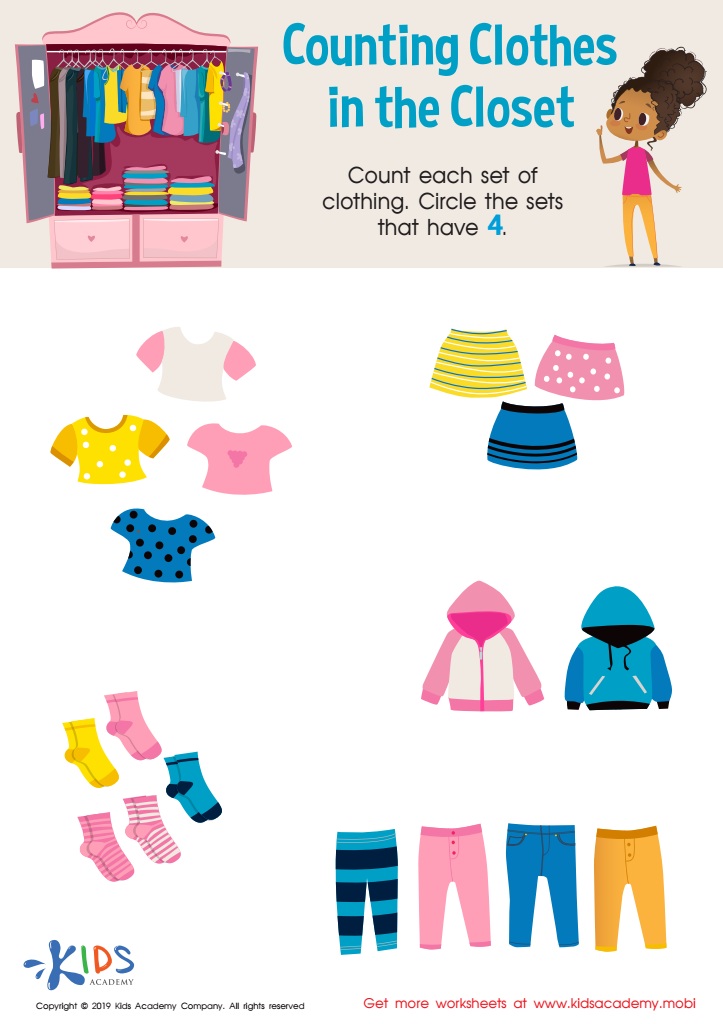
Counting Clothes Worksheet
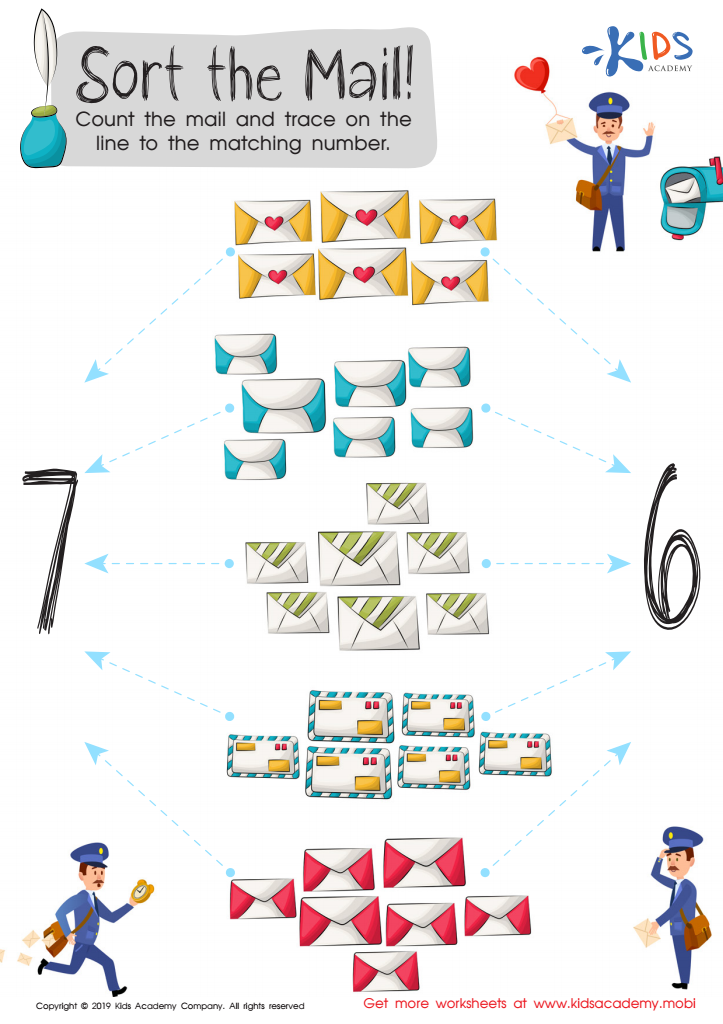
Sort the Mail Worksheet
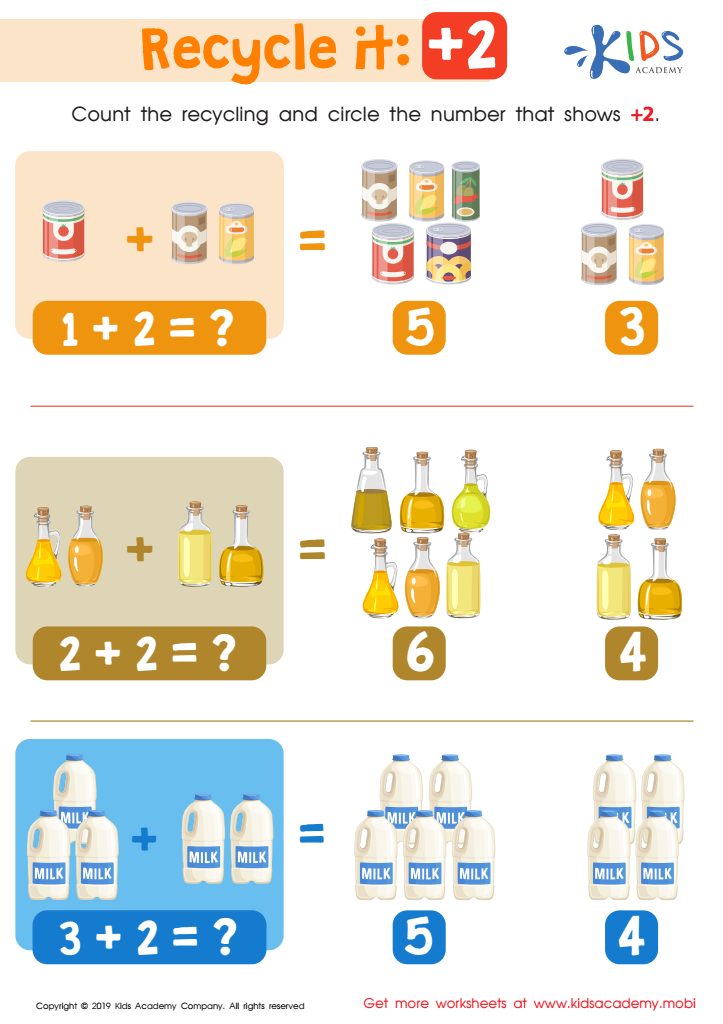
Recycle It: +2 Worksheet
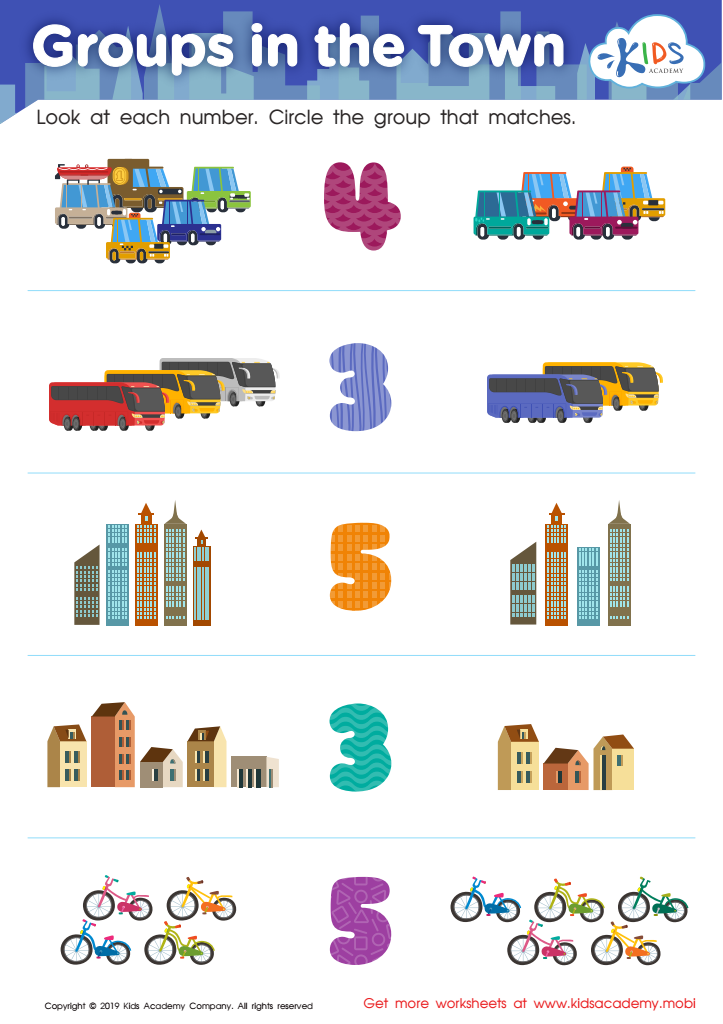
Groups in the Town Worksheet





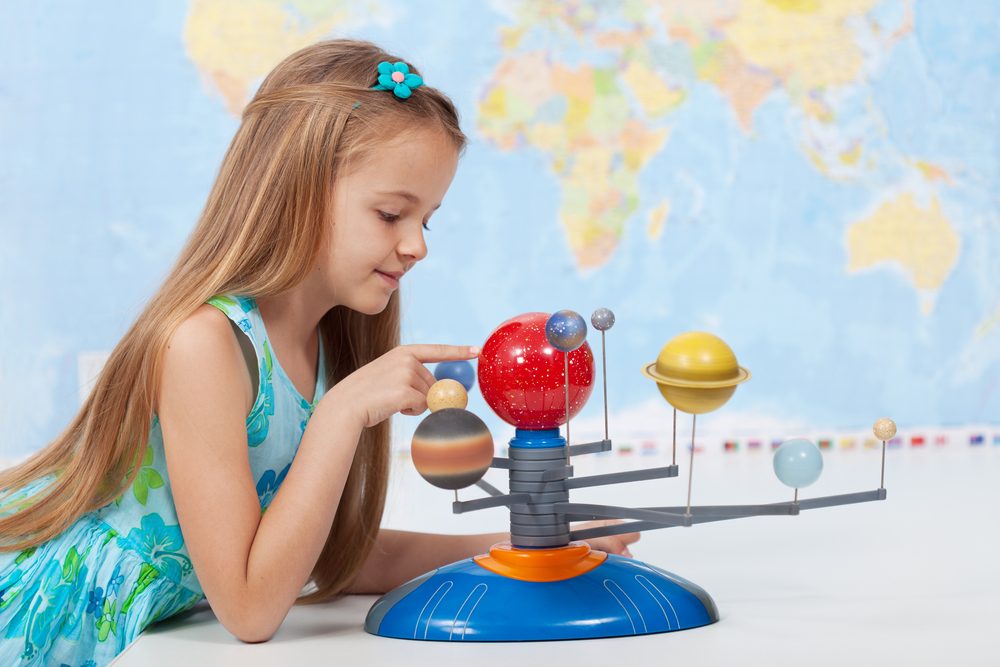


Categorization skills are fundamental cognitive abilities that allow children to organize objects, ideas, and information based on shared characteristics. For children aged 6-8, developing strong categorization skills is crucial for several reasons. Firstly, these skills enhance their comprehension and learning abilities. By grouping similar items together, children can more efficiently store and retrieve information, improving their understanding of various subjects such as science, math, and language arts.
Secondly, categorization aids in vocabulary expansion and language development. When children identify and categorize objects, they often encounter new terms and concepts, enriching their language and communication skills. Additionally, these skills are essential for problem-solving and critical thinking. By recognizing patterns and relationships, children can make informed decisions and solve problems effectively.
Furthermore, categorization skills contribute to a child's overall cognitive development, promoting higher-order thinking processes like analysis, synthesis, and evaluation. This can improve their academic performance and foster a lifelong love for learning.
Teachers and parents play a pivotal role in nurturing these skills by providing diverse and engaging activities, such as sorting games, classification tasks, and interactive discussions. Encouraging children to explore, question, and categorize their surroundings can significantly enhance their cognitive growth and overall intellectual development.








