Fine motor development Easy Worksheets for Ages 6-8
3 filtered results
-
From - To
Discover a fun and engaging way to boost fine motor skills with our "Fine Motor Development Easy Worksheets" designed specifically for ages 6-8. These worksheets offer a variety of activities that safely challenge young learners, helping them develop essential hand-eye coordination, grip strength, and dexterity. Each activity is carefully crafted to be enjoyable and educational, ensuring children stay engaged while honing their motor skills. Perfect for both at-home learning and classroom use, our worksheets provide a seamless blend of creativity and learning, making them an invaluable resource for parents and teachers alike. Explore our collection and watch your child's confidence grow!
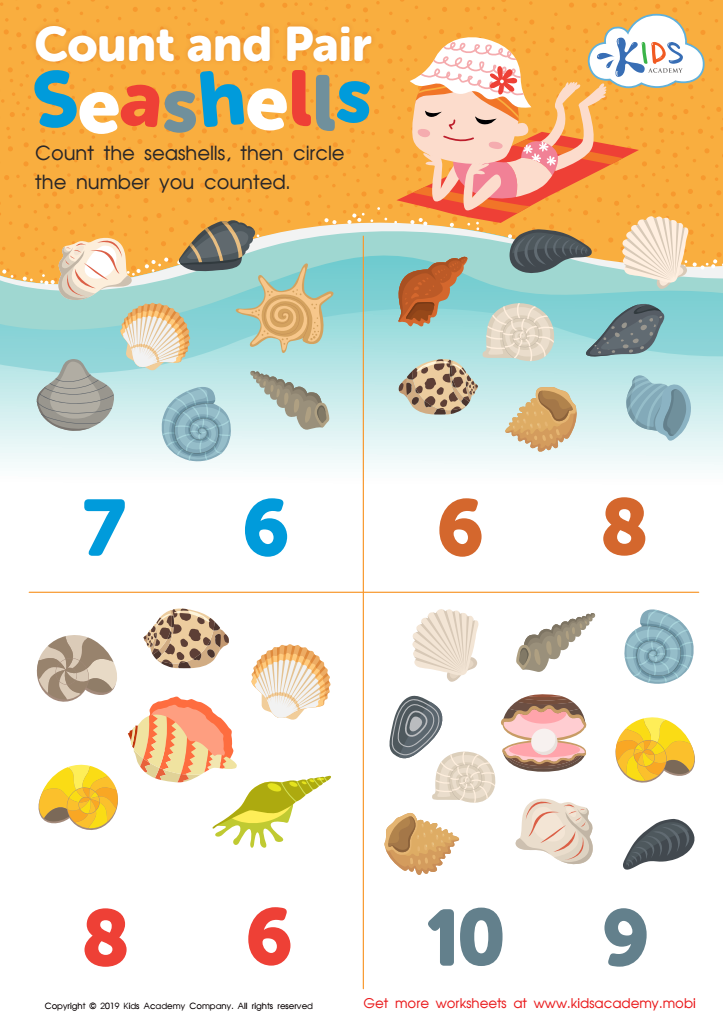
Count and Pair Seashells Worksheet
 Assign to My Students
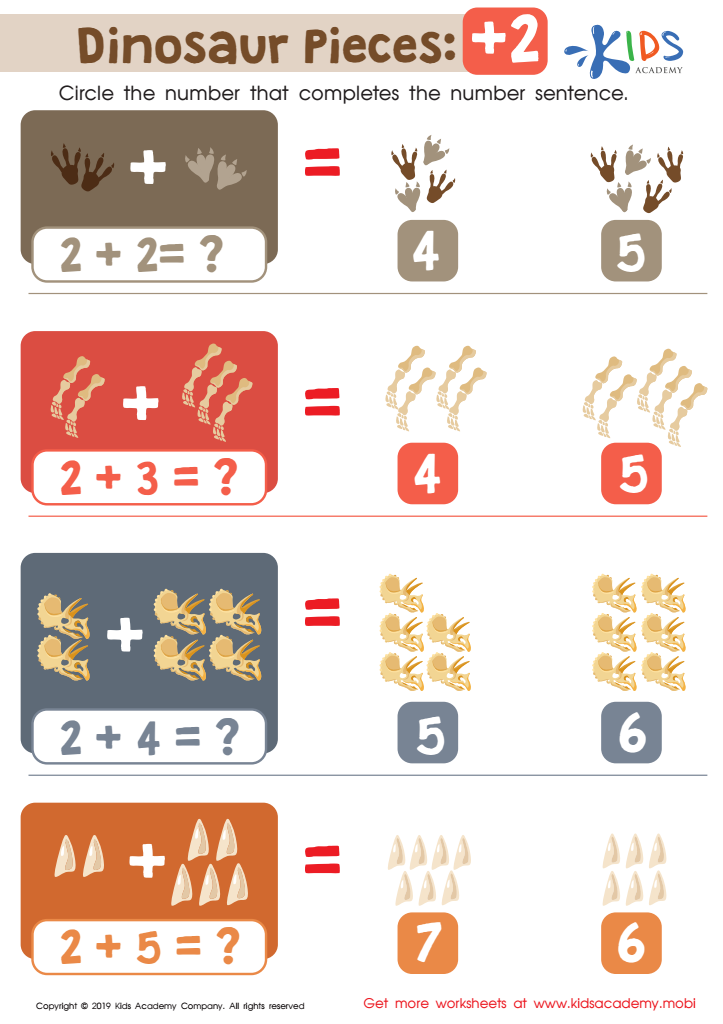
Dinosaur Pieces: +2 Worksheet






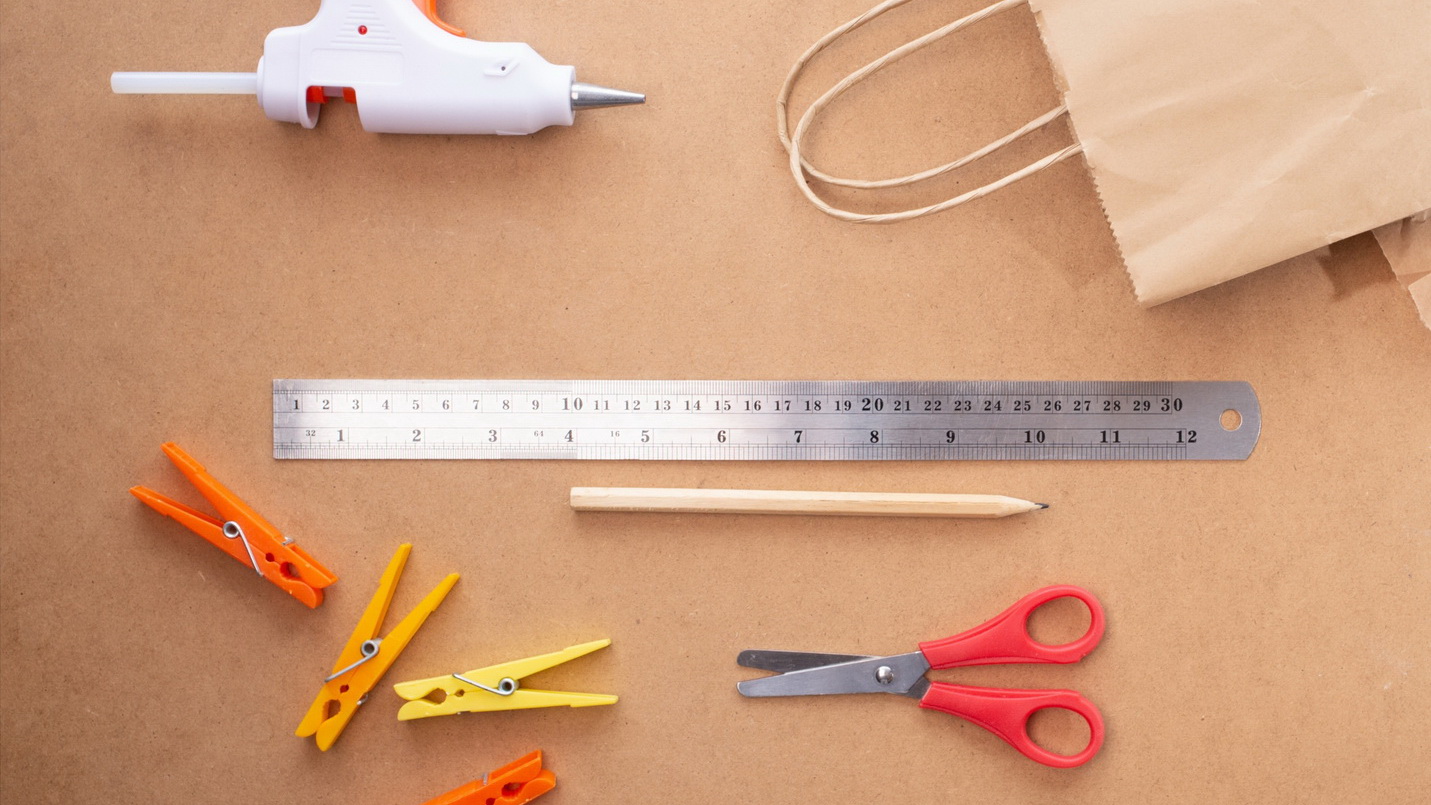

Fine motor development is crucial for children aged 6-8 as it directly impacts their ability to perform everyday tasks and academic skills. At this age, kids are learning to write, use scissors, button clothes, and manipulate small objects. Strong fine motor skills enhance their ability to hold a pencil properly, control writing speed, and create legible letters, which is essential for schoolwork.
When children struggle with fine motor tasks, they may feel frustrated or anxious, affecting their confidence and willingness to engage in classroom activities. If parents and teachers recognize the importance of fine motor skills, they can provide opportunities for practice and improvement. Simple activities like drawing, painting, threading beads, or playing with clay can significantly help boost these skills.
Additionally, fine motor development lays the groundwork for future skills, such as problem-solving and critical thinking, as children learn to manipulate tools or solve puzzles. Consequently, supporting this aspect of growth is vital for fostering independence and enhancing learning experiences. By encouraging fine motor development, parents and teachers can help children build a strong foundation for both their current and future success in school and life.








