Fraction comparison Easy Worksheets for Ages 6-8
3 filtered results
-
From - To
Introducing our "Fraction Comparison Easy Worksheets for Ages 6-8," designed for young learners to master the basics of fractions in a fun and engaging way. These worksheets aim to make fraction learning simple and enjoyable, helping children understand and compare fractions visually. Perfect for home or classroom use, our expertly crafted materials provide hands-on practice to boost confidence and build essential math skills. Ideal for ages 6-8, each worksheet ensures progressive learning and interactive education through diverse activities and creative illustrations. Unlock the ease of learning fractions today with our tailored, child-friendly fraction comparison worksheets!
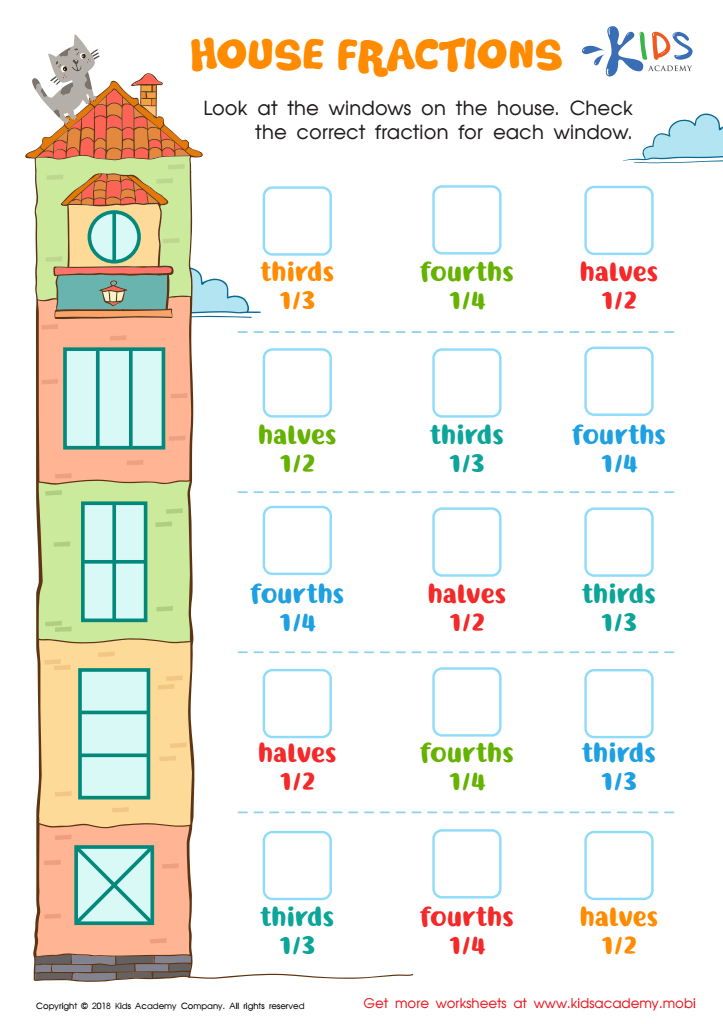
House Fractions Worksheet
 Assign to My Students
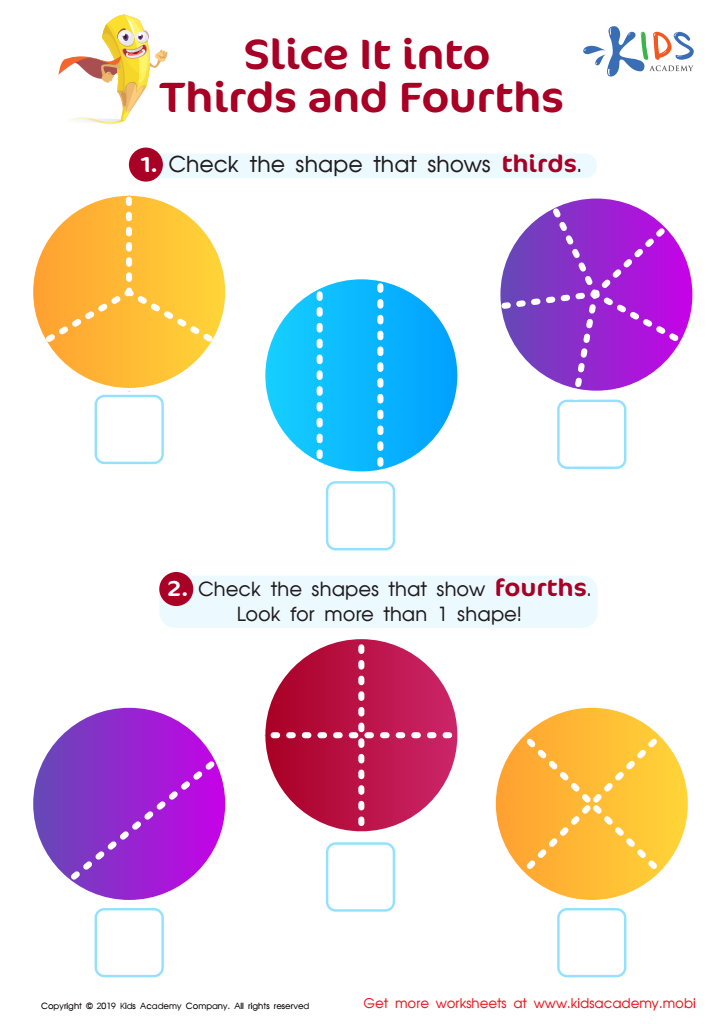
Slice in Thirds Fourths Worksheet
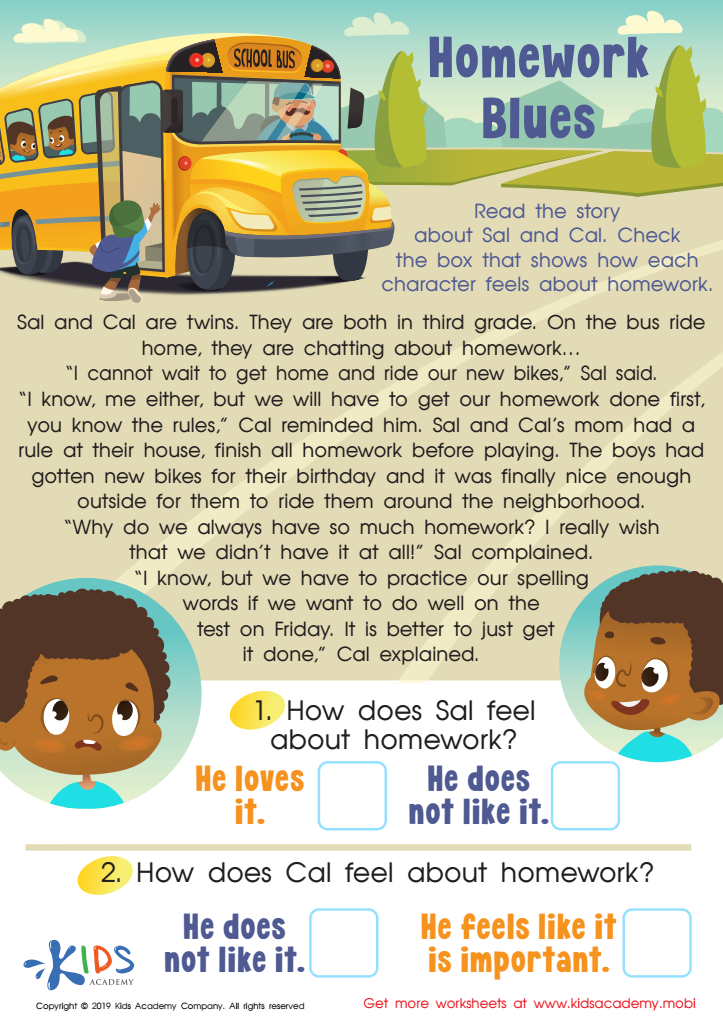
Homework Blues Worksheet






Fraction comparison is a foundational math skill important for young children, ages 6-8, to grasp, as it sets the stage for more advanced mathematical concepts. Parents or teachers should care about making fraction comparison easy for several reasons:
Understanding fractions helps build number sense and analytical thinking. When children compare fractions, they learn to evaluate size and quantity, nurturing logical reasoning abilities essential for solving problems. Conceptualizing parts of a whole and distinguishing between quantities, even if they’re not whole numbers, promotes flexibility in thinking.
Introducing fractions at an elementary level helps students see connections in mathematics, enabling smoother transitions to topics like decimals, percentages, and ratios encountered in later grades. This continuity reduces math anxiety and builds confidence as children find familiarity and ease with progressively complex topics.
Making fraction comparison easy ensures that children have positive, enjoyable experiences with math early on. Engaging children with hands-on activities, visual aids, or games fosters curiosity and enthusiasm about learning fractions.
Moreover, early proficiency in fractions enhances everyday life skills, such as understanding time, measuring ingredients in recipes, and dividing objects or quantities fairly among friends. It's essential for long-term academic success, making it a priority for parents and teachers to focus on tailored, accessible fraction-comparison strategies for young learners.








