Improving vocabulary Easy Worksheets for Ages 6-8
3 filtered results
-
From - To
Enhance your child's language skills with our "Improving Vocabulary Easy Worksheets for Ages 6-8." Designed for young learners, these engaging worksheets are perfect for building a strong vocabulary foundation. Each activity is tailored to help children understand, practice, and retain new words in a fun and interactive way. Our collection includes a variety of exercises, from matching words to their meanings to completing sentences, ensuring a comprehensive vocabulary boost. Ideal for at-home learning or classroom use, these worksheets support better reading comprehension, effective communication, and a deeper love for language. Start your child's vocabulary journey today!
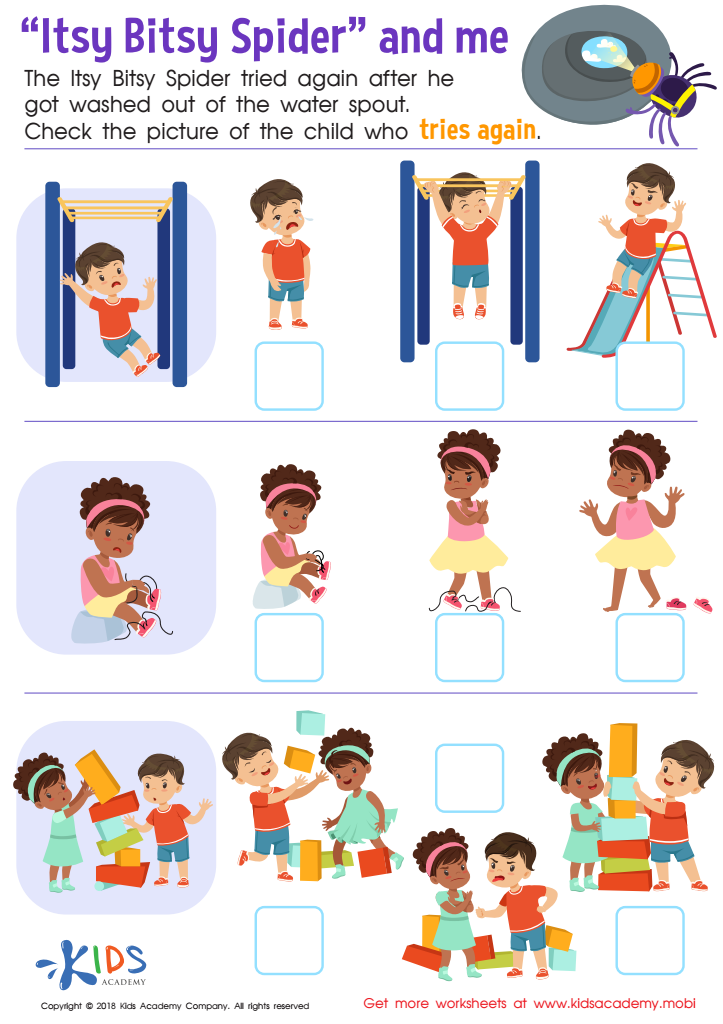
Itsy Bitsy Spider and Me Worksheet
 Assign to My Students
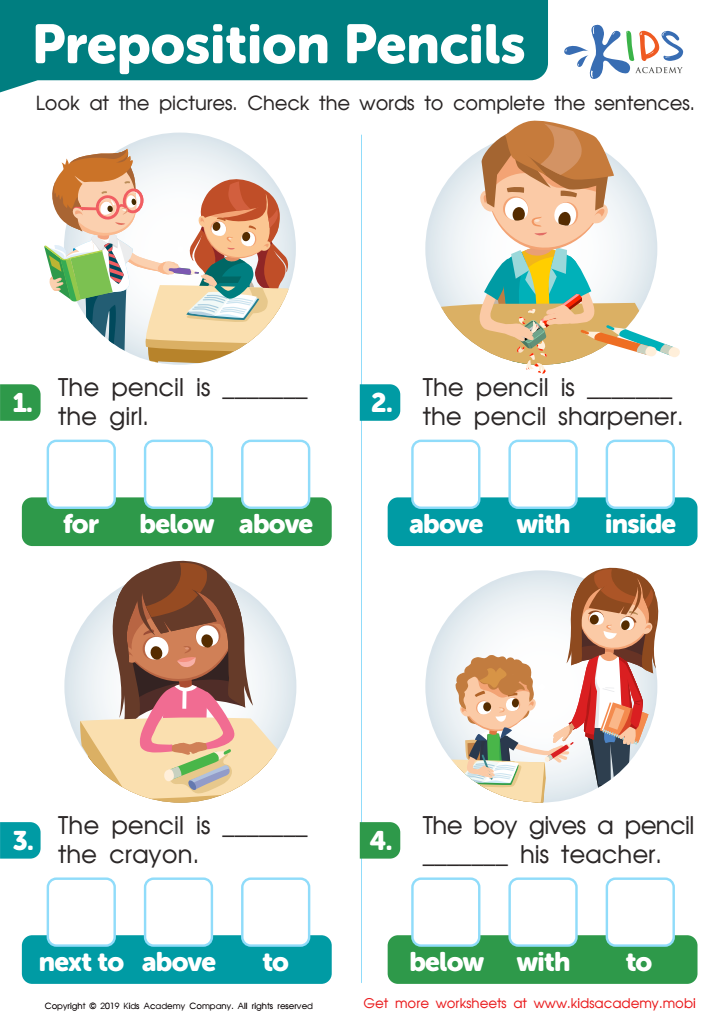
Preposition Pencils Worksheet
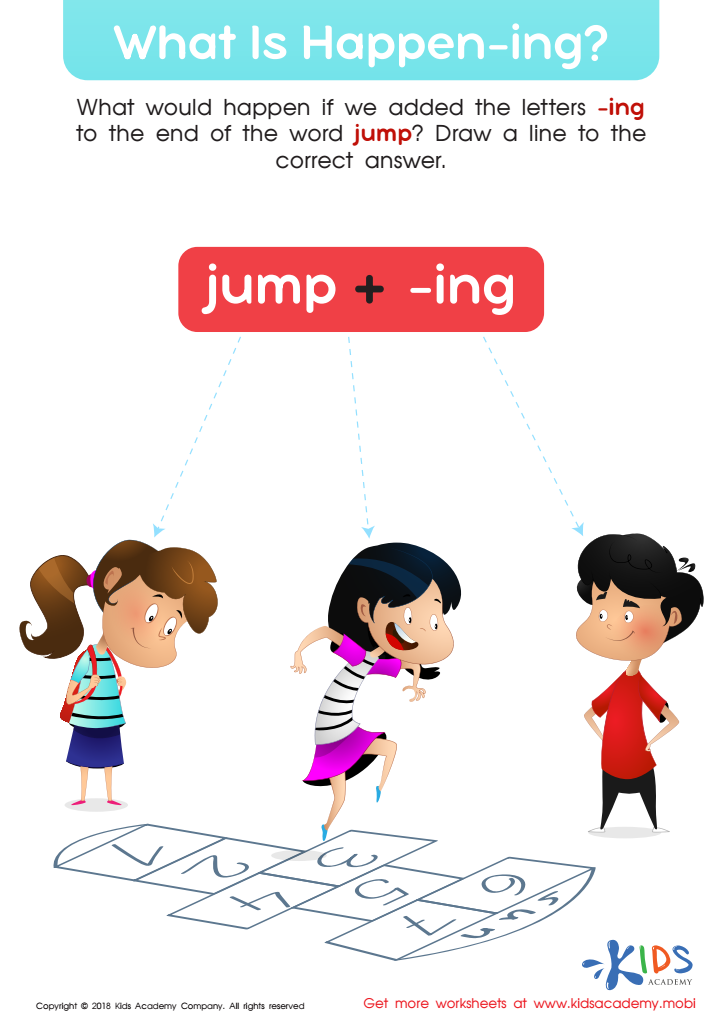
What Is Happen-Ing? Worksheet








Improving vocabulary is essential for children aged 6-8 because it lays the foundation for successful communication and learning. At this age, children are curious and rapidly absorbing new information. A robust vocabulary helps them express their thoughts, needs, and emotions more clearly. When children have a rich vocabulary, they can better understand instructions and engage more deeply in classroom activities, which enhances their overall learning experience.
Additionally, strong vocabulary skills are closely linked to reading comprehension. When children understand the words they read, they are more likely to enjoy reading and become proficient readers. This, in turn, fuels their knowledge and imagination, enabling them to succeed in all subjects. Vocabulary also plays a vital role in social interactions. Children who can express themselves well are more confident and can build strong relationships with their peers and adults.
Moreover, early vocabulary development can set the stage for success later in life. Studies show that children with larger vocabularies are more likely to excel academically and have better job prospects as adults. Therefore, parents and teachers should actively engage in activities like reading aloud, playing word games, and encouraging conversations to make vocabulary learning fun and effective, ensuring a bright future for their young learners.








