Fine Motor Skills Easy Addition Worksheets for Ages 6-8
3 filtered results
-
From - To
Introduce your young learners to the world of math with our "Fine Motor Skills Easy Addition Worksheets for Ages 6-8." These engaging worksheets are designed to make addition fun and interactive, enhancing both fine motor skills and mathematical understanding. Perfect for early grade students, each worksheet is crafted to build essential skills such as hand-eye coordination, precision, and number sense. Featuring colorful designs, clear instructions, and progressive difficulty, our worksheets help children develop confidence in their abilities while enjoying the learning process. Equip your students with the tools they need to succeed with these easy and enriching math resources.
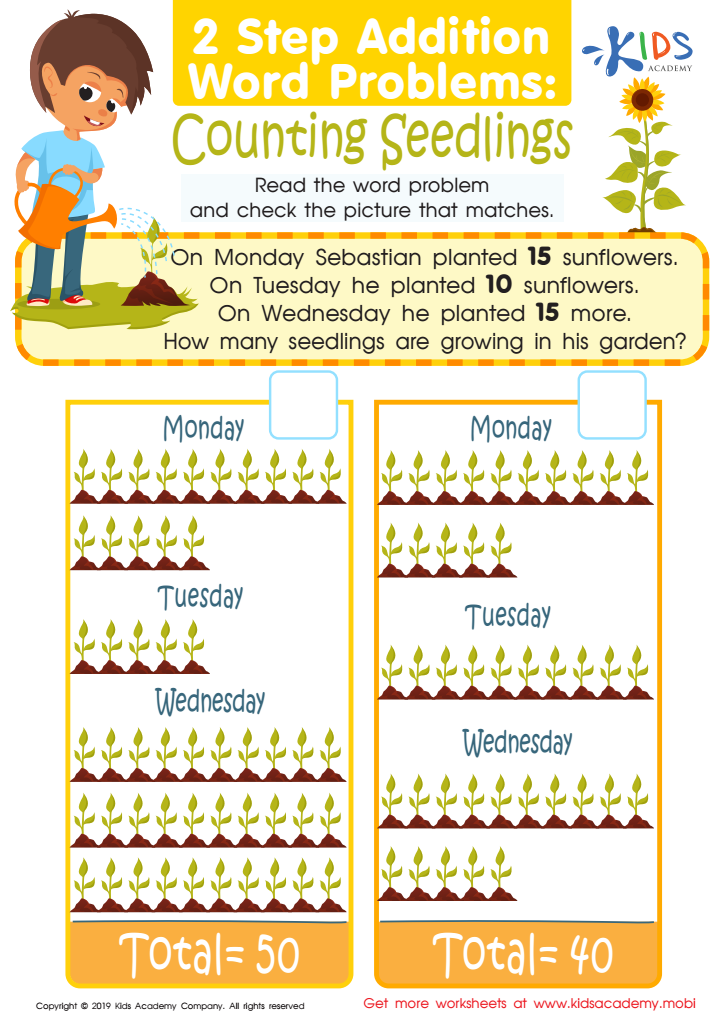
Counting Seedlings Worksheet
 Assign to My Students
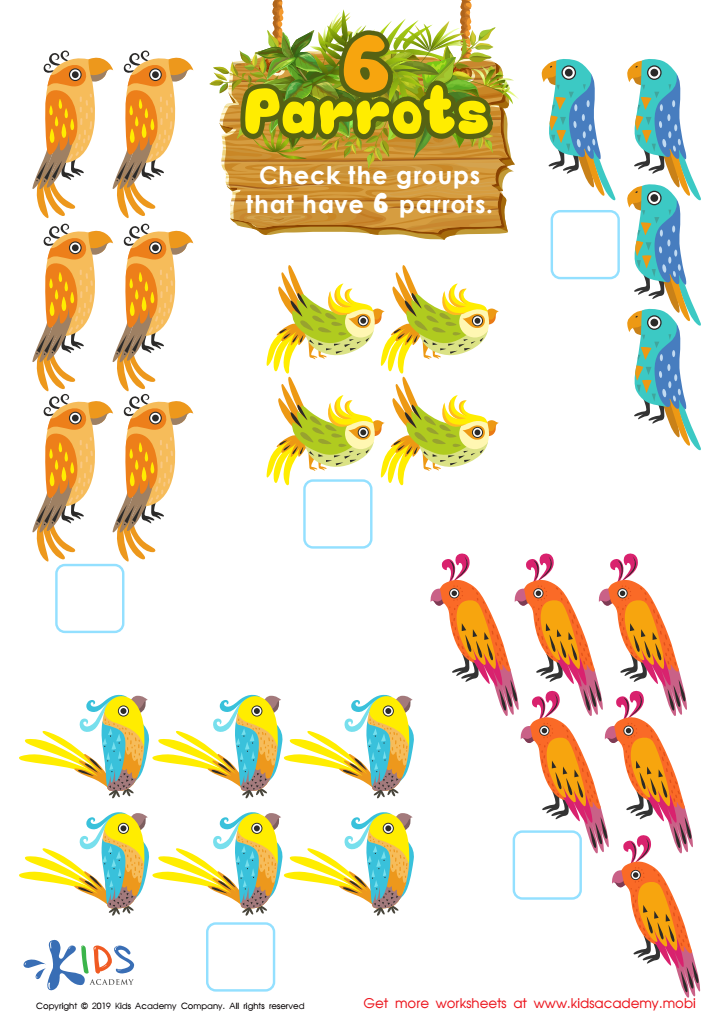
6 Parrots Worksheet
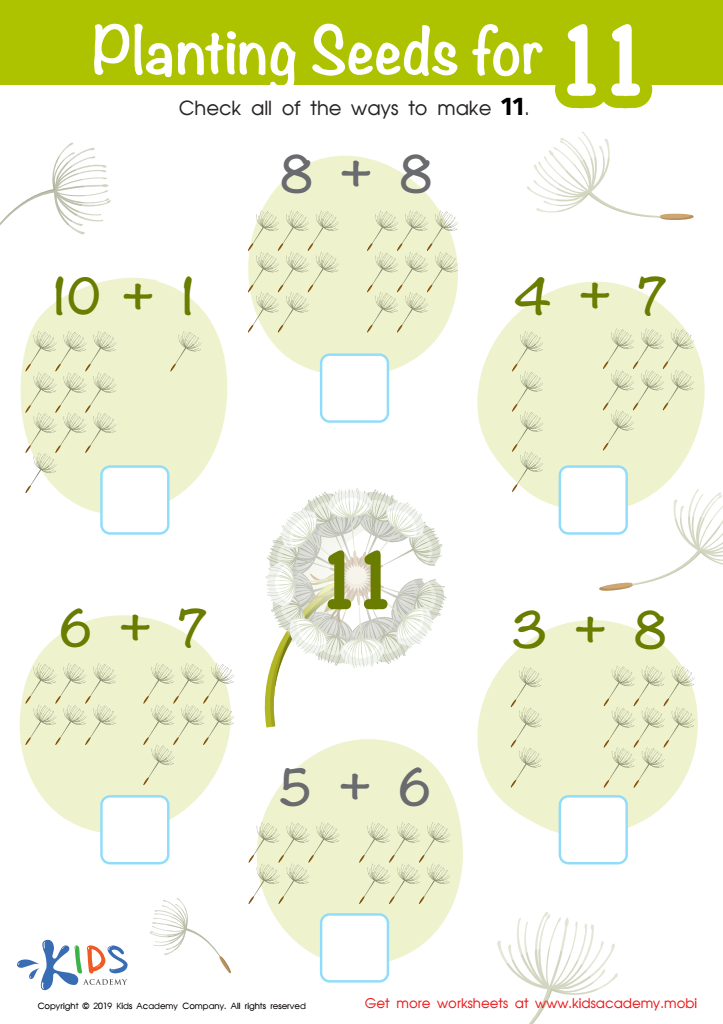
Planting Seeds for 11 Worksheet








Parents and teachers should care deeply about Fine Motor Skills Easy Addition for children aged 6-8 because this stage in their development is crucial for foundational academic and life skills. Fine motor skills involve the small muscle movements of the hands and fingers, which are essential for writing, drawing, and manipulating small objects. Strengthening these skills through tasks like easy addition helps children in multiple ways.
First, practicing easy addition enhances children's numeric cognition and understanding of basic math principles. It introduces them to early arithmetic, which is critical for future math learning. As they add numbers, they simultaneously refine their pencil grip, hand-eye coordination, and overall manual dexterity.
Second, improving fine motor skills prepares children for more complex writing tasks. As they use fine motor movements to count and write numbers, they refine the precise actions needed for legible handwriting. This is important because neat handwriting can impact a child's confidence and success in expressing their thoughts and completing assignments.
Lastly, children who develop strong fine motor skills are often more independent in daily activities, such as buttoning shirts or tying shoelaces. This independence boosts their self-esteem and reduces the frustration associated with tasks requiring fine motor control.
So, parents and teachers sharing simple, engaging math activities foster a holistic growth spurt in both cognitive and motor areas, setting children up for academic success and daily life competence.








