Fine Motor Skills Easy Fractions of Shapes Worksheets for Ages 6-8
4 filtered results
-
From - To
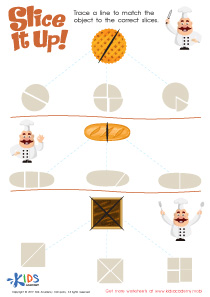
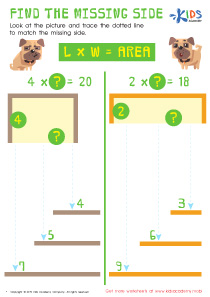
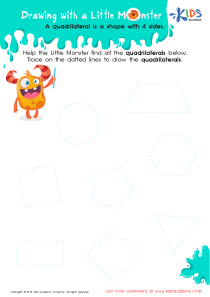
Enhance your child's fine motor skills while introducing them to the basics of fractions with our engaging "Fine Motor Skills Easy Fractions of Shapes Worksheets" for ages 6-8. These meticulously designed worksheets provide a fun, hands-on approach for little learners to recognize and work with fractions. Through cutting, coloring, and tracing activities involving various shapes, children develop essential fine motor skills necessary for writing and everyday tasks. Each worksheet blends learning with play, making mathematics accessible and enjoyable. Perfect for classrooms and at-home learning, these worksheets lay a strong foundation for future math concepts while keeping little hands busy!
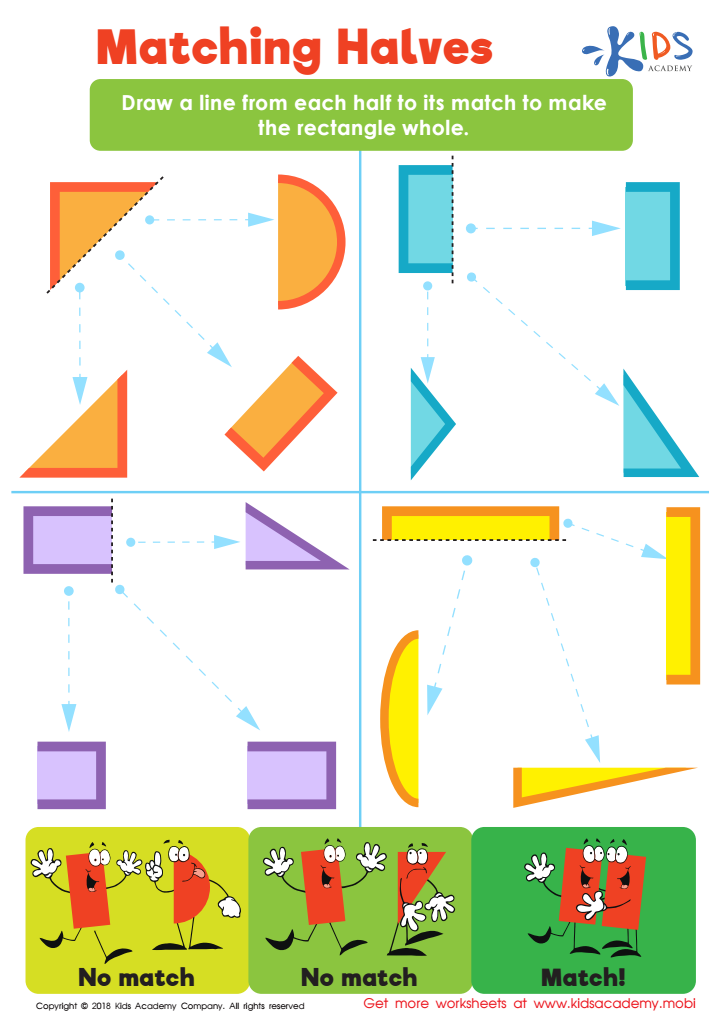
Matching Halves Worksheet
 Assign to My Students
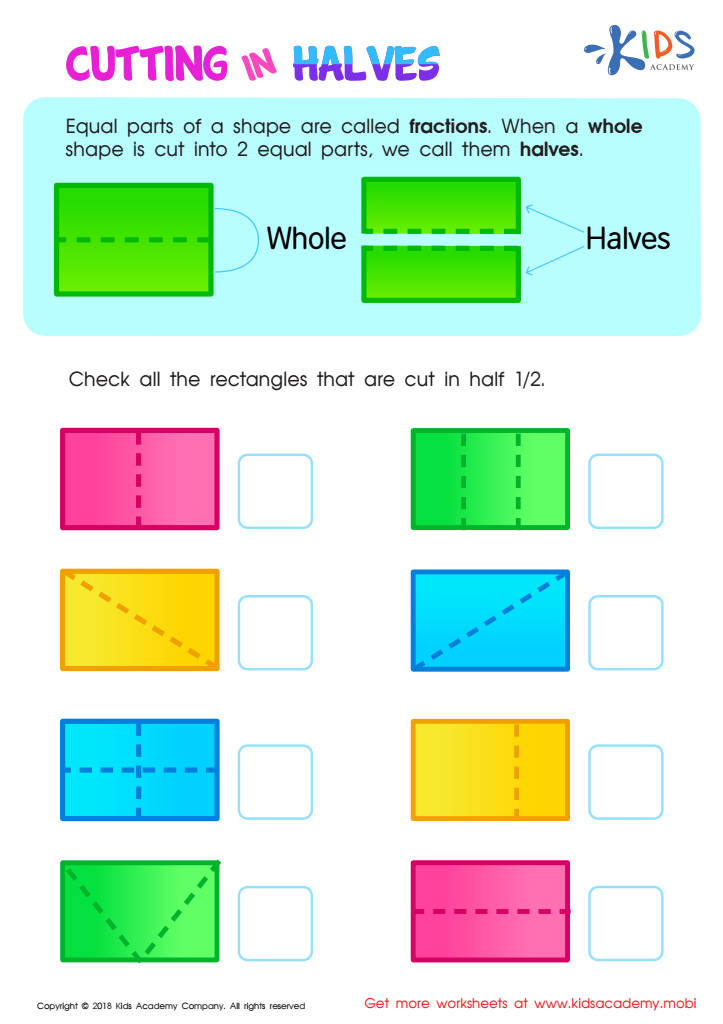
Cutting in Halves Worksheet
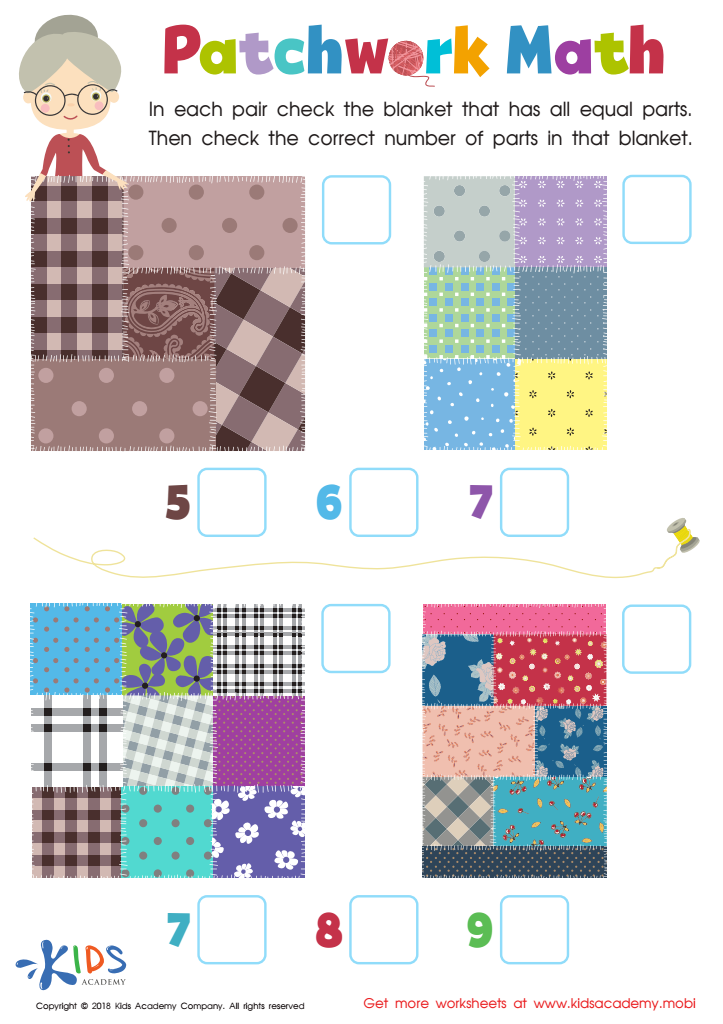
Patchwork Math Worksheet
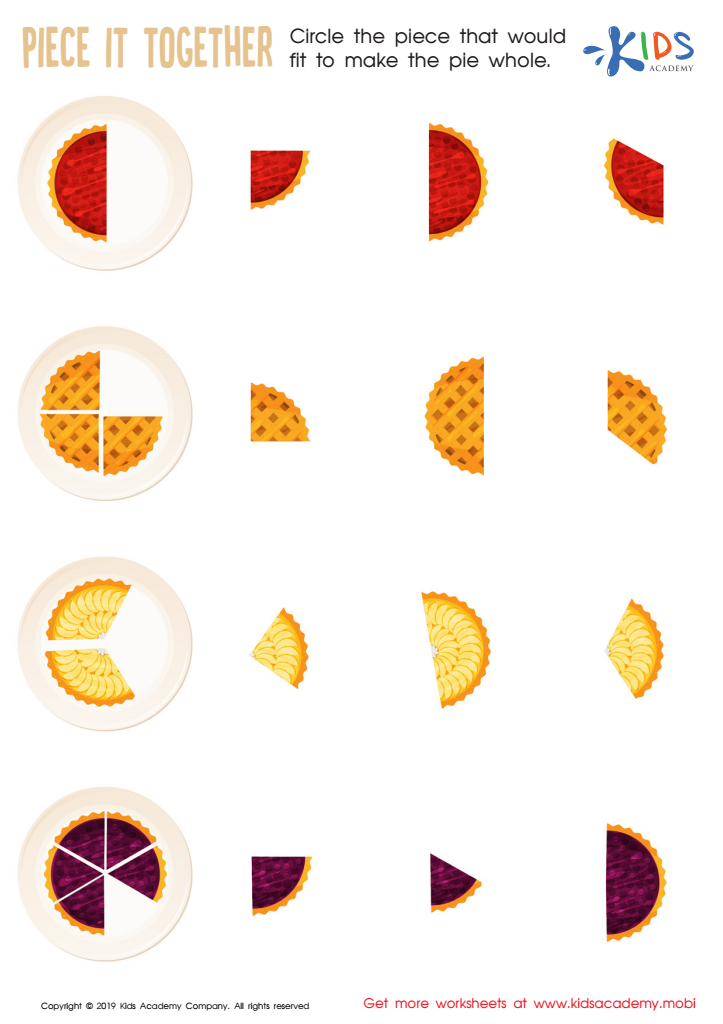
Piece it together Worksheet








Fine motor skills are crucial for children aged 6-8 as they lay the foundation for various academic and daily activities. During this developmental stage, children are refining their ability to control small muscles in their hands and fingers, essential for tasks like writing, drawing, and crafting. Focusing on these skills enhances their coordination, hand-eye coordination, and finger dexterity, which directly impacts their learning capabilities.
Incorporating easy fractions of shapes engages young learners in a hands-on approach, making abstract concepts tangible. It not only teaches them about fractions but combines math learning with fine motor activities—like cutting shapes, arranging pieces, or drawing segments. These activities make learning interactive and enjoyable, drawing children's attention and aiding retention.
Furthermore, fine motor skills are foundational for STEM education. As children grow, these skills are necessary for more complex concepts such as graphing, measuring, and coding. Thus, parents and teachers should prioritize fine motor development alongside academic skills to ensure a holistic learning experience. By fostering these abilities, we better prepare children for future educational challenges while building their confidence and enthusiasm for learning. This dual focus can significantly influence their overall academic success and lifelong skills development.