Number Recognition Easy Numbers Worksheets for Ages 6-8 - Page 4
75 filtered results
-
From - To

Counting on the City Skyline: Dot-to-Dot Worksheet
 Assign to My Students
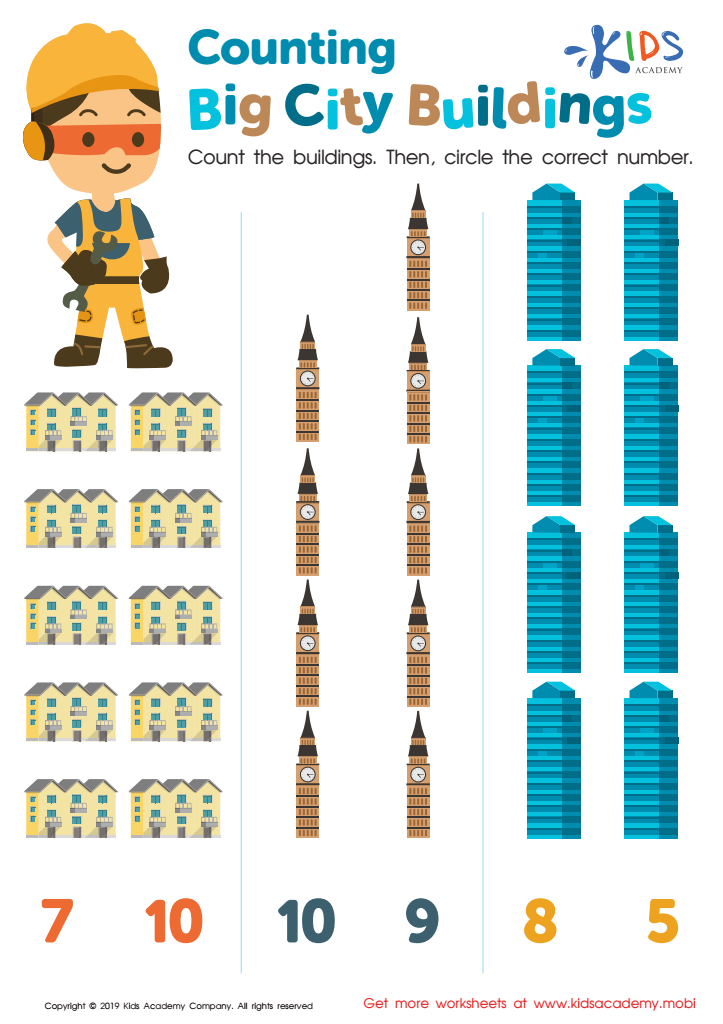
Counting Big City Buildings Worksheet

Night Sky Numbers Worksheet



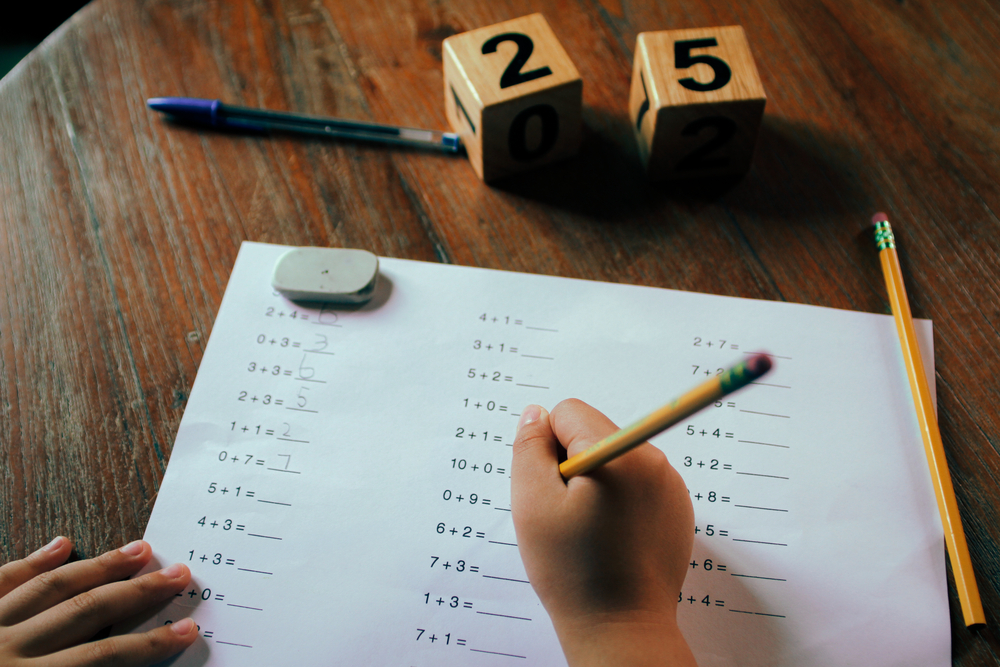




Parents and teachers should care about number recognition for children aged 6-8 because it forms the foundation of mathematical understanding. At this crucial developmental stage, children begin to interact with numbers more critically, paving the way for future learning in arithmetic and problem-solving. Mastering number recognition helps students build confidence in handling more complex mathematical concepts as they progress in their education.
Moreover, number recognition fosters cognitive skills and enhances memory, attention span, and pattern recognition. By helping children recognize and understand numbers, educators and parents are equipping them with essential tools for academic success and everyday life. Number recognition also aids in developing a positive attitude towards math, making children less apprehensive about the subject as they grow older.
Additionally, knowing numbers enables children to make sense of their surroundings, whether it's counting objects, telling time, or recognizing prices while shopping. In an increasingly numerically driven world, neglected number recognition may hinder a child's ability to navigate environments effectively. Therefore, emphasizing this core competence not only supports educational growth but also contributes to their overall development, instilling critical thinking and problem-solving abilities that will serve them well throughout their lives.








