Animal recognition Easy Math Worksheets for Ages 6-8
6 filtered results
-
From - To
Discover our engaging "Animal Recognition Easy Math Worksheets" designed for children ages 6-8! These fun and interactive worksheets combine math skills with animal recognition, making learning enjoyable and effective. Your young learners will enhance their counting, addition, and subtraction abilities while identifying various animals through colorful illustrations. Perfect for at-home practice or classroom activities, our worksheets promote critical thinking, problem-solving, and observation skills. Each activity supports early math development, ensuring a solid foundation for future learning. Encourage a love for animals and math simultaneously! Explore our collection today to give your child a head start in their educational journey.
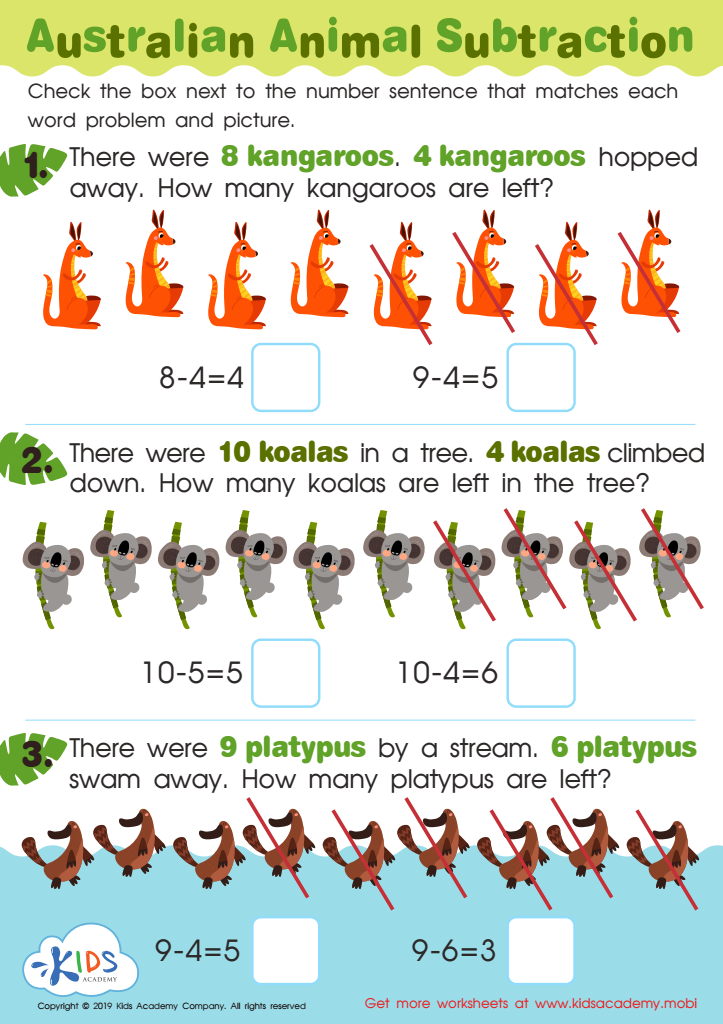
Australian Animal Subtraction Worksheet
 Assign to My Students
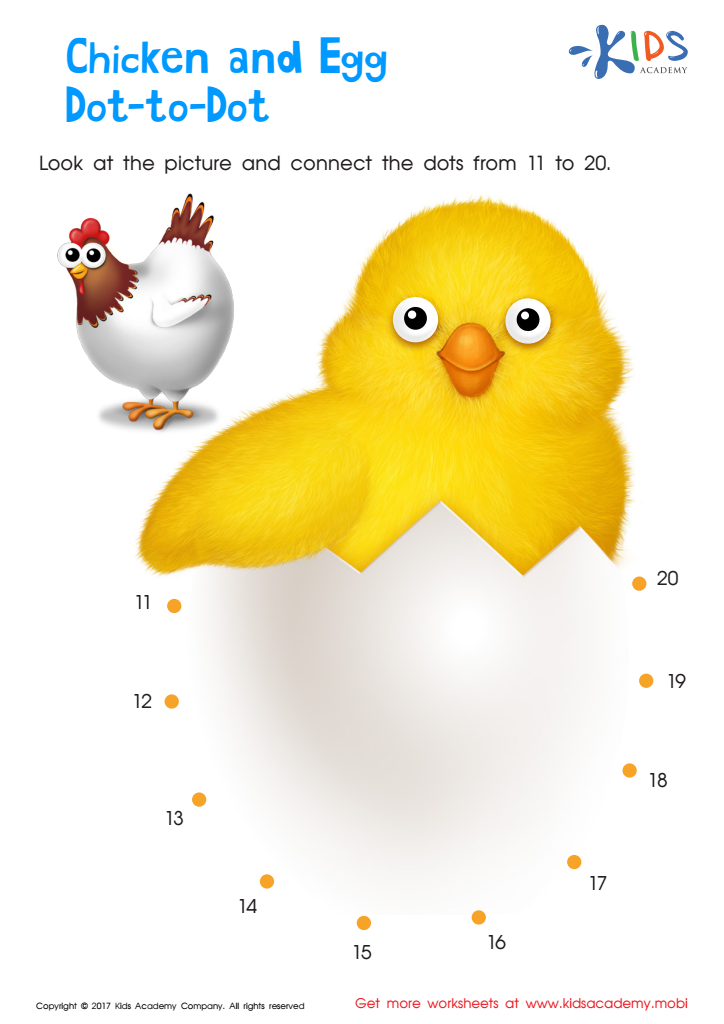
Ordering 11–20: Chicken & Egg Dot–to–dot Worksheet
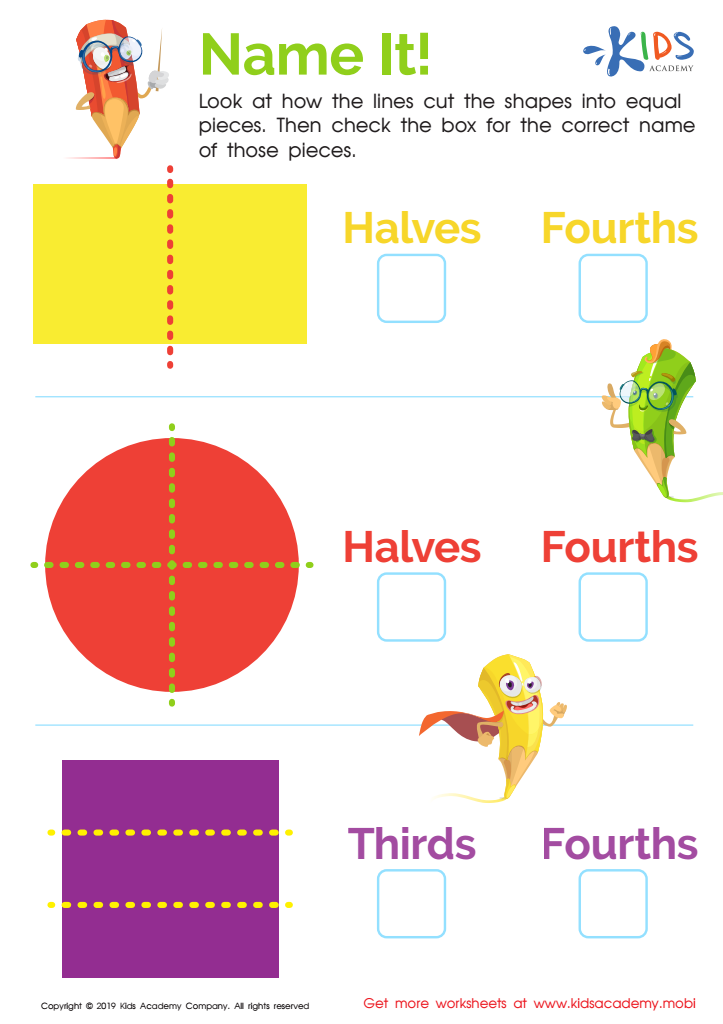
Name It! Worksheet
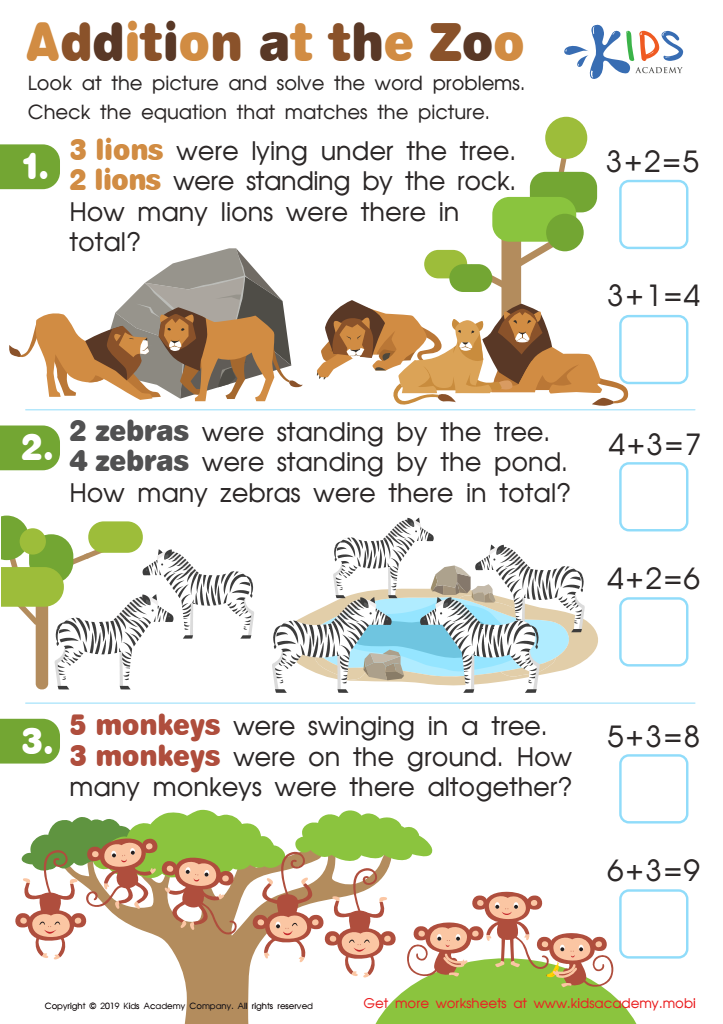
Addition at the Zoo Worksheet
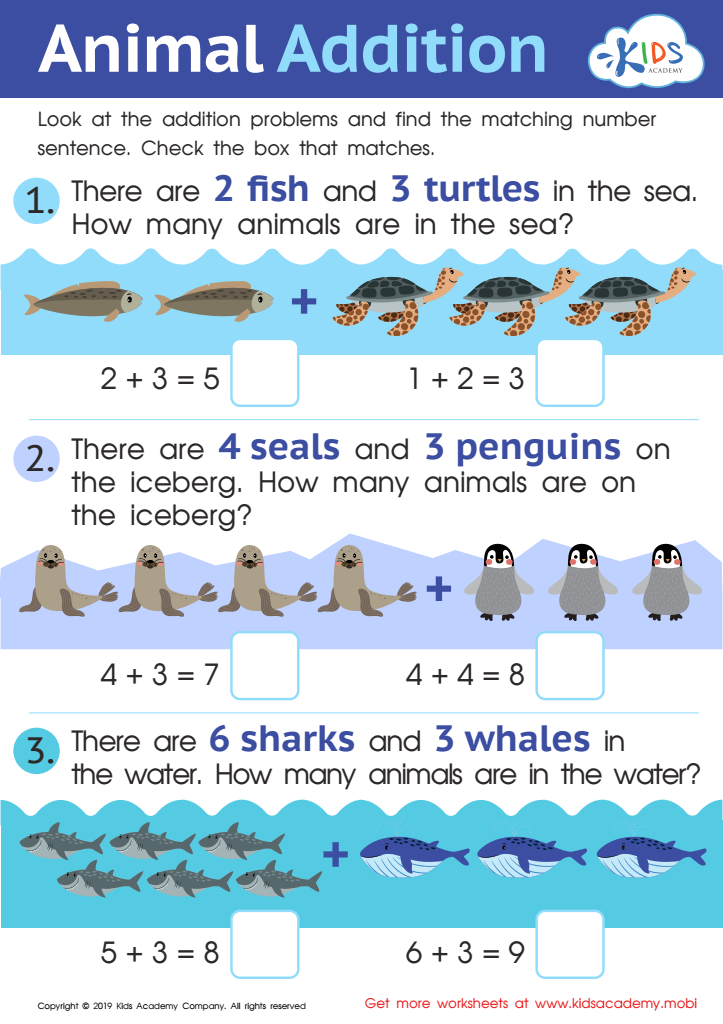
Animal Addition Worksheet
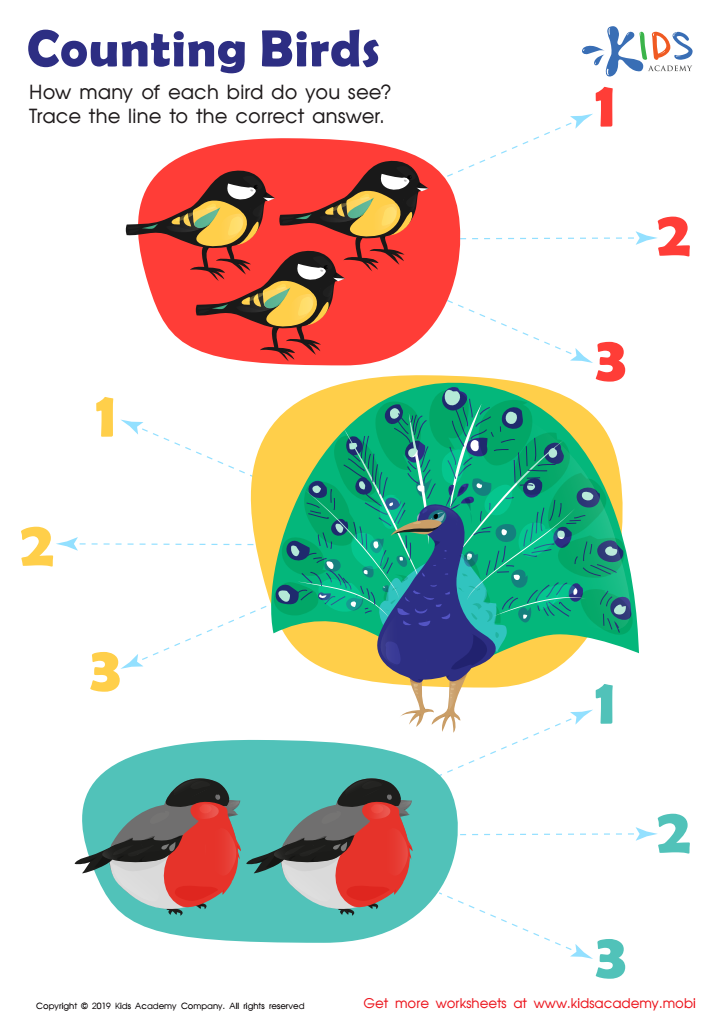
Counting Birds Worksheet



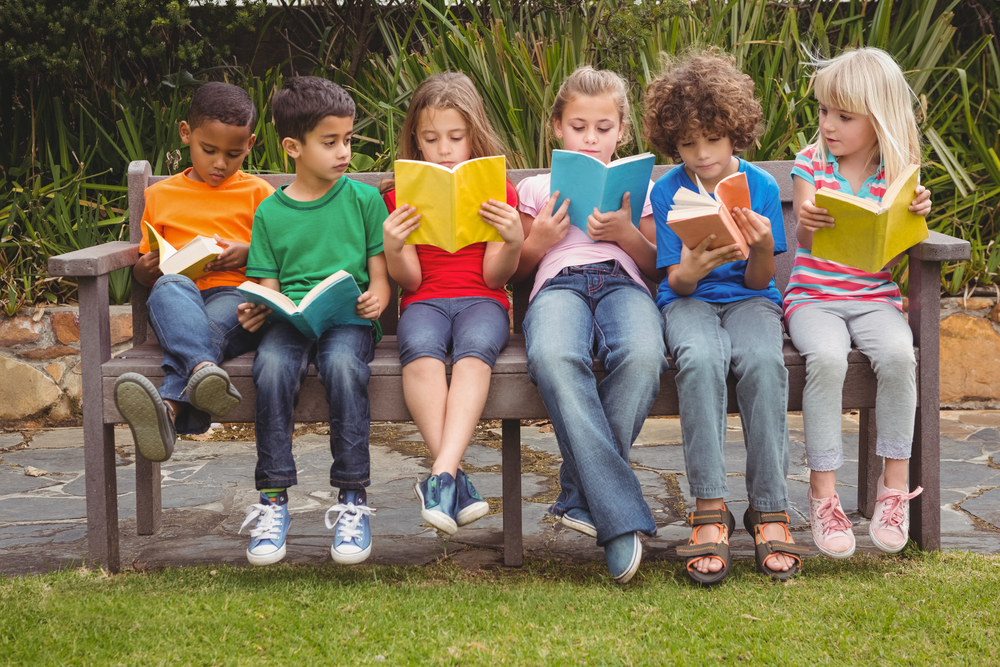



Animal recognition and easy math for ages 6-8 are essential skills that lay the groundwork for children's cognitive and social development. Understanding animals enhances children's observation and identification abilities, fostering a sense of curiosity about the natural world. It encourages them to connect with their environment and develop empathy towards animals, laying the foundation for responsible citizenship and environmental stewardship.
Integrating math into animal recognition not only makes learning engaging and fun but also reinforces mathematical concepts in a contextual manner. For example, children might count the number of legs on different animals or compare their sizes. These activities develop critical thinking skills and spatial awareness as children classify and analyze information.
Furthermore, including animal themes in educational activities promotes cooperative learning, as children often enjoy sharing their knowledge or experiences about pets and wildlife. This helps strengthen communication skills and teamwork.
By participating in animal recognition and easy math activities, parents and teachers can foster a love of learning that transcends the classroom. They can nurture curiosity, creativity, and critical thinking in future generations while delivering essential academic skills. Engaging children in fun and relatable learning experiences ensures they build confidence and enthusiasm towards education early on.








