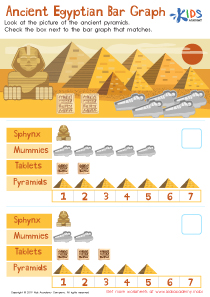
Improve counting skills Easy Math Worksheets for Ages 6-8
6 filtered results
-
From - To
Boost your child’s counting skills with our Easy Math Worksheets for Ages 6-8! Perfectly designed for young learners, these engaging worksheets help kids grasp fundamental math concepts while having fun. Our colorful and well-structured exercises cover basic counting, number recognition, sequencing, and simple arithmetic. As your child progresses through each worksheet, they’ll build confidence, improve their accuracy, and strengthen their math foundation. Tailored to meet the learning needs of 6-8-year-olds, our resources promote a positive learning experience, making math enjoyable and accessible. Start your child’s journey to math success with Kids Academy today!
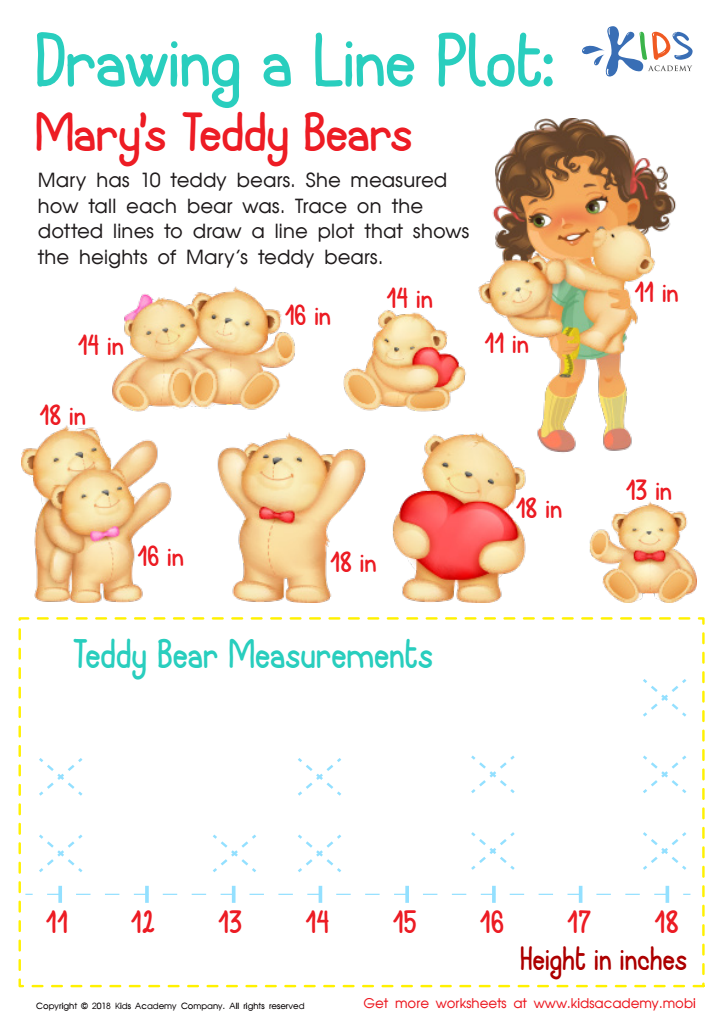
Drawing and Line Plot: Mary's Teddy Bears Worksheet
 Assign to My Students
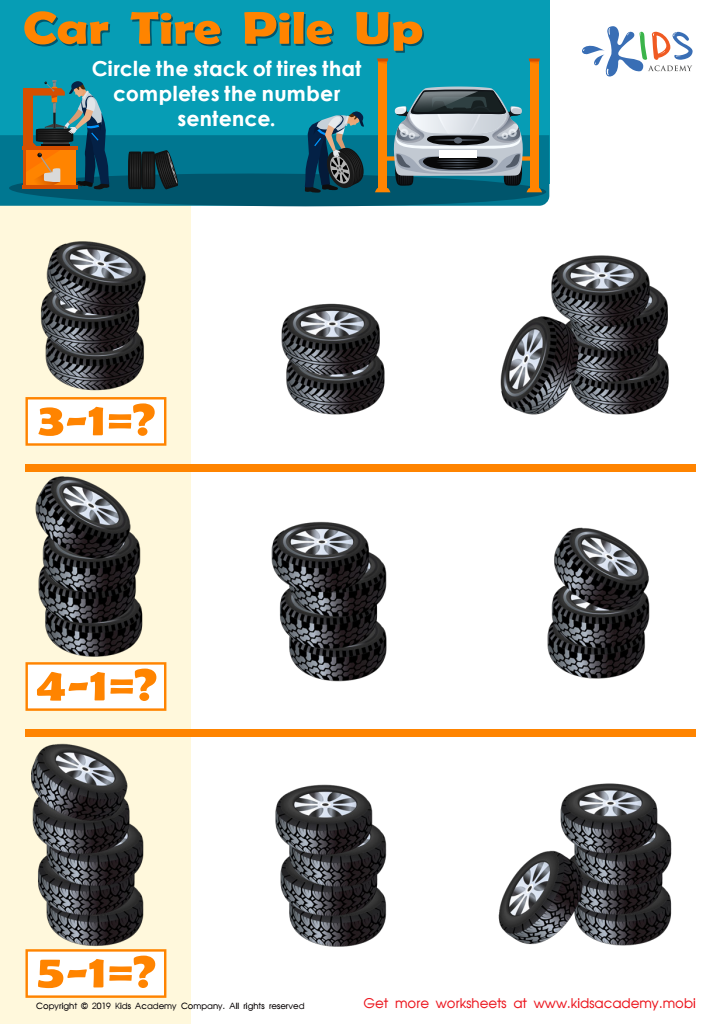
Car Tire Pile Up Worksheet
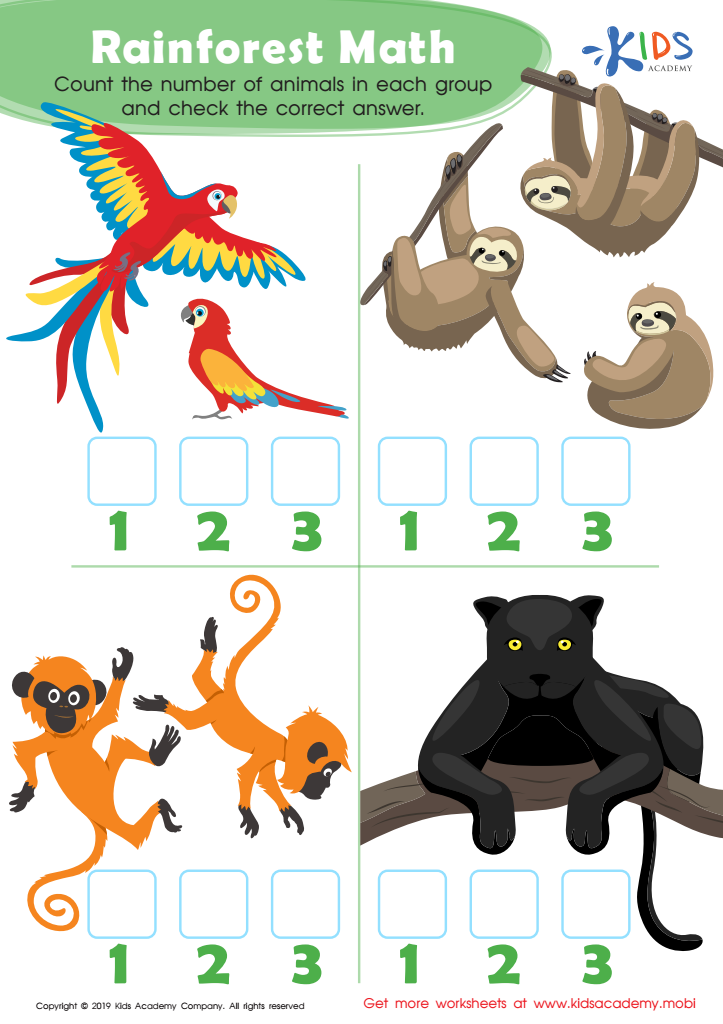
Rainforest Math Worksheet
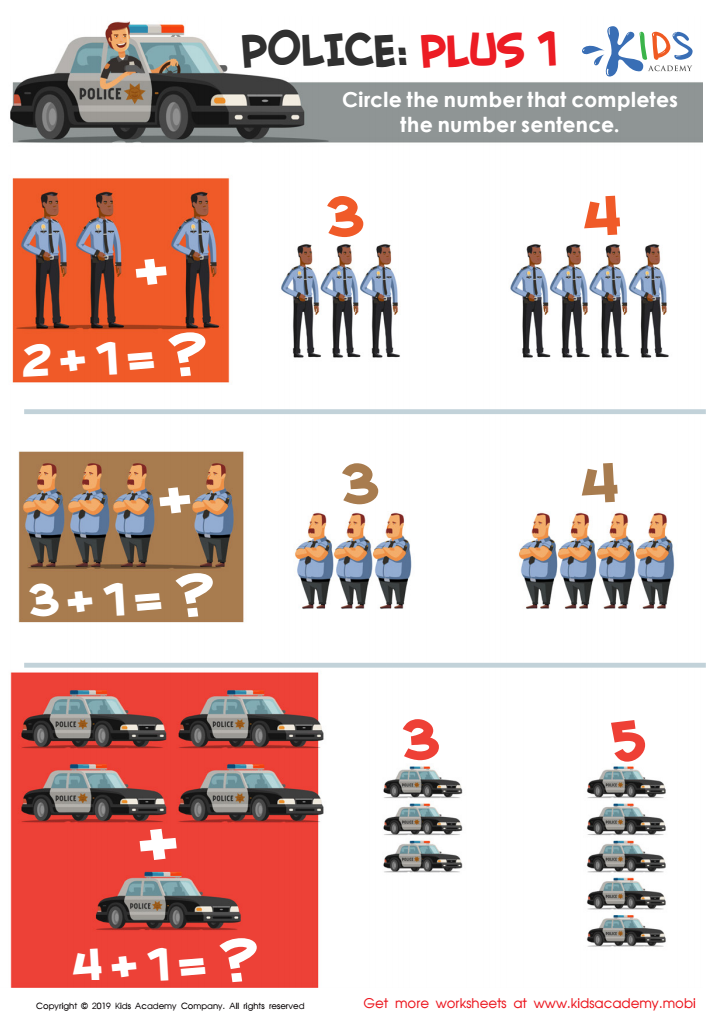
Police: Plus 1 Worksheet
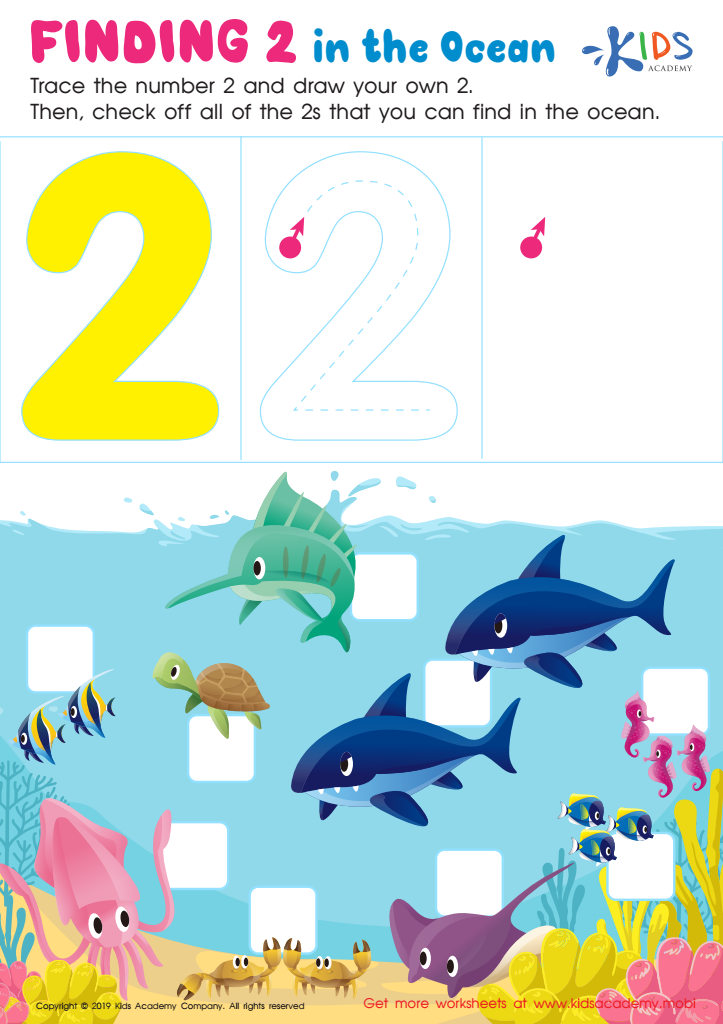
Finding 2: In the Ocean Worksheet
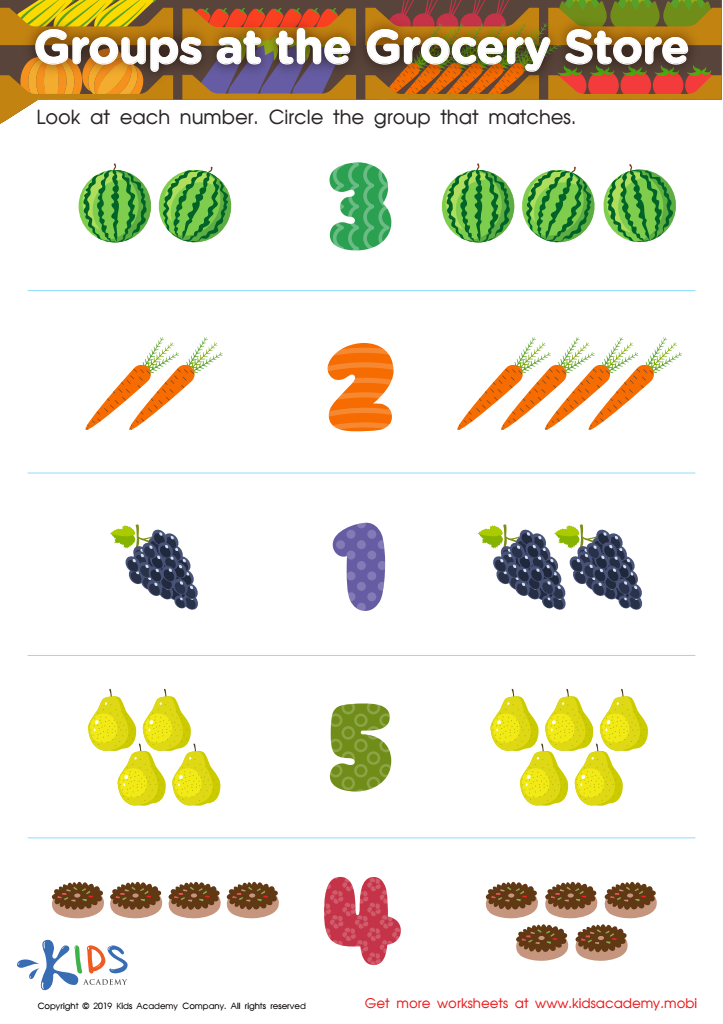
Groups at the Grocery Store Worksheet







Parents and teachers should prioritize improving counting skills in children aged 6-8 because it lays a crucial foundation for their future mathematical understanding and overall cognitive development. At this age, kids are naturally curious and their brains are particularly receptive to learning new concepts. Counting forms the basis for all higher-level math skills such as addition, subtraction, multiplication, and division. By strengthening these foundational skills early on, parents and teachers set children up for success in more complex mathematical tasks they will encounter later.
Moreover, counting is more than just a math skill; it helps children develop critical thinking, problem-solving abilities, and logical reasoning. These skills are transferable and beneficial for other academic areas and real-world scenarios. For instance, understanding sequences, recognizing patterns, and making predictions become easier with a strong grounding in basic counting.
Counting exercises also improve memory and attention span in young learners, enhancing their ability to follow instructions and complete tasks independently. In a classroom setting, proficiency in counting allows students to engage more fully with interactive and hands-on activities, further reinforcing their learning and enjoyment of math.
In summary, prioritizing the development of counting skills in children aged 6-8 provides them with essential tools for both academic achievement and everyday life, ultimately fostering a lifelong appreciation and competency in mathematics.