Understanding Quantities Easy Math Worksheets for Ages 6-8
6 filtered results
-
From - To
Welcome to our "Understanding Quantities Easy Math Worksheets" page, designed specifically for children ages 6-8. These specially crafted worksheets aim to ignite a passion for math while reinforcing fundamental concepts of quantities. From counting to comparing numbers, each activity encourages hands-on learning through engaging exercises tailored to young learners. Perfect for home or classroom use, our printable resources help build a strong mathematical foundation, enhancing children's understanding and confidence. Whether students are matching quantities, solving simple equations, or recognizing more or less, our worksheets provide the perfect balance of fun and education. Dive into the world of quantities and watch your child thrive in math!
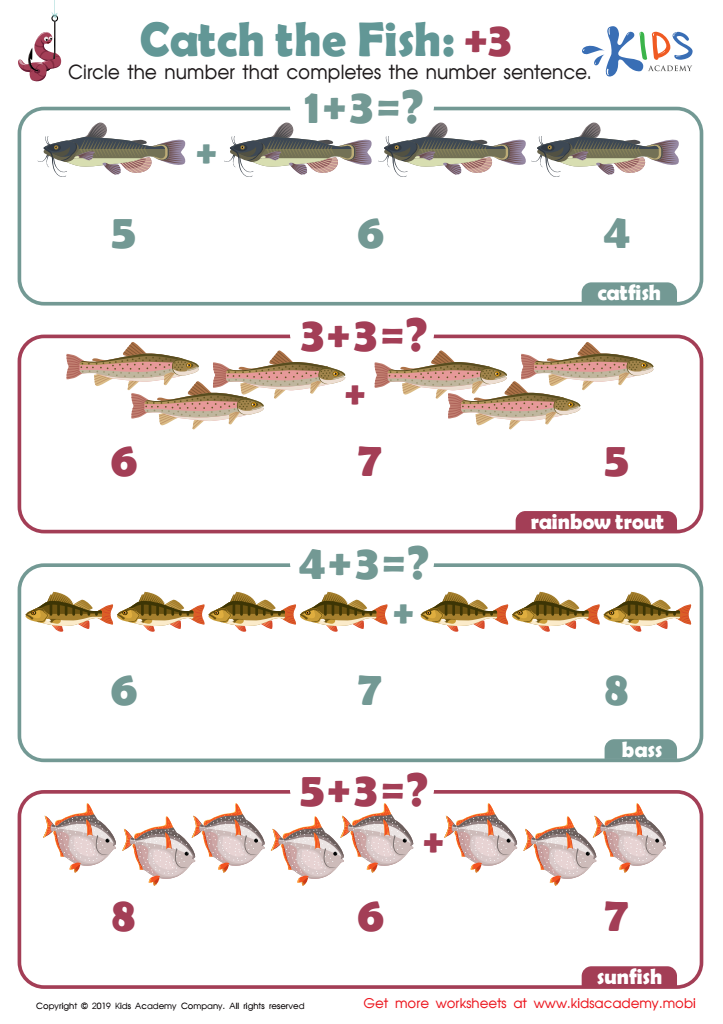
Catch the Fish: +3 Worksheet
 Assign to My Students
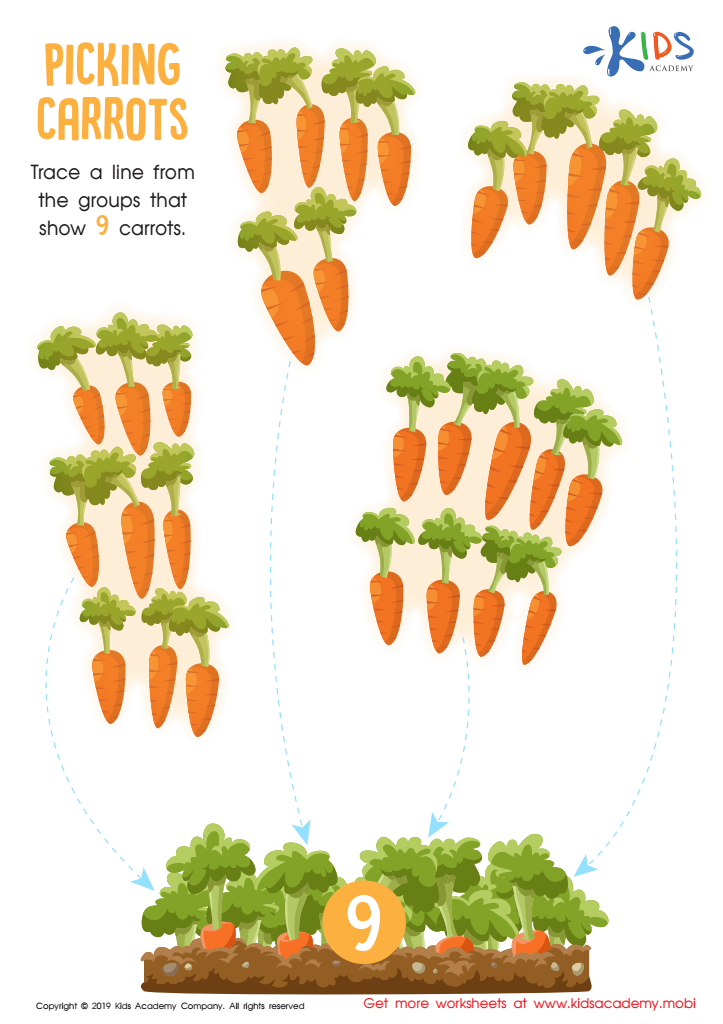
Picking Carrots Worksheet
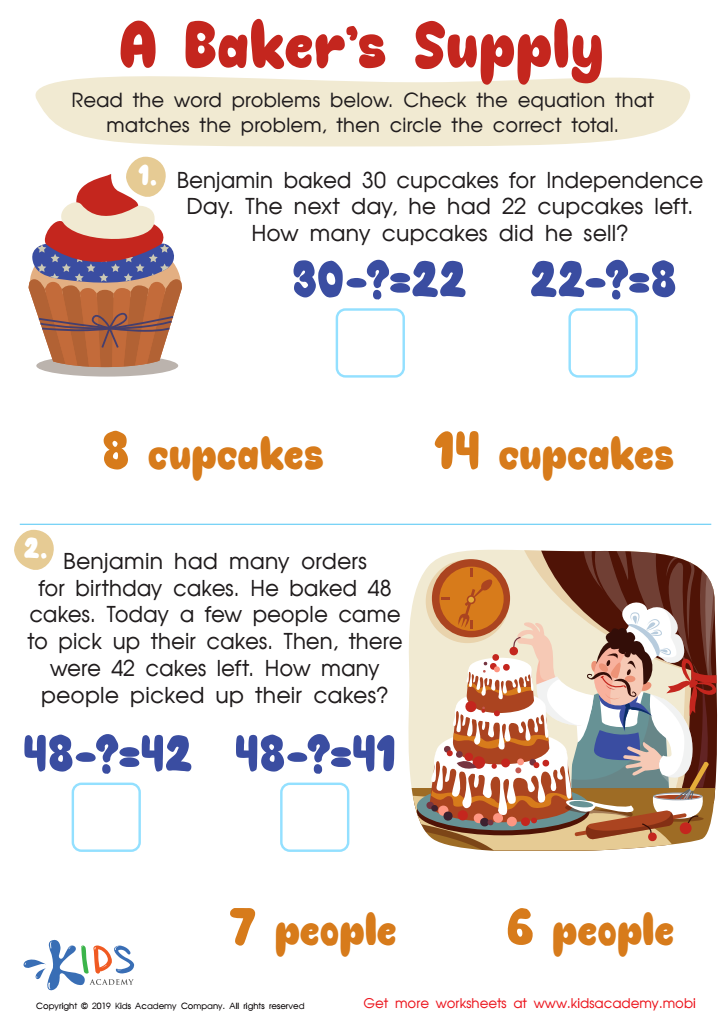
A Baker's Supply Worksheet
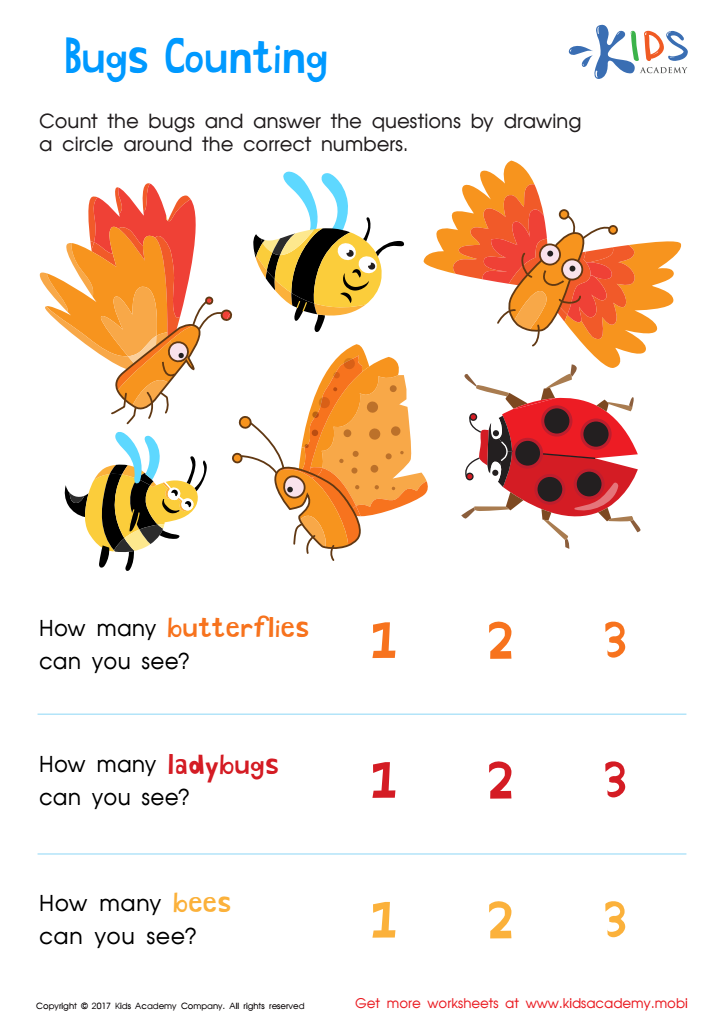
Bugs Counting Worksheet
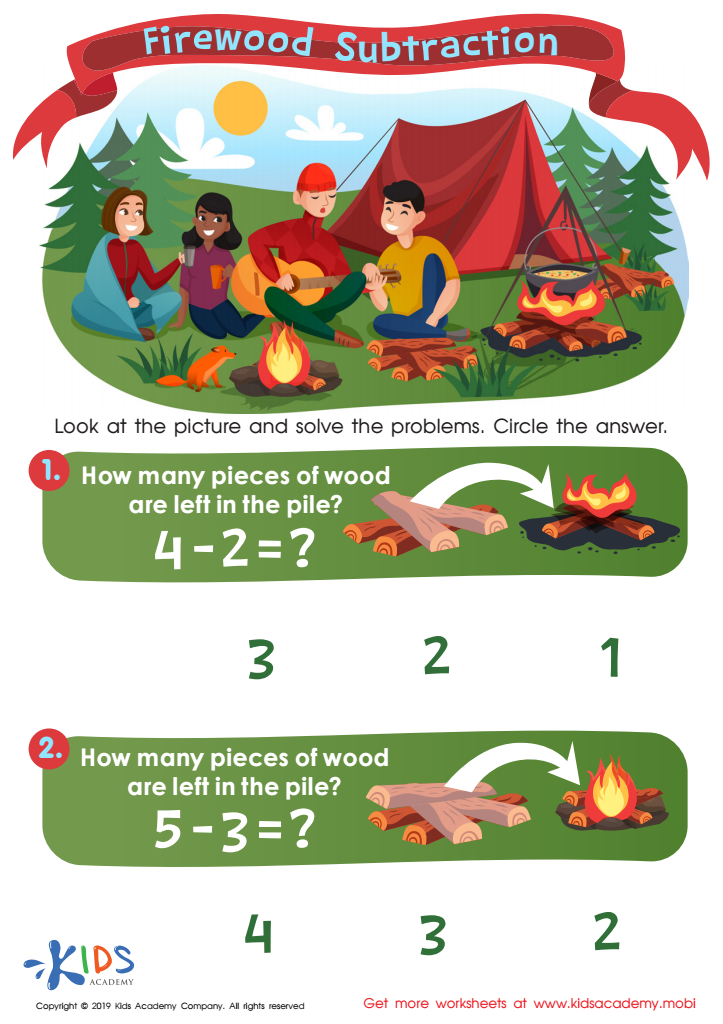
Firewood Subtraction Worksheet
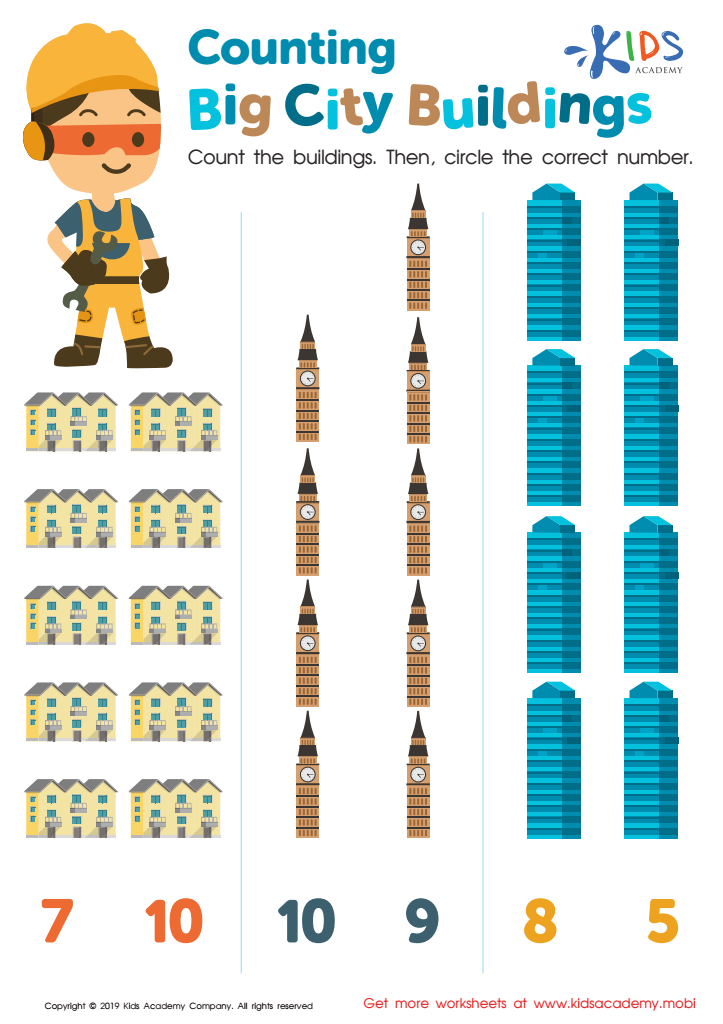
Counting Big City Buildings Worksheet








Understanding quantities is fundamental to developing strong mathematical skills for children aged 6-8. At this age, students are transitioning from concrete experiences to more abstract concepts. Mastering quantity helps children grasp the foundational skills necessary for more advanced mathematics, fostering confident, fluent problem solvers.
As children learn to compare, add, and subtract different quantities, they enhance critical thinking and reasoning skills. It lays the groundwork for understanding numbers as representatives of amounts in their daily lives, which aids in both academic success and life skills. These early interactions with quantities encourage mathematical thinking and help students relate math to real-world situations, making learning more meaningful.
For parents and teachers, prioritizing understanding quantities fits seamlessly into their roles as facilitators of growth. Activities designed to engage children, such as using manipulatives or real-life scenarios, not only make math enjoyable but also help reinforce these concepts. Encouraging a positive attitude towards math during these formative years can cultivate a lifelong interest in the subject and mitigate math anxiety. In summary, fostering an understanding of quantities equips children with essential skills that directly impact their academic performance and confidence in math.








