Visual discrimination Easy Math Worksheets for Ages 6-8
3 filtered results
-
From - To
Boost your child's visual discrimination skills with our Easy Math Worksheets designed for ages 6-8. These engaging worksheets from Kids Academy help young learners identify and differentiate numbers, shapes, patterns, and sizes. By developing visual discrimination, children enhance their attention to detail and prepare for more advanced math concepts. Our fun and colorful activities create an enjoyable learning experience that reinforces critical observation skills. Perfect for classroom or home use, these worksheets provide a solid foundation in early math education. Download now to support your child's growth and confidence in math.
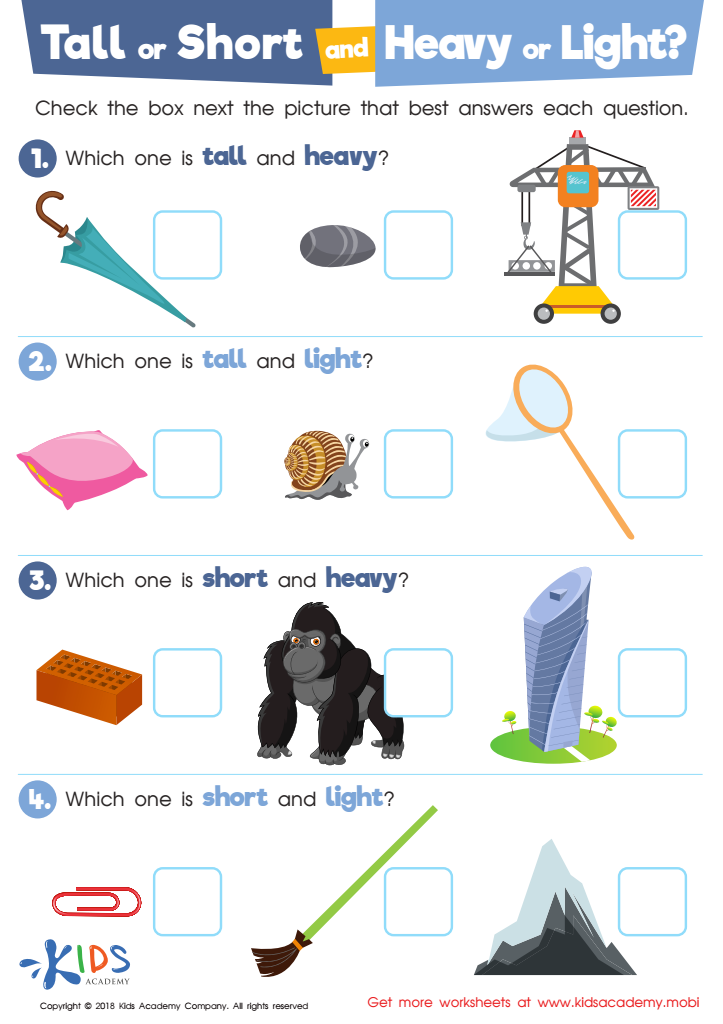
Tall or Short and Heavy or Light? Worksheet
 Assign to My Students
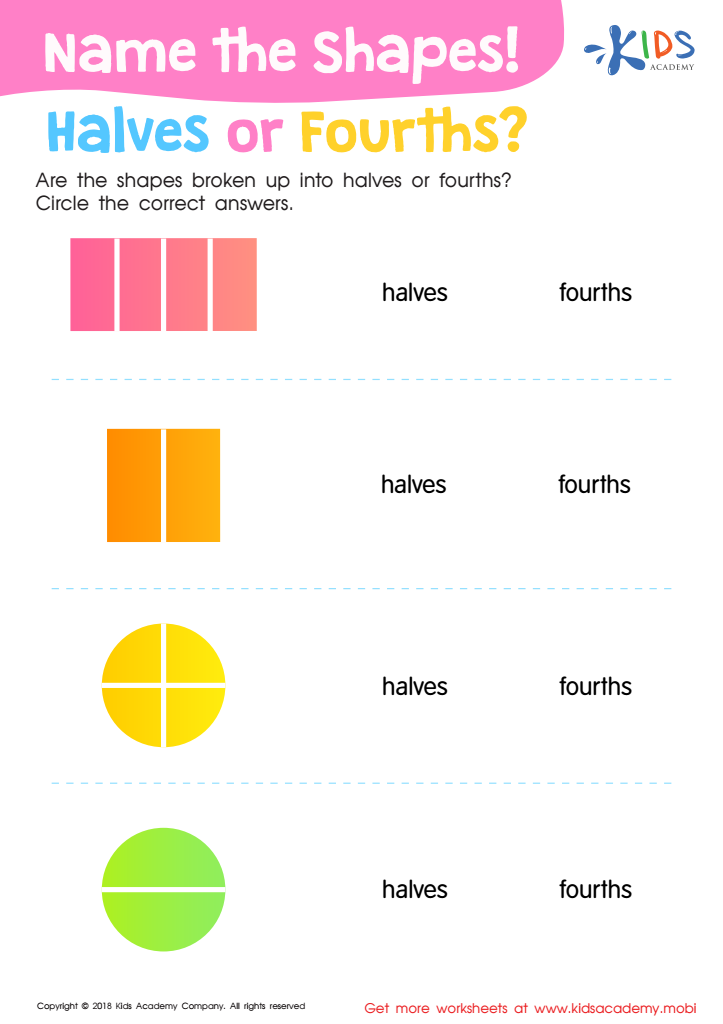
Name the Shapes Halves or Fourths? Worksheet
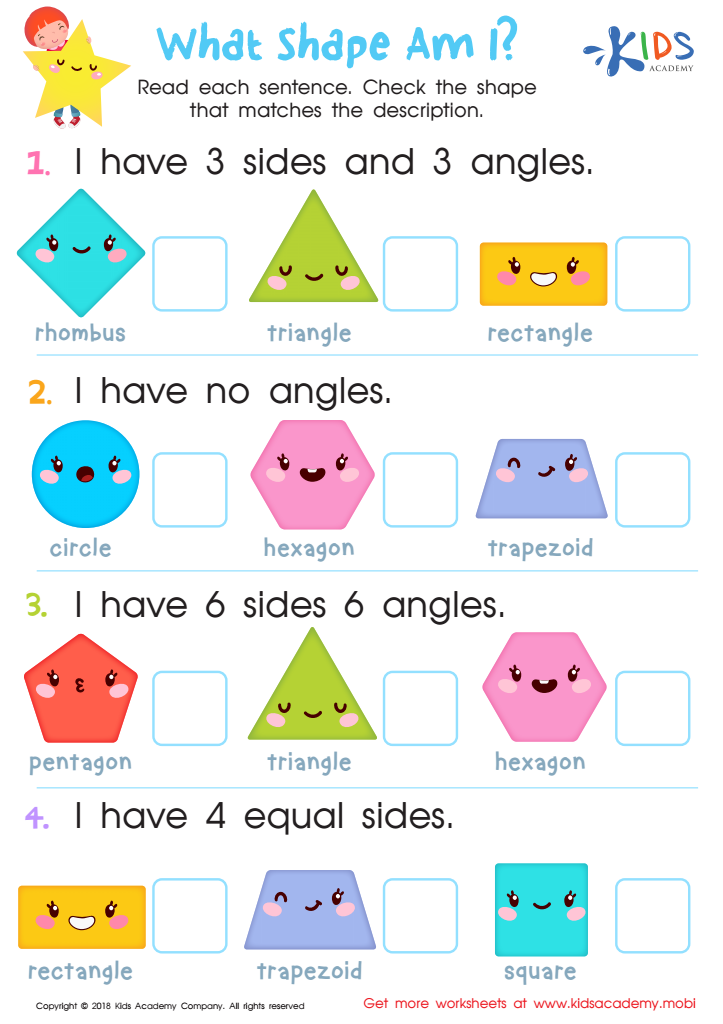
What Shape Am I? Worksheet





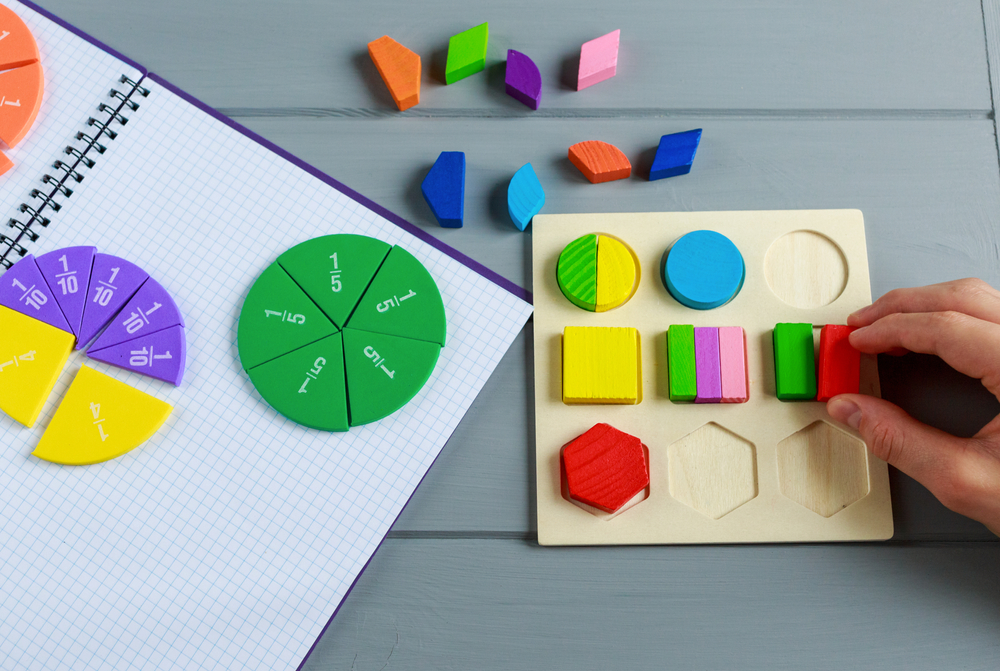


Visual discrimination is a critical skill for young children, especially within the crucial age range of 6 to 8, as it directly impacts their ability to interpret, recognize, and distinguish between various visual stimuli. For parents and teachers, fostering visual discrimination through easy math activities is significant because it lays the foundational groundwork for numerous educational and daily living skills.
Firstly, visual discrimination helps children recognize and understand different shapes, numbers, patterns, and symbols—a fundamental aspect of learning math. By engaging with visually distinct math problems, young learners develop sharper observation skills and enhance their ability to notice differences and similarities between mathematical elements, vital for accurate and efficient problem-solving.
Moreover, as children improve their visual discrimination, they also build essential reading skills. They learn to distinguish between different letters and words, which paves the way for better reading fluency and comprehension. This skill versatility highlights its broad influence beyond math, impacting overall academic achievement.
In implementing easy math activities that focus on visual discrimination, parents and teachers can offer an engaging and developmental appropriate approach. Doing so not only boosts children's confidence and motivation but also ensures that their cognitive development keeps pace with educational demands. Ultimately, nurturing visual discrimination in young learners supports their holistic growth, fostering a stronger academic foundation and a love for learning.








