Reading comprehension Easy Building Vocabulary Worksheets for Ages 6-8
12 filtered results
-
From - To
Boost your child's reading comprehension skills with our Easy Building Vocabulary Worksheets, specially designed for ages 6-8. These engaging, printable worksheets foster vocabulary development while improving understanding of texts. With colorful illustrations and carefully crafted exercises, children will expand their word knowledge in a fun and interactive way. Each worksheet focuses on essential skills, helping young learners practice synonyms, antonyms, and context clues. Perfect for both classroom and home use, these worksheets support emergent readers in laying a strong foundation for future literacy success. Explore our collection today to make reading a joyous and educational experience for your child!
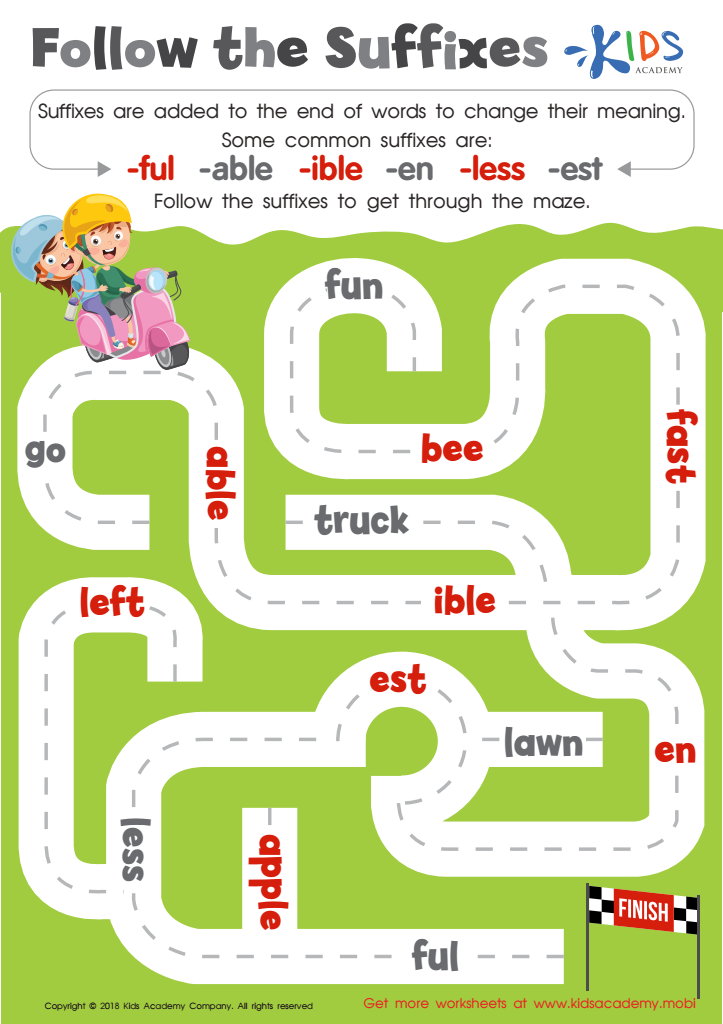
Reading: Follow the Suffixes Worksheet











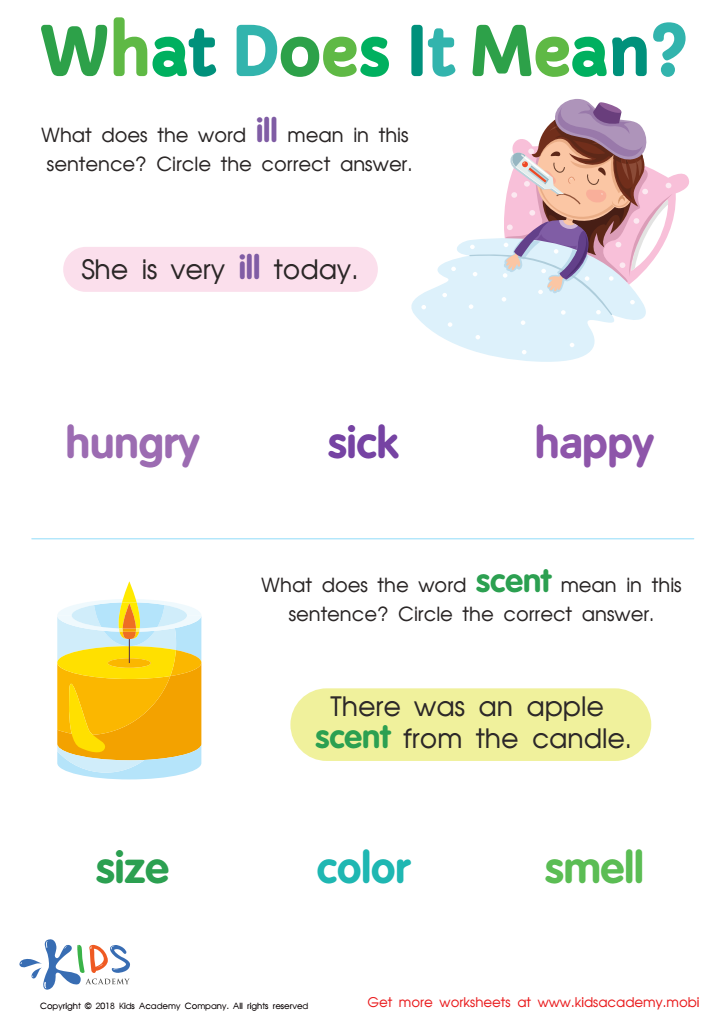
What Does It Mean? Worksheet
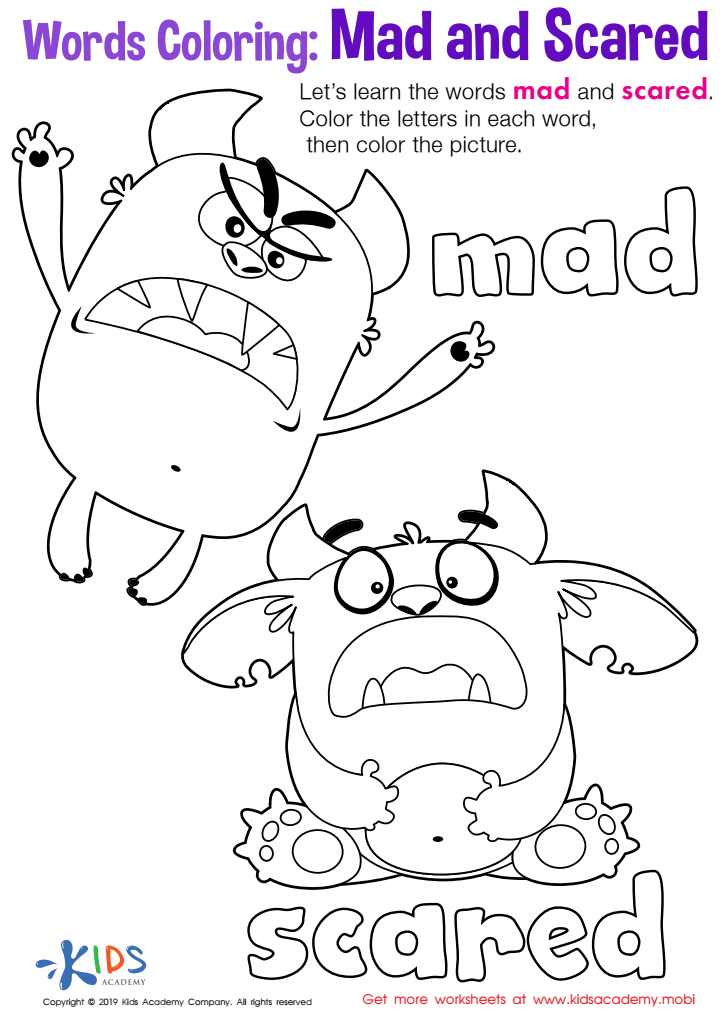
Mad and Scared Words Coloring Worksheet
 Assign to My Students
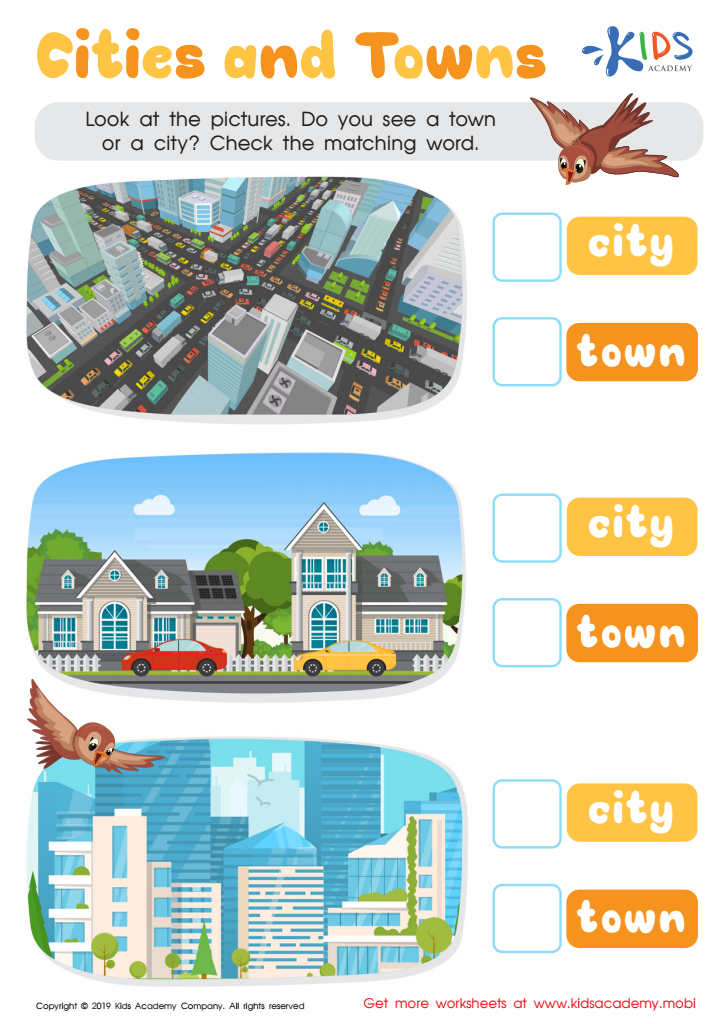
Cities and Towns Worksheet
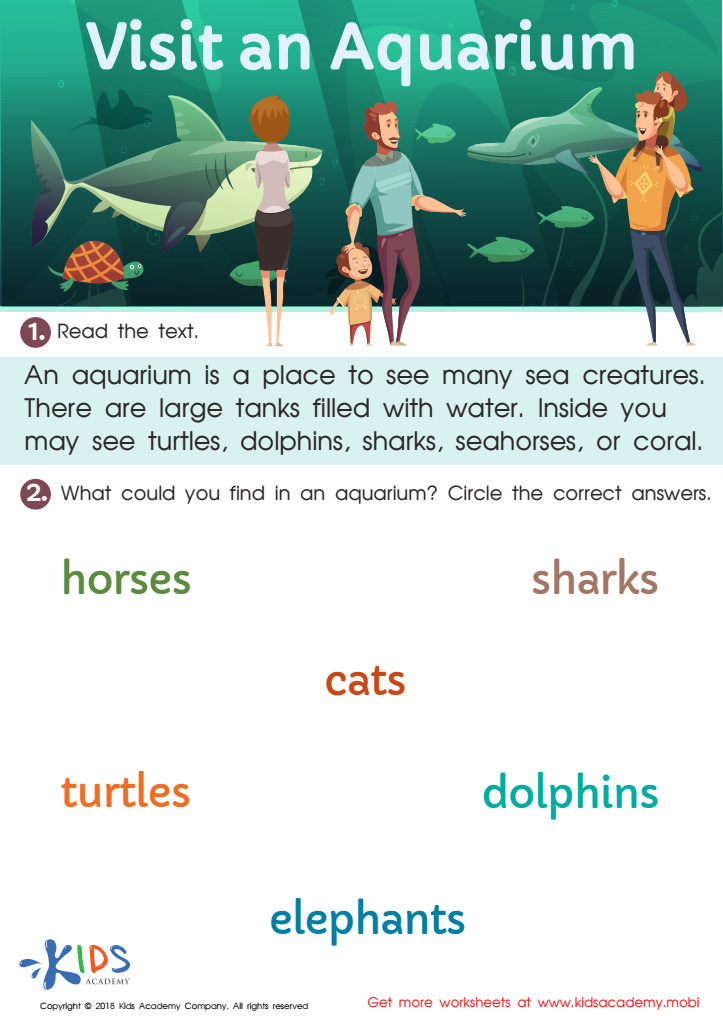
Visit an Aquarium Worksheet
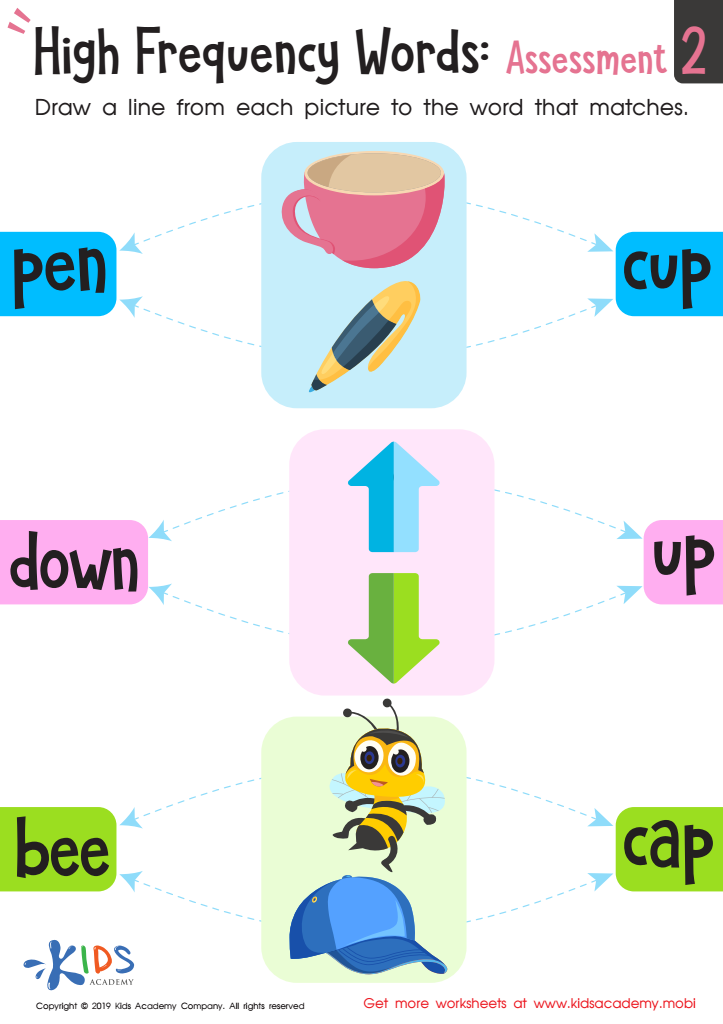
High Frequency Words: Assessment 2 Worksheet
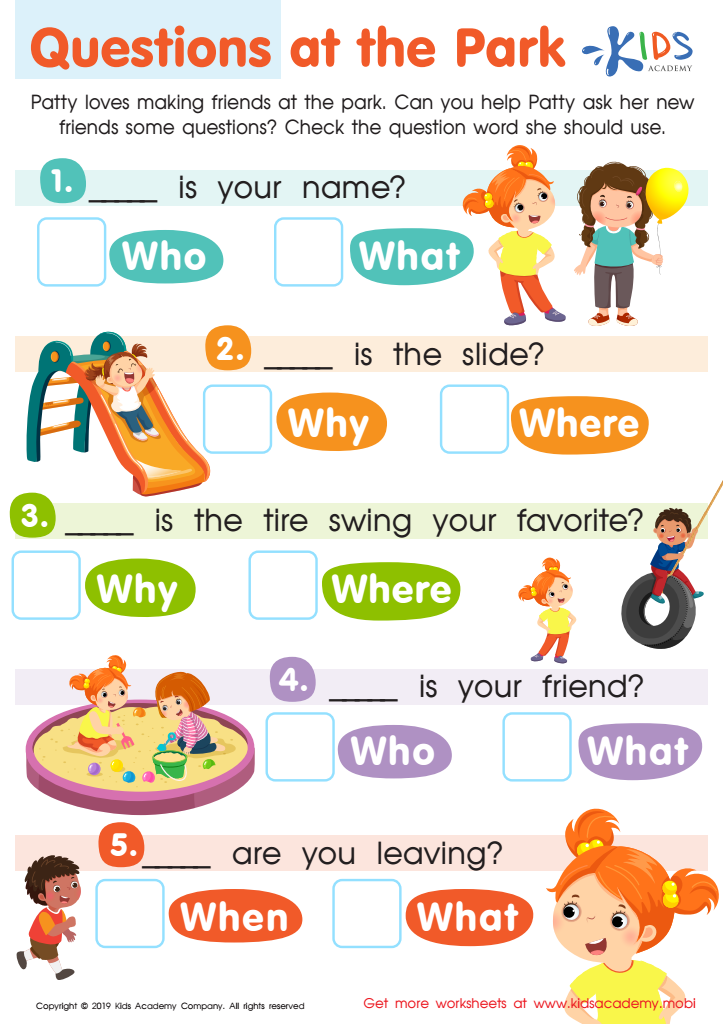
Questions at the Park Worksheet
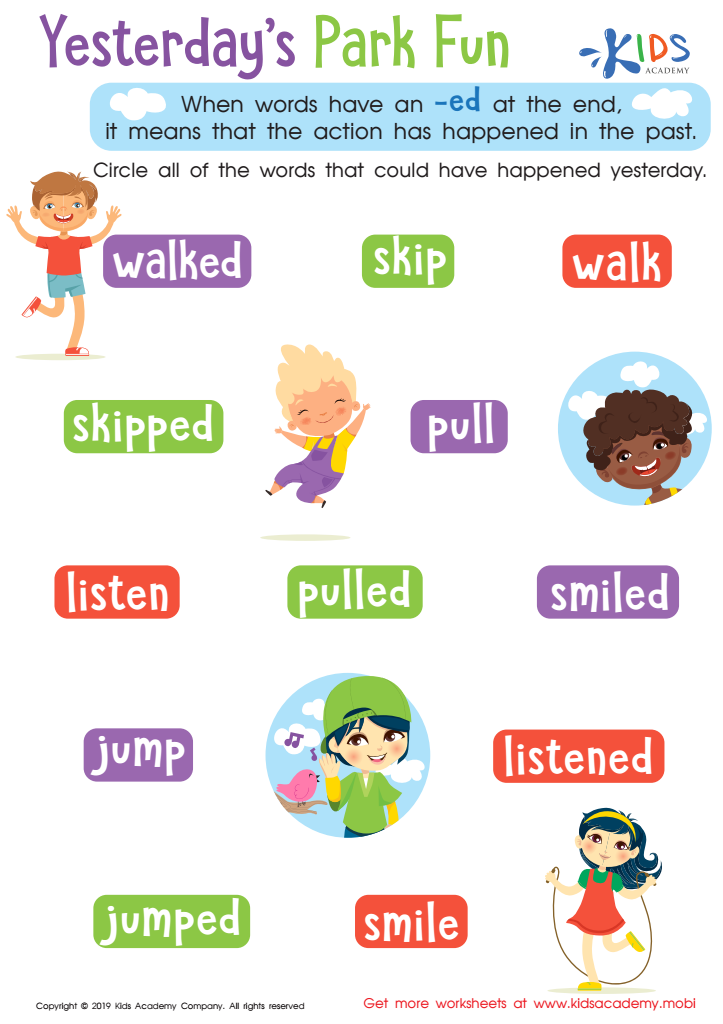
Yesterday's Park Fun Worksheet
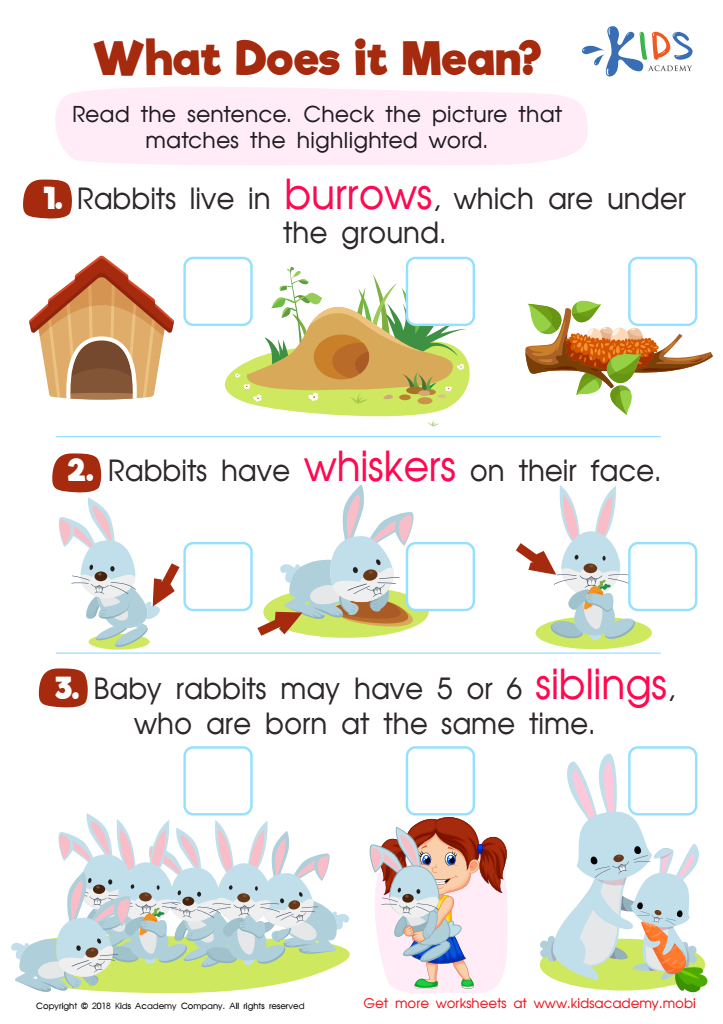
What Does It Mean? Worksheet
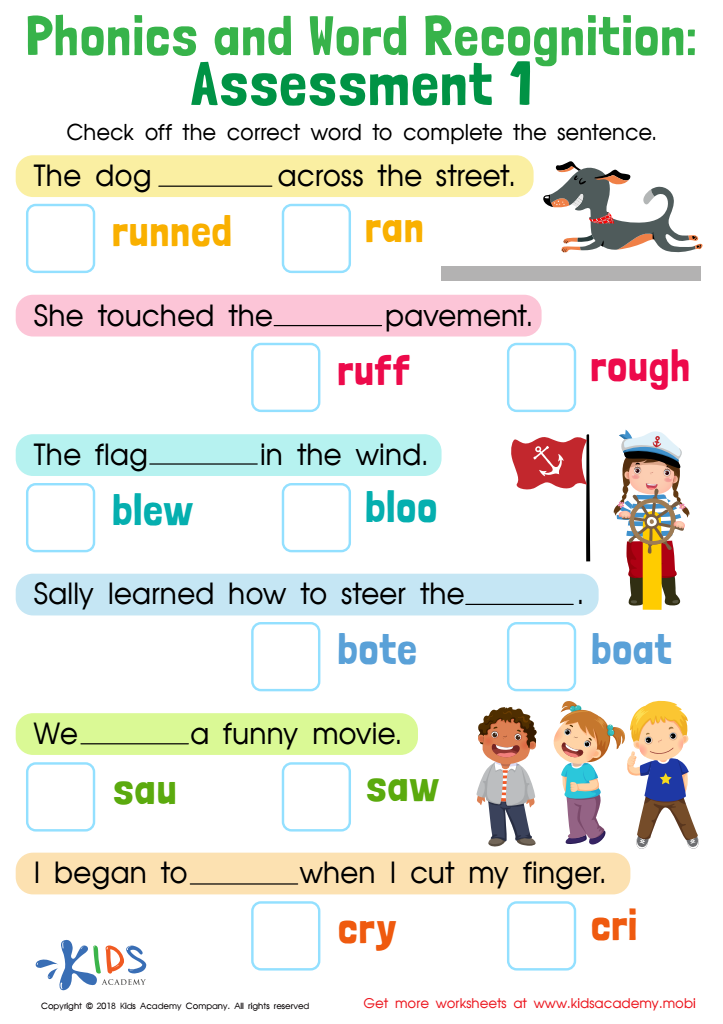
Phonics and Word Recognition: Assessment 1 Worksheet
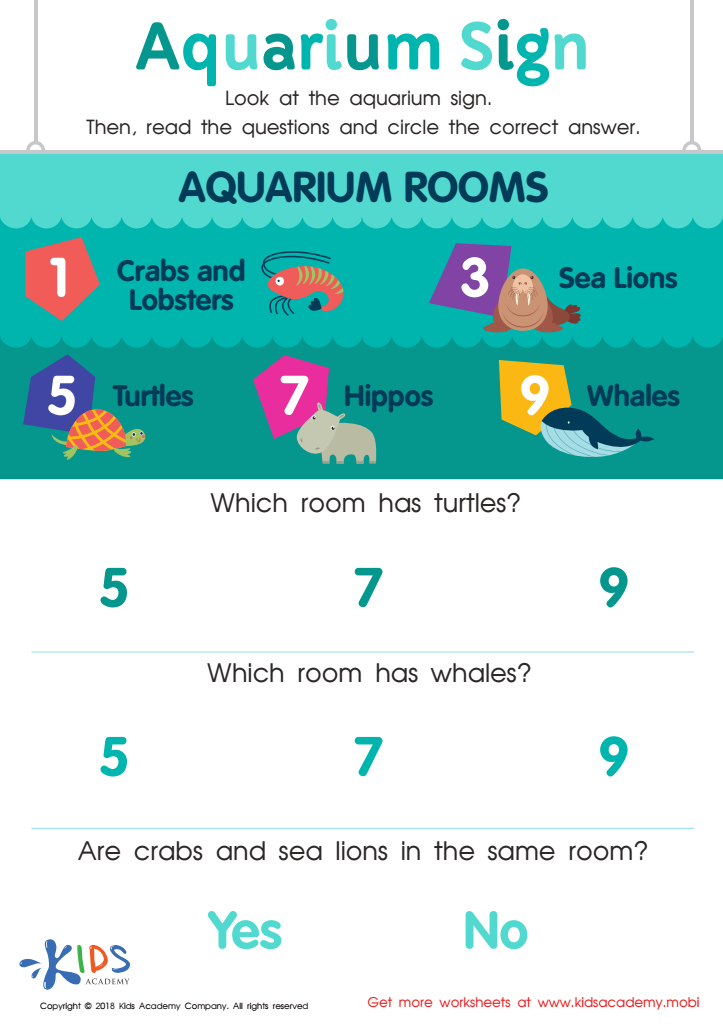
Assessment: Aquarium Sign Worksheet







.jpg)
Parents and teachers should prioritize reading comprehension and vocabulary development for children aged 6-8, as these skills are foundational for lifelong learning. At this age, children are transitioning from learning to read to reading to learn, making it crucial for them to understand the material they encounter. Strong reading comprehension skills enable children to grasp concepts across subjects, enhancing their academic performance and critical thinking abilities.
Building vocabulary is equally vital; a robust vocabulary boosts reading comprehension and allows children to express their thoughts more effectively. For 6-8-year-olds, learning new words can shape their understanding of the world and spark curiosity. Engaged readers often connect well with texts, which fosters a love for reading — an essential factor in their educational success.
Additionally, reading comprehension and vocabulary development support social-emotional learning. Children who can articulate their feelings and understanding are better equipped to engage with peers and build relationships. Encouraging an enriching reading environment, paired with interactive discussions about books, paves the way for children to not only excel academically but also develop a strong sense of self. Thus, investing time and resources in these areas is pivotal for nurturing well-rounded, literate individuals.