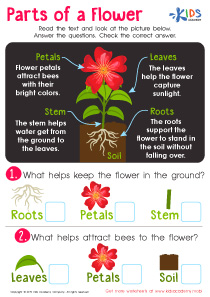
Critical Thinking Easy Reading Fiction Worksheets for Ages 6-8
6 filtered results
Difficulty Level
Grade
Age
-
From - To
Subject
Activity
Standards
Enhance your child's reading journey with our "Critical Thinking Easy Reading Fiction Worksheets for Ages 6-8"! Designed specifically for young learners, these worksheets engage critical thinking skills through enjoyable fictional stories. Each activity encourages kids to reflect, analyze, and draw connections to the text, fostering a deeper understanding and love for reading. Perfect for classroom use or at-home enrichment, our worksheets promote essential skills such as comprehension, inference, and evaluation. Invite creativity and curiosity into your child's reading experience while building a foundation for academic success. Start exploring today and empower your child to think critically about the stories they love!
Favorites
With answer key
Interactive
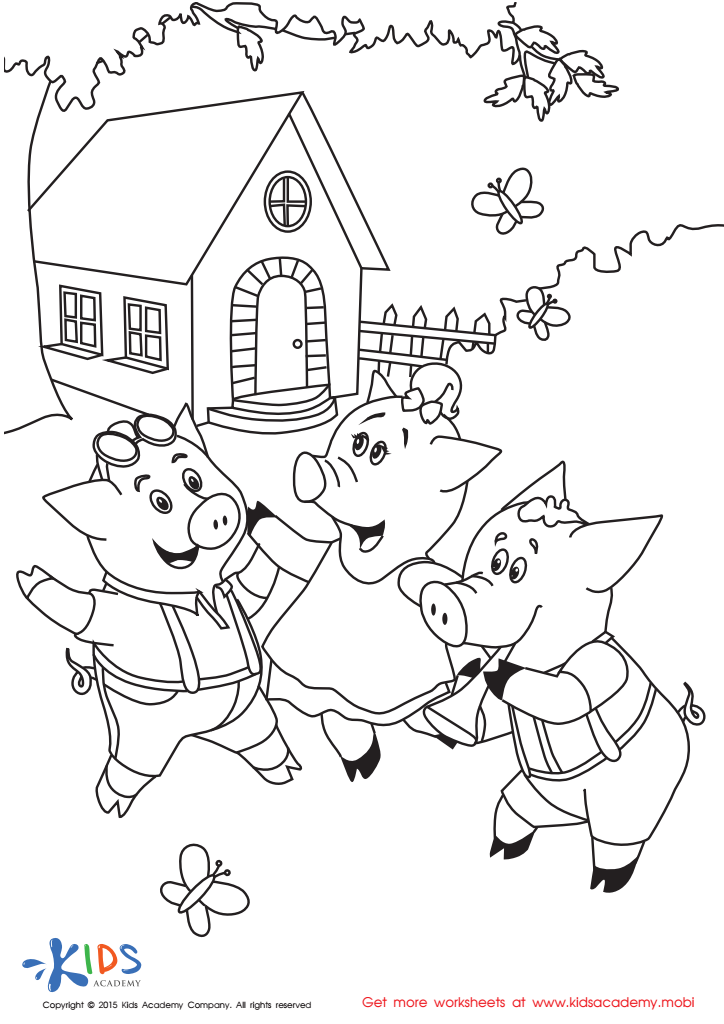
Folktales Printable PDF Worksheet: The 3 Little Pigs
Then, help your child to color the scene with pink piglets, blue sky and green grass. Make the brick house bright and vivid. Enjoy!
Download (PDF)
 Assign to My Students
Assign to My Students
Folktales Printable PDF Worksheet: The 3 Little Pigs
Worksheet
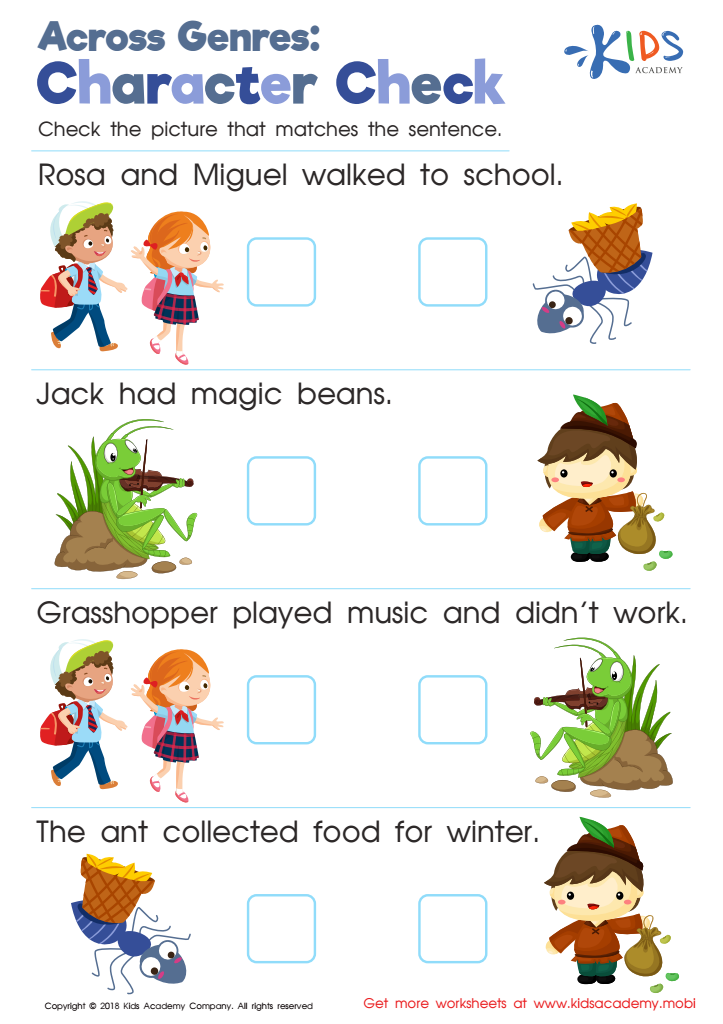
Across Genres: Character Check Worksheet
Read the sentences to your kids, then have them match the pictures to them. Ask them to look at the pictures and help them check which one goes with the sentence. The aim is to see how well they can do this exercise. (80 words)
Across Genres: Character Check Worksheet
Worksheet
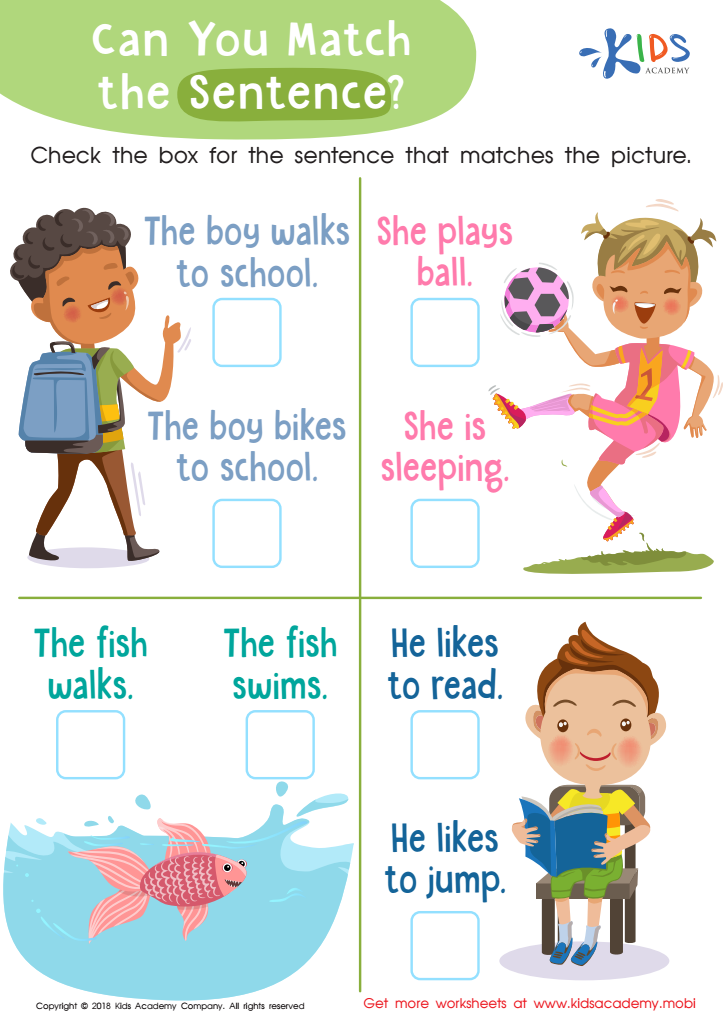
Can You Match the Sentence? Worksheet
Kids gain fluency with this worksheet which uses bright pictures. They select the sentence that matches the image and check the box. This repetition of words and phrases helps them improve their reading skills while having fun.
Can You Match the Sentence? Worksheet
Worksheet
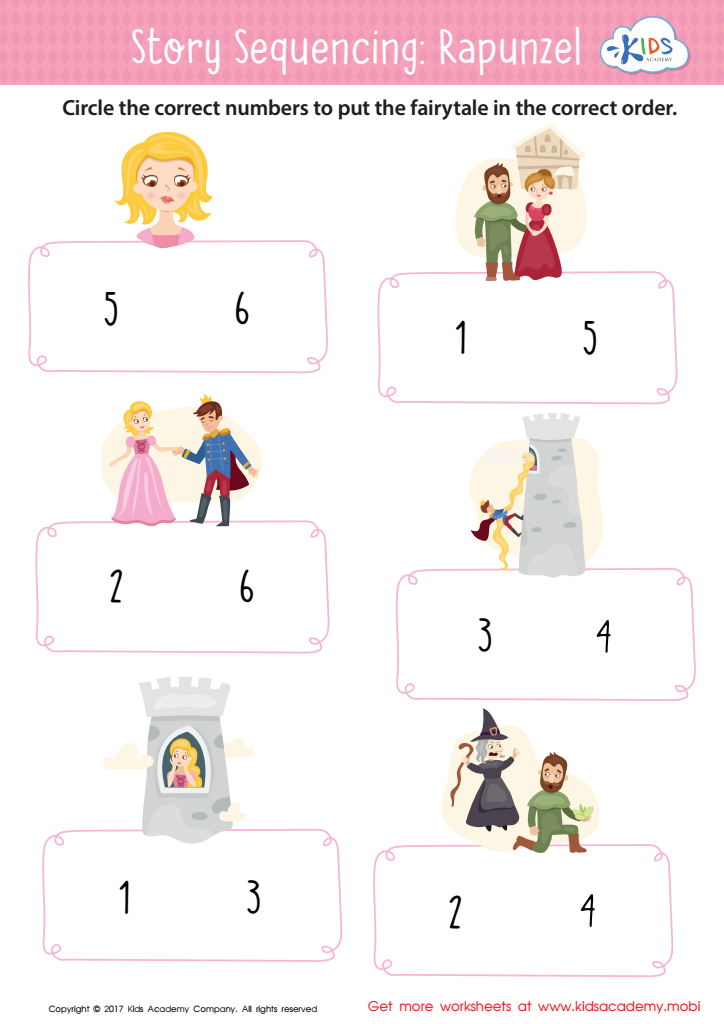
Rapunzel Story Sequencing Worksheet
Enhance your child's reading comprehension and help them sequence story events with this Rapunzel worksheet – it's thrilling and educational! Max 80 words.
Help your child develop their reading comprehension with this exciting Rapunzel story sequencing worksheet! Kids view pictures from the classic fairytale and number them in the right order, reinforcing their understanding of story events. Educational and entertaining!
Rapunzel Story Sequencing Worksheet
Worksheet
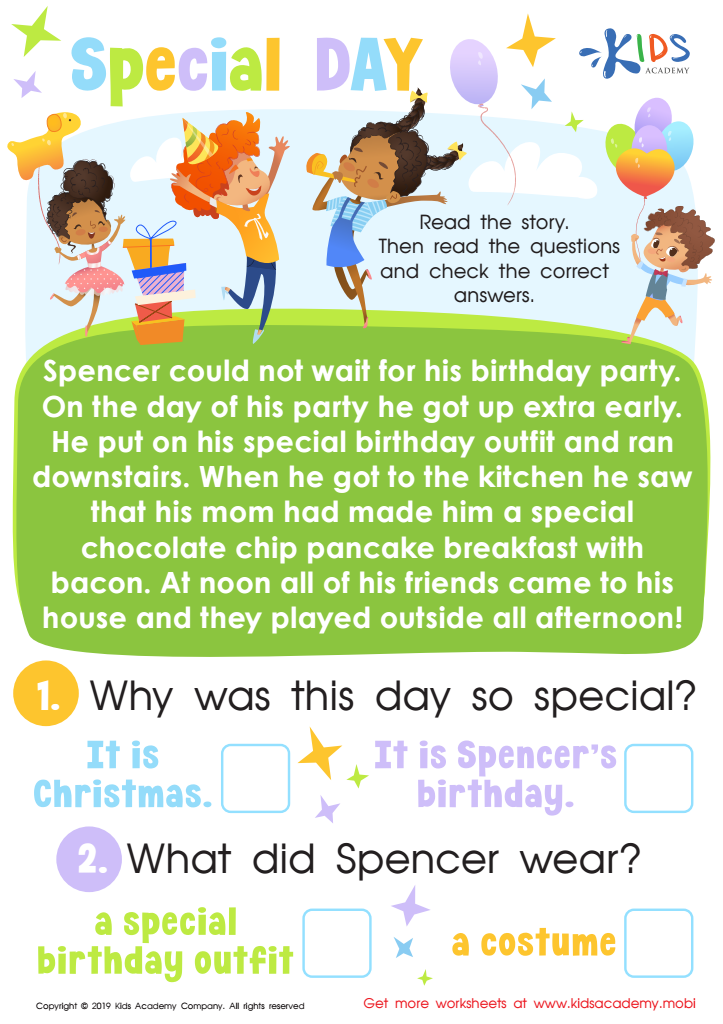
Special Day Worksheet
What's your child's favorite day? Let them tell you what makes it special and what they enjoy most. With the worksheet, show them the picture and ask them to identify the day. Read the story aloud, and help them answer the questions and check the right responses.
Special Day Worksheet
Worksheet
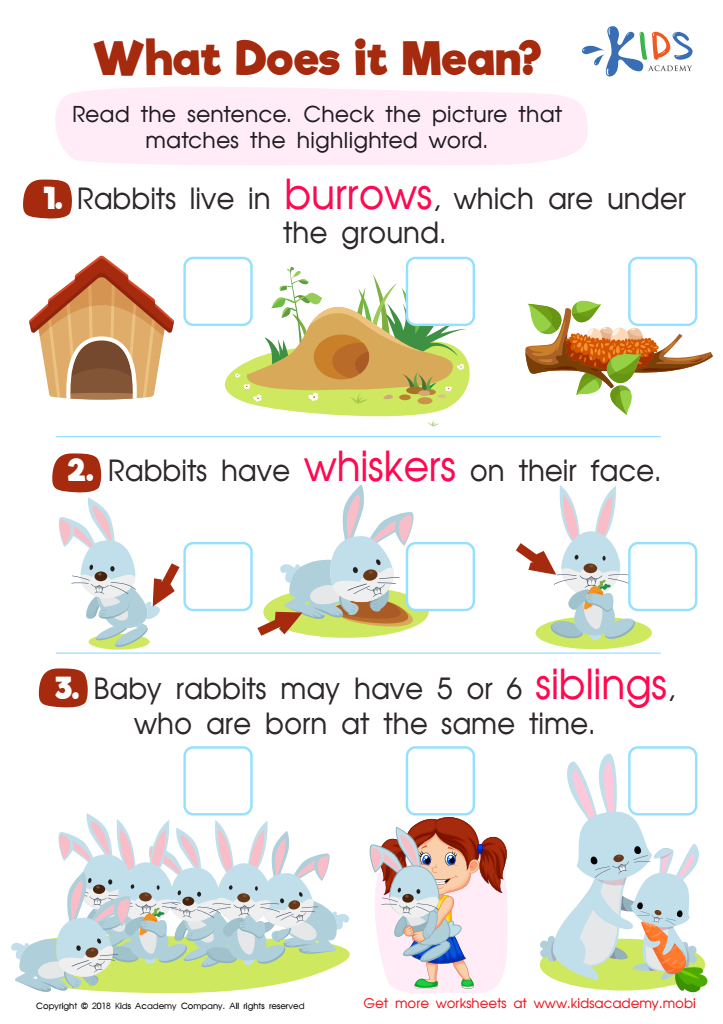
What Does It Mean? Worksheet
Teach your child to use context clues with this engaging Kids Academy worksheet. Read the sentences and find the pink-highlighted word. Use the other words in the sentence to figure out the meaning, then check the box next to the picture that represents it.
What Does It Mean? Worksheet
Worksheet
Join Kids Academy for Free
Who is primarily going to use this learning content?








Parents and teachers should be attentive to Critical Thinking Easy Reading Fiction for Ages 6-8 because it nurtures essential skills that children need for academic success and practical life experiences. Engaging stories tailored for younger readers can spark curiosity, stimulate imagination, and create a love for reading.
These fictional works often introduce complex ideas in a simplified manner, encouraging kids to question, analyze, and understand different perspectives. This age group is particularly impressionable, making it a prime time to cultivate critical thinking abilities. As children encounter different characters and scenarios, they learn to evaluate situations, make inferences, and draw conclusions; all of which are vital components of reasoning and problem-solving.
Moreover, critical thinking fosters emotional intelligence. Through compelling narratives, children can explore empathy and relationships, learn to recognize their feelings, and understand the emotions of others. This holistic development enhances social skills and equips them to engage constructively in diverse environments.
By prioritizing resources that combine easy reading with critical thinking, parents and teachers can empower children to become confident learners, enhancing their capabilities and better preparing them for future challenges. This foundational skill set ultimately supports a lifetime of thoughtful decision-making and active participation in society.