Attention to Detail Easy Worksheets for Ages 6-9
5 filtered results
-
From - To
Boost your child's focus with our "Attention to Detail Easy Worksheets" specially designed for kids aged 6-9. Our engaging activities sharpen observation skills and enhance concentration through fun tasks and colorful images. These worksheets help children identify differences, spot patterns, and solve puzzles, promoting critical thinking and mindfulness. Ideal for both classroom and home use, they make learning an enjoyable experience while supporting essential cognitive development. Encourage attention to detail in your young learner and watch their academic performance soar with Kids Academy’s thoughtfully crafted resources. Perfect for beginners, our worksheets offer a step-by-step path to attention mastery!
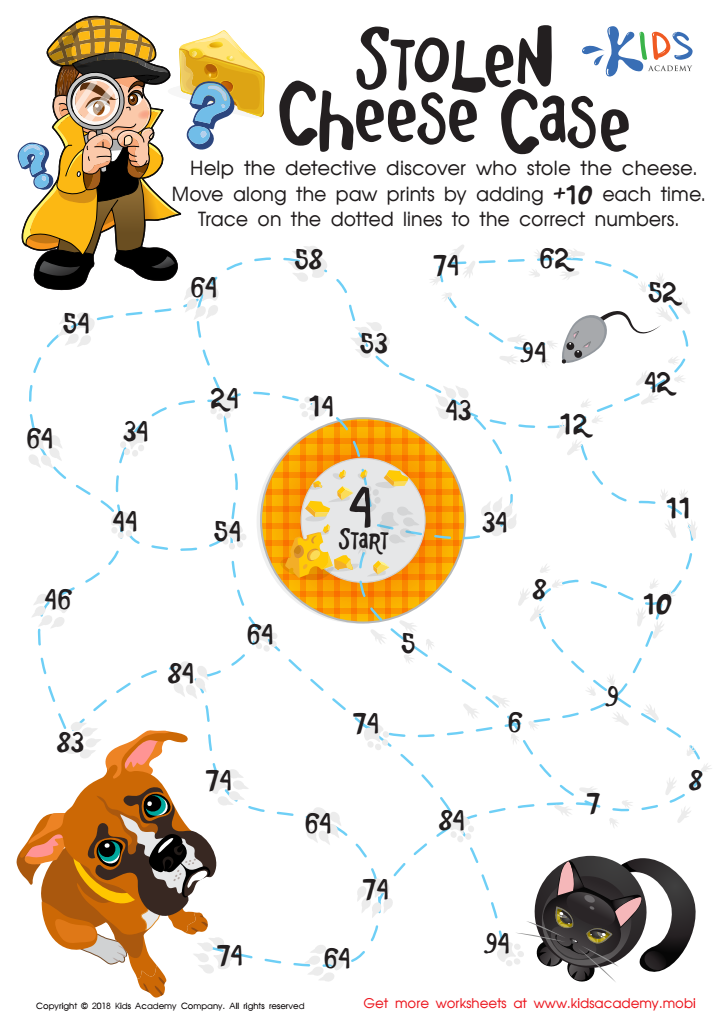
Stolen Cheese Case Maze Worksheet
 Assign to My Students
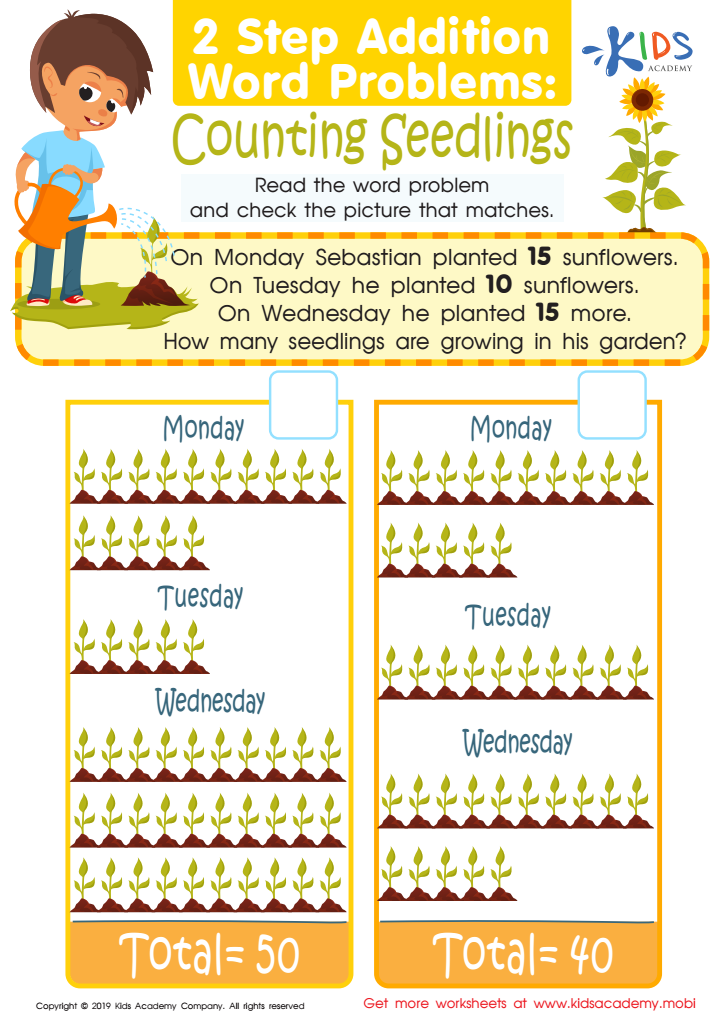
Counting Seedlings Worksheet
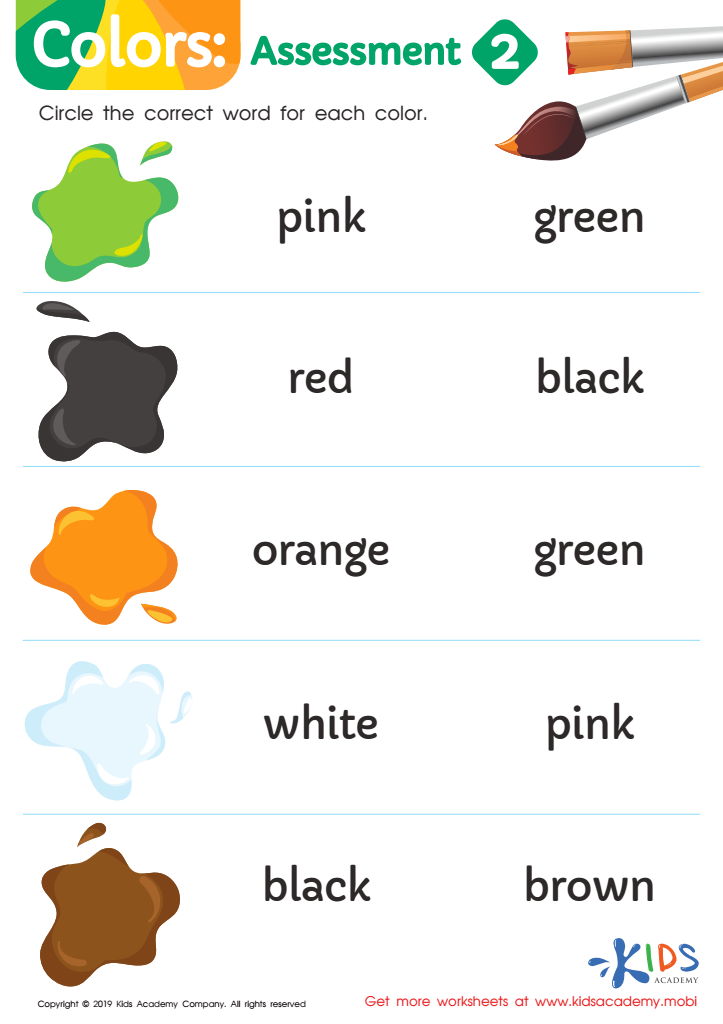
Colors: Assessment 2 Worksheet

Cities Worksheet
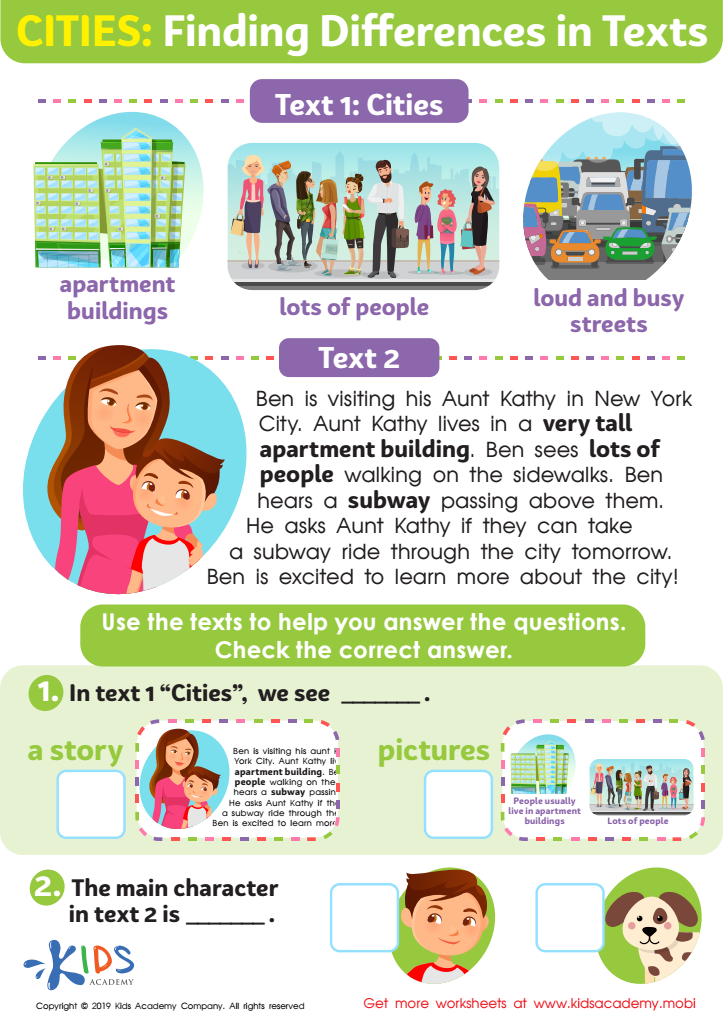
Cities: Finding Differences Worksheet








Attention to detail is crucial for children ages 6-9 because it lays the foundation for academic success and promotes life skills. When children care about details, they learn to follow instructions carefully, which is essential for solving math problems, reading comprehension, and completing projects accurately. This habit enhances their ability to understand and retain information, leading to better grades and a more confident attitude toward learning.
Moreover, attention to detail fosters critical thinking and problem-solving skills. Children who notice small details can anticipate problems and find creative solutions more effectively. This skill also nurtures perseverance and patience, teaching kids the value of doing things thoroughly rather than rushing through tasks.
From a social perspective, children who pay attention to detail are generally more empathetic and considerate. They are likely to pick up on the feelings and needs of others, which helps them develop stronger friendships and better interpersonal skills.
For teachers and parents, emphasizing attention to detail means raising observant, cautious, and responsible individuals. Long-term, these children will likely excel in their personal and professional lives. Incorporating activities that promote detailed thinking, such as puzzles, reading, and hands-on projects, can be fun while instilling essential skills for future success.








