Counting skills Easy Worksheets for Ages 6-9 - Page 3
89 filtered results
-
From - To
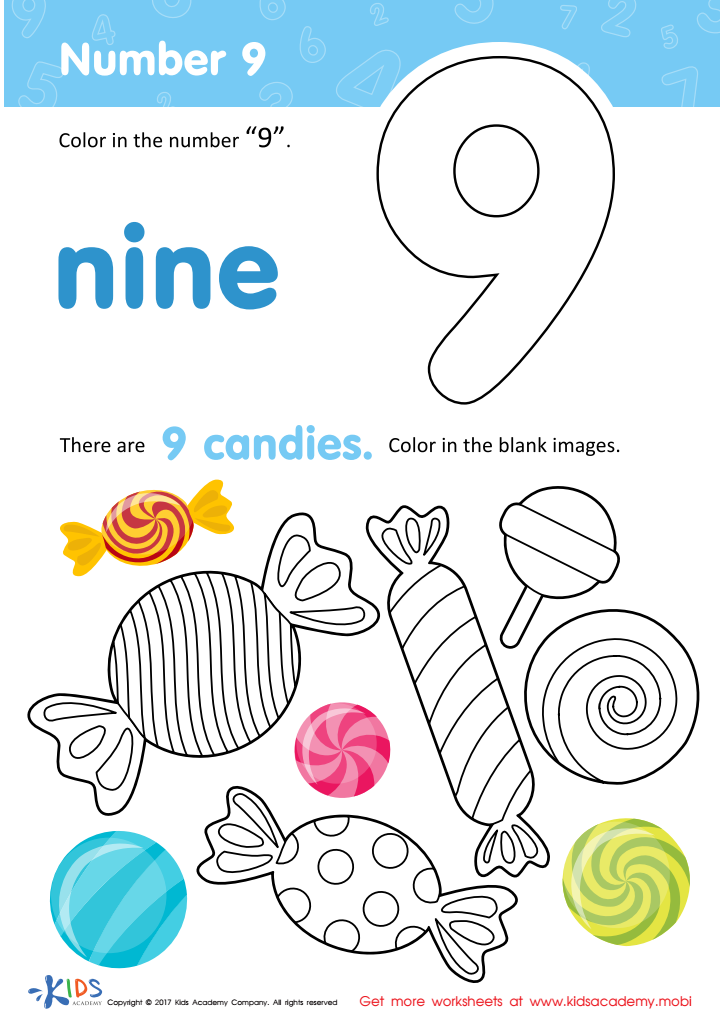
Number 9 Printable
 Assign to My Students
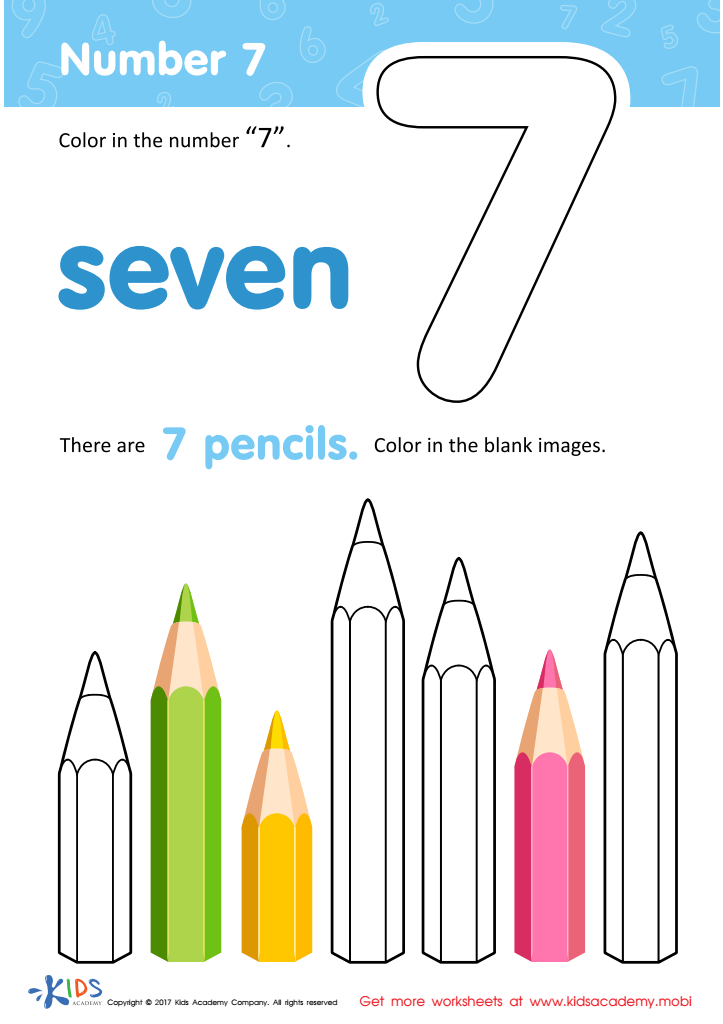
Number 7 Worksheet
Assign to My Students
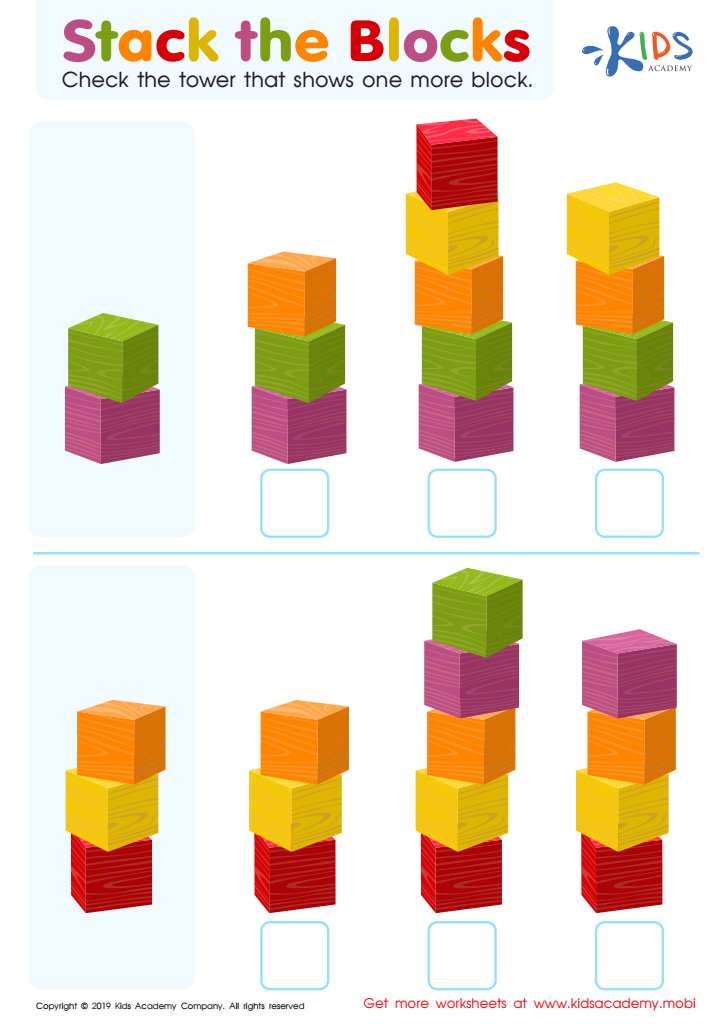
Stack the Blocks Worksheet
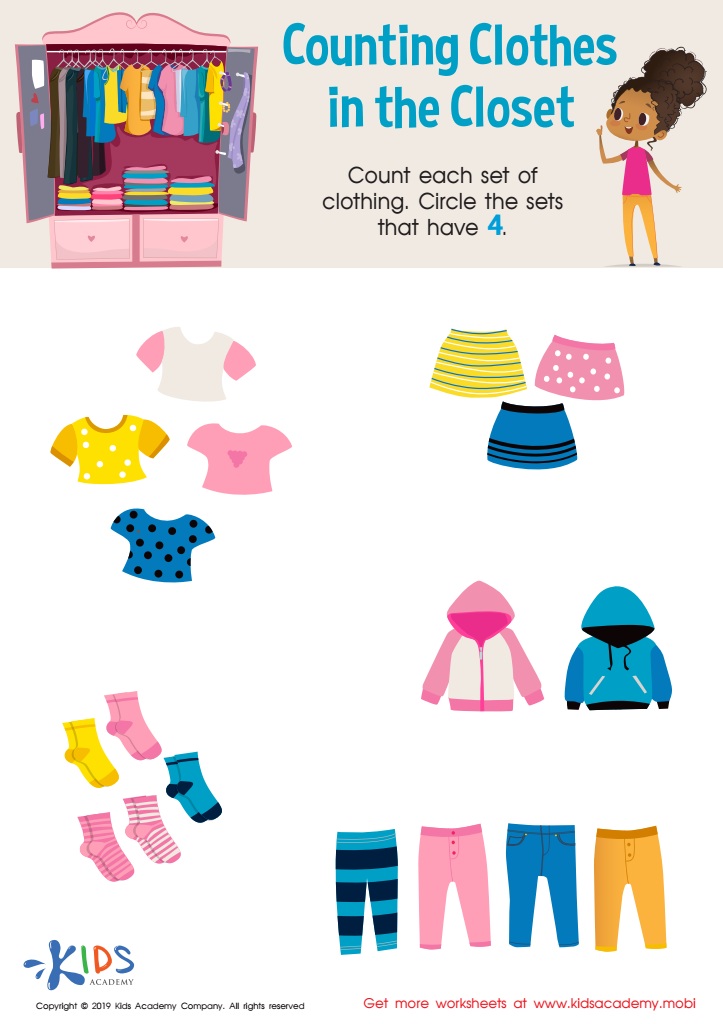
Counting Clothes Worksheet
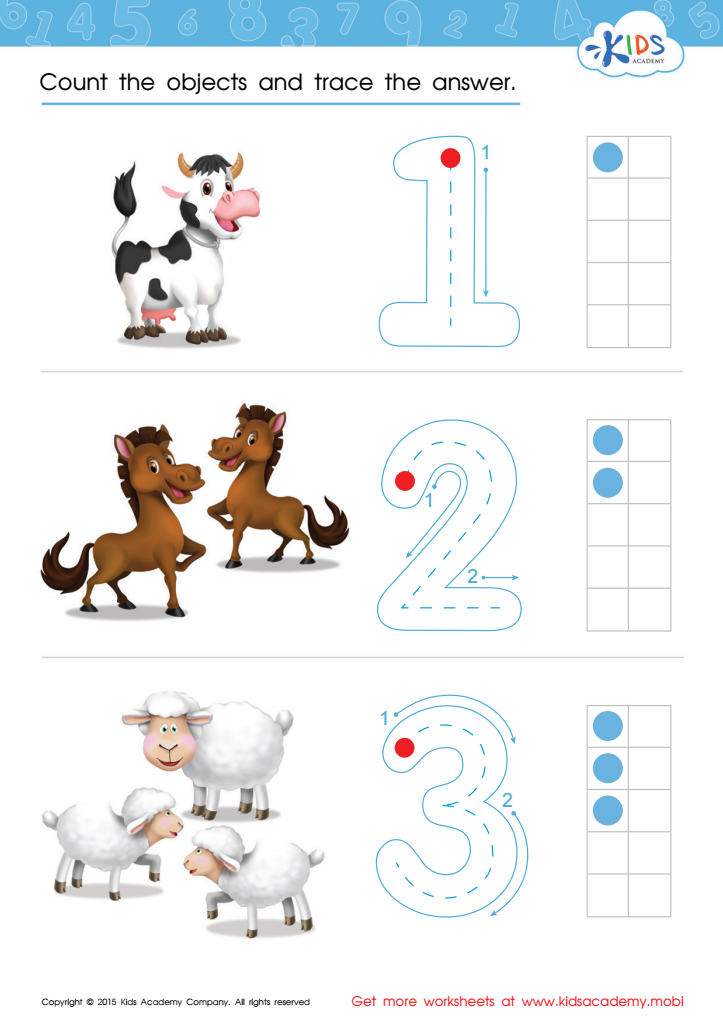
Count and Trace 1 – 3 Worksheet
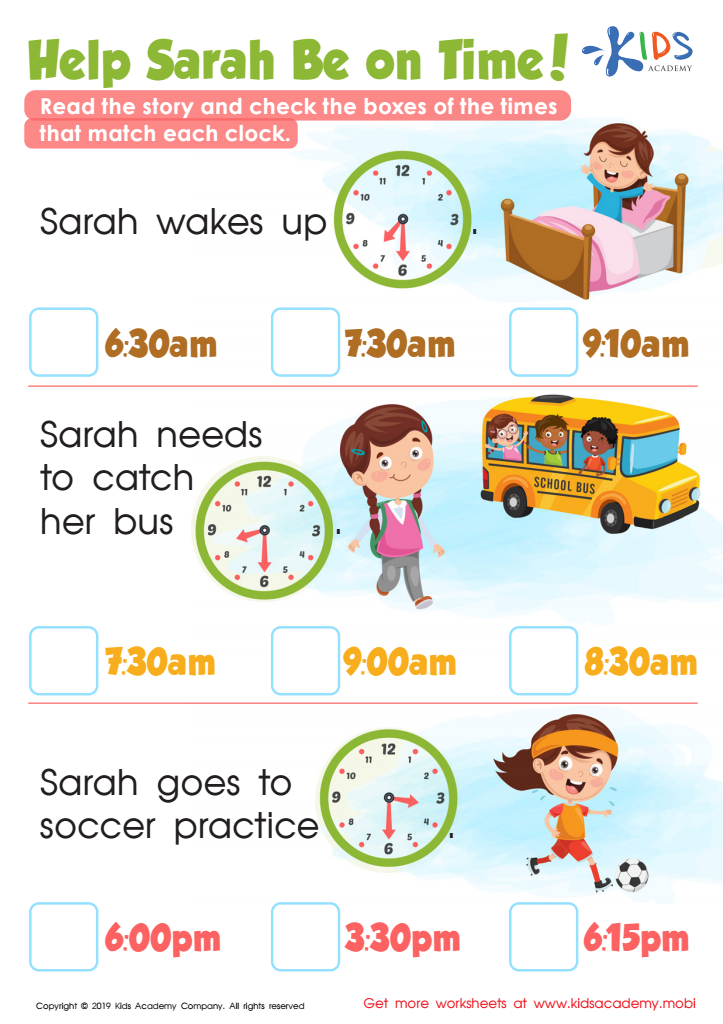
Help Sarah Be on Time! Worksheet
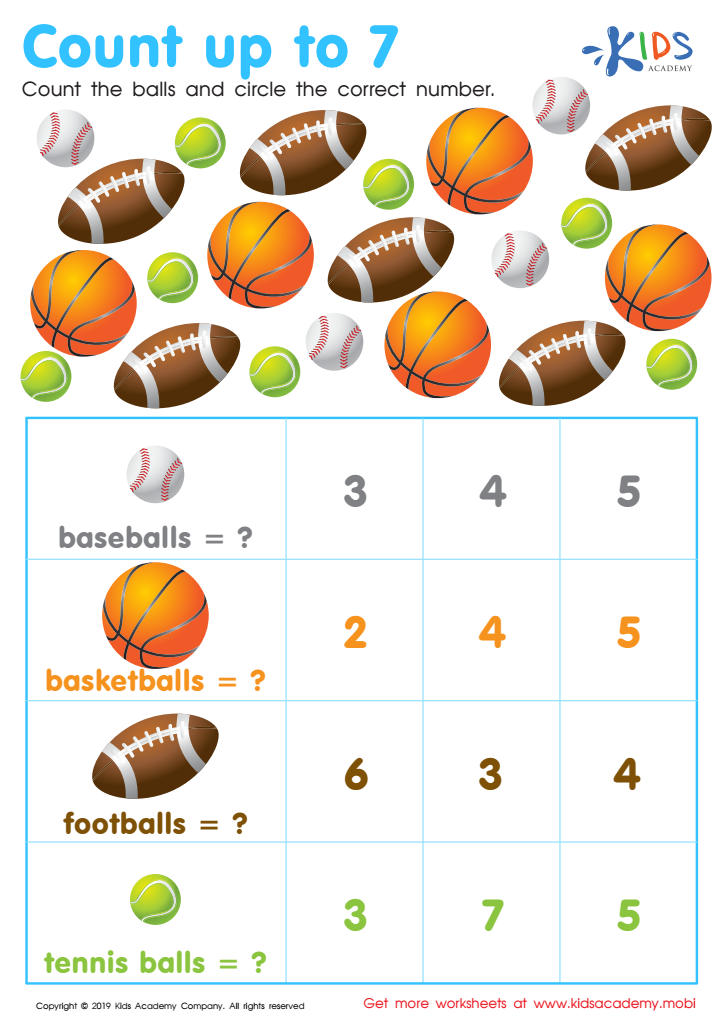
Count up to 7 Worksheet
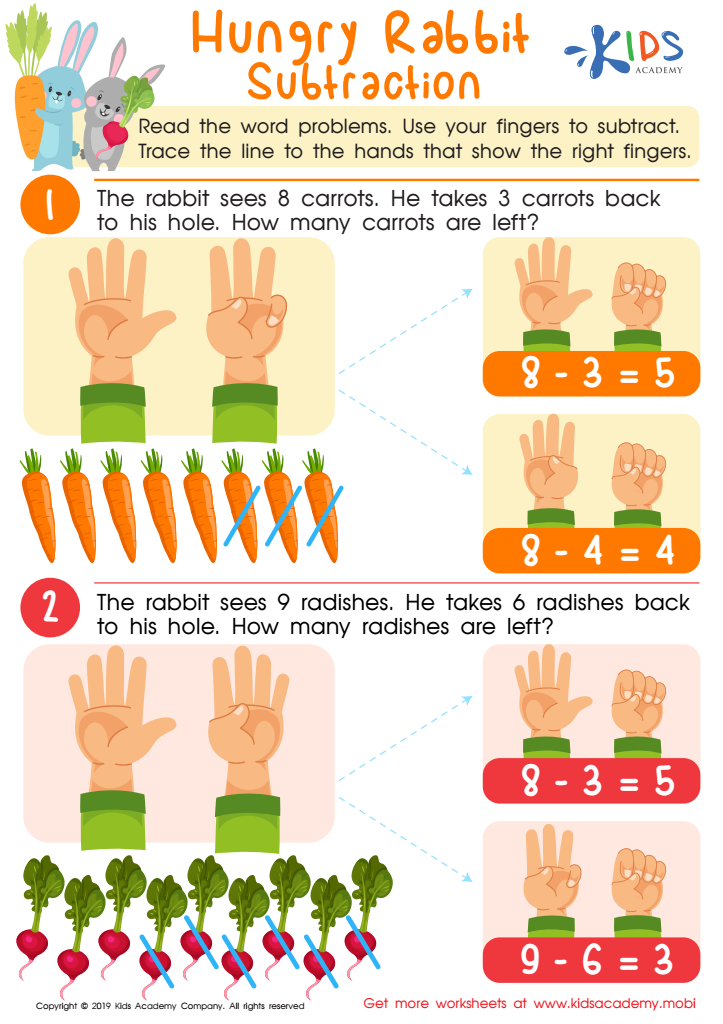
Hungry Rabbit Subtraction Worksheet
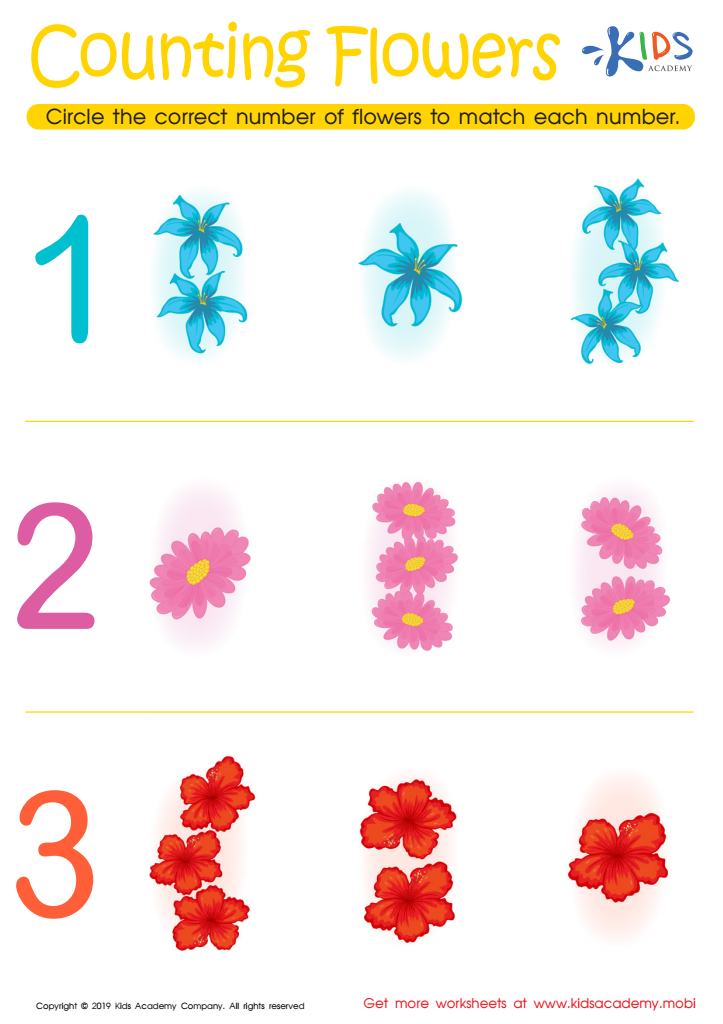
Counting Flowers Worksheet
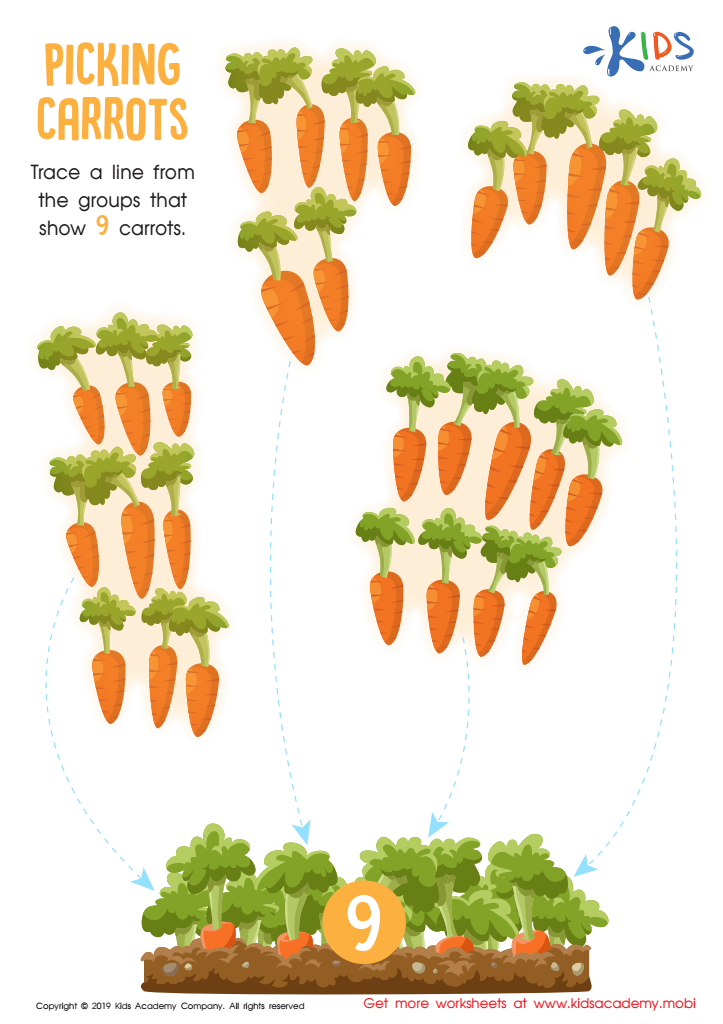
Picking Carrots Worksheet
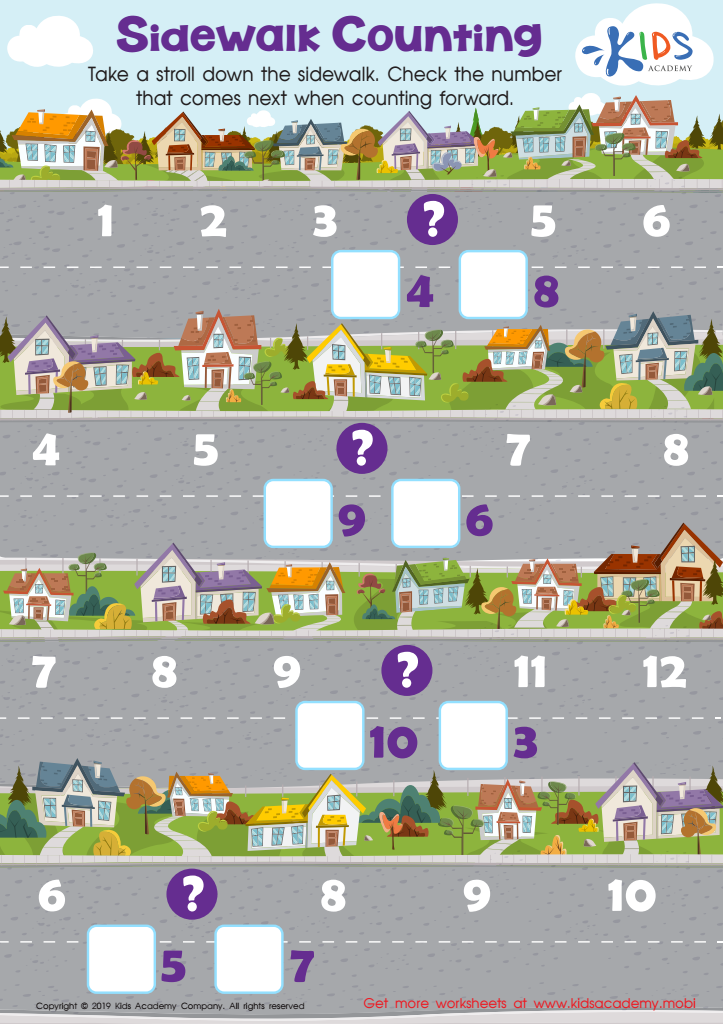
Sidewalk Counting Worksheet
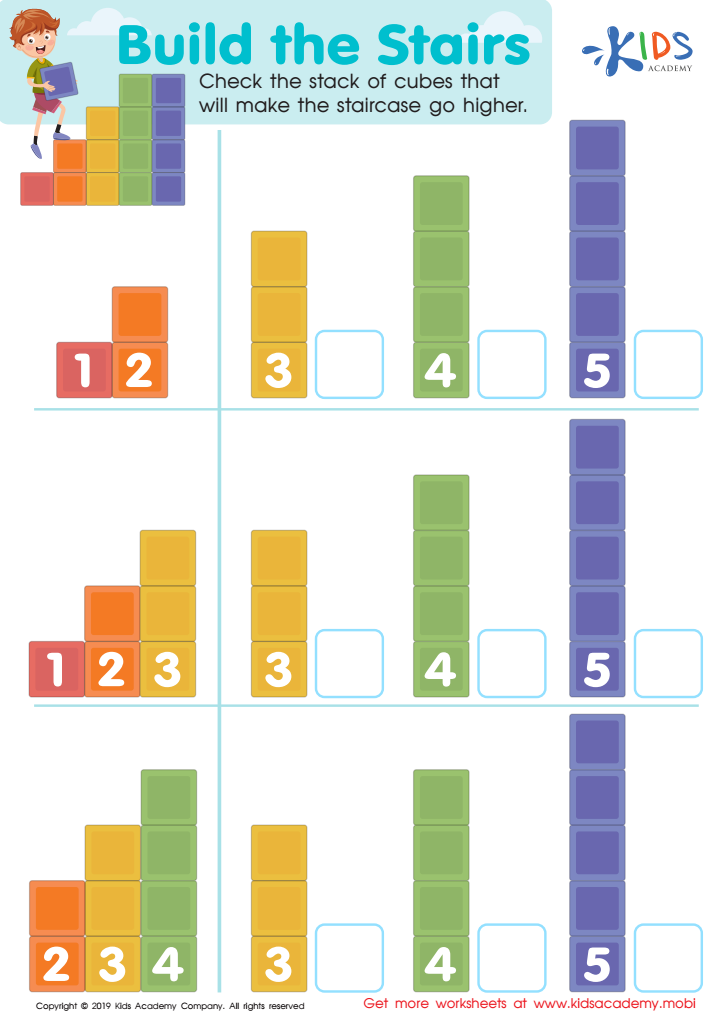
Build the Stairs Worksheet
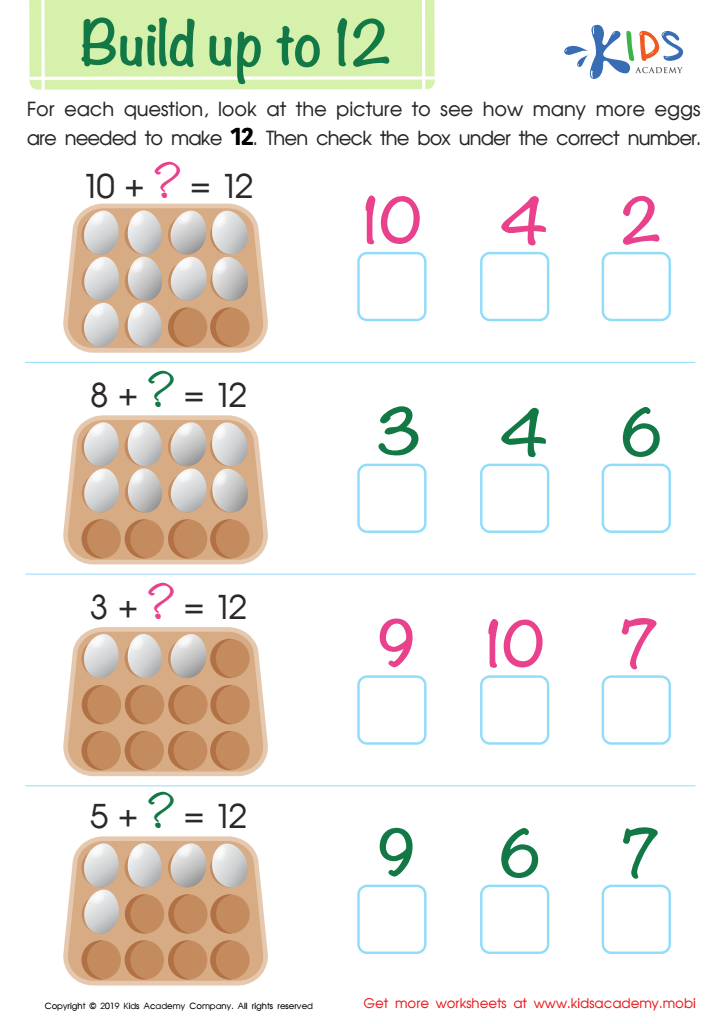
Build up to 12 Worksheet
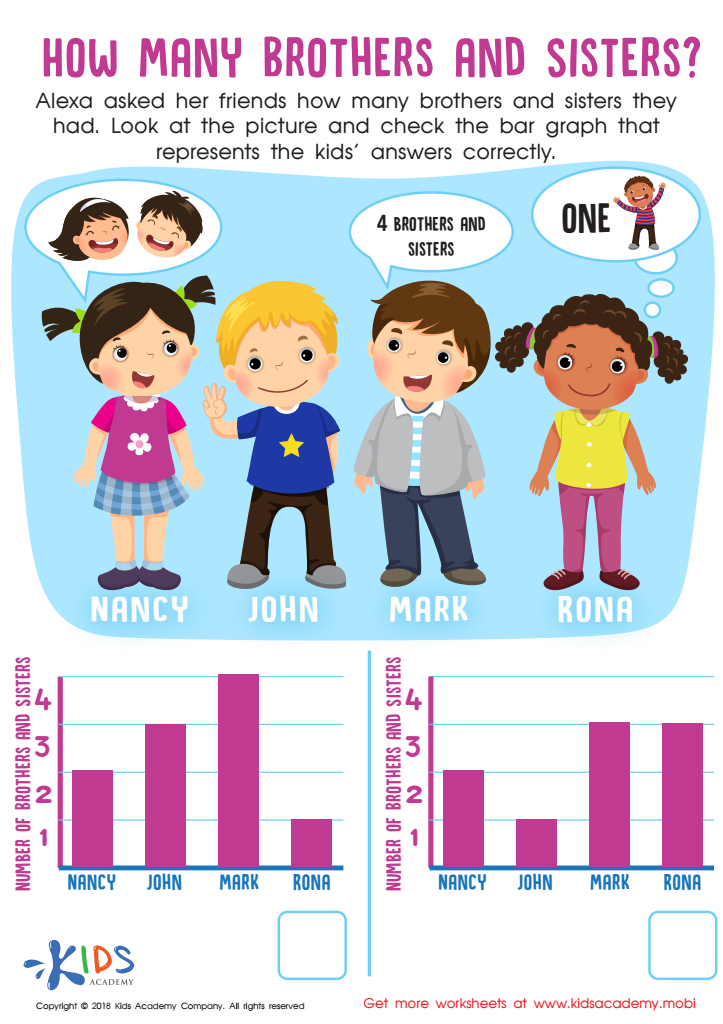
How Many Brothers and Sisters? Worksheet
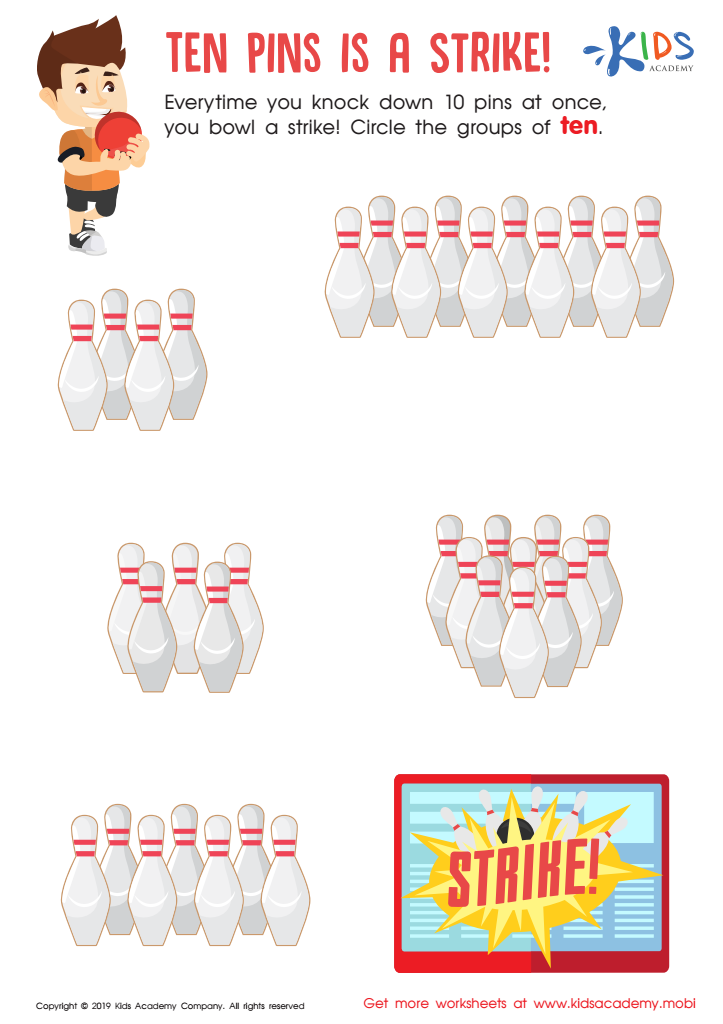
Ten Pins is a Strike Worksheet
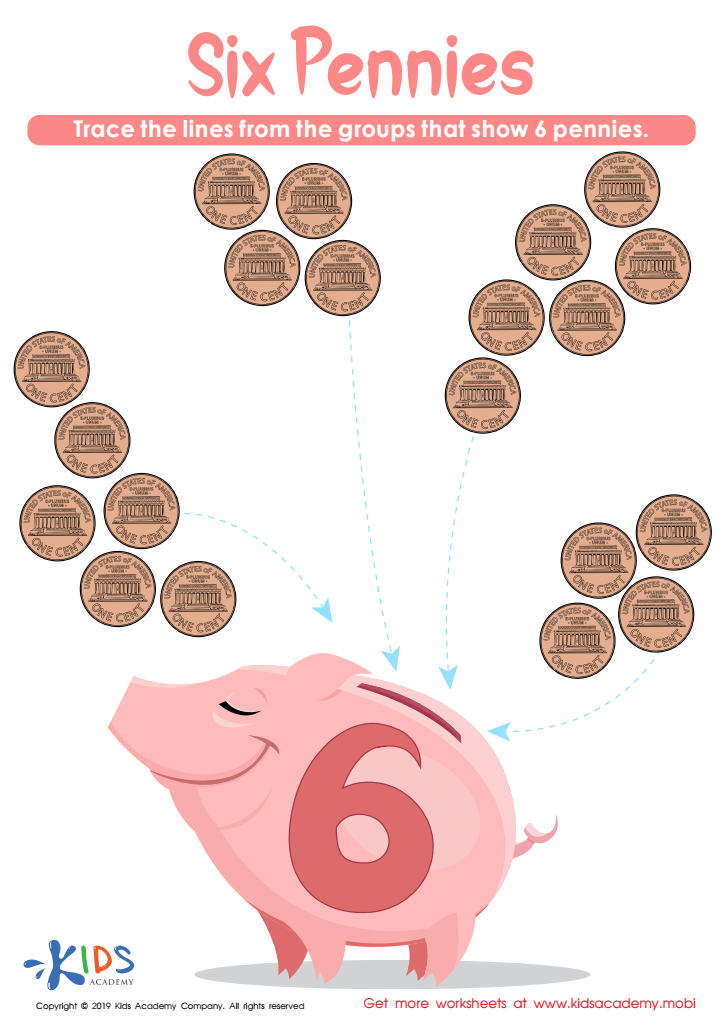
Six Pennies Worksheet
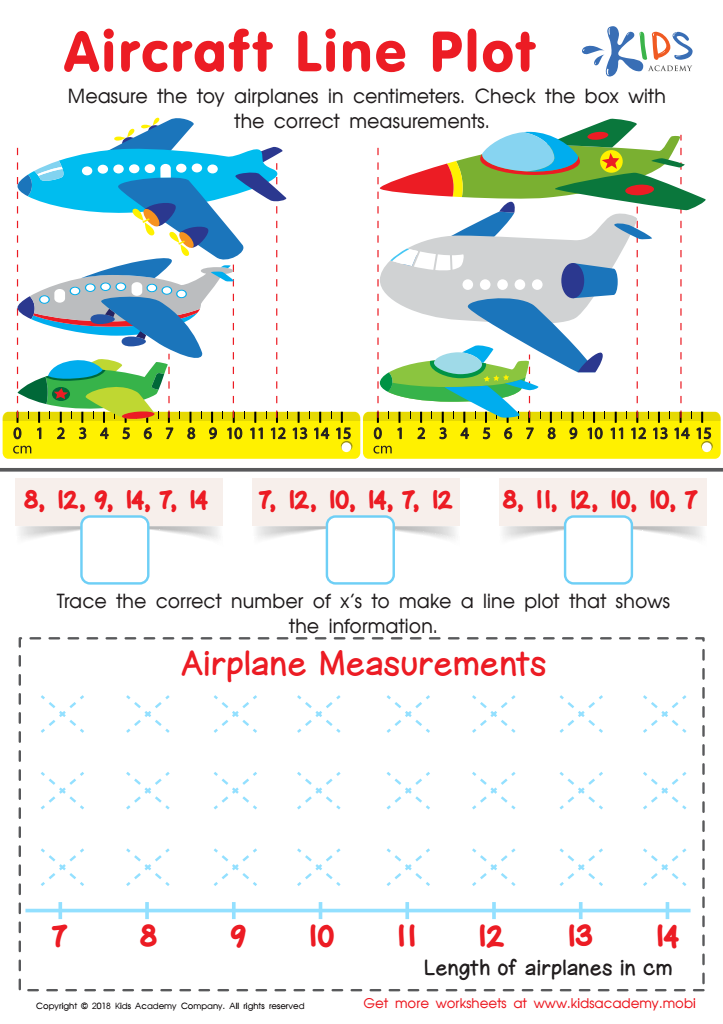
Aircraft Line Plot Worksheet
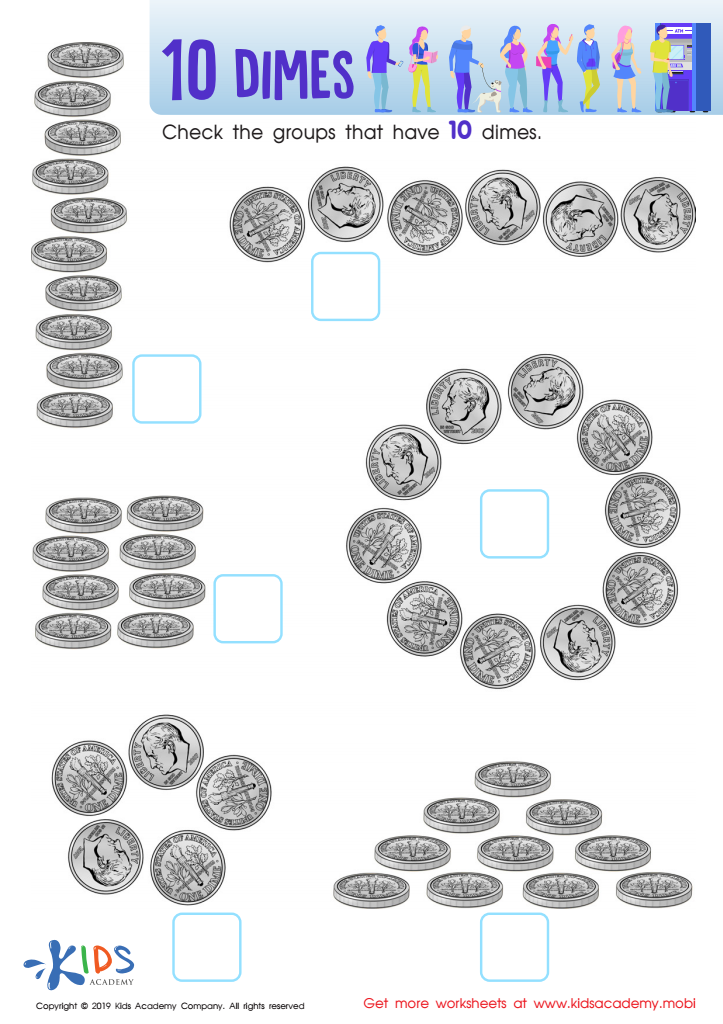
10 Dimes Worksheet
Number 8 Printable
Assign to My Students
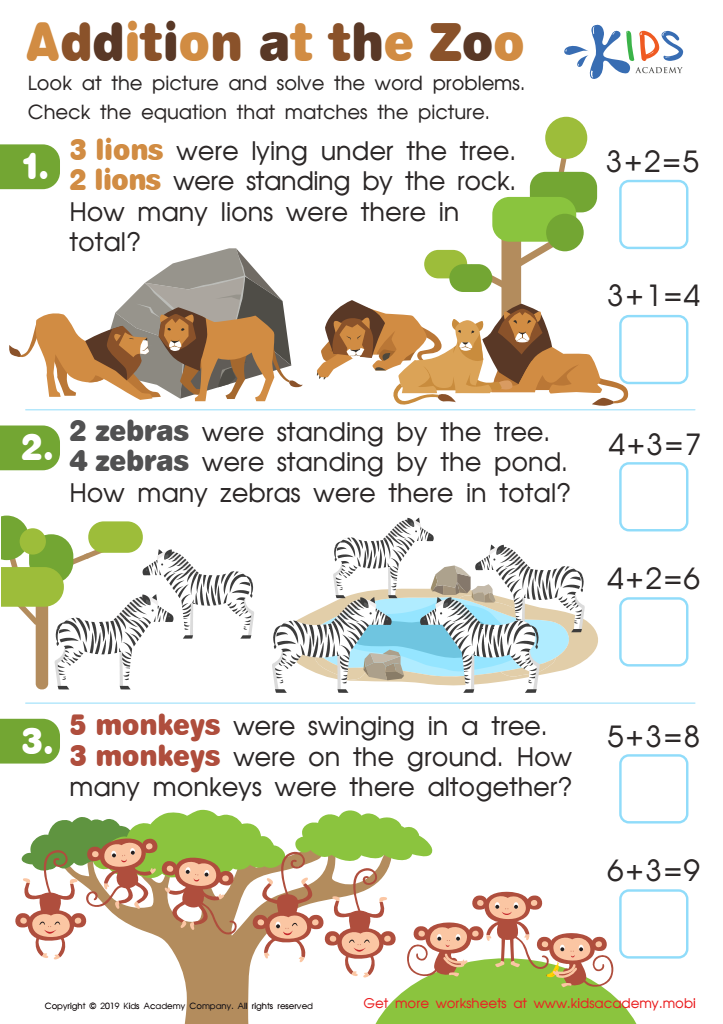
Addition at the Zoo Worksheet
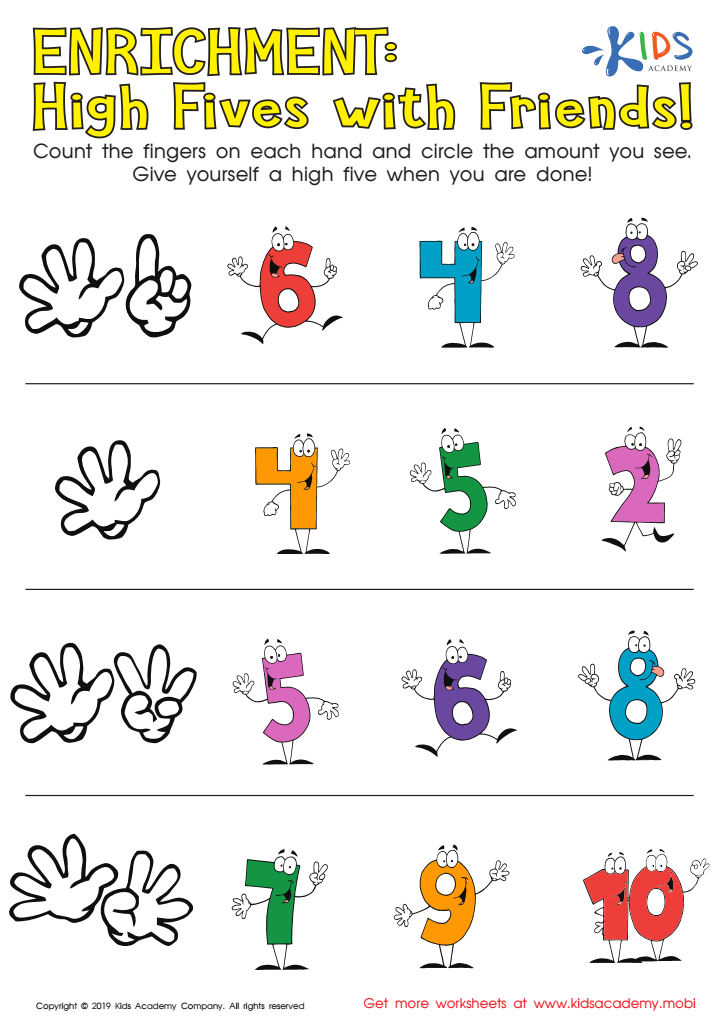
Enrichment: High Fives with Friends! Worksheet
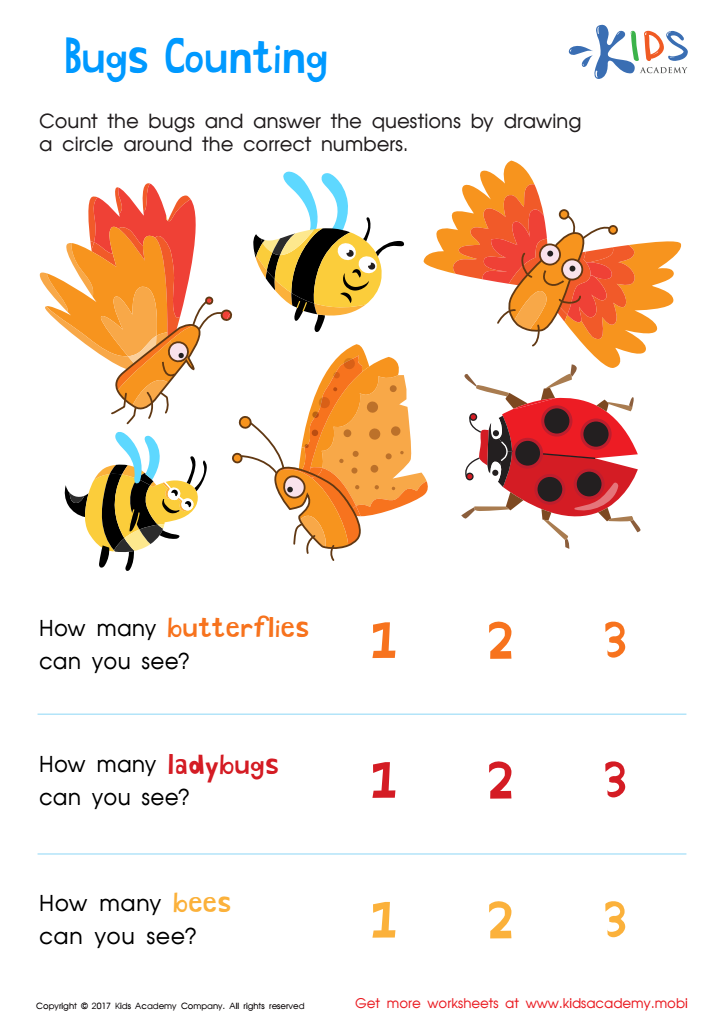
Bugs Counting Worksheet
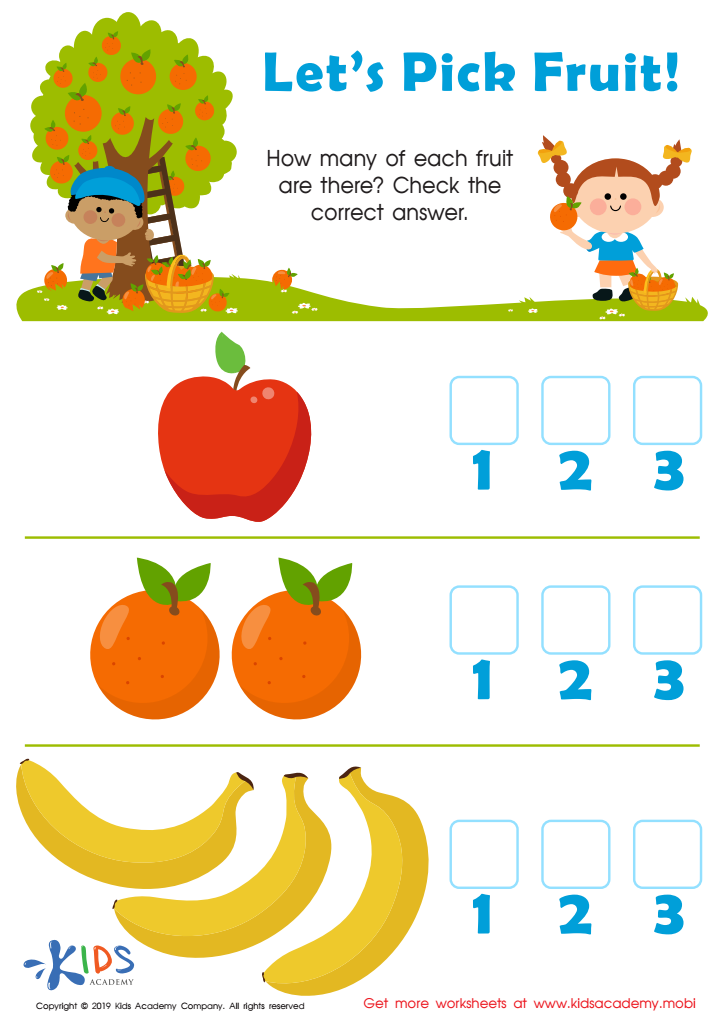
Let's Pick Fruit Worksheet
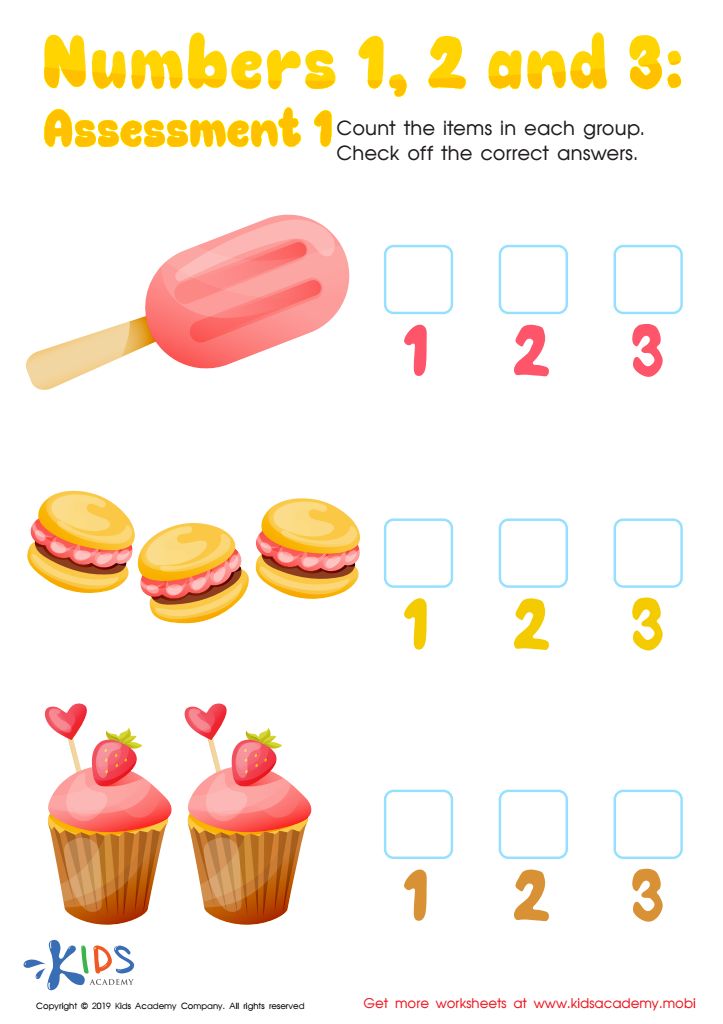
Numbers 1, 2 and 3: Assessment 1 Worksheet






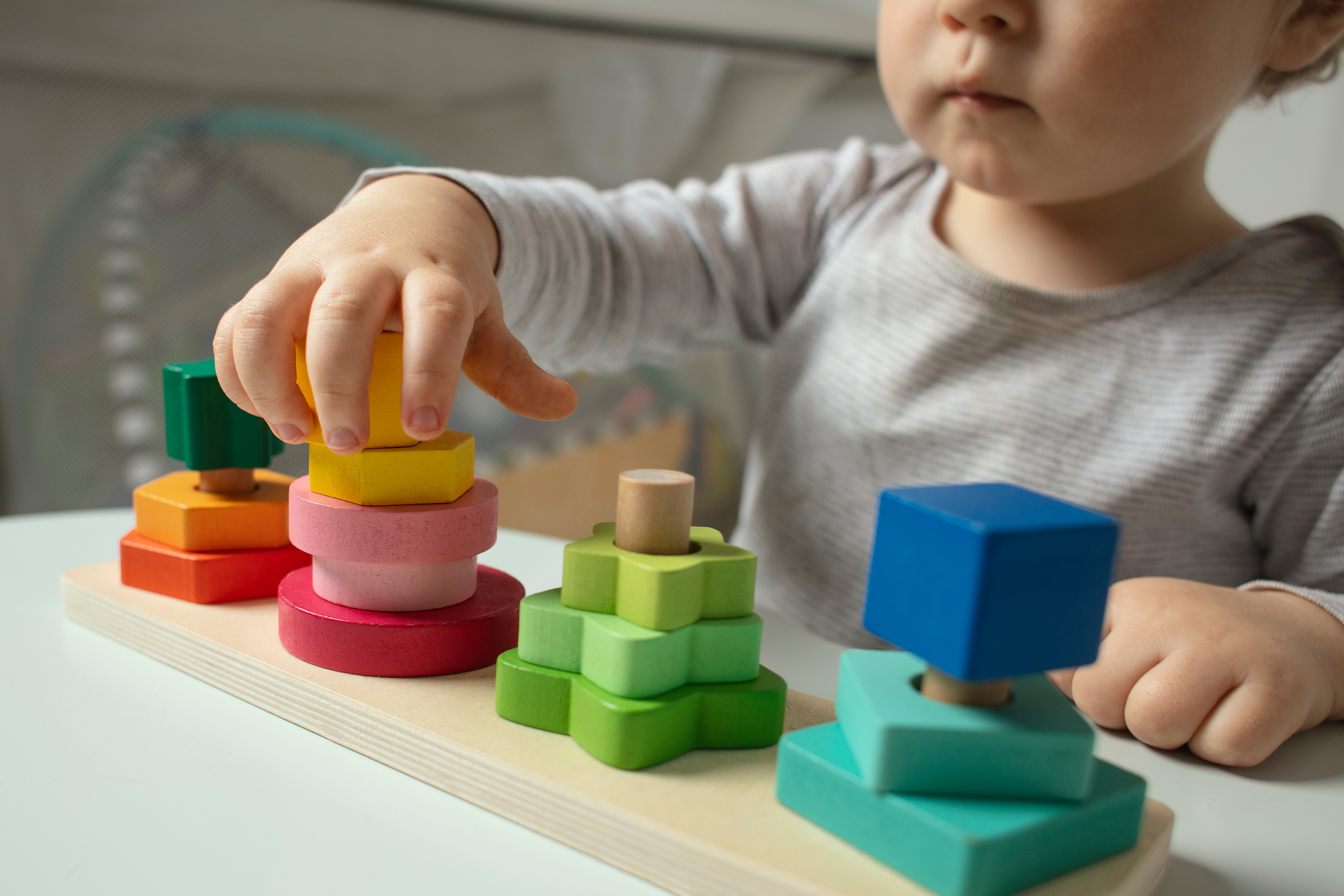

Parents and teachers should prioritize counting skills for children aged 6-9 because these foundational skills are critical for cognitive development and everyday functioning. Counting forms the basis of numeracy, which is essential for understanding larger mathematical concepts later on, such as addition and subtraction. At this age, children learn to recognize numbers, understand quantity, and improve their ability to compare and categorize objects.
These skills foster problem-solving and critical thinking, equipping children to navigate their world effectively. Mastering counting also enhances children’s confidence in academic pursuits, which can influence their overall attitude toward learning. Furthermore, stronger counting abilities contribute to improved concentration and focus, helping children to succeed in various tasks and challenges.
Counting skills also play a role in real-life situations, such as managing money, telling time, and organizing daily routines, which are essential life skills. When parents and teachers engage with children in counting activities—through games, songs, or everyday tasks—they enrich their learning experience and make math enjoyable. Moreover, acknowledging the significance of these skills means laying a solid foundation for future education, ultimately preparing children for lifelong learning and success. Thus, fostering counting skills should be a shared priority for both parents and educators.








