Improving vocabulary Easy Worksheets for Ages 6-9
3 filtered results
-
From - To
Welcome to our "Improving Vocabulary Easy Worksheets" page, designed specifically for children ages 6-9! Our engaging and interactive worksheets help young learners expand their vocabulary in a fun and enjoyable way. Each worksheet features age-appropriate exercises such as word matching, fill-in-the-blanks, and creative word association tasks that ignite a child's imagination while reinforcing their language skills. Perfect for both classroom and home use, these worksheets provide a comprehensive approach to vocabulary building. Help your child become a confident communicator while fostering a lifelong love for words. Explore our collection today and watch their vocabulary blossom!
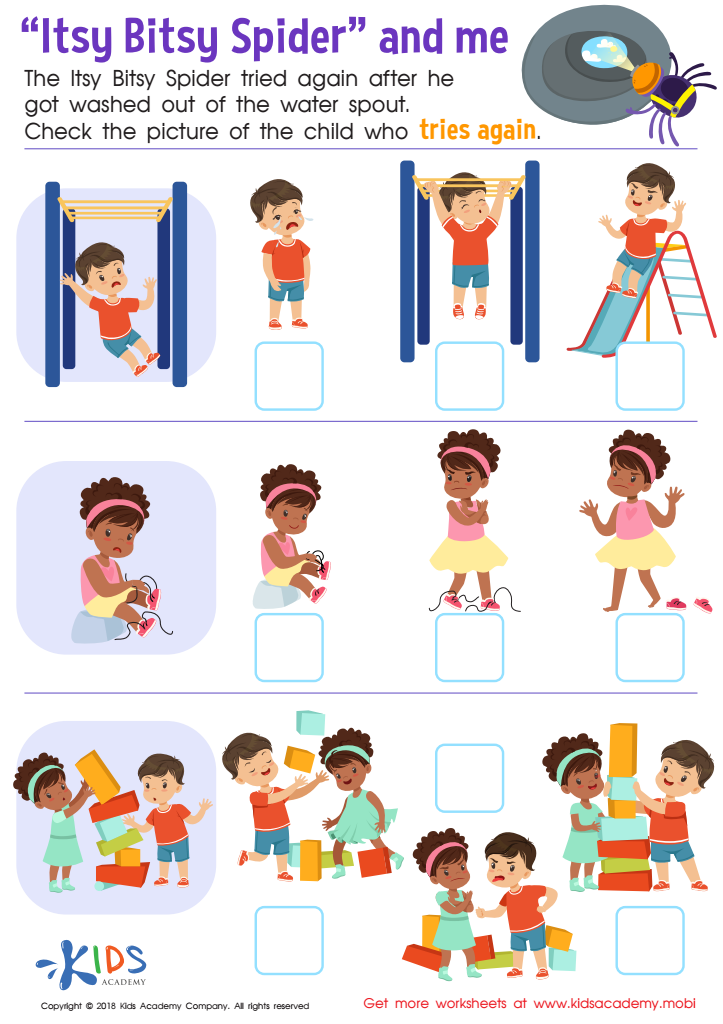
Itsy Bitsy Spider and Me Worksheet
 Assign to My Students
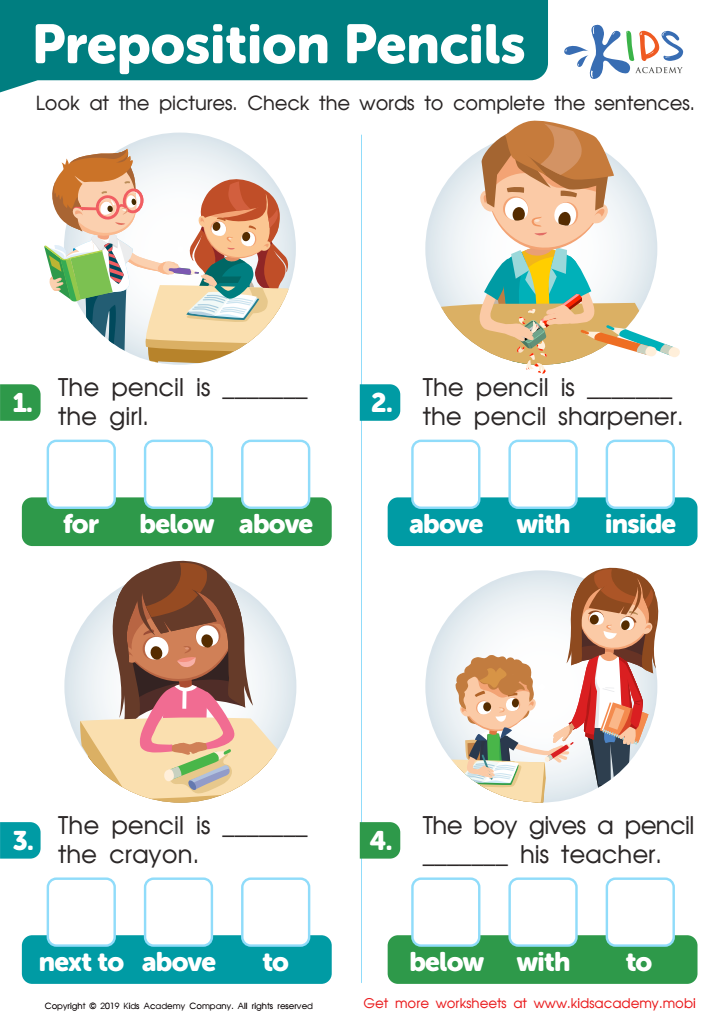
Preposition Pencils Worksheet
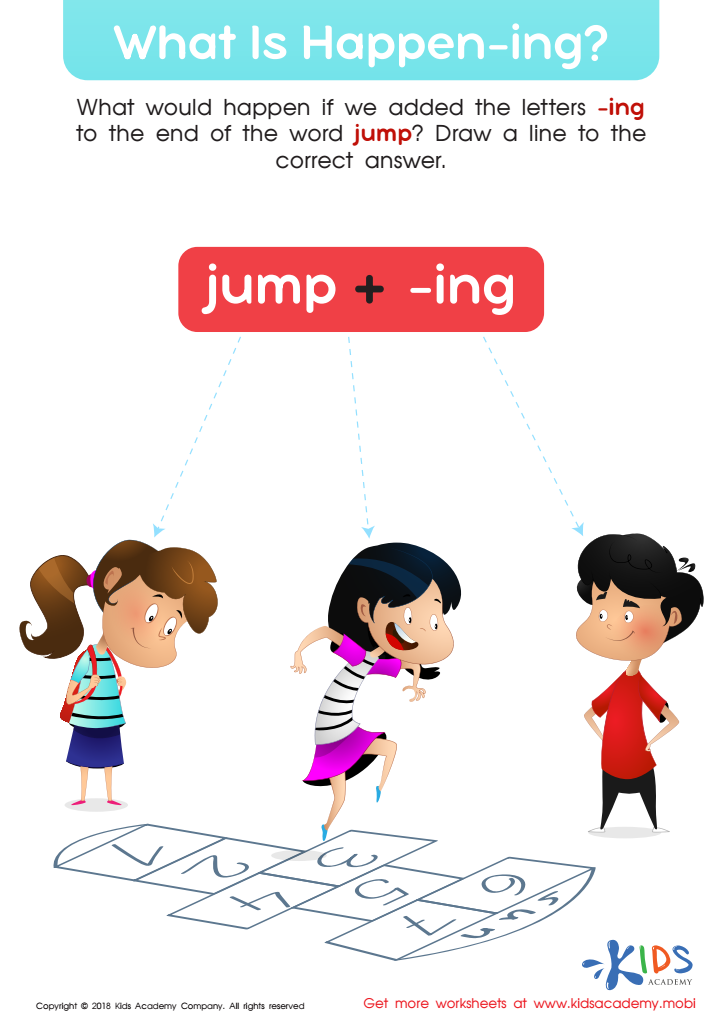
What Is Happen-Ing? Worksheet








Improving vocabulary for children aged 6 to 9 is crucial for their overall development and success. During these formative years, children are rapidly expanding their language skills, and a rich vocabulary enhances their ability to express thoughts, ask questions, and understand the world around them. Parents and teachers play a pivotal role in fostering this growth. A strong vocabulary improves reading comprehension, enabling children to enjoy stories, connect with characters, and grasp lessons more effectively. It also boosts writing skills, helping children articulate their ideas clearly.
Furthermore, a robust vocabulary is linked to increased self-confidence. When children can communicate effectively, they are more likely to engage in classroom discussions and social interactions. This encourages critical thinking and enhances problem-solving abilities. Additionally, a broad vocabulary supports academic success across subjects, including science and mathematics, where precise language is important.
By incorporating enjoyable activities like reading aloud, playing word games, and encouraging conversations, parents and teachers can create an enriching environment that makes learning new words fun and engaging. Investing in vocabulary development not only benefits children in school but also equips them with essential tools for lifelong learning and communication.








