Understanding Sequences Easy Worksheets for Ages 6-9
4 filtered results
-
From - To
Welcome to our "Understanding Sequences Easy Worksheets" page, specially designed for children aged 6-9! These engaging worksheets help young learners grasp the concept of sequences through fun and interactive activities. By working through colorful, age-appropriate exercises, students will develop vital skills in pattern recognition and logical thinking. Our worksheets are tailored to boost confidence and understanding in sequencing, a key foundation for math and reading skills. From fill-in-the-blank sequences to visual puzzles, each worksheet offers an enjoyable way for kids to learn. Discover the joy of learning sequences today, and empower your child’s educational journey with these easy worksheets!
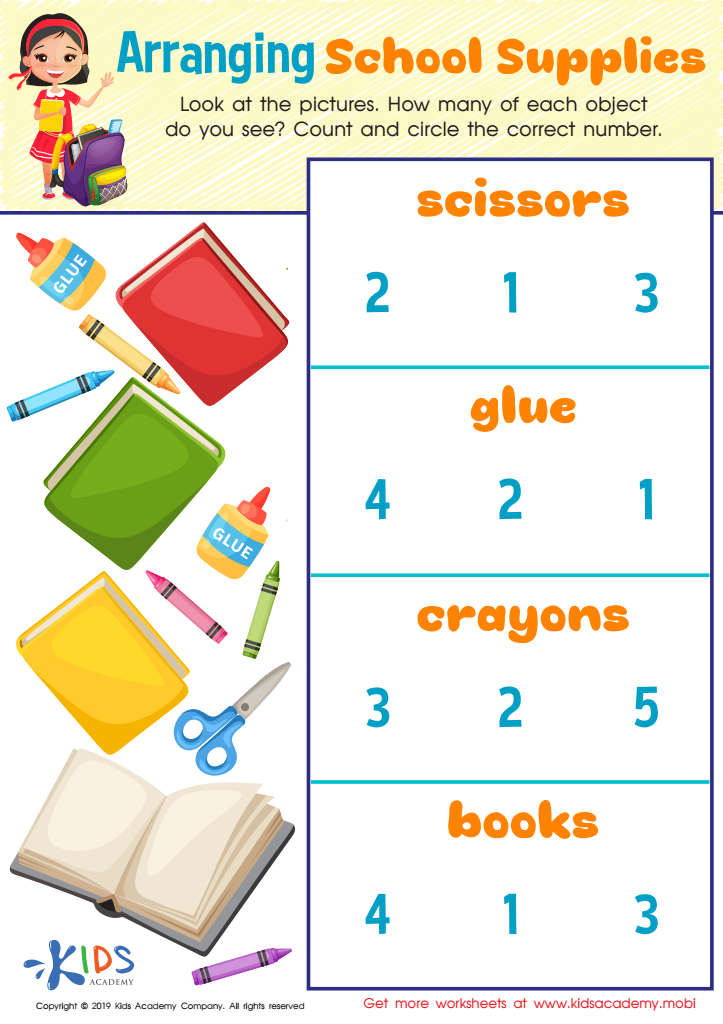
Arranging School Supplies Worksheet
 Assign to My Students
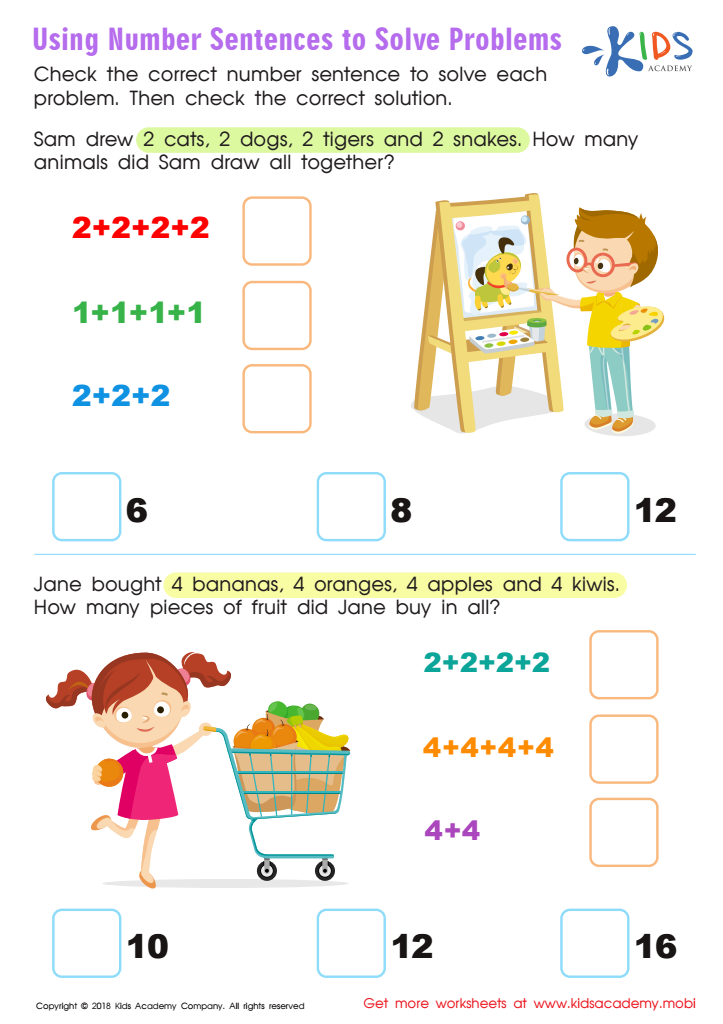
Using Number Sentences to Solve Problems Worksheet
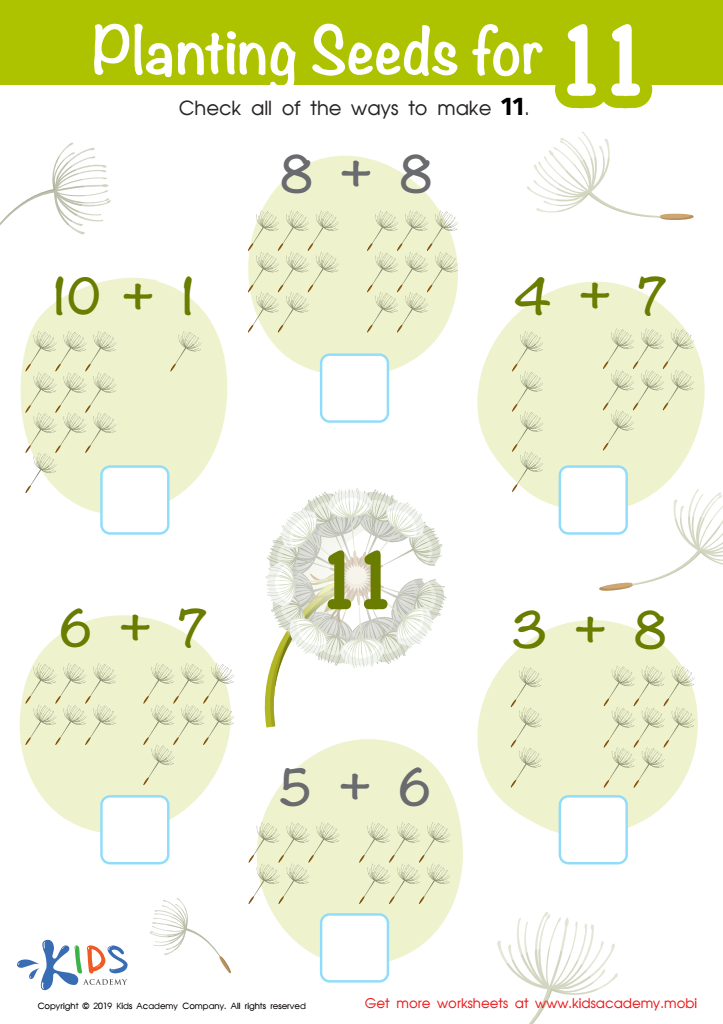
Planting Seeds for 11 Worksheet
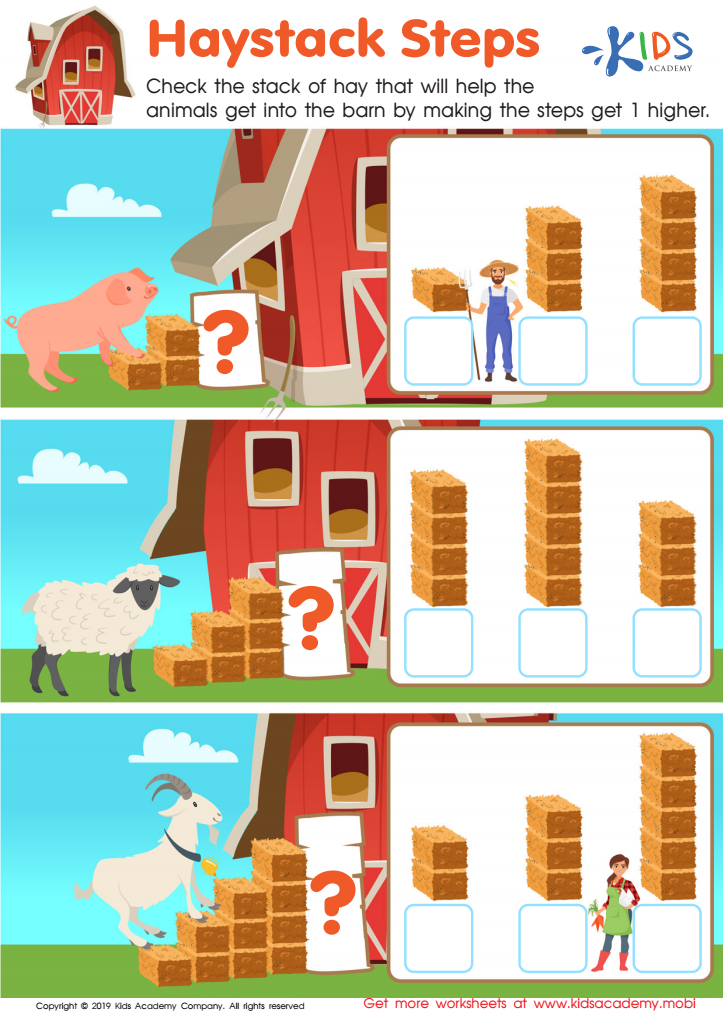
Haystack Steps Worksheet


.jpg)



Understanding sequences is foundational for children aged 6-9, as it lays the groundwork for critical mathematical skills and logical thinking. When parents and teachers engage with kids about sequences, they're not just teaching them about numbers; they're fostering curiosity and enhancing problem-solving abilities.
Sequences introduce children to patterns, which are essential in numerous aspects of everyday life, from recognizing patterns in nature to organizing tasks and predicting outcomes. By grasping sequences, children develop essential cognitive skills, such as reasoning, memory, and the ability to make connections between various concepts.
Promoting understanding of sequences at this age can also enhance a child's confidence in mathematics. It encourages them to explore higher mathematical concepts, such as addition, subtraction, and later on, multiplication and division, through a more structured lens.
Moreover, engaging in activities surrounding sequences can be a fun and interactive way to stimulate learning, making it an enjoyable experience for both adults and children. By cultivating an appreciation for sequences early on, parents and teachers play a crucial role in equipping children with the skills they need to thrive academically and in everyday problem-solving scenarios.








