Problem-Solving Skills Easy Geometry Worksheets for Ages 6-9
6 filtered results
-
From - To
Unlock your child's potential with our "Problem-Solving Skills Easy Geometry Worksheets" designed specifically for ages 6-9! These engaging worksheets introduce fundamental geometry concepts while promoting critical thinking and problem-solving skills. Through fun and interactive activities, young learners will explore shapes, symmetry, and spatial reasoning. Our worksheets simplify complex ideas to ensure children grasp essential math skills with ease. Perfect for home or classroom use, these resources help build a strong foundation in geometry while keeping learning enjoyable. Equip your child with the tools they need to succeed in math and beyond—start their journey into the world of geometry today!
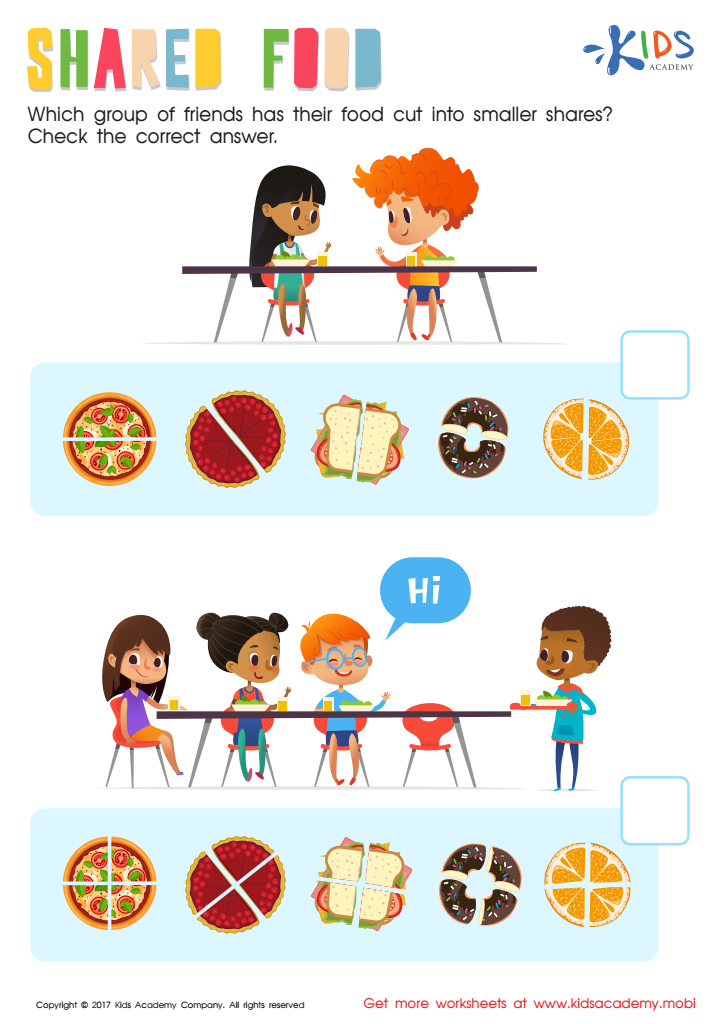
Shared Food Worksheet
 Assign to My Students











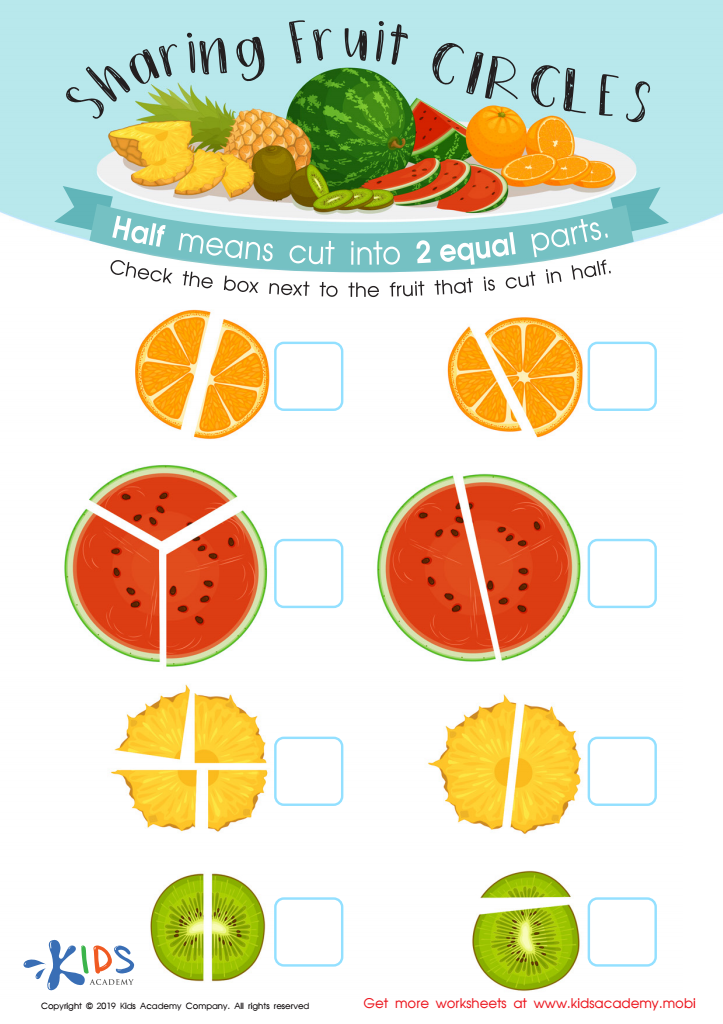
Sharing Fruit Circles Worksheet
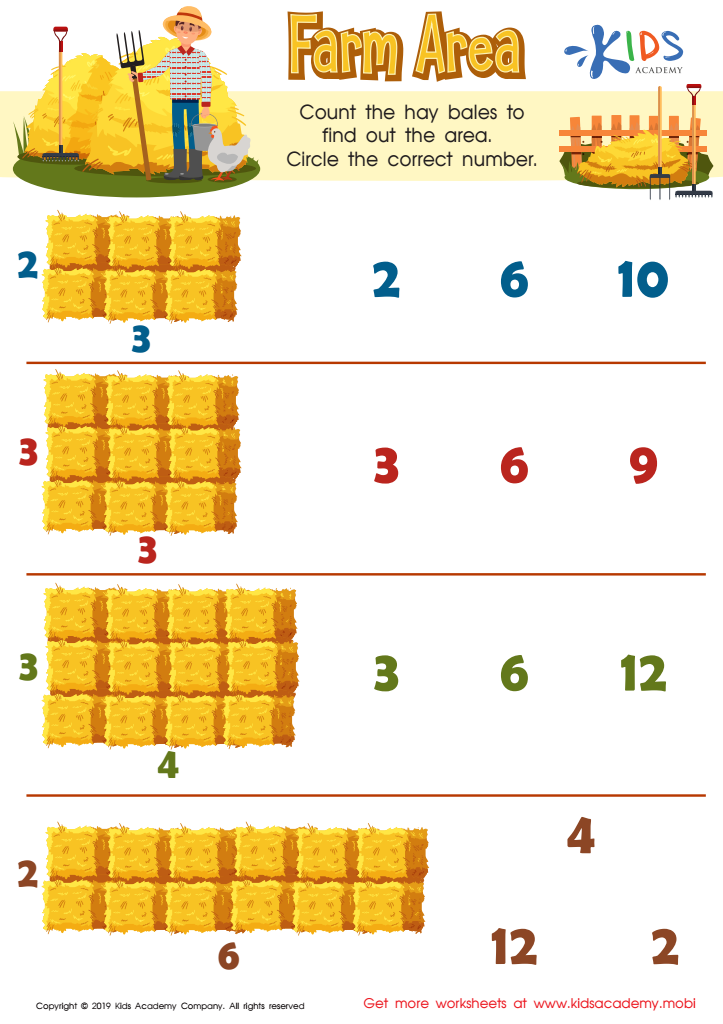
Farm Area Worksheet
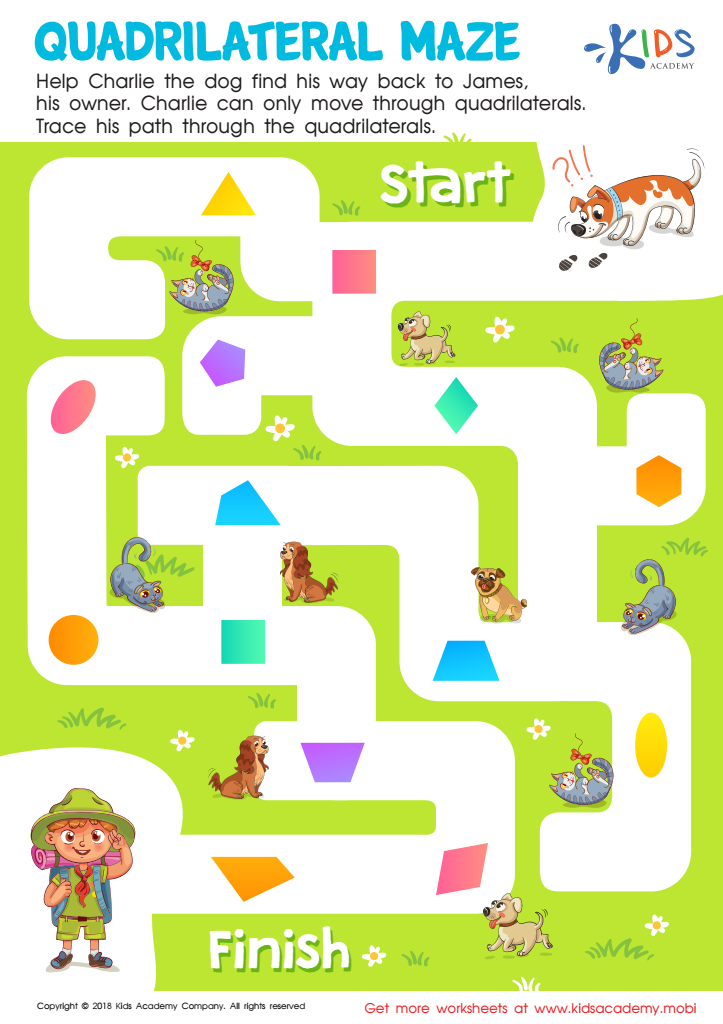
Quadrilateral Maze Worksheet
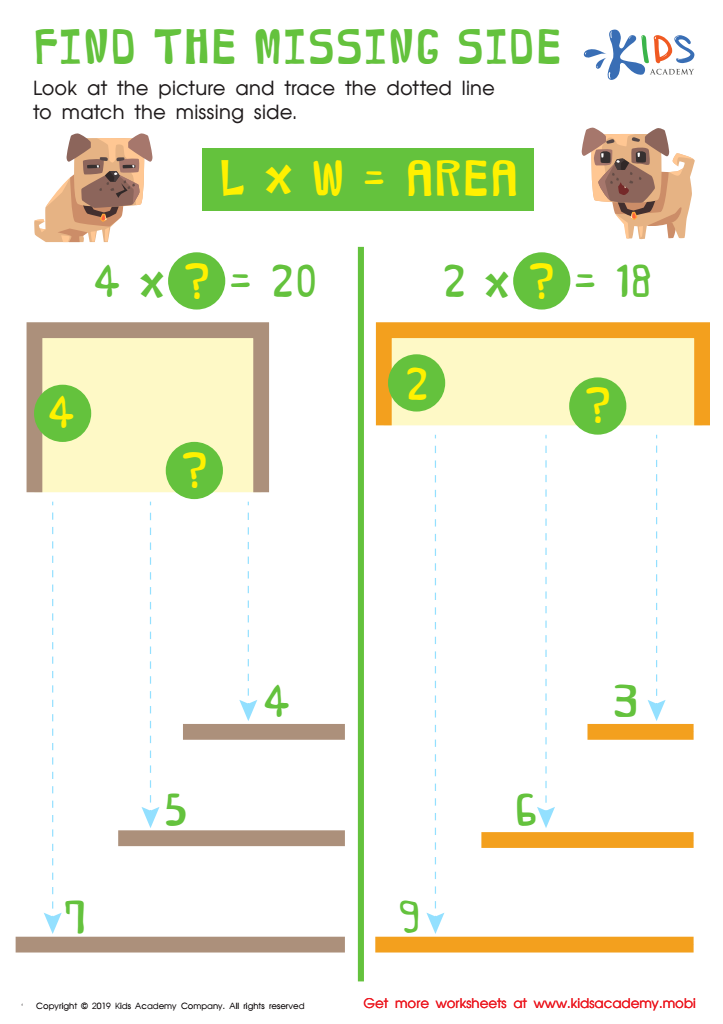
Find the Missing Side Worksheet
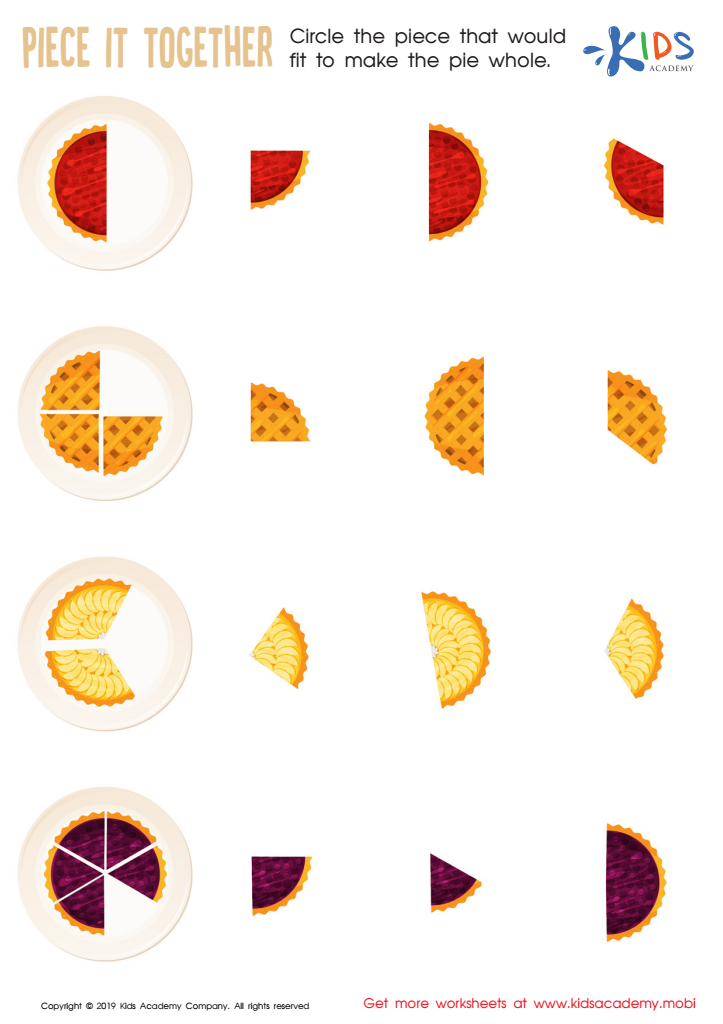
Piece it together Worksheet








Problem-solving skills are fundamental for children's academic success and overall development, especially in subjects like geometry, which serves as a building block for critical thinking and analytical abilities. For children ages 6-9, engaging with “Problem-Solving Skills Easy Geometry” helps them visually and practically understand shapes, space, and relationships between objects. This age is crucial for cognitive development; thus, introducing geometry early encourages curiosity and enjoyment in learning.
Parents and teachers should prioritize these skills as they foster logical reasoning, perseverance, and creativity. Problem-solving in geometry teaches children to approach challenges methodically, breaking down complex problems into manageable parts—skills that are transferable to all areas of life. Moreover, understanding geometry can improve spatial awareness, which is essential not only in mathematics but also in fields like science, engineering, and art.
Additionally, cultivating these skills collaboratively between home and school strengthens the parent-teacher partnership, enriching the child’s learning experience. By encouraging young learners to explore and solve geometry problems, we equip them with the confidence to tackle future challenges, laying a strong foundation for their educational journey and lifelong learning. Thus, investing in problem-solving skills in geometry during these formative years is critical for holistic growth.








